When global superstar Doja Cat takes the stage for the third edition of Move Afrika in Kigali and Pretoria, the moment will represent more than a headline performance. It signals the next chapter of a growing effort to build a sustainable international touring circuit across Africa, one designed not only to bring global artists to the continent, but to invest directly in local talent, infrastructure and the future of the live entertainment industry.
Launched in 2023 by Global Citizen, in partnership with Kendrick Lamar’s creative company pgLang, Move Afrika is positioned as a long-term initiative aimed at strengthening Africa’s touring ecosystem. The concept is simple but ambitious, create a recurring touring platform that attracts global artists while simultaneously building the production capacity, employment pathways and professional infrastructure needed to support large-scale live events across the continent.
Now entering its third year, the 2026 edition expands the circuit’s reach. Rwanda returns as a host country, while South Africa joins the tour for the first time. Yet beyond the headline performances, one of the most significant developments this year is happening behind the scenes.
As part of the South African leg of the tour, Move Afrika has introduced a Youth Technical Production Pathway, developed in collaboration with Gearhouse Group and the Kentse Mpahlwa Academy. The program has selected ten young people aged 18 to 26 from Johannesburg and Pretoria to receive hands-on training in key areas of live event production, including lighting design, audio-visual systems and stage rigging at the Gearhouse Academy.
Participants will also gain real-world experience working on the build of the Move Afrika, Pretoria show featuring Doja Cat, offering rare exposure to the logistical and technical demands of producing a large-scale international concert. For many, it represents a direct entry point into an industry where opportunities for structured training have historically been limited.
The initiative addresses a broader challenge within Africa’s rapidly expanding live entertainment sector. While African music continues to gain global attention, the technical workforce needed to support international touring, from lighting engineers to stage riggers, remains in short supply. Programs like this aim to close that gap by developing a new generation of skilled production professionals across the continent.
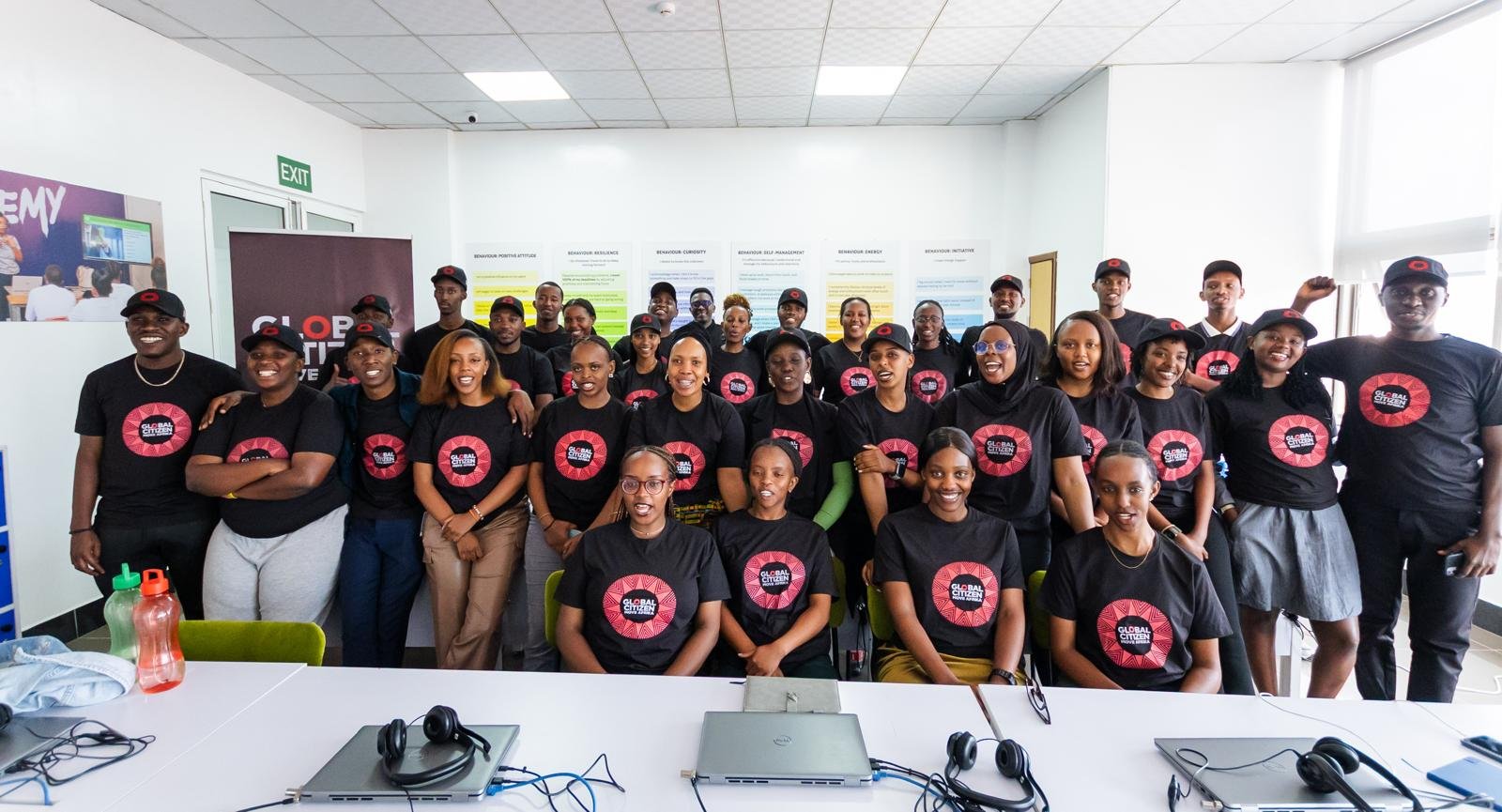
Beyond technical training, Move Afrika has also integrated youth employment initiatives into its touring model. Through a partnership with the Harambee Youth Employment Accelerator in Kigali, fifty young people have been able to gain paid experience across a range of roles including production support, event security and hospitality.
Since its launch, the project has increasingly positioned itself as more than a concert series. Each event activates a wider ecosystem of economic activity, spanning production services, logistics, tourism, hospitality and creative industries.
Across events in Kigali and Lagos over the past two years, Move Afrika has already helped generate more than 2,500 jobs. In Kigali alone, the share of local crew increased from 75 percent in 2023 to 90 percent by 2025, with most audio and lighting equipment sourced locally. In Lagos, approximately 90 percent of the crew and 95 percent of production equipment came from Nigerian vendors, supporting local staging companies, technical teams and event design businesses.
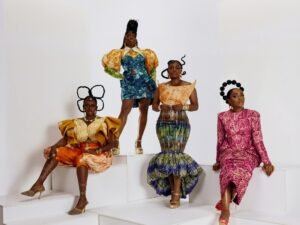
The initiative has also consistently spotlighted African creativity beyond music. Previous editions featured stagewear from Nigerian designers including Orange Culture, Emmy Kasbit, Eleven Sixteen, Elexiay and Wanni Fuga, while stage design in Kigali incorporated traditional Agaseke basket lighting installations created by artisans from the Nyamirambo Women’s Center.
Looking ahead, organisers have set an ambitious target. By 2028, Move Afrika aims to operate in five African cities annually, with each concert fully produced by skilled local technical teams.
As Africa’s live entertainment industry continues its rapid growth, initiatives like Move Afrika are helping reshape how global tours engage with the continent, not simply as tour stops, but as platforms for skills development, youth employment and long-term investment in Africa’s creative economy.