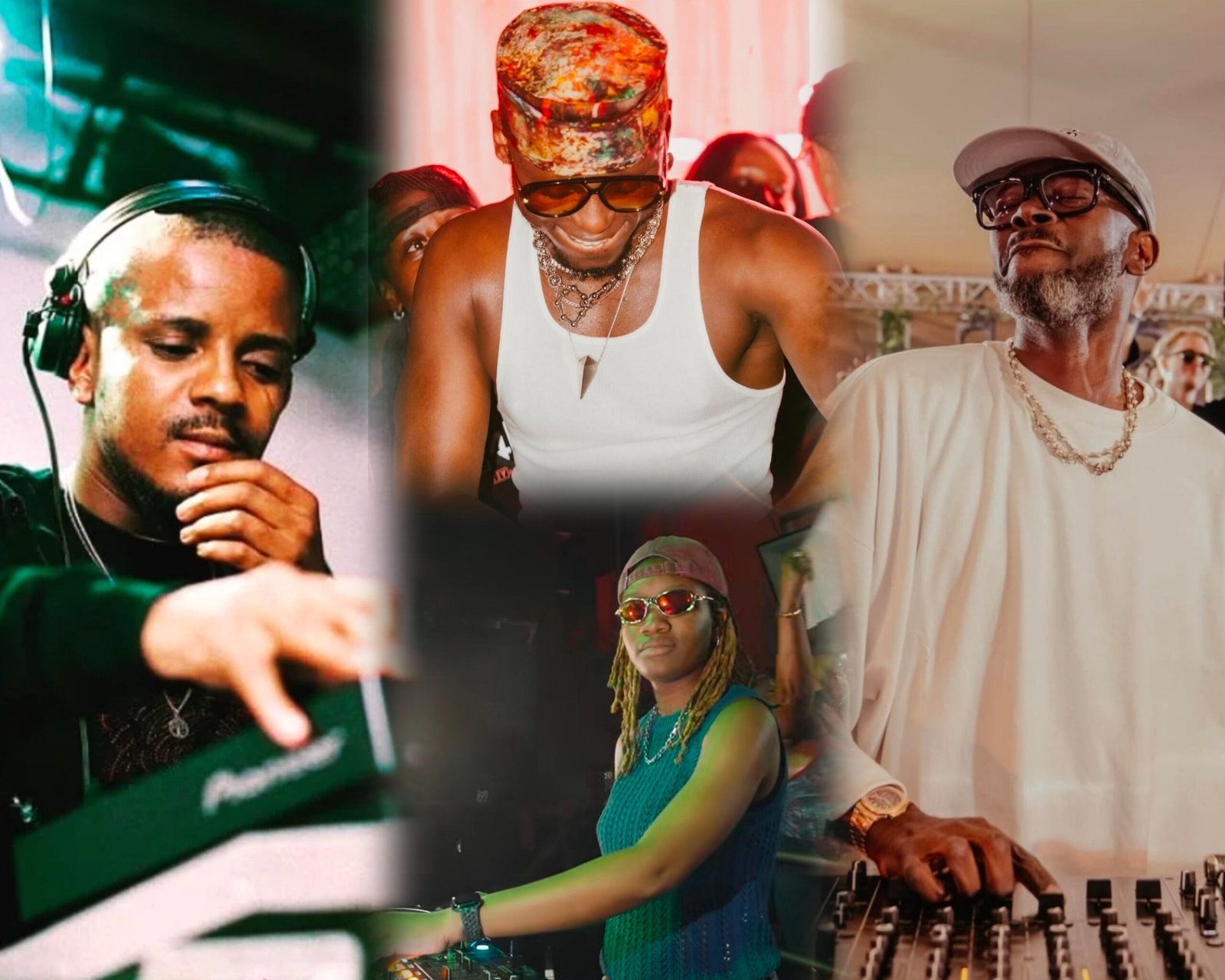
African DJs are no longer confined to regional circuits; they are headlining festivals, selling out arenas, and exporting African sounds to dance floors around the world. They have turned local genres like Amapiano, Afro-house, and gqom into international club staples.
Their influence extends beyond sound into fashion, dance, and digital culture, shaping how the world experiences nightlife. Across continents, African DJs are not just participating in global club culture; they are redefining it.
From Local Tastemakers to Global Headliners
The turning point came with the rise of digital platforms. Live DJ sets recorded in small clubs began circulating online, reaching listeners far beyond their original locations. Viral mixes and livestreamed performances allowed audiences in cities like London, Paris, and New York City to discover African club sounds without ever stepping into an African venue.
International collaborations have also played a major role. By working with artists across continents, African DJs have introduced new audiences to sounds that once existed primarily within local club scenes. Today, African DJs headline major festivals, dominate international playlists, and shape the direction of music worldwide.
The DJs Taking African Club Culture Global
Across Africa, several DJs stand out for their skills in moving local sounds into global spaces. Their careers reflect the diversity of the continent’s club scenes and the global appetite for African dance music. Below are the DJs whose work has genuinely pushed African club culture beyond the continent.
Black Coffee
Known for his soulful Afro-house sound, the Grammy-winning South African DJ and producer has built a reputation through international residencies and festival performances, including appearances in global nightlife capitals such as Ibiza. His ability to merge traditional African musical elements with contemporary electronic production has helped position Afro-house as a staple in global club culture.
Kabza De Small
Often referred to as the ‘King of Amapiano’, Kabza De Small played a defining role in transforming a township-born genre into an international sound. Through collaborations and consistent releases, he elevated Amapiano beyond local recognition, ensuring its presence on global dance floors.
DJ Spinall
DJ Spinall has played a crucial role in bridging Afrobeats and global dance culture. Through collaborations with artists across continents, he has introduced African rhythms into international club rotations. His career shows the importance of versatility in modern DJ culture, blending commercial appeal with underground credibility.
Major League DJz
The twin duo has become synonymous with Amapiano’s global expansion. Their viral Balcony Mix series attracted millions of viewers online, introducing audiences worldwide to the genre. By touring internationally and collaborating across continents, they transformed Amapiano from a regional sound into a global club movement.
Aniko
Operating at the centre of Nigeria’s emerging rave culture, Aniko has gained recognition for blending gqom, techno, and house into immersive live experiences. Her role in shaping alternative rave scenes reflects the growing diversity within African club culture.
DJ Lag
The South African DJ pioneered the gqom genre. He pushed the sound from Durban’s underground into international club circuits. DJ Lag’s music challenged traditional dance structures, offering darker, bass-heavy rhythms that found audiences far beyond South Africa.
Uncle Waffles
Uncle Waffles represents a new era of performance-driven DJing. Her energetic stage presence and viral performances have made her one of Amapiano’s most visible global ambassadors. Her rise reflects how personality and visual identity have become as important as musical skill in modern club culture.
DJ Neptune
Known for shaping Afrobeats club sound across Africa, DJ Neptune has helped position West African music within global nightlife scenes. Through consistent releases and international tours, he has contributed to the global recognition of Afrobeats as a club-ready genre.
DJ Suraj
The Nairobi-based DJ has built an international reputation through global DJ tours and collaborative performances. He is a lead figure in taking East African club culture to the global stage. His work reflects the increasing visibility of East African DJs in global electronic music spaces.
Shimza
Shimza has built his reputation as one of South Africa’s most respected Afro-house ambassadors who has played a crucial role in connecting African club sounds with global audiences. His appearances at international festivals and collaborations with artists from Europe and beyond have helped position Afro-house as a globally respected genre.
The Cultural Impact Beyond the Dance Floor
Club culture is never just about music. African DJs have influenced dance styles, fashion trends, and nightlife aesthetics across continents. The spread of Amapiano, for example, has introduced new dance movements and reshaped club fashion in cities far from its origins.
As these sounds travel, they carry elements of African identity with them. In this way, DJs function as cultural translators, turning local traditions into global experiences.
Where African Club Culture Goes Next
The rise of African DJs signals a larger cultural shift. Club culture is no longer dominated by Western sounds alone. Instead, African rhythms are shaping the future of dance music worldwide. Genres born in townships, neighbourhoods, and underground venues now define the soundtracks of global nightlife.
African DJs are not simply adapting to global trends; they are creating them. As more DJs emerge across the continent, the influence of African club culture is likely to deepen, pushing new sounds into international spaces.