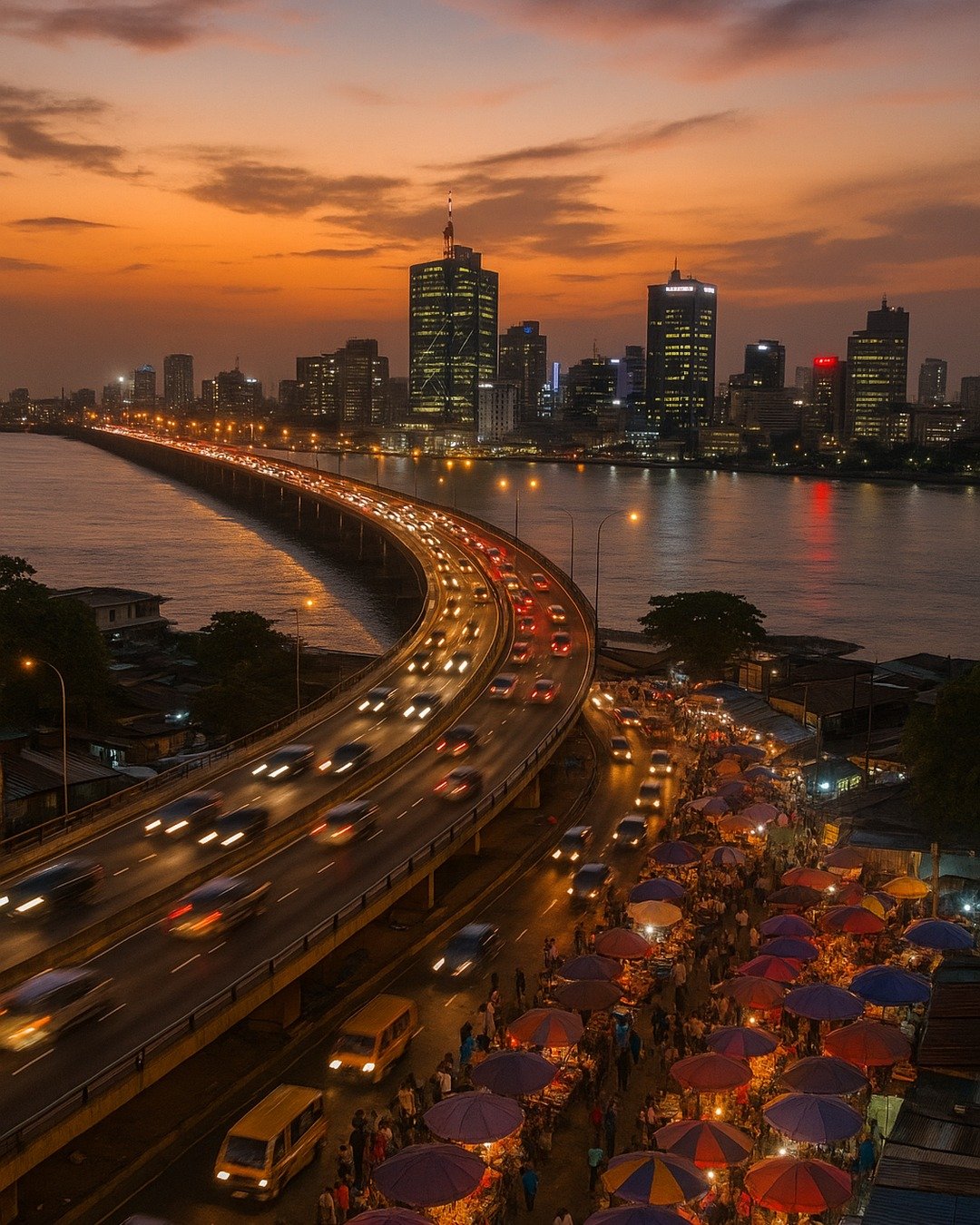
Long before African music dominated global charts, the rhythm of innovation was already pulsing through the streets of Lagos. Now, the city stands as one of the most influential music hubs in the world, and it has become a place where new sounds are born and careers are launched
But Lagos didn’t become Africa’s music capital overnight. Its rise was shaped by decades of cultural evolution, technological change, and the relentless creativity of artists who refused to limit their ambitions to local audiences. Understanding how Lagos earned its title requires looking into the history, infrastructure, and people who built its sound.
A Legacy Rooted in Musical Revolution
The story of Lagos as a music capital begins long before Afrobeats became a global brand. In the 1970s and 1980s, artists like Fela Kuti transformed Lagos into a centre of musical rebellion and experimentation. Through Afrobeat, he fused jazz, funk, and traditional African rhythms into politically charged performances that attracted global attention.
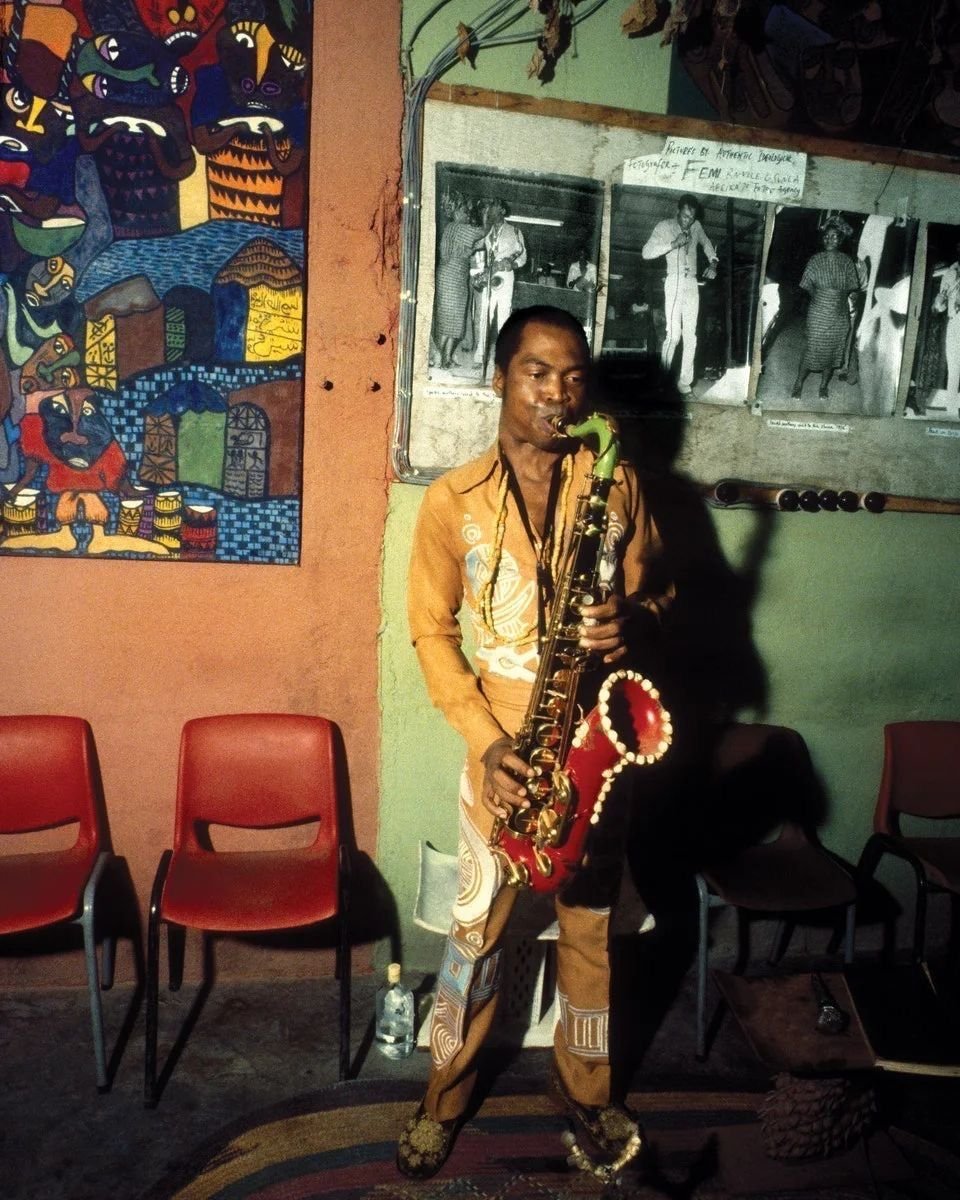
His communal residence and creative base, Kalakuta Republic, became more than a venue; it became a symbol of artistic resistance and cultural freedom. Fela’s influence laid the foundation for Lagos as a city where music carried meaning beyond entertainment. It established Lagos as a place where artists spoke boldly, challenged authority, and pushed creative boundaries.
The Birthplace of Modern Afrobeats
While Afrobeat defined the past, Lagos became central to shaping the sound of the present. In the early 2000s, Nigerian music began evolving into what is now widely known as Afrobeats, not to be confused with Afrobeat (singular), which was pioneered by Fela Kuti.
Artists such as 2Baba and D’banj helped create commercially successful records that appealed to both Nigerian and international audiences. Soon after, a new generation, including Wizkid, Davido, and Burna Boy, expanded the reach of Lagos-born sounds into global markets.
These artists became cultural ambassadors, bringing Lagos into conversations that once centred on Western cities.
A City Built for Creative Opportunity
Lagos’ strength lies not only in talent but also in opportunity. With a population exceeding 20 million people, the city offers unmatched cultural diversity. Artists from across Nigeria and the continent migrate to Lagos seeking exposure, collaboration, and industry connections.
Producers, stylists, video directors, dancers, and marketers operate close to one another, making collaboration both fast and accessible. Neighbourhoods like Surulere, Ojuelegba, and Ajegunle have become synonymous with grassroots creativity, producing artists whose music reflects the daily struggles and triumphs of city life. In Lagos, creativity thrives because competition is constant and opportunity is everywhere.
The Power of Nightlife and Live Performance
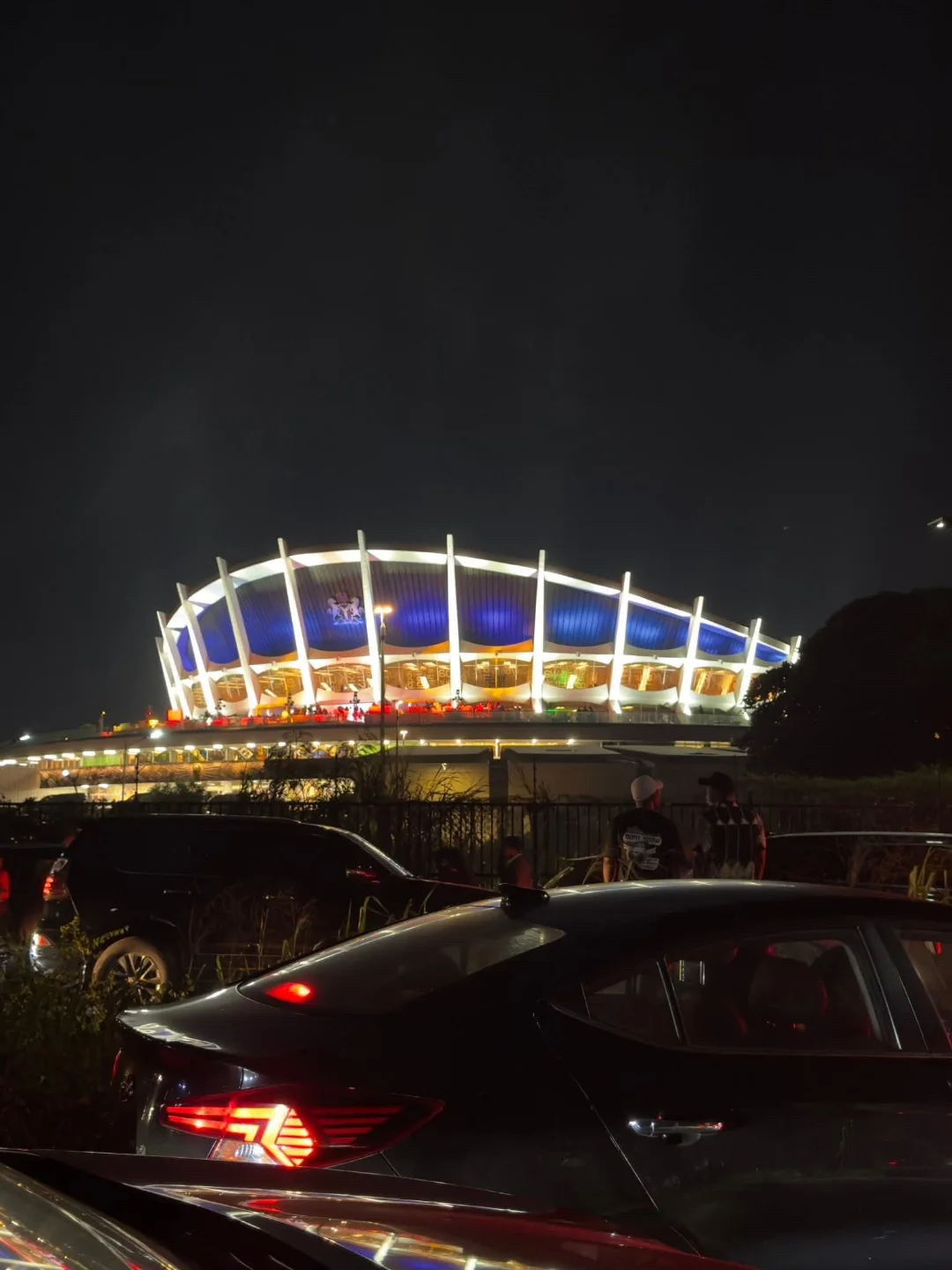
No music capital exists without a thriving nightlife culture. Lagos’ club scene has long served as a testing ground for new songs. Before streaming platforms dominated the industry, live performances determined whether songs became hits or faded into obscurity.
Nightclubs, lounges, and concert venues continue to shape the city’s sound, offering artists immediate feedback from audiences. Even today, Lagos remains one of the most energetic nightlife cities in Africa.
Technology Turned Lagos Into a Global Hub
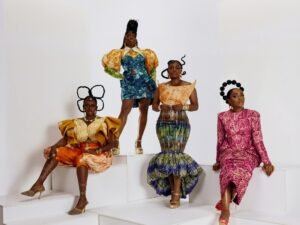
Digital technology accelerated Lagos’ rise. It allowed artists to distribute their music globally without relying solely on radio or record labels. Thanks to social media, music videos shot in Lagos began circulating internationally, introducing global audiences to the city’s fashion, dance, and visual culture.
The digital revolution also made it possible for independent artists to succeed without leaving Nigeria. As technology expanded access to global audiences, Lagos transitioned from a regional music hub into a worldwide cultural force.
Detty December: The Season That Made Lagos a Global Destination
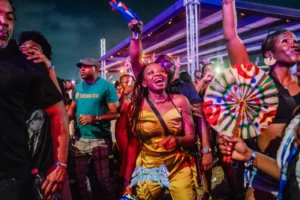
In recent years, one of the strongest symbols of Lagos’ cultural dominance has been the rise of Detty December, the festive, high-energy party season from mid-December to the New Year. Every December, thousands of visitors from across Africa and the diaspora travel to Lagos for weeks of concerts, parties, and cultural events.
Major festivals such as Flytime Fest and Palmwine Music Festival headline the season, featuring performances by artists including Davido, Wizkid, Burna Boy, Tems, and Asake. What began as a holiday tradition has evolved into a cultural phenomenon, one that drives tourism, fuels the local economy, and reinforces Lagos’ position as the centre of African entertainment. For many creatives, December in Lagos represents opportunity, visibility, and global exposure.
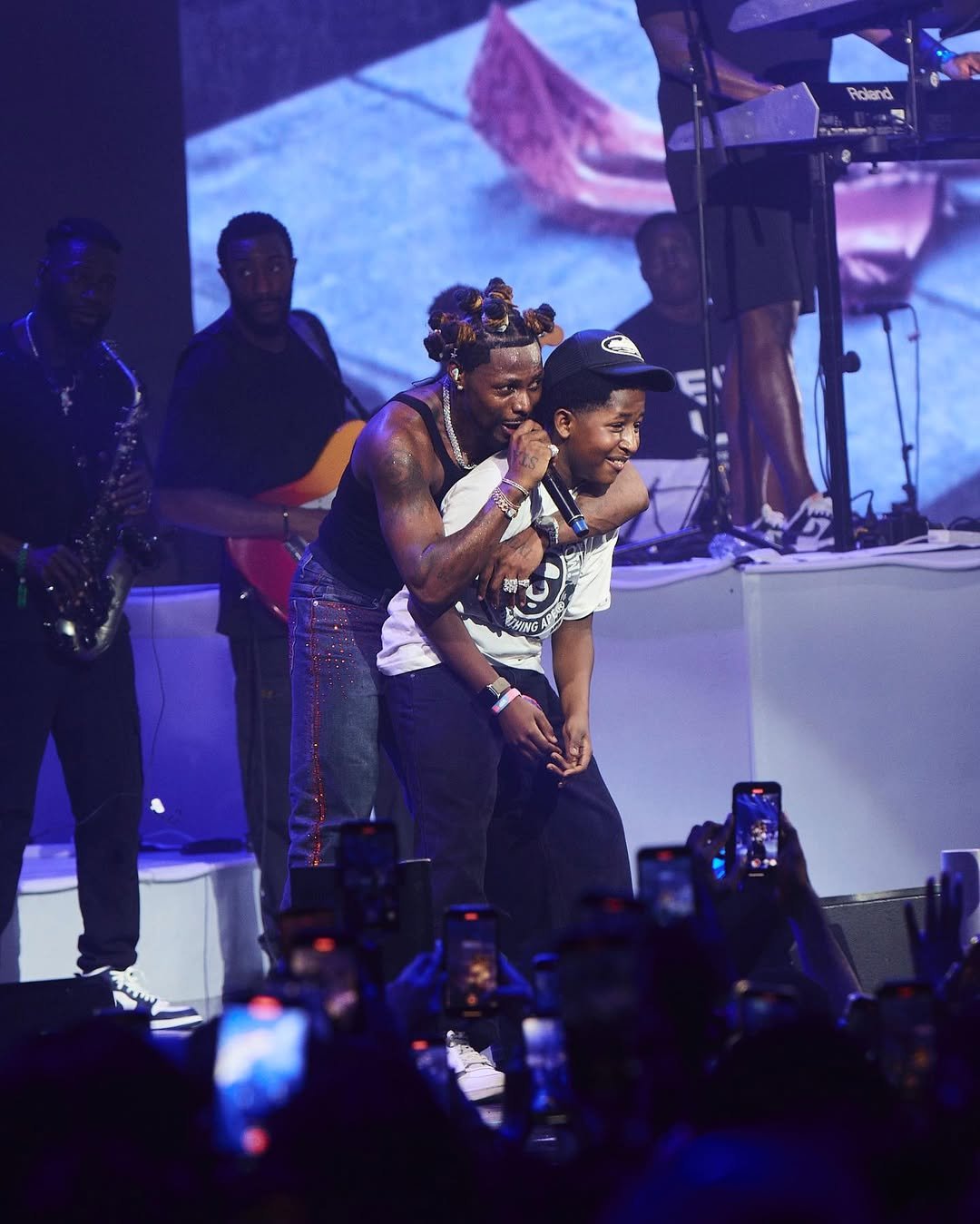
People Around the World Now Come to Lagos
Detty December has also become a magnet for people, including international celebrities, influencers, and music executives who seek to tap into Africa’s fast-growing creative economy. Visitors come not only to celebrate but also to discover new talent, build partnerships, and experience Africa’s cultural momentum firsthand. For many global observers, Lagos now represents the future of entertainment innovation on the continent.
Competition Is Rising Across Africa
Despite its dominance, Lagos does not stand alone. Cities like Johannesburg, Accra, and Nairobi continue to develop vibrant music scenes of their own. South Africa’s rise in global genres such as Amapiano, Ghana’s expanding alternative music culture, and Kenya’s growing digital influence signal increasing competition. However, Lagos maintains a unique advantage: scale, infrastructure, and global visibility. Artists across Africa still view Lagos as a gateway to wider recognition.
Challenges Lagos Must Overcome
Even as it leads, Lagos faces challenges that could shape its future. Traffic congestion, rising living costs, and pressure on infrastructure continue to affect daily life. For emerging artists, financial barriers can make sustaining careers difficult. At the same time, increased competition from other African cities means Lagos must continue evolving to maintain its leadership.
Conclusion
Lagos did not become Africa’s music capital by chance. It earned that title through decades of innovation, resilience, and cultural influence. From the revolutionary sounds of Fela Kuti to the global success of modern Afrobeats stars, the city has continuously shaped the direction of African music.
Today, Lagos stands not just as a place where music is made but as a place where culture is defined. While new creative hubs continue to rise across Africa, Lagos remains at the centre of the conversation not just because of its past achievements but because of its ability to reinvent itself again and again.