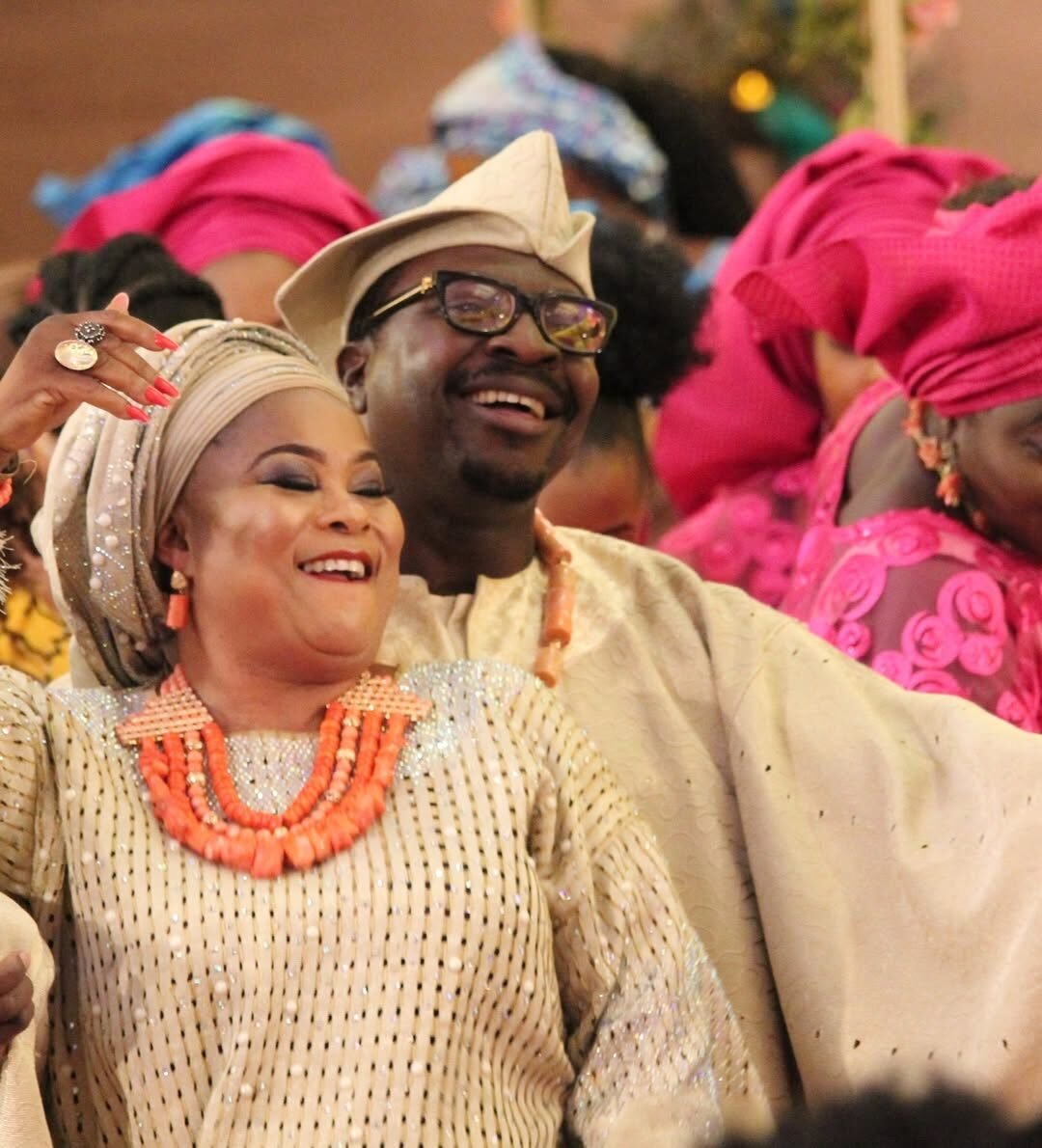
In Africa, music rarely exists in isolation. It lives in the streets, at weddings, in clubs, at family gatherings, and in moments of quiet reflection. It’s an escape and a mirror, chronicling the truths of everyday life while providing relief.
At a time when many parts of the continent face economic hardship, social change, and uncertainty, African music remains a source of joy that feels almost defiant. From the vibrant rhythms of Afrobeats to the soulful grooves of Amapiano, the sound is often upbeat, celebratory, and deeply alive.
Joy as Resistance, Not Distraction
The energy in the sound is not about ignoring hardship; it’s about responding to it. For generations, music has been a tool of resilience. Whether in the highlife traditions of West Africa or the dance-driven sounds emerging from South Africa’s townships, music has always been a way to process reality while refusing to be defined by it.
Artists like Burna Boy often balance themes of struggle, identity, and success within songs that still feel uplifting. Similarly, Asake channels street experiences into music that feels both grounded and celebratory. The result is a sound that doesn’t deny difficulty but transforms it.
The Sound of Community
African music is communal in nature. The call-and-response patterns, the repetition of hooks, and the emphasis on rhythm all encourage participation. Be it in a full-house party in Lagos or a street party in Accra, music becomes something that is shared and lived.
This communal energy is part of what makes African music feel joyful. It isn’t just something you listen to; it’s something you experience with others. African Songs are built to move people literally and emotionally.
Dance as Expression
You can’t separate African music from dance. The two are together. Be it viral moves or traditional steps, dance adds a physical dimension to the emotional effects of the music.
Genres like Amapiano have shown just how deep this connection goes. Music is not only about sound. It is about the body’s response to sound. Artists like Uncle Waffles have become symbols of this movement, where performance, dance, and music blend into one experience.
Even in hard times, dance creates a space where people can let go for a moment, and that moment is important.
Aspirations in the Lyrics
Another reason African music feels joyful is what it represents. There are a lot of songs that aspire to success, progress, and possibility. Even when artists come from challenging backgrounds, their music often reflects where they’re going, not just where they’ve been.
Davido and other artists have songs about partying, success, and gratitude. It’s not just about wealth; it’s about achievement, growth, and being able to enjoy life despite obstacles. That optimism resonates deeply with listeners who share similar realities.
Emotion Balance
It would be a mistake to assume African music is only joyful. Beneath the energy, there is often a mix of emotions, including love, struggle, reflection, and hope. What makes African music special is the balance of those emotions.
A song can carry a lot of weight and make you dance at the same time. It can tell a story of struggle in a celebratory voice.
A Cultural Language of Survival
Ultimately, the joy in African music is not about ignoring reality but about navigating it. It reflects finding light within difficulty and creating moments of celebration regardless of circumstance. That’s why the sound feels so alive. It’s not just entertainment; it’s survival, connection, and identity.
More Than Music
As African music continues to reach global audiences, its celebratory nature remains one of its most defining qualities. It pulls you in. Not because it sounds good, but because it feels real. African music shows that joy can co-exist with struggle. Sometimes, that joy is what people need.