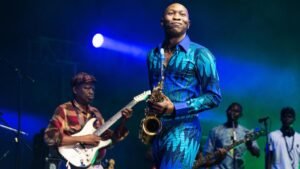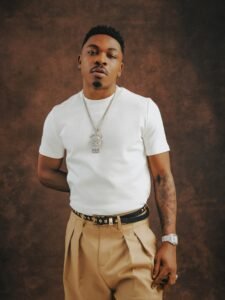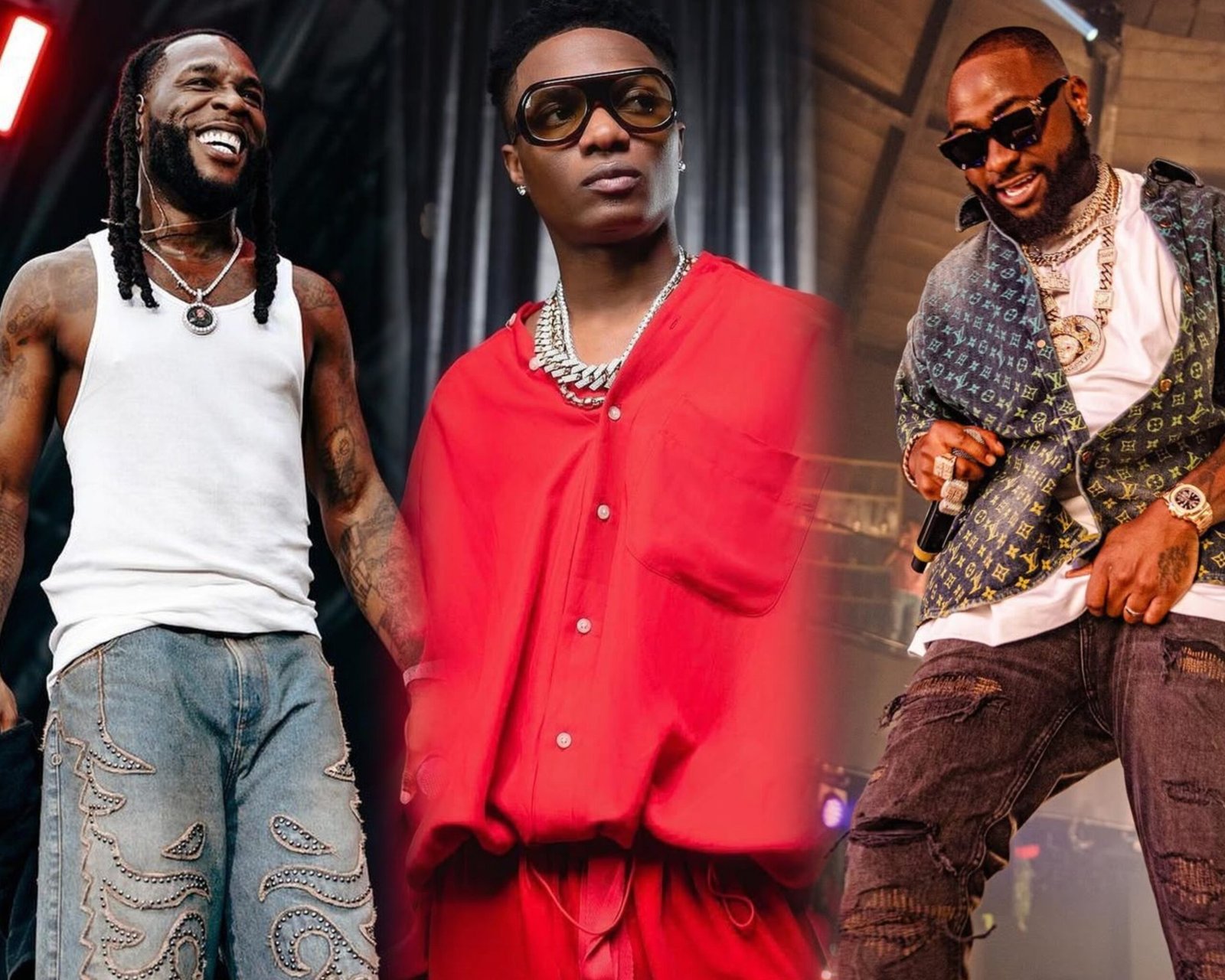
There was a time when African artists appeared on global festival lineups as special additions booked for niche audiences or tucked away in afternoon slots far from the main stage. Today, that reality has changed.
Across some of the world’s biggest festivals, African artists are no longer just participating; they are headlining, curating moments, and commanding crowds on the same stages once dominated almost exclusively by Western acts.
African music has become central to the global live music experience. This shift reflects more than popularity; it signals a broader transformation in how African music is valued internationally—not as a trend, but as a driving force in contemporary global culture.
From Festival Guests to Main Attractions
The rise of African artists on global festival stages has been years in the making. What began as gradual international recognition through touring and collaborations has evolved into full-scale headline status.
Artists like Burna Boy have played a major role in that transition. His headline performances across major international festivals demonstrated that African artists could command large-scale audiences far beyond diaspora communities. His stage presence, live instrumentation, and ability to connect with diverse crowds helped reshape expectations around African performers globally.
Similarly, Wizkid has become a staple on international festival circuits, bringing Afrobeats to audiences that may not have previously engaged deeply with African music. These performances are no longer treated as cultural side moments; they are central attractions.
The Global Festival Circuit Is Expanding.
African artists are increasingly appearing across a wide range of major festivals, including Coachella, Glastonbury Festival, Wireless Festival, and Afro Nation. At these events, African artists are no longer limited to genre-specific stages. They are performing alongside global pop stars and rappers.
The Artists Leading the Movement
Behind the international recognition are artists who have consistently pushed African sounds beyond borders while maintaining strong cultural identity.
Burna Boy
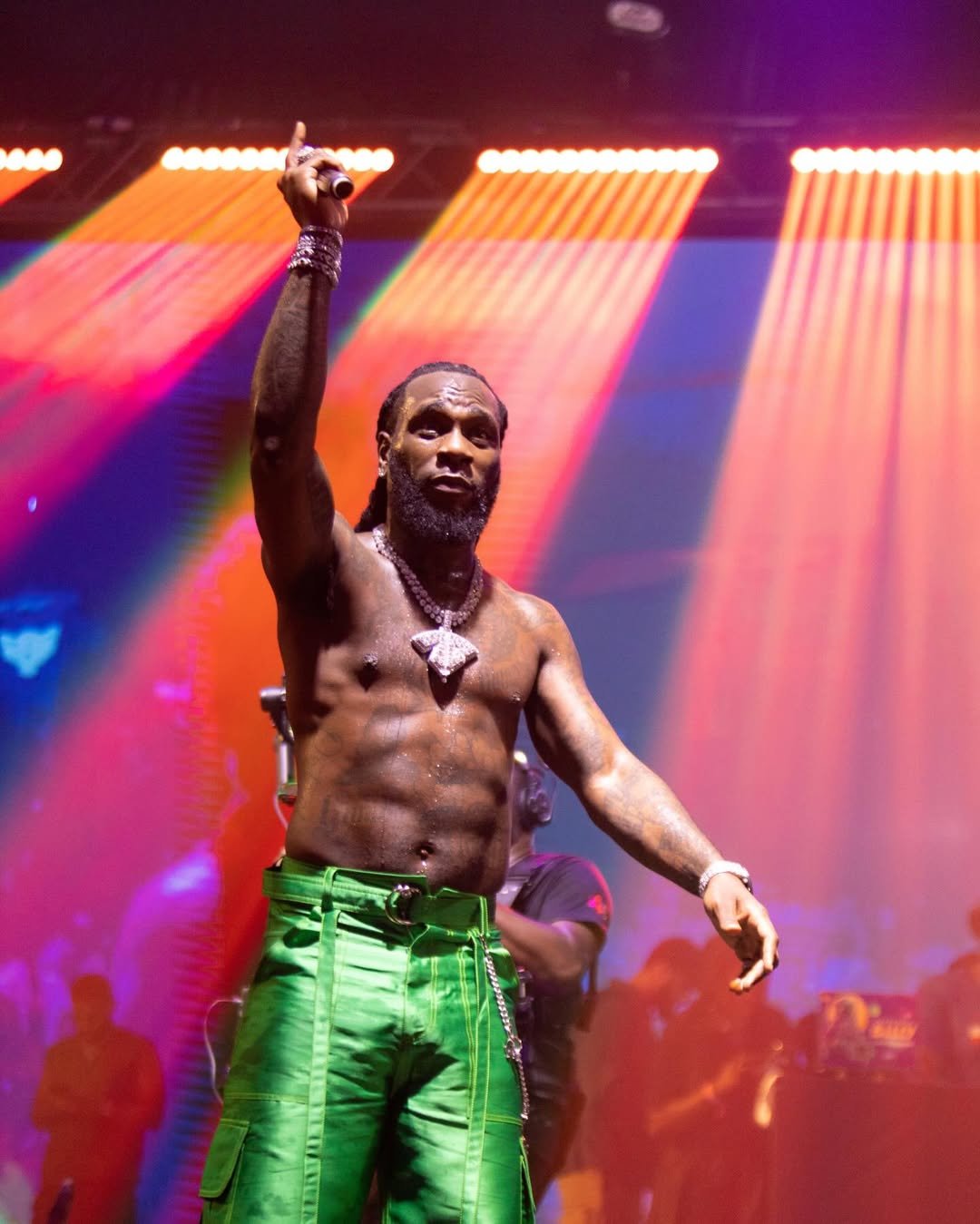
Burna Boy has become one of the most visible symbols of African music’s dominance on international stages. His festival performances combine live instrumentation, crowd engagement, and energy, making him one of the continent’s strongest live acts. Tracks like ‘Last Last’, ‘Ye’, and ‘City Boys’ regularly ignite festival crowds around the world. Burna Boy is confirmed as a headliner for Afro Nation Portugal 2026 alongside Wizkid, Asake, and Tyla.
Wizkid
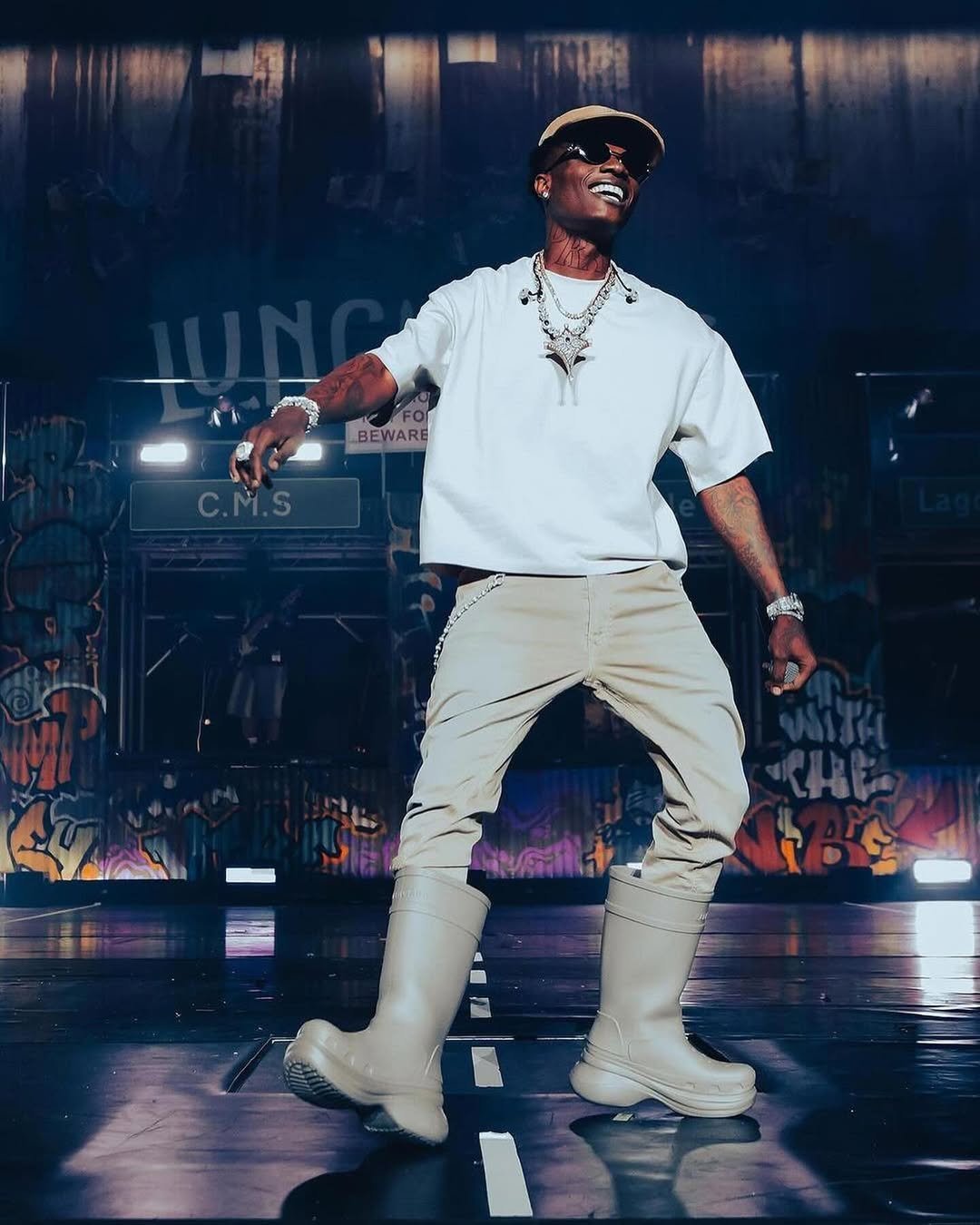
Wizkid’s rise on the global festival circuit shows the international expansion of Afrobeats itself. With a calm but commanding stage presence, he has become one of the defining African performers on major festival lineups worldwide. He is the first African artist to headline the Rolling Loud festival and also the Glastonbury Festival. Wizkid has also performed on the main stage at Coachella.
Davido
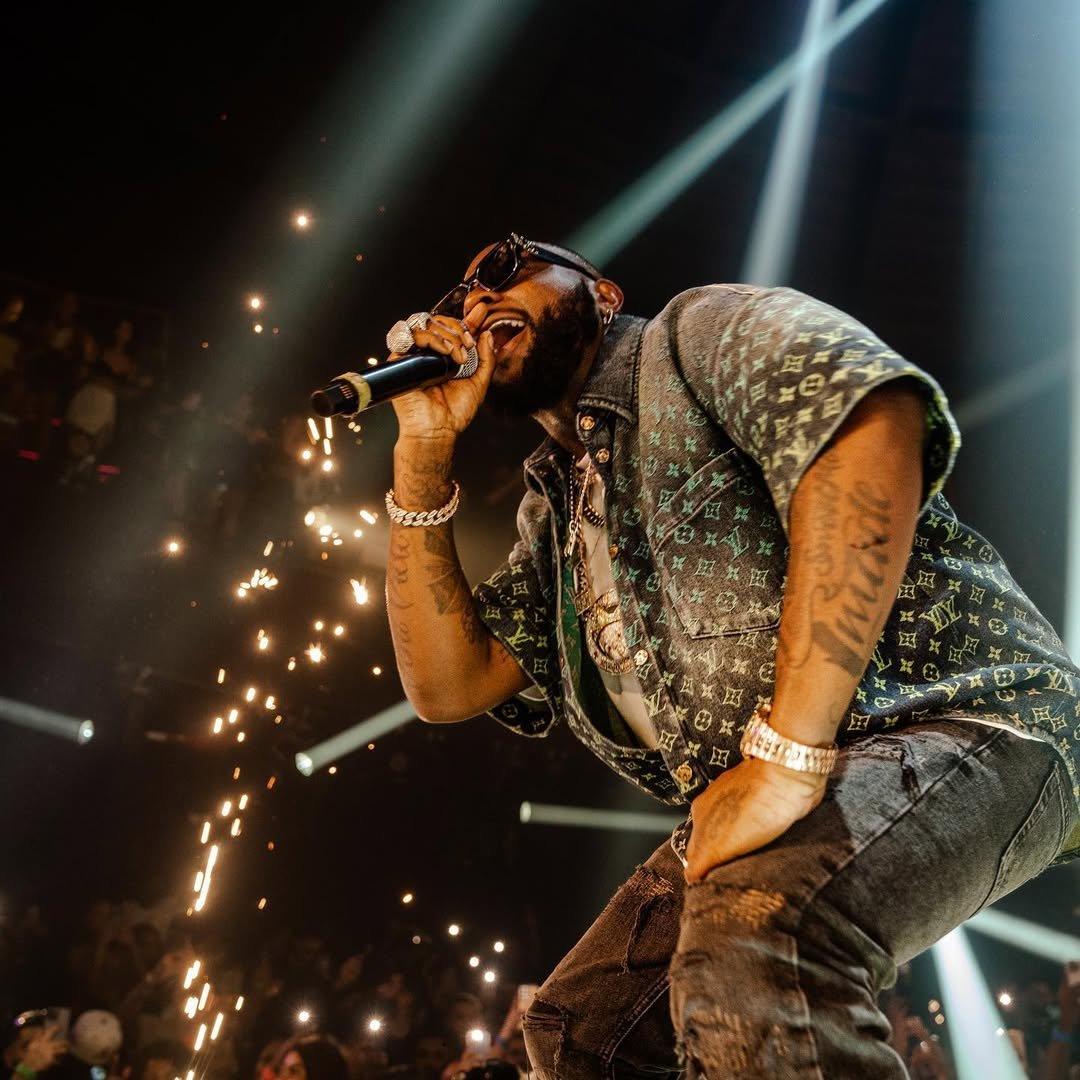
Davido’s festival appeal lies in his ability to create instant connection with audiences. His performances are energetic, celebratory, and built around crowd interaction. His songs, ‘Fall’, ‘Unavailable’, and ‘If’ are global crowd favorites, helping cement his position as one of Africa’s most recognizable live performers. The ‘Aye’ crooner was the only Nigerian artist officially featured on the main Coachella 2026 lineup.
Asake
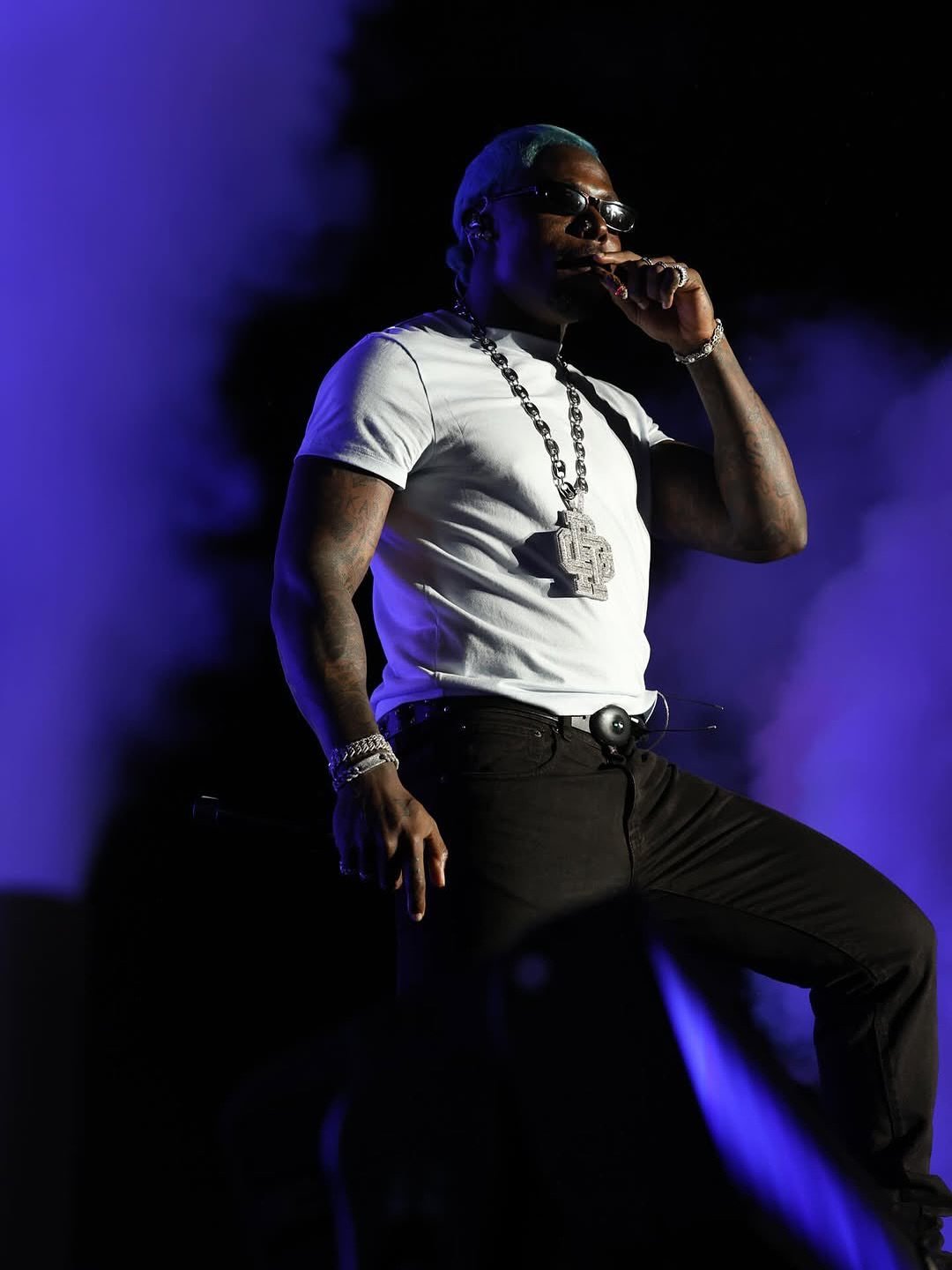
Few artists have translated street energy into global festival appeal as quickly as Asake. His fusion of Afrobeats, Fuji influences, and chant-heavy delivery creates the kind of atmosphere that thrives in large live spaces. Songs like ‘Joha’ and ‘Terminator’ feel tailor-made for festival environments, driven by rhythm, movement, and crowd participation. Asake is one of the artists that are set to headline Afro Nation Portugal 2026 at Praia da Rocha Beach in Portimão.
Tems
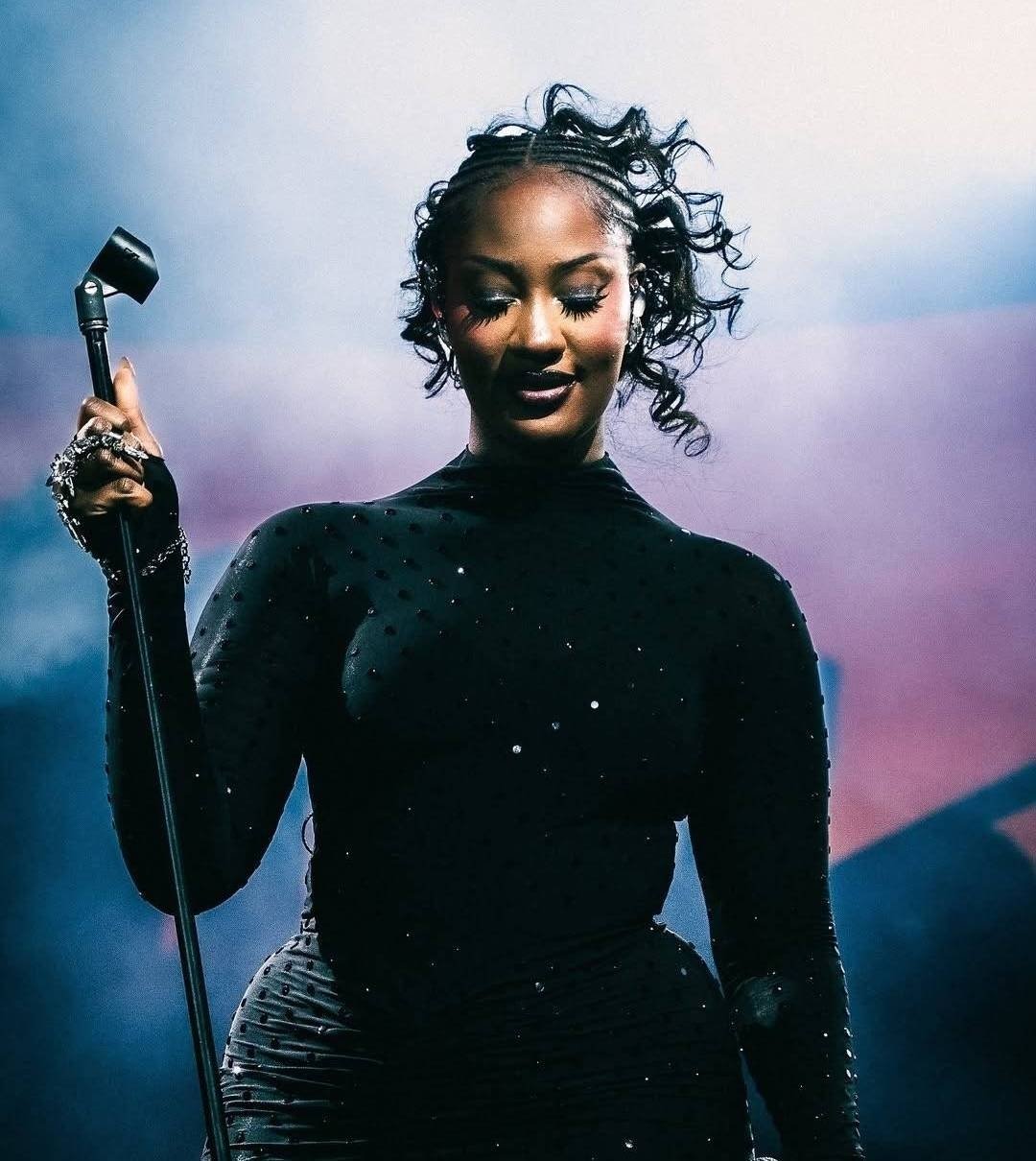
Tems offers a different kind of stage presence that resonates with international audiences. Her rise on the global festival circuit reflects the growing appetite for African artists with distinct artistic identities. Her performances lean less on spectacle and more on atmosphere, emotion, and vocal control. Tems’ headlining slots include the inaugural FIFA Club World Cup halftime show, Afro Nation 2025, Dreamville Festival 2025, and All Points East 2026.
Rema
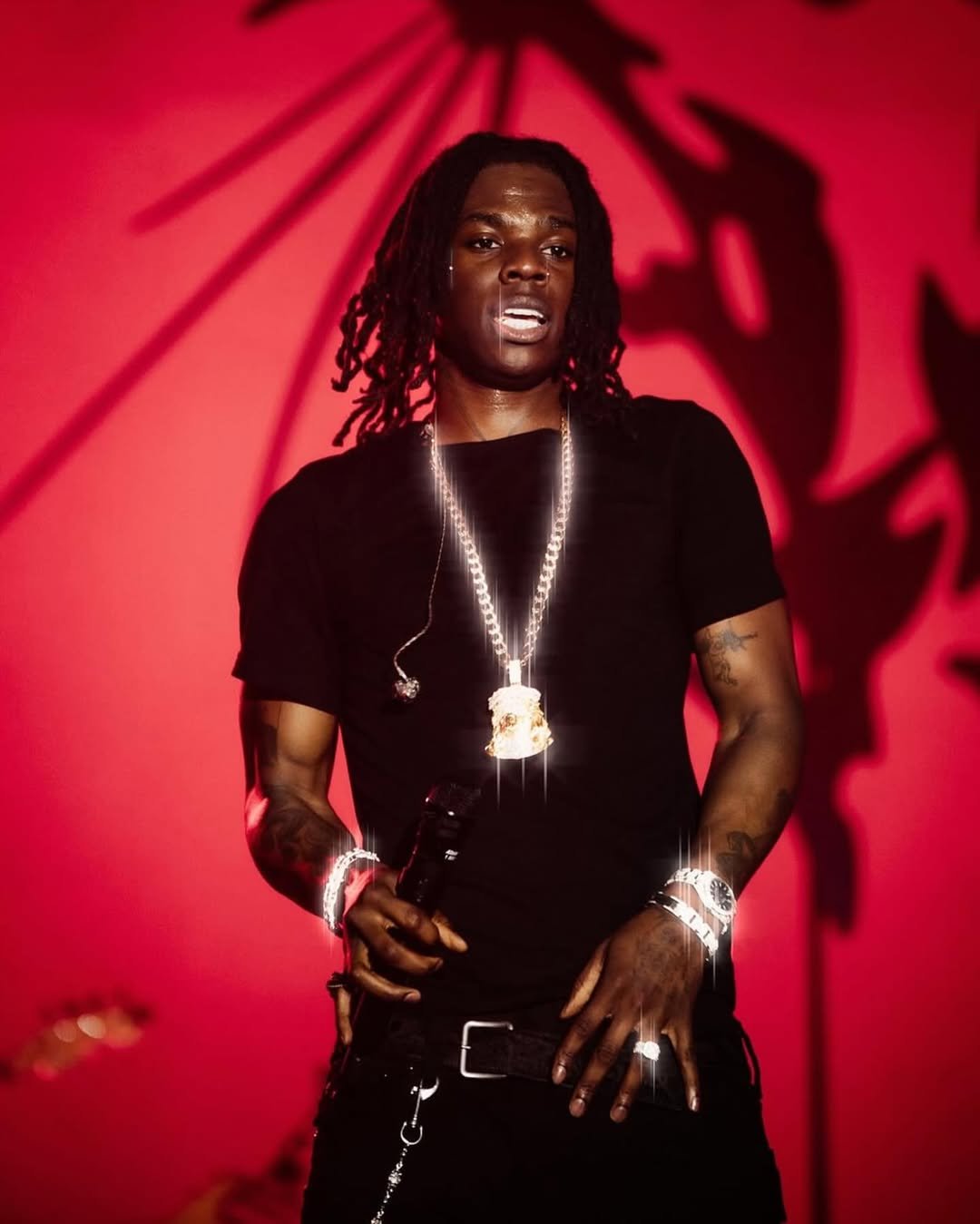
With crossover hits and a younger global fanbase, Rema represents the next generation of African festival headliners. His performances combine Afrobeats with pop, making his sound accessible across different audiences and markets. Rema was a headliner for Afro Jam Festival 2025. He has also performed at major events including the Global Citizen Festival, Coachella, and Wireless.
Tyla
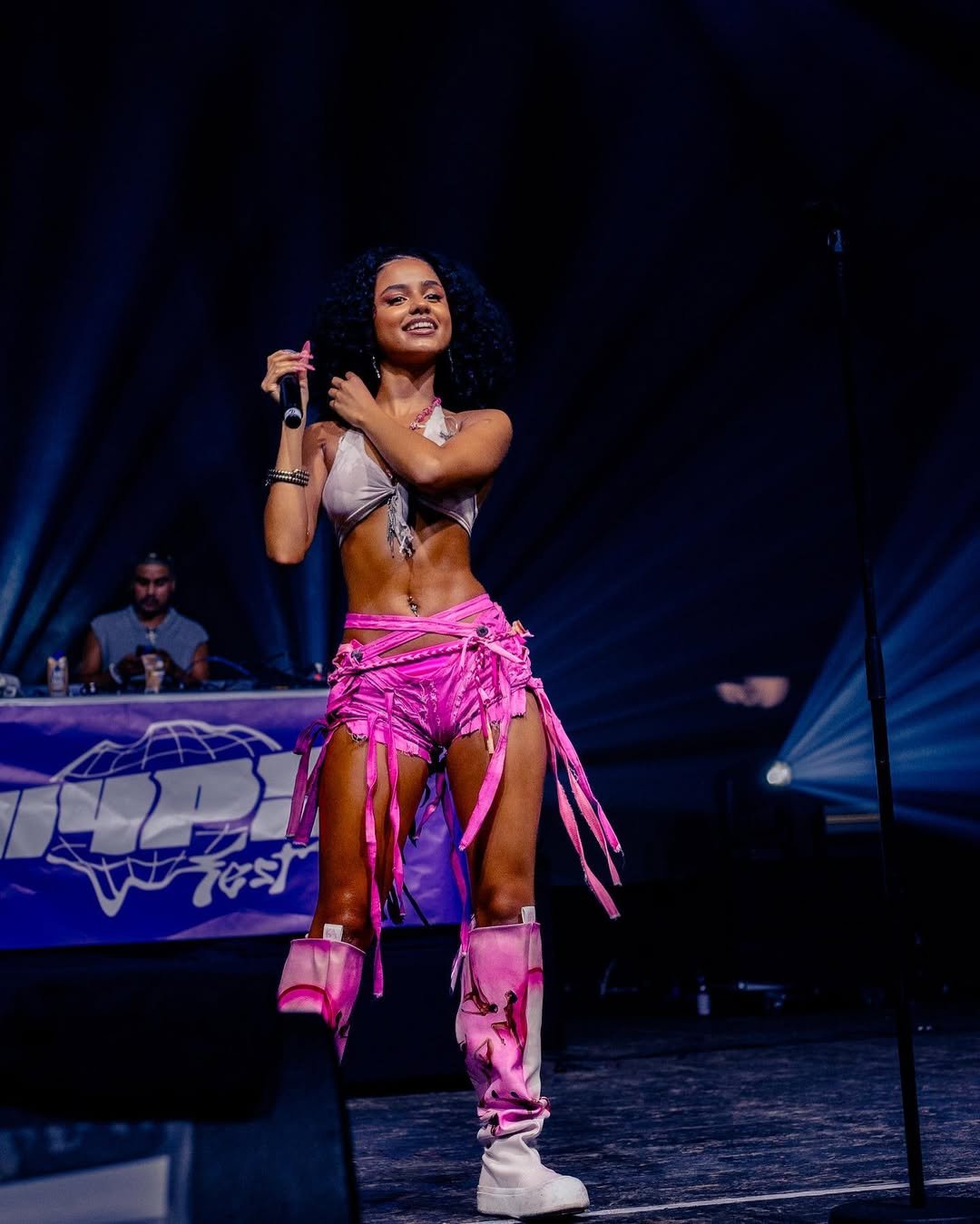
Tyla is one of the new generation artists performing on the global stage. Her breakout hit ‘Water’ became a global phenomenon, introducing millions to her blend of pop, Amapiano, and R&B. She performed at Coachella in 2025, and she will join Wizkid and Asake to headline Afro Nation Portugal 2026. Tyla’s growing presence on international stages reflects the increasing appetite for African artists who can move seamlessly between mainstream global pop culture and African sonic identity.
Black Coffee
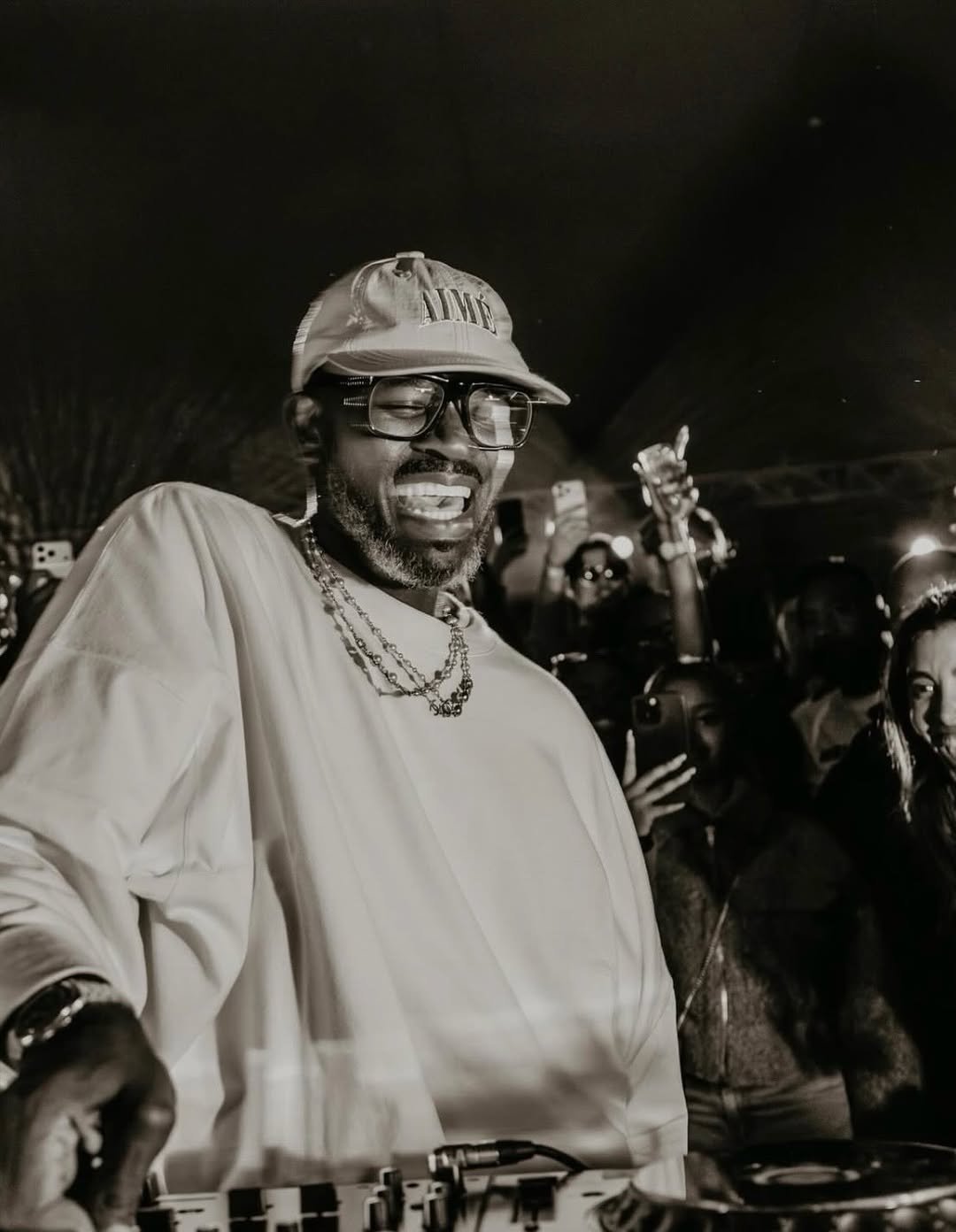
South African DJ and producer Black Coffee has built an international presence through dance music. Known for pioneering Afro-house, he has headlined Madison Square Garden and performed at Coachella and Tomorrowland. His appearances at major festivals and global club events helped establish African electronic music within international nightlife and festival culture.
Amaarae
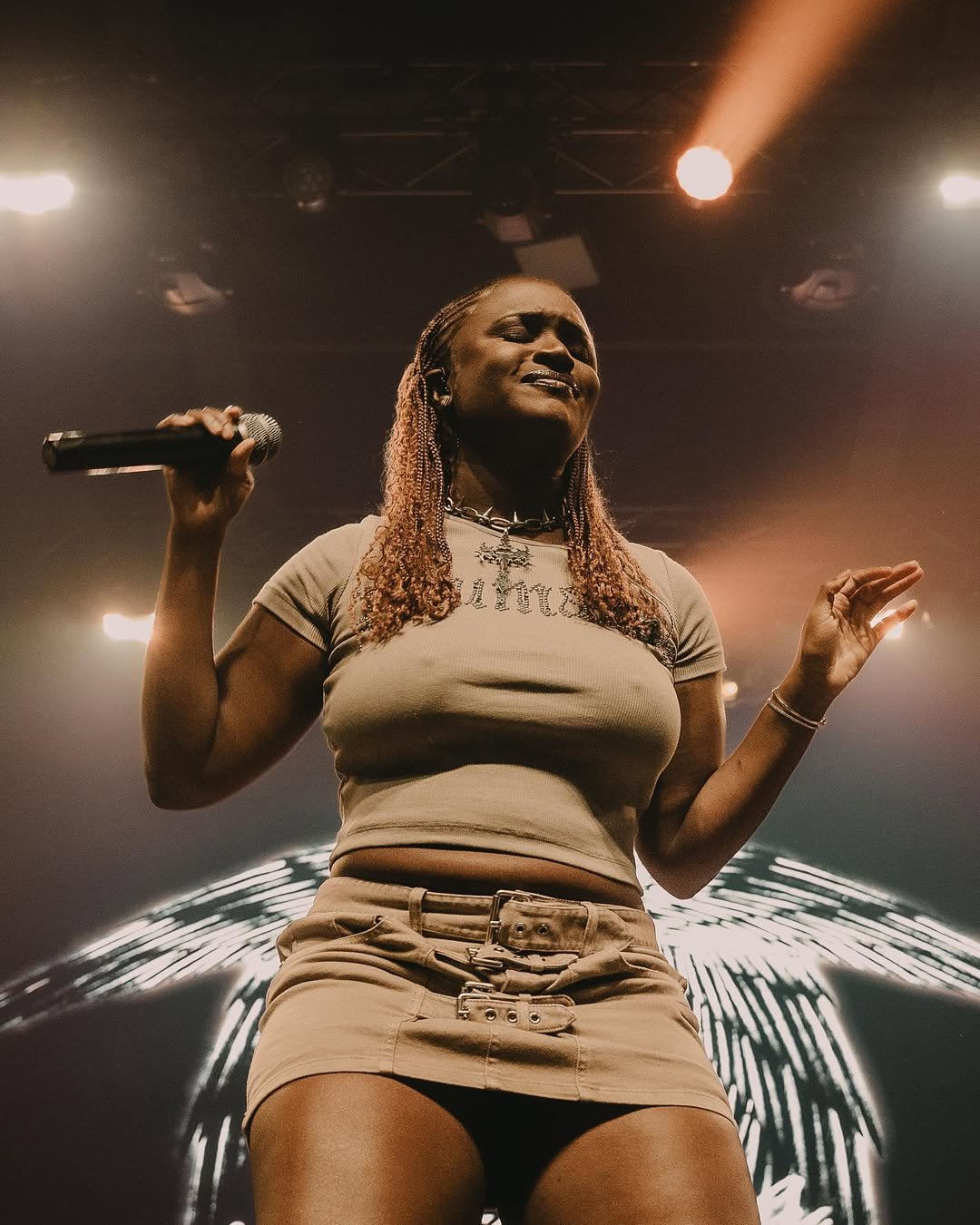
Amaarae’s experimental sound and genre-fluid approach have made her a standout on alternative festival lineups. She represents a newer wave of African artists who are expanding perceptions of what African music can sound and look like globally. She made history in 2025 as the first Ghanaian artist to perform at the Coachella Valley Music and Arts Festival. She has also performed at Glastonbury, Governors Ball, Lollapalooza, and AfroNation.
More Than Representation
The presence of African artists at global festivals is often framed as representation, but the conversation has moved beyond that. These artists are not simply being included to diversify lineups. They are drawing crowds, generating online engagement, and shaping the energy of festivals themselves.
Afrobeats sets are one of the most talked-about moments online, while Amapiano and Afro-house sounds continue to dominate dance spaces internationally. This influence is changing the structure of festivals, forcing organizers to pay closer attention to African audiences and sounds.
African Music as a Global Live Experience
One of the reasons African artists thrive at festivals is because the music translates exceptionally well in live settings. The rhythms are communal, energetic, and movement-driven. Whether it’s Afrobeats, Amapiano, Afro-house, or Bongo Flava, the music naturally creates participation. That energy has become one of African music’s greatest strengths internationally.
The Next Phase
As African artists continue to headline global festivals, the conversation is beginning to shift from visibility to influence. The question is no longer whether African music belongs on these stages. It’s how much it will shape the future of global festival culture moving forward. Because some of the biggest moments at international festivals are being created by African artists.