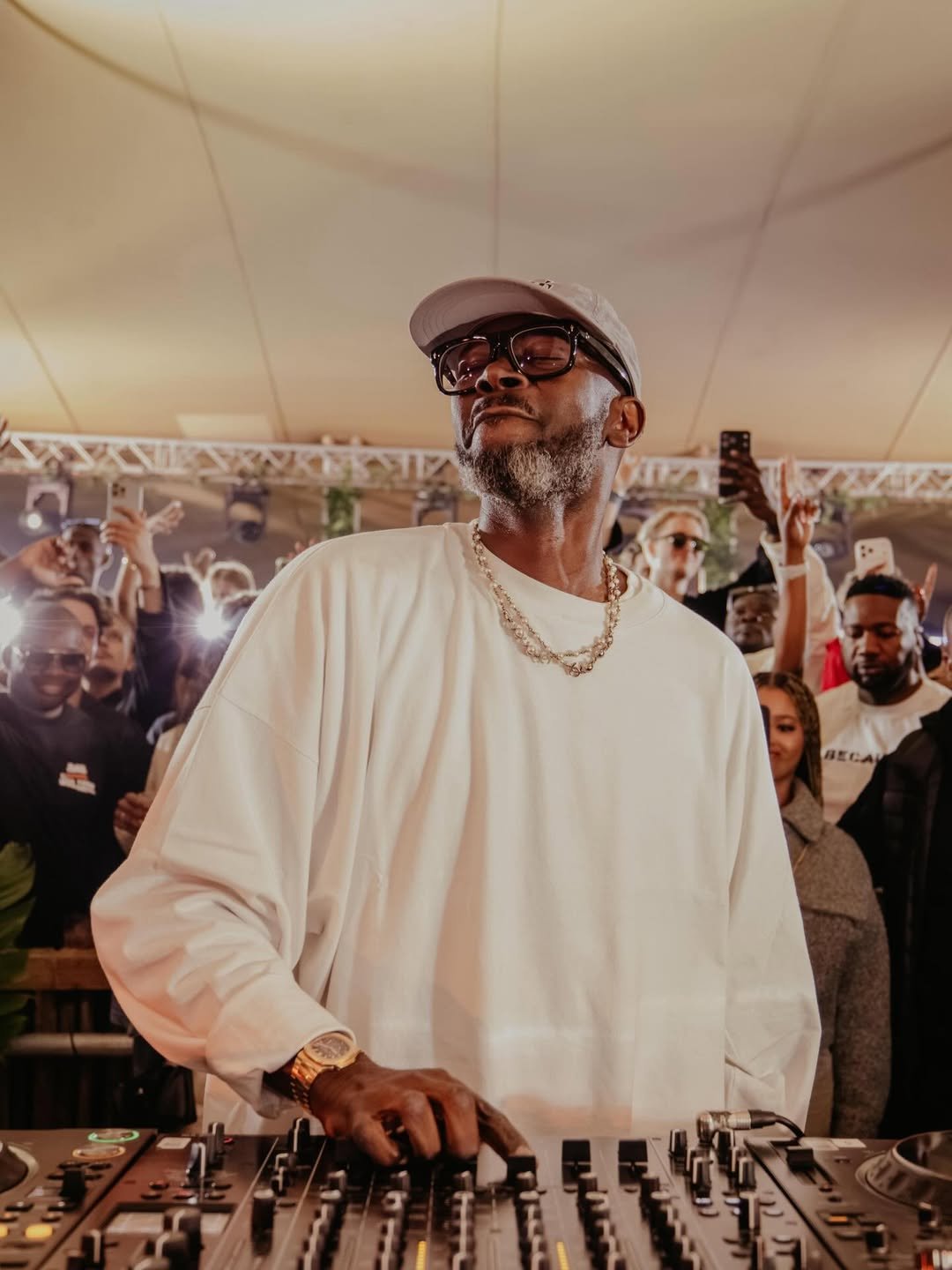
Afro-house is experiencing a remarkable global rise, steadily outpacing many traditional dance genres as listeners move toward more rhythmic, emotionally immersive sounds. The genre has created a sound that is both deeply communal and globally accessible blending the familiar structure of house music with rich African percussion, soulful melodies, and hypnotic vocal chants.
Originating in Johannesburg’s underground clubs, Afro-house has ascended from the local scene to become one of the most potent forces in contemporary global nightlife culture, with a presence on the stages of luxury beach parties in Ibiza and festivals across Europe.
What makes Afro-house particularly interesting is that its rise has not followed the loud, explosive path of mainstream EDM (Electronic Dance Music). Instead, it has expanded gradually through DJs, underground communities, and a growing global appetite for rhythm-driven music that feels immersive rather than overwhelming. In many ways, that slower rise may be exactly why it’s outpacing other dance genres today.
A Different Kind of Energy
One of Afro-house’s biggest strengths is emotional depth. Unlike many commercial dance genres built around dramatic drops and high-intensity production, Afro-house prioritizes groove, atmosphere, and rhythm. The music unfolds gradually, creating a hypnotic experience that feels more connected to movement and mood than spectacle.
Tracks by artists like Black Coffee and Culoe De Song often blend soulful melodies with layered percussion, producing sets that feel immersive rather than purely energetic. That balance has helped Afro-house appeal to audiences looking for something deeper than traditional festival EDM.
The Global Club Shift
Nightlife culture itself has changed. Across major cities, there has been a noticeable shift away from overly commercial dance sounds toward music that feels more rhythmic, atmospheric, and culturally textured. Afro-house fits perfectly within that transition.
In clubs across Ibiza, London, and Dubai, Afro-house has become increasingly dominant—not only because of the music itself but also because of the kind of environment it creates.
The genre feels sophisticated without losing its physical energy. It works in intimate lounges, beach clubs, and large festivals. That flexibility has allowed it to travel across nightlife scenes in ways many dance genres struggle to achieve.
The DJs Driving the Movement
Afro-house’s rise has been powered heavily by DJs who understand both musical storytelling and cultural identity.
Black Coffee
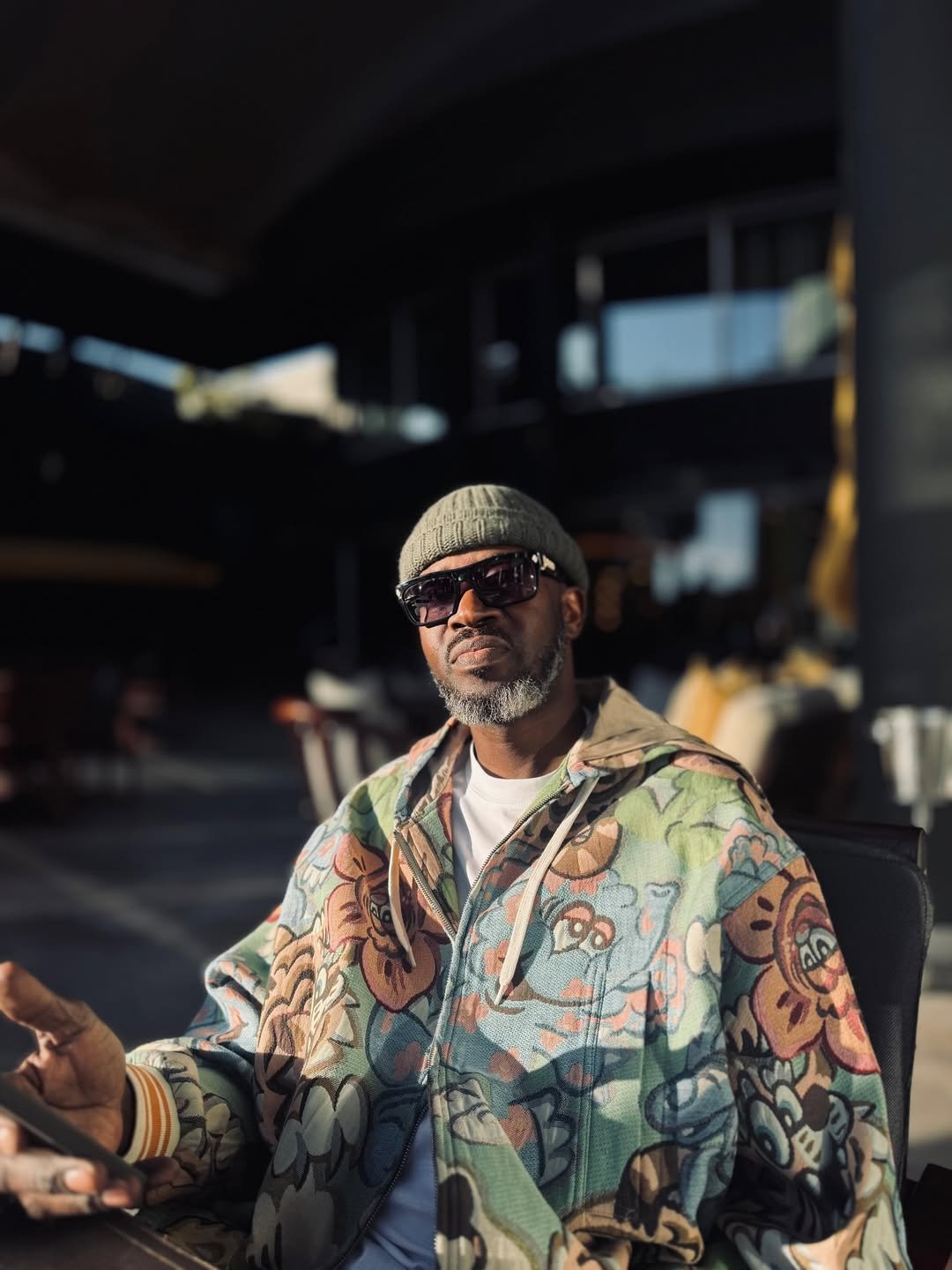
Few artists have done more to globalize Afro-house than Black Coffee. Through international residencies, festival appearances, and collaborations, he helped introduce global audiences to Afro-house. His success proved that African electronic music could exist at the highest levels of global nightlife without abandoning its identity.
Shimza

Shimza represents a newer generation of Afro-house DJs expanding the genre’s reach even further. Known for emotionally driven sets and polished production, he has become a regular presence on major international stages while continuing to maintain strong ties to South Africa’s dance scene.
Caiiro
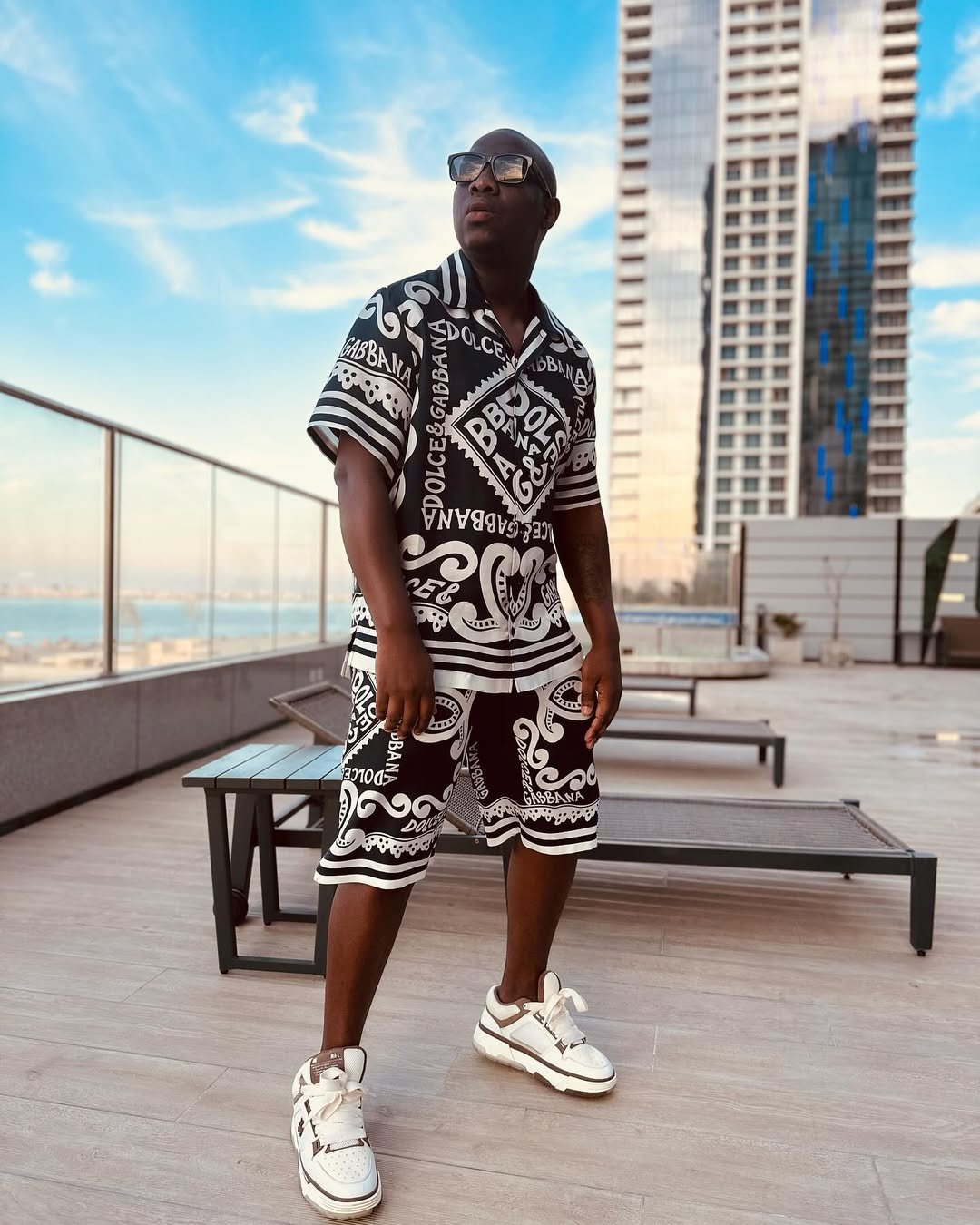
Caiiro’s work reflects the spiritual and atmospheric side of Afro-house. His productions lean heavily into layered percussion and melodic progression, helping reinforce the genre’s reputation for depth and emotional resonance.
Why Afro-House Feels More Sustainable
Afro-house is doing well globally because it doesn’t fall into the burnout cycle that many dance genres go through. Much of EDM’s most successful years were fueled by massive drops, explosive visuals, and high-octane festival experiences.
Afro-house has something else to offer. It favors rhythm over shock value and immersion over intensity. The music is timeless rather than trend-dependent. That gives it stronger long-term staying power.
African Influence in Global Nightlife
The rise of Afro-house also hints at a shift in the way African music is viewed around the world. For years, African influence in dance music was often uncredited or treated as secondary inspiration.
Today, African DJs and producers are now positioned at the center of global nightlife conversations. Afro-house has created space for African electronic music to be recognized not just as a regional sound but as a powerful force shaping international club culture itself.
More Than a Trend
What separates Afro-house from many fast-moving dance trends is cultural grounding.
The genre carries deep connections to African rhythm, spirituality, and communal movement. Even as it evolves globally, that core remains intact. Rather than losing its identity through international expansion, Afro-house has become stronger because of it.
Afro-house Growth isn’t Temporary
With the evolution of global dance music, Afro-house looks set to become even more influential. The sound is being explored by more artists and adopted by more festivals, and audiences are looking for dance experiences that are emotionally engaging rather than purely commercial.
The genre’s growth no longer feels temporary. Afro-house is no longer just a part of the global club scene; it is actively changing it. And dance floors around the world are increasingly moving to its beat.