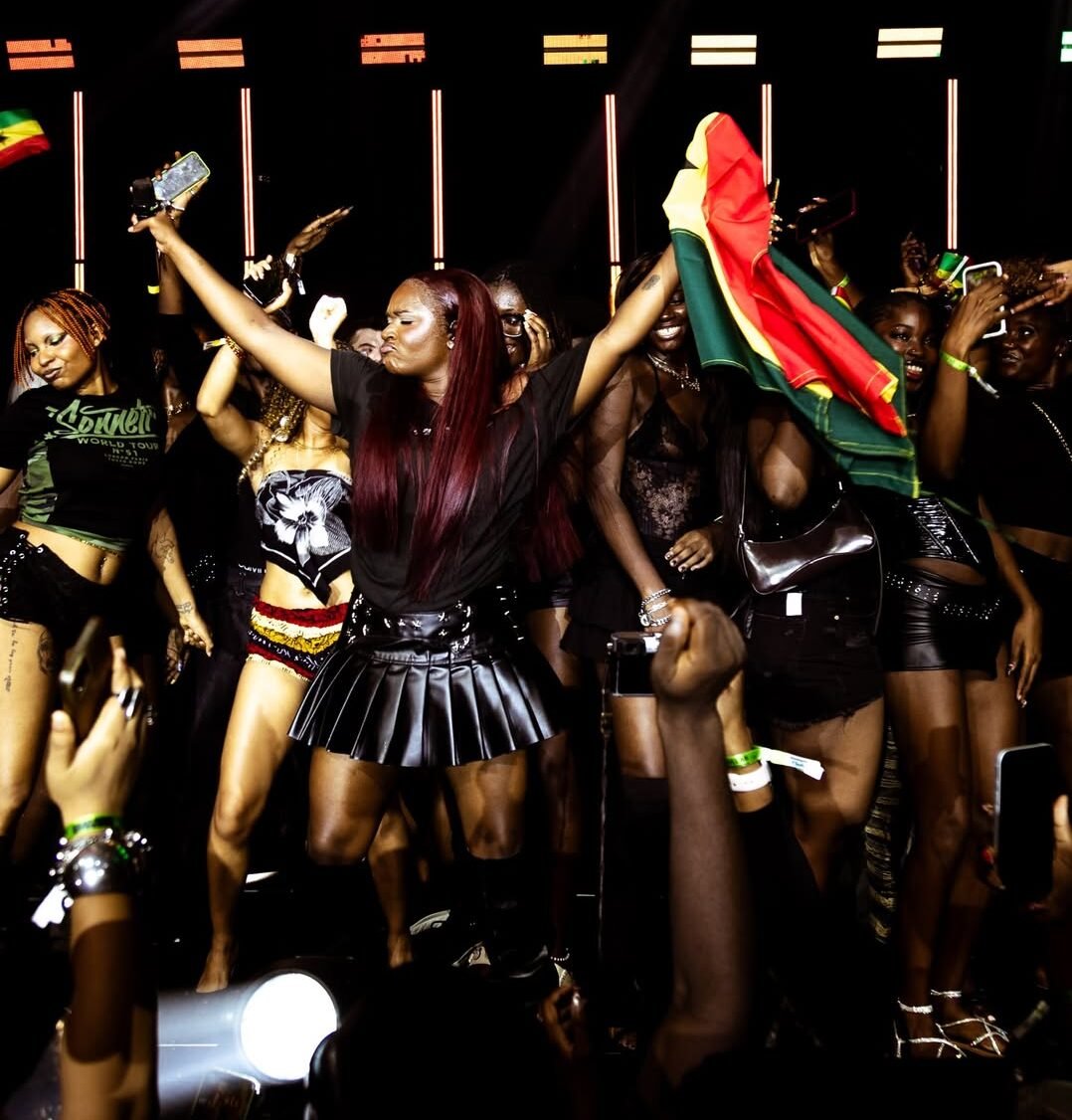
Beneath the mainstream success of Afrobeats and Amapiano, Africa’s alternative music scene is bubbling up. Across cities, young artists are experimenting with genre fusion, underground nightlife, indie production, and emotionally unconventional music that does not fit into commercial expectations. Alternative music isn’t just about streaming numbers; it thrives on live shows, online communities, and audiences looking for sounds that feel more personal and less algorithmic. Some African cities are becoming cultural hubs for the movement, changing the soundscape of the continent.
The Alté Movement
Alté, short for ‘alternative,’ started as a rebellious response to mainstream pop culture. Rather than following the traditional commercial way, the movement embraced individuality, experimentation, and creative freedom. Alté combines hip-hop, alternative R&B, neo-soul, dancehall, indie music, and electronic production to create a musical sound that doesn’t feel confined to one genre.
But Alté was never just about music; it became a cultural identity built around fashion, visual aesthetics, internet culture, photography, and self-expression. Artists associated with the movement challenged traditional ideas of what African artists were supposed to sound or look like, with eccentric styling, emotional vulnerability, and genre-defying creativity.
5 African Cities Powering Alternative Music
Here are five African cities quietly powering the continent’s alternative music movement right now:
Lagos
Apart from being the most commercially influential music city in Africa, Lagos has also become one of the continent’s most important alternative creative hubs. Nigeria’s alté movement has helped make Lagos a global hub for alternative African creativity. Artists like Tems, Cruel Santino, Odunsi (The Engine), and Lady Donli helped build a scene where genre experimentation is culturally valuable, not commercially risky. But Lagos’ alternative energy isn’t only in the music itself. The city’s creative identity is fed by fashion, photography, nightlife, and internet aesthetics.
Accra
Accra has become known for artists who blend Afro-fusion, alternative R&B, experimental rap, and diasporic influences into music that feels globally aware while remaining culturally grounded. Accra’s creative spaces also benefit from strong overlaps between music, fashion, photography, and art direction. The rise of artists like Amaarae helped place Accra at the center of conversations around alternative African pop culture internationally. Her success demonstrated that African artists could embrace unconventional sounds and internet-driven identity without losing their cultural connection. Events, creative collectives, and nightlife spaces continue fueling Accra’s growing reputation as one of Africa’s coolest alternative cultural capitals.
Nairobi
Nairobi’s alternative scene thrives through musical fluidity. The city has developed a reputation for artists who move effortlessly between Afro-fusion, neo-soul, electronic music, indie rap, and experimental R&B without strict genre limitations. Nairobi’s creative scene often feels emotionally introspective, visually intentional, and community-driven. Musicians such as Sauti Sol, Karun, and Muthoni Drummer Queen shaped a generation of East African artists comfortable creating outside traditional commercial formulas. Nairobi’s growth has also been fueled by intimate live events, creative festivals, independent art spaces, and younger audiences with an increasing appetite for genre experimentation. The city’s alternative culture feels deeply connected to storytelling, identity, and artistic freedom.
Johannesburg
Johannesburg’s alternative music culture exists within one of Africa’s richest nightlife spaces. The city’s underground scenes stretch across Afro-house, electronic music, experimental hip-hop, jazz fusion, and alternative amapiano. Johannesburg artists and DJs often push sonic boundaries aggressively, creating sounds that later influence mainstream African music trends. Its nightlife culture plays a major role in this evolution. Underground clubs, art spaces, and independent festivals create environments where experimentation feels natural rather than commercialized. Artists and creatives connected to Johannesburg’s scene often prioritize atmosphere, emotion, and community over viral visibility. That freedom has made the city one of Africa’s most important spaces for musical innovation.
Abidjan
The city blends coupé-décalé energy with alternative rap, Afro-electronic experimentation, Francophone R&B, and younger internet-driven sounds that reflect both local identity and global influence. Abidjan’s creative evolution also reflects the increasing globalization of Francophone African youth culture. Fashion, nightlife, dance, and digital aesthetics play a major role in shaping the city’s alternative identity. Artists emerging from Abidjan often move between traditional African rhythms and contemporary global sounds, helping position the city as one of the most exciting creative spaces in Francophone Africa today.
Why Alternative Scenes Matter
Alternative music scenes often influence culture before the mainstream catches up. They create spaces where artists experiment freely, challenge industry expectations, and build communities rooted in creativity rather than commercial pressure. Many sounds that eventually dominate mainstream African music begin inside smaller underground scenes first.
The Future of African Cool
One of the most exciting things about Africa’s alternative music movement is that it no longer feels isolated. Through social media, streaming platforms, fashion collaborations, and digital communities, these cities are increasingly connected to one another. Artists collaborate across borders more easily, audiences discover scenes faster, and underground sounds now travel globally at unprecedented speed. As African music evolves internationally, many of the continent’s most interesting creative ideas may not come from the mainstream first. They may come from the underground spaces quietly shaping what African cool looks and sounds like next.