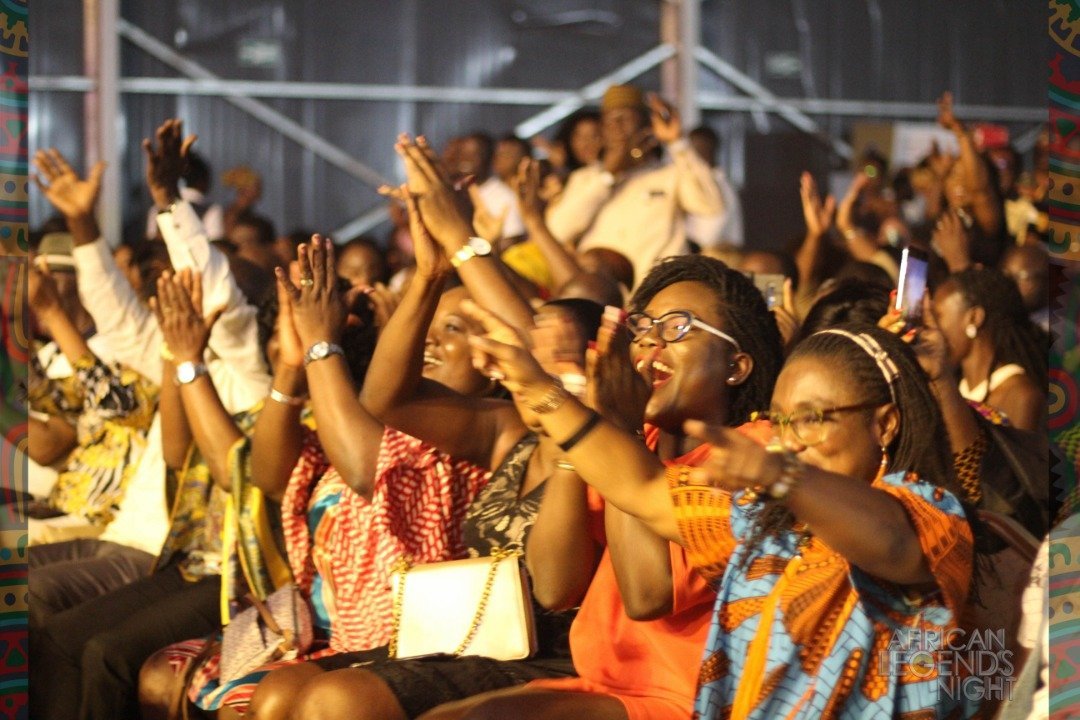
Music fandom has changed significantly with the digital era. Success is now defined not just by the music itself but by the level of audience support for the artists. Fan culture has become so much more than casual listening. Streaming parties, online fan wars, coordinated chart campaigns, and social media loyalty have turned fans into digital street teams. This raises a critical question about whether fans continue to listen because they genuinely love the music or are simply loyal to the artist.
The Rise of Stan Culture in African Music
The way fans supported artists before was by buying albums, attending shows, and requesting songs on the radio. But social media changed the relationship between artists and audiences entirely. Platforms like X, Instagram, and TikTok turned artists into visible personalities rather than distant celebrities. Fans now follow not only the music, but also the singer’s relationships, fashion choices, opinions, and daily lifestyle moments. This created stronger emotional attachment. The music itself is sometimes only part of what fans are defending.
Streaming Numbers Became Social Currency
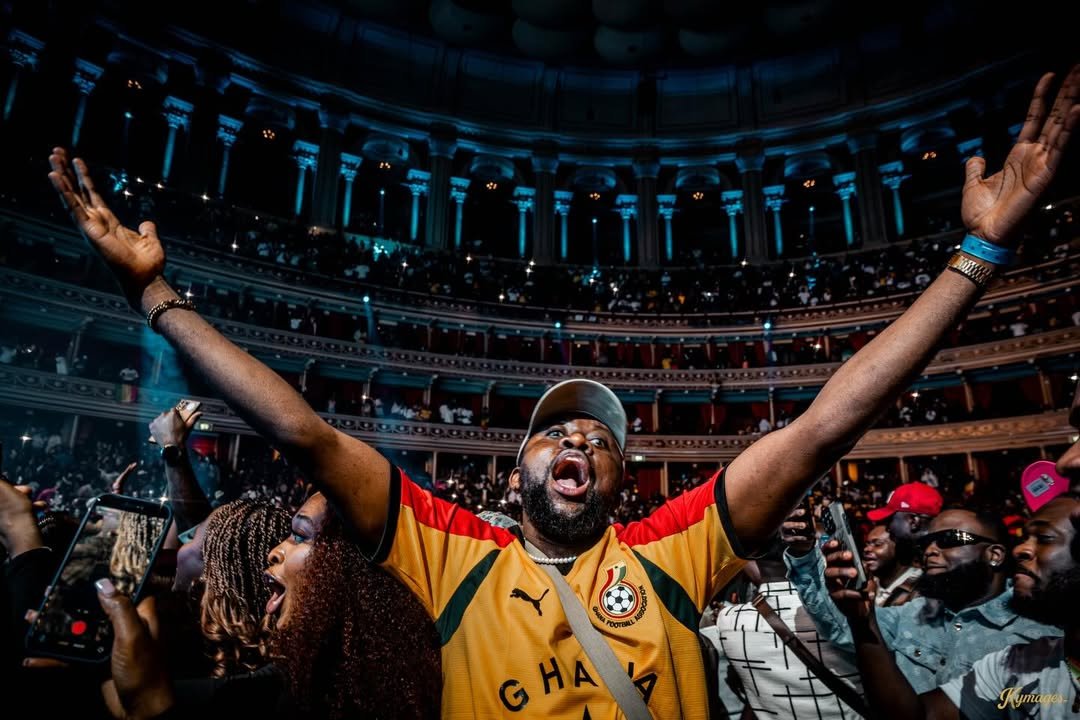
One of the biggest shifts in modern music culture is the public visibility of metrics like streams, YouTube views, and Spotify rankings. Fans now track these numbers obsessively; they celebrate the milestones publicly and use them as proof of dominance. This changed listening behavior with fans replaying albums continuously to increase numbers. There are cases where fan pages also organize streaming parties, turning new releases into competitive events where audiences work together to push artists higher on charts. For many fans, streaming has become less about personal enjoyment and more about support.
When Loyalty Outweighs Criticism
A noticeable effect of stan culture is that honest criticism has become more difficult. Albums are now often judged within hours through fan excitement rather than long-term reflection. Fans rush to defend projects before broader conversations even develop. Critics who give balanced or negative reviews sometimes face online backlash from highly protective fan communities. This creates an environment where popularity and quality are increasingly blurred. A heavily streamed album may not necessarily be deeply loved musically. Sometimes it simply shows the organizational strength of a fanbase.
Fan Loyalty Isn’t Entirely New
Loyalty has always existed in music. The difference now is scale and visibility. Digital platforms allow fan behavior to become measurable in real time. Every stream, repost, trend, and chart update becomes public evidence of support. The internet intensified fandom rather than inventing it, and many artists genuinely earn deep loyalty through consistency, emotional connection, and cultural impact.
The Music Still Matters
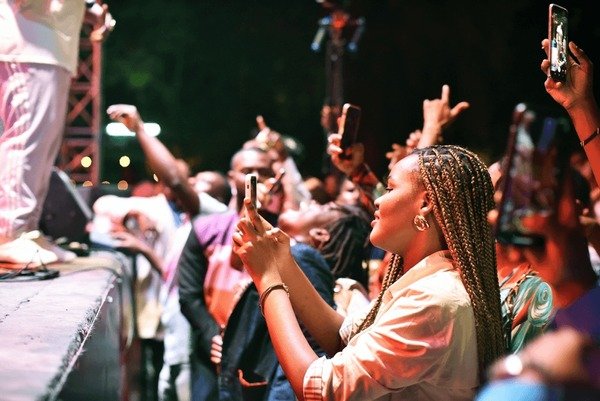
Despite concerns around stan culture, great music still breaks through. Songs that resonate emotionally, culturally, and socially continue to travel beyond core fanbases. That is why a song like ‘Calm Down’ by Rema expanded globally beyond loyal fan communities. Truly impactful music eventually reaches casual listeners, clubs, weddings, social media trends, and everyday life outside stan culture bubbles. Fanbases may accelerate visibility, but lasting cultural impact still depends heavily on the music itself.
The New Reality of Music Consumption
The truth is that modern music listening is no longer purely about music. It is about identity, internet culture, emotional connection, community, visibility, and participation. Fans are not only consuming songs anymore; they are participating in narratives around artists themselves. That does not mean people no longer care about quality. But it does mean loyalty now plays a big role in how music succeeds publicly. In the streaming era, fandom itself became part of the industry infrastructure.
Final Thought
African music is experiencing a moment of unprecedented global attention, and fan culture has played a major role in that growth. Loyal supporters help artists dominate charts, sustain visibility, and compete internationally in ways that once seemed impossible. But the rise of stan culture also raises important questions about how music is being judged in the digital age. Are audiences connecting deeply with songs or just standing behind the artist who sang them? The reality suggests both factors are at play.