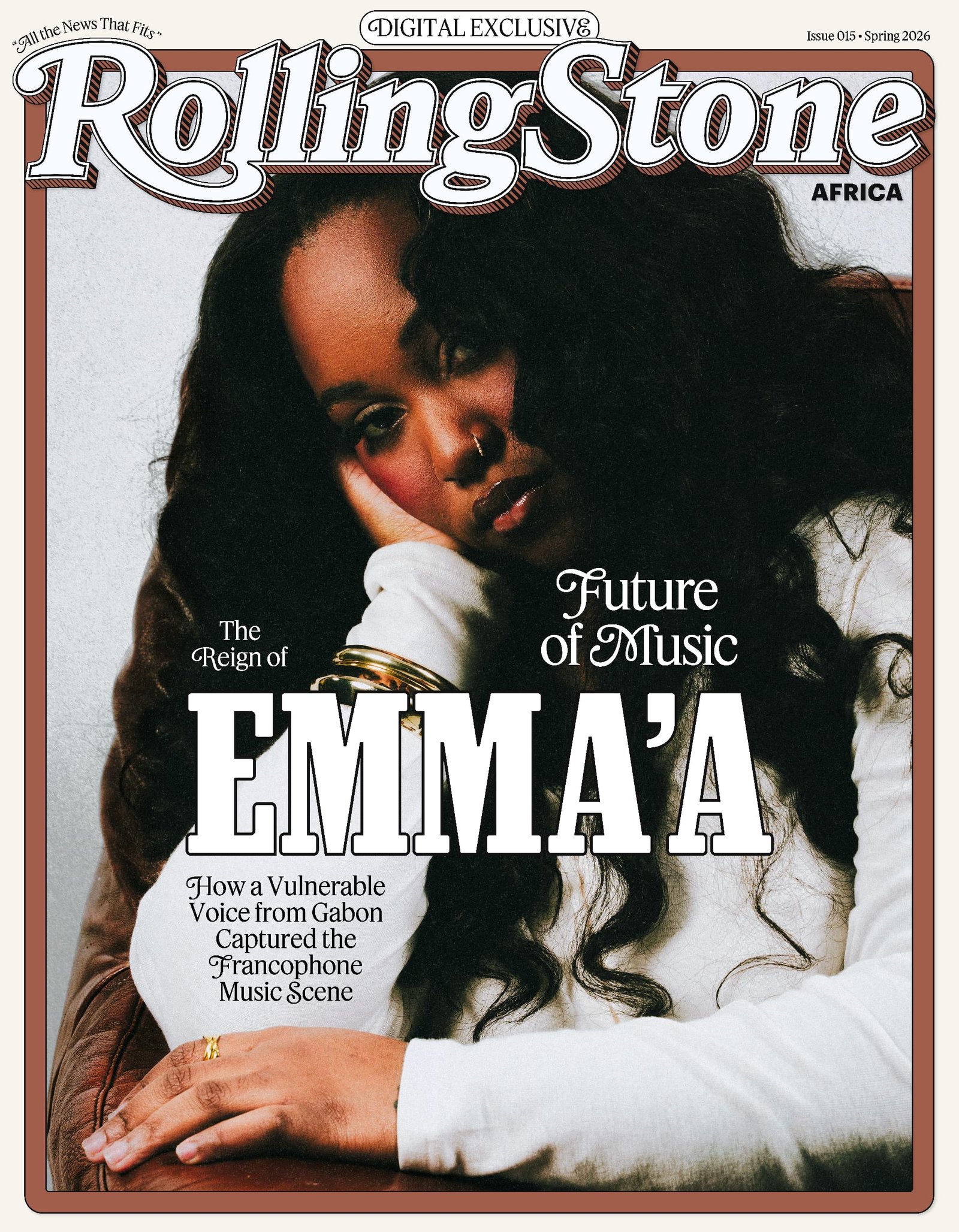
Born Emmanuella Issembe in Libreville, Gabon, in 2003, Emma’a is one of the most promising new voices in Francophone African R&B. Her voice draws listeners inward through vulnerability, softness, and emotional precision. This intimacy became central to her rise. At a time when African music continues expanding globally through high-energy sounds and club-driven momentum, Emma’a came with a style rooted in feeling first.
That approach resonated strongly with younger audiences across Francophone Africa and beyond, positioning her as one of the most compelling singers from Gabon. Her growing popularity opened the doors to Sony Music Entertainment Africa, marking a significant step in her professional journey and expanding her reach beyond Gabon’s borders. In 2022, she released her debut EP “Encré”, which introduced her artistic identity to a wider audience. The EP featured standout tracks such as “Grand Bandit” and “Encré.”
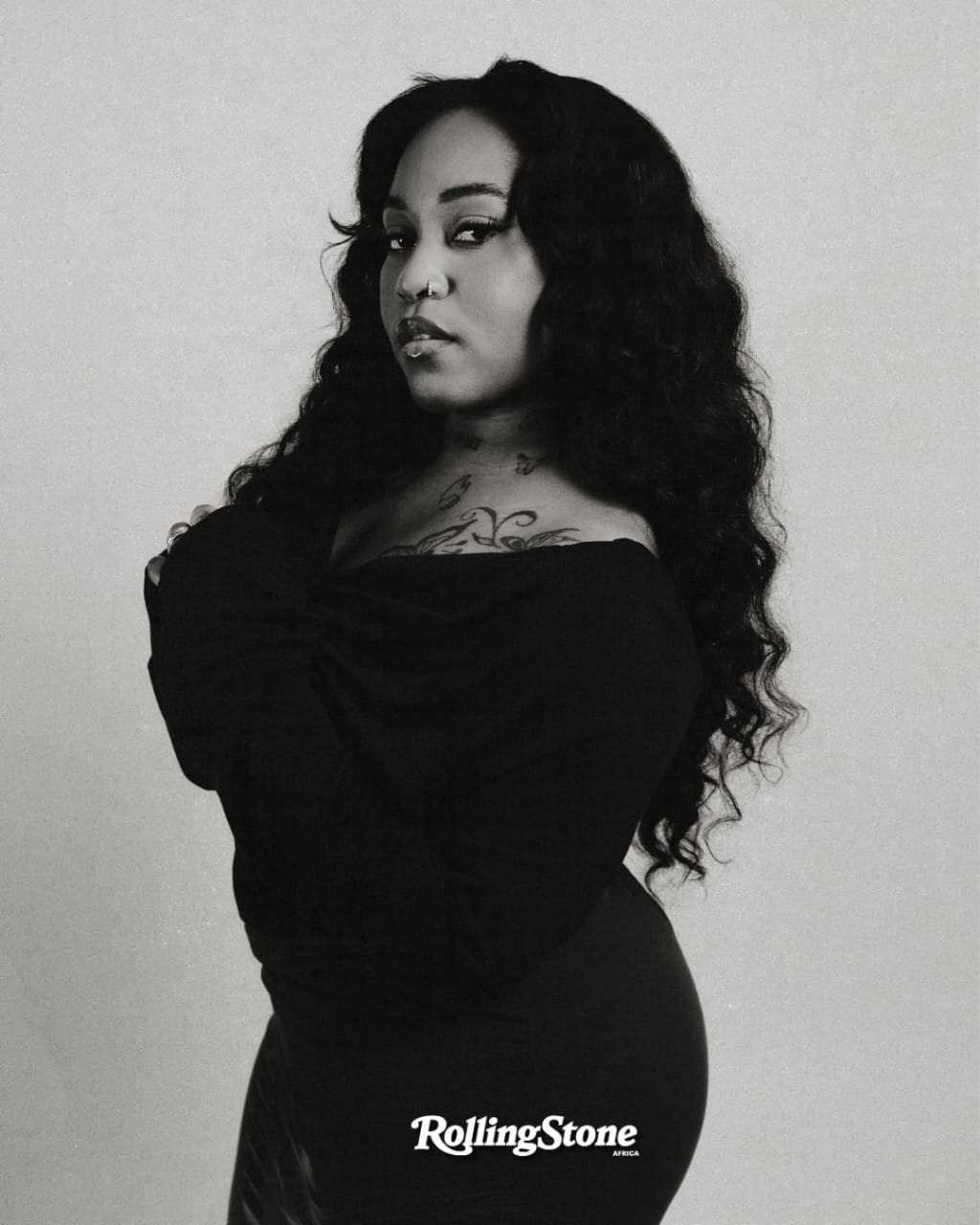
“Encré” gained additional international attention through a remix by renowned French DJ Bob Sinclar, helping to solidify Emma’a as a rising force within contemporary African R&B, particularly within Francophone markets where her sound found immediate cultural resonance. Her breakthrough moment came when “Encré” began crossing borders, ultimately earning certification in France and signalling her arrival on the international stage.
What followed was a rapid expansion of her audience, fueled by live performances and viral traction that extended her reach far beyond Gabon. Emma’a’s ascent is more than individual success. Gabon is historically underrepresented in broader conversations about African music internationally, compared to Nigeria, South Africa, and Francophone West Africa. Yet Emma’a belongs to a new generation of Central African artists quietly reshaping those boundaries while building audiences far beyond their home countries.
Being one of the 2026 cover stars of Rolling Stone Africa’s Future of Music series, Emma’a reflects on emotional honesty, artistic evolution, global ambition, and what it means to carry both vulnerability and expectation at the same time.
RSA: Your song “Encré” marked a turning point in your career and even earned a certification in France. When did you realize your music had gone beyond Gabon’s borders?
Emma’a:
My song Encré marked a turning point in my career and even earned a certification in France. I realized my music had gone beyond Gabon’s borders when I performed it at Quai 54. I remember being extremely nervous and scared, thinking that nobody would know the song. But to my surprise, as soon as I started singing, I saw people’s faces light up, and it gave me so much confidence because they were singing along.
RSA: You represent a new generation of Central African artists. Is that a source of pressure or strength for you today?
Emma’a:
Representing the new generation of Central African artists is both a source of pressure and strength at the same time.
RSA: Your music is very emotional and introspective. Where does the sincerity that runs through your songs come from?
Emma’a:
My music is very emotional and introspective. I think that sensitivity comes from the fact that I’m someone who loves love and has a lot of love to give.
RSA: Gabon remains relatively underrepresented on the international music scene. How are you building your place within this global ecosystem?
Emma’a:
Gabon is still quite discreet on the international music scene. As for me, I’m moving forward slowly but surely, doing my part and trying to leave a mark on my generation and my era.
RSA: You’ve been recognized at several major African award ceremonies. How do those accolades influence the way you create music?
Emma’a:
Being recognized at several major African award ceremonies proves that I am being heard and seen, and that my work is being recognized. It’s incredibly rewarding.
RSA: Today, your audience extends beyond French-speaking countries. How do you approach connecting with a more global audience?
Emma’a:
I think every artist wants to reach as many people as possible through their music, whether they are English speakers, French speakers, or even people who don’t speak the artist’s language at all. The fact that people can feel your music without necessarily understanding the lyrics is something incredible—something only an artist can truly understand. It brings a great sense of gratitude and pride.
RSA: Your music moves between local identity and international ambition. How do you find that balance?
Emma’a:
I think the balance between local identity and international ambition works well in my music because there’s this middle ground that allows it to resonate with everyone.
RSA: Do you feel that the public expects something different from you today compared to your early successes?
Emma’a:
Today, I wouldn’t say the expectations are different, but I would like my audience to grow alongside me. People often want the same thing over and over again, and when you step outside of what they’re used to, it can either work or fail completely. I’d like them to evolve with me, accept that evolution, understand it, and feel it.
RSA: When you write songs, do you think about your audience, or does everything stem from your personal experiences?
Emma’a:
When I write, most of it comes from my emotions. But there are also moments when I think about my audience and the people who listen to my music.
RSA: What is the riskiest artistic decision you’ve made recently?
Emma’a:
The riskiest artistic decision I’ve made recently was exploring a style of music I wasn’t used to making—a Bouyon track (La Meilleure featuring Rsko).
RSA: You operate within an industry that remains highly centralized. What are the specific challenges facing a Gabonese artist today?
Emma’a:
One of the biggest challenges for a Gabonese artist today is creating music that appeals not only to the Gabonese audience but also to the rest of the world. There’s always that concern of not wanting to lose your identity because you wonder whether your Gabonese audience will continue to follow you. That concern definitely exists.
RSA: Which artists, in Africa or elsewhere, are currently influencing your musical evolution?
Emma’a:
I couldn’t name just one artist because I listen to so many different artists at the same time. There are many who inspire me, including Tems and Wizkid.
RSA: Beyond the hits, what do you hope people will remember about you over time?
Emma’a:
Beyond the hits, I hope people will remember that I was an artist who dared to live her dreams, dared to make the music she loved, dared to simply exist, and ultimately left a mark on her time.
RSA: If you had to define your next artistic chapter in one word or one vision, what would it be?
Emma’a:
Success.
RSA: In your view, what does the future of African music look like, and what role do you want to play in it?
Emma’a:
I believe African music will have an even greater impact around the world in the future, and I simply want to become the icon of my generation.
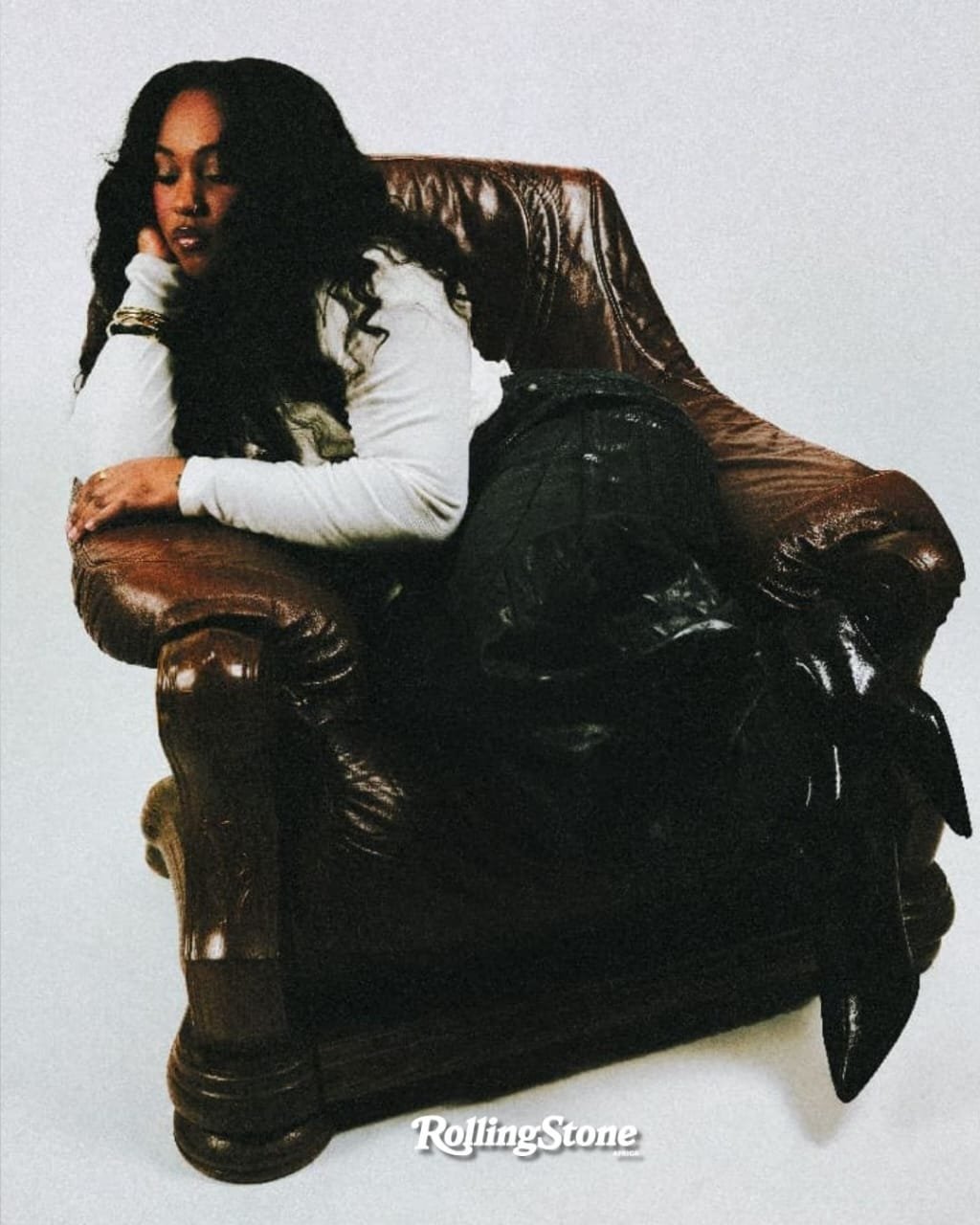
TEAM:
Editor-in-chief: Gwen Madiba
Photographer: Lucas Bonin
Graphic designer: Kael
Project manager: Karl Nzamba
Styliste: MOON
Maquillage: Nahlia makeup
Hair: Mirna