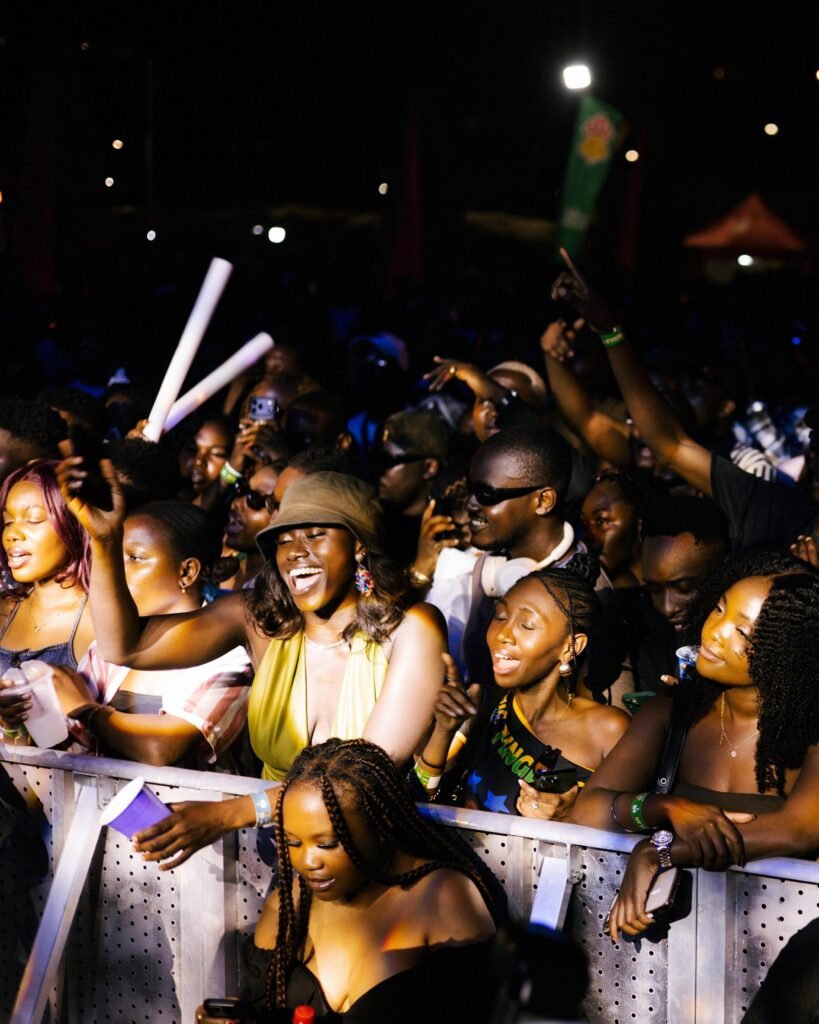
African music has never been more visible. Genres like Afrobeats and Amapiano have travelled to dance floors around the world. Artists from Nigeria, South Africa, Ghana, Tanzania and beyond are collaborating with international superstars and reaching audiences that previous generations could barely imagine.
This success, however, has brought some criticism. Some listeners argue that African music has become predictable. They point to similar drum patterns and recurring song structures. It is an understandable observation, but an incomplete one.

The problem is not that African music is becoming predictable. It is that many people mistake the continent’s most commercially visible music for the entirety of its creative output.
As genres such as Afrobeats evolved from a regional phenomenon into a global commercial force, producers and labels naturally began repeating the sounds that worked for chart success. This kind of thing isn’t common to Africa alone.
Commercial music has always rewarded familiarity. When a particular sound resonates with audiences, the industry responds by creating more of it. It is the same reason disco, trap, EDM and Latin pop each experienced periods when many of their biggest hits shared striking similarities.
That repetition says more about the economics of pop music than it does about the health of African creativity. Leaving that aside, the assumption that African music is becoming predictable often comes from listening only to its most commercially successful exports.
Streaming playlists, radio and algorithm-driven recommendations tend to favour songs that fit established listening habits. Naturally, those tracks become the soundtrack of public perception.
But beneath those playlists, Africa offers more. Across the continent, artists are dismantling genre boundaries with confidence. Alternative musicians in Lagos are blending soul, indie rock, electronic music and Yoruba influences into sounds that can’t be easily classified.
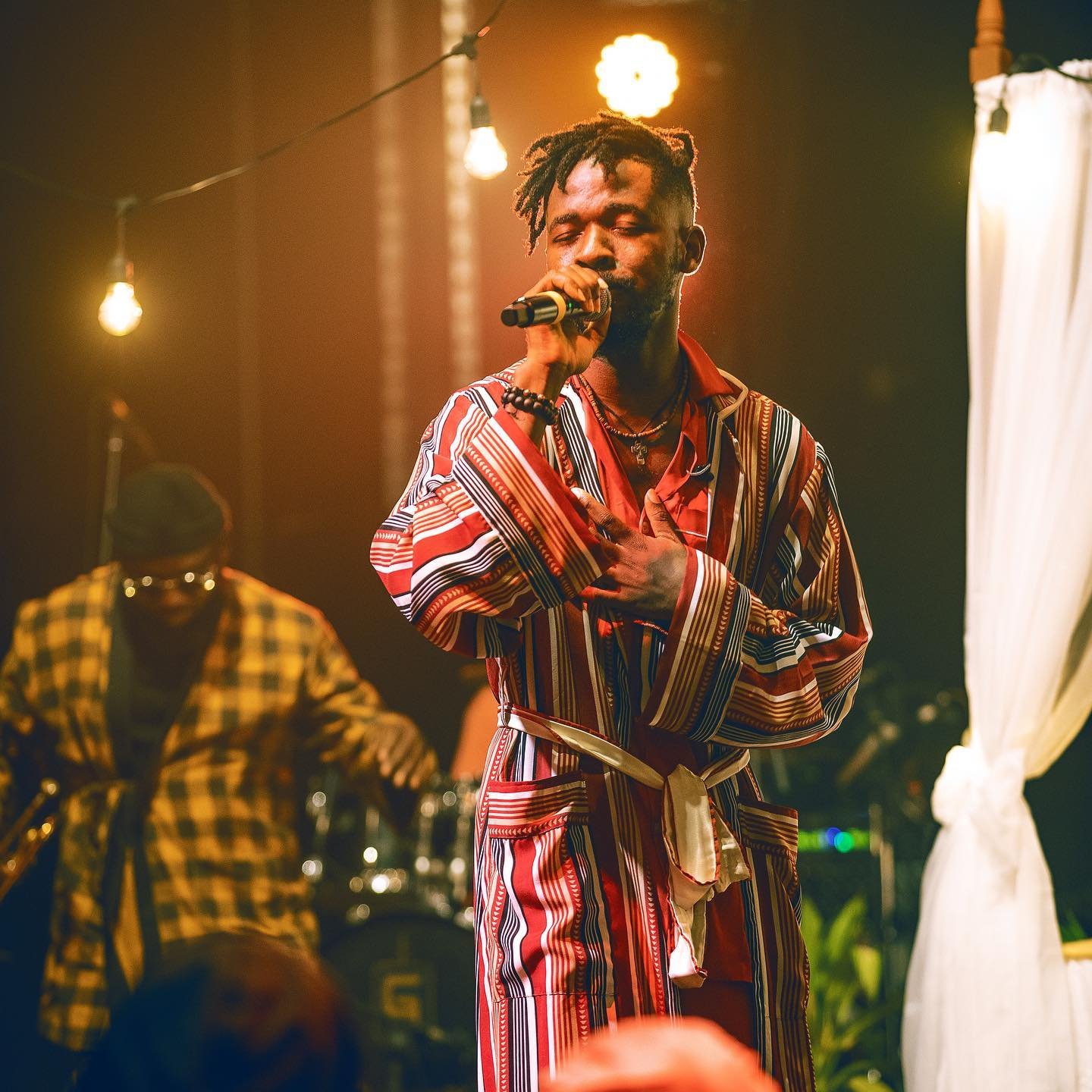
South African producers are also pushing Amapiano beyond its original framework, fusing it with jazz, Afro-house, hip-hop and electronic music. In Accra, you will see young artists moving effortlessly between drill, Highlife, Afropop and experimental R&B.
Then there are East African musicians who are reimagining Bongo Flava, Gengetone and Afro-fusion for a new digital generation. Francophone Africa is not failing to produce innovative music, although despite its artistic richness, it rarely receives the same international attention Anglophone Africa does.
The experimentation has not slowed; if anything, it has accelerated. It is just that the streaming era rewards familiarity more than innovation.
Recommendation algorithms suggest songs that resemble music listeners already enjoy while labels monitor streaming data closely, identifying sounds that consistently perform well.
For artists trying to build sustainable careers, the temptation to stay within proven formulas is understandable. Innovation carries a lot of risk, but familiarity, on the other hand, often delivers numbers.
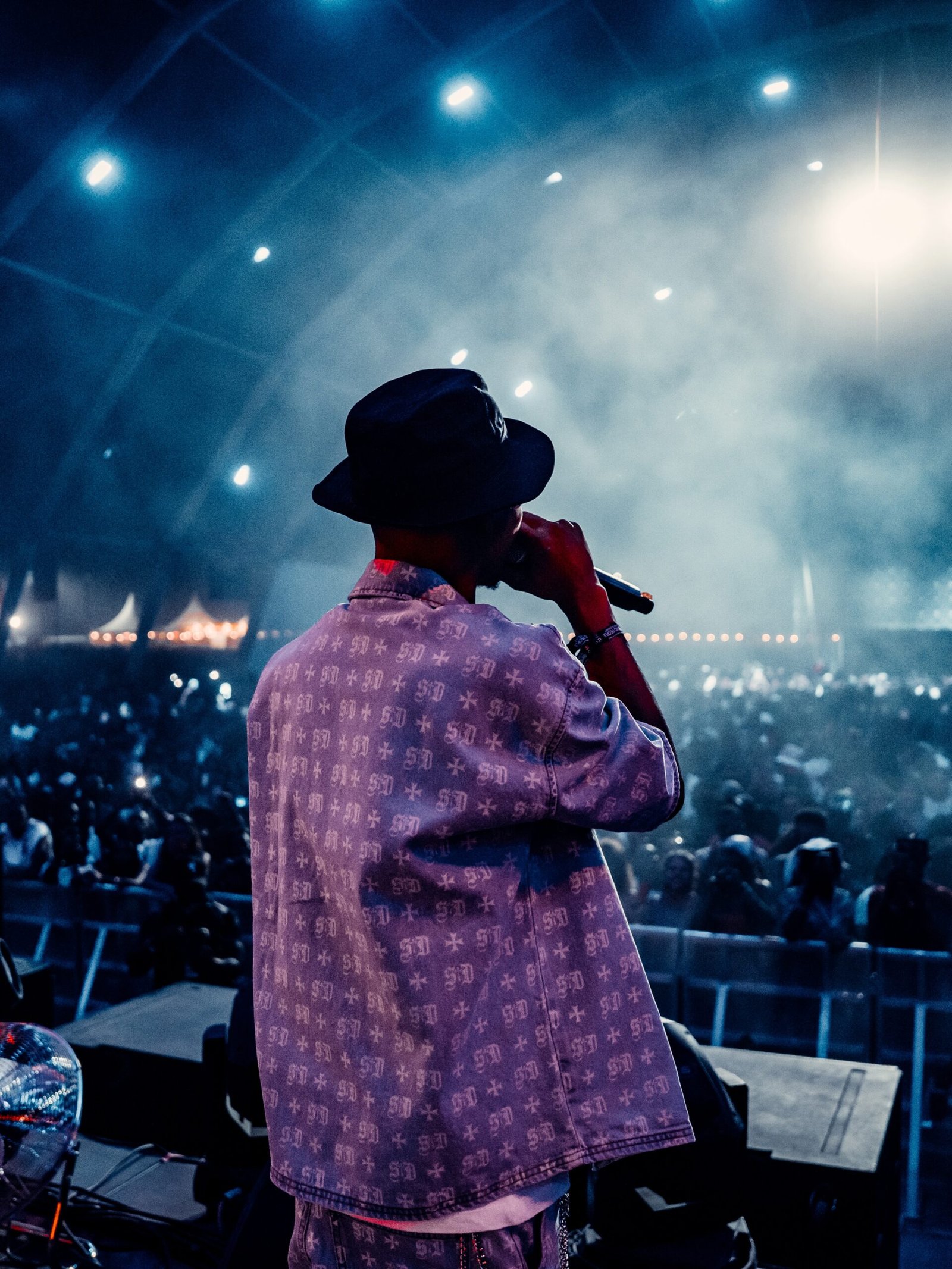
One reason people keep asking if African music is becoming predictable is because African music is often treated as a single genre rather than a vast ecosystem.
The continent is home to thousands of languages, hundreds of musical traditions and countless regional styles. Reducing that diversity to the songs currently dominating international playlists does a disservice to African creativity.
There is no single African sound. There never has been. The artists experimenting most boldly are often not the ones receiving the biggest marketing budgets or the most playlist placements. Commercial success naturally amplifies certain sounds while leaving others to grow more quietly.
Mainstream Afrobeats has undoubtedly inspired a wave of similar-sounding records. That is a natural consequence of global success and commercial demand.
But beyond those hits lies one of the most adventurous periods in the continent’s musical history.
African artists are blending genres with unprecedented confidence, embracing indigenous influences without abandoning modern production, and proving that creativity thrives far beyond the charts.
Perhaps the real question is not whether African music is becoming predictable, it is whether we are listening widely enough to hear just how unpredictable it has become.
Because while the loudest songs may sound familiar, the future of African music is being written in studios where experimentation is still the guiding principle.
And if history has taught us anything, it is that today’s boldest experiments often become tomorrow’s biggest movements.