‘Alté’, which is the short form of ‘alternative’, has evolved into one of the most influential cultural forces in Nigeria. While its music often blends Afrobeats, R&B, hip-hop, indie rock, soul, electronic music and experimental production, there has never been a single sound that defines it. Alté is more than a music genre.
It is better understood as a creative philosophy. Although alternative sounds had existed in Nigerian music long before the term became popular, Alté began to take shape in the mid-2010s through a close-knit community of musicians, filmmakers, photographers, designers and visual artists.
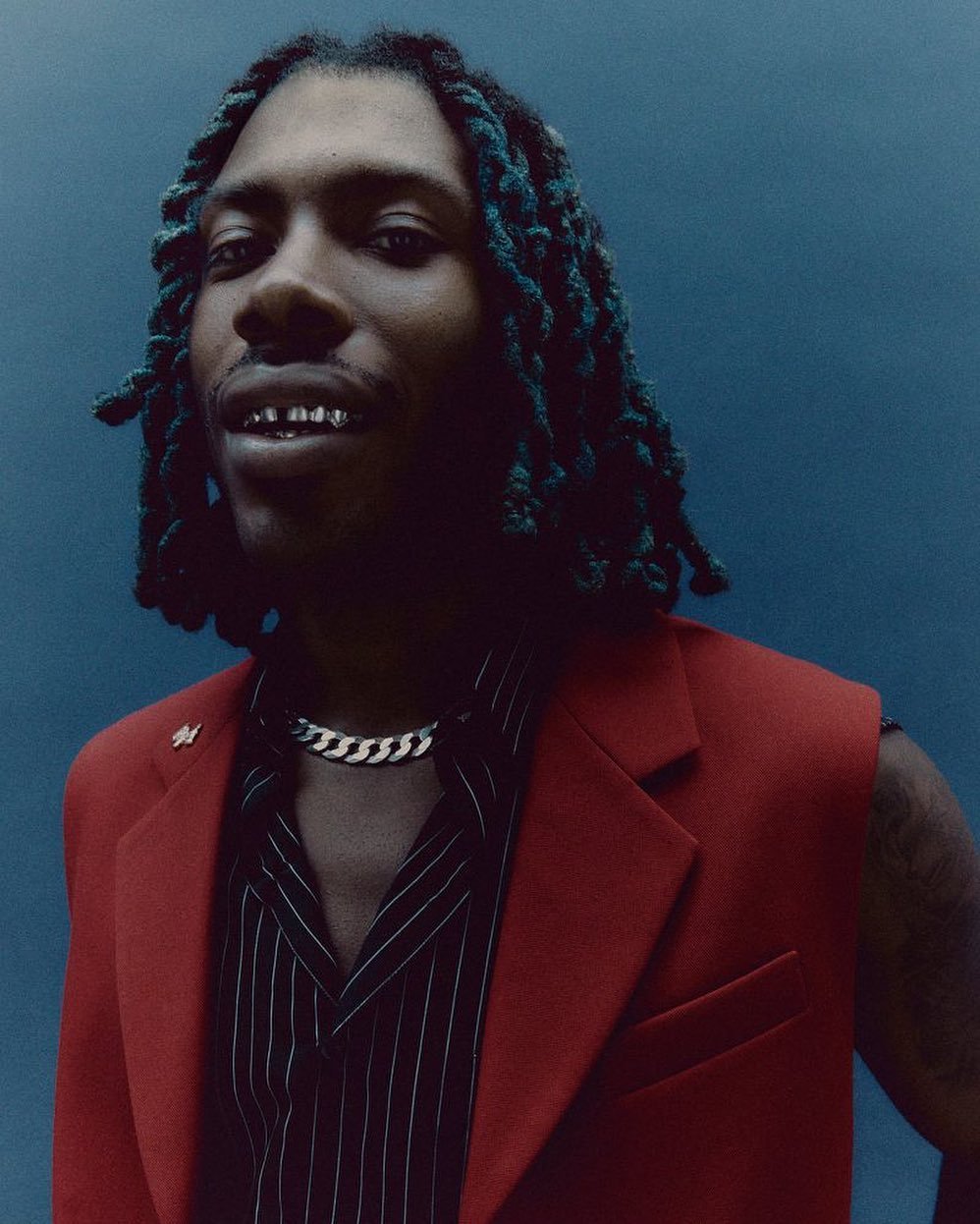
Instead of relying on traditional industry structures, these creatives built audiences through social media, independent releases, underground events and collaborations. Artists including Cruel Santino, Odunsi (The Engine), Lady Donli, Tems, DRB LasGidi, Prettyboy D-O, BOJ, and Amaarae all became associated with the movement’s evolution. They weren’t trying to sound alike. What unites them is a willingness to reject expectations.
The Alté movement does not only encourage experimentation over formulas; it encourages individuality over trends and artistic expression over commercial pressure. Rather than fitting into existing industry categories, the artists have created work that feels deeply personal and intentionally unconventional.
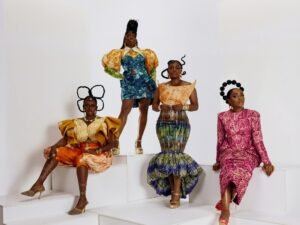
While Afrobeats became Nigeria’s biggest global export, Alté quietly transformed the visual language, fashion, storytelling and artistic freedom of an entire generation. Today, its fingerprints are everywhere. From runway collections and music videos to photography, creative direction and album artwork, the Alté movement has expanded far beyond music.
Even artists who have never identified as Alté borrow from its aesthetics, suggesting that its greatest achievement isn’t commercial dominance but cultural influence. Alté blurred traditional ideas of masculinity and femininity, encouraging young Nigerians to embrace self-expression regardless of convention.
The movement also created opportunities for emerging Nigerian designers, photographers and stylists whose work began appearing alongside musicians. Many of today’s most celebrated creative directors trace their visual language back to the freedom that Alté encouraged.
Its greatest contribution lies in its visuals. Because of it, music videos stopped looking predictable. Album covers also became conceptual art. Artists approached every release as a complete visual experience rather than simply a collection of songs. That emphasis on aesthetics raised expectations across Nigeria’s creative industries.
Today, even mainstream Afrobeats stars invest heavily in cinematic music videos, high-fashion campaigns and distinctive visual identities. Alté helped in establishing that standard. The movement didn’t replace mainstream music; it quietly reshaped it.
The ideas once considered “alternative” have entered the mainstream. Genre fluidity is now expected, and artists openly discuss mental health, identity and vulnerability. Collaborations regularly blur the lines between rap, R&B, soul, electronic music and Afrobeats.
Much of what defines Nigerian pop culture today reflects ideas that Alté helped normalise years ago. For many young musicians, Alté became proof that there wasn’t only one path to success. Authenticity could be enough.
Alté, as it is, doesn’t belong to musicians alone. It has always been collaborative. Every discipline, including fashion designers, creative directors, illustrators, videographers and filmmakers, is part of the movement. Rather than existing in isolation, creatives built communities that support one another’s work.
This collaborative culture helped establish Lagos as one of Africa’s most exciting creative capitals, where music and visual art exist together. As Nigerian music expanded internationally, Alté artists proved that global success didn’t require abandoning individuality.
Streaming platforms introduced international audiences to Alté artists who are making deeply personal music rooted in Nigerian experiences.
Diaspora listeners connected with the movement’s openness, while international fashion brands also noticed its aesthetic. Alté demonstrated that authenticity could travel.
Is Alté Still Underground?
The question surfaces almost every year. The answer may be both yes and no. Commercially, many artists once associated with the movement now collaborate with major labels; they headline festivals and appear in international campaigns.
Culturally, however, Alté continues doing what it has always done, which is encouraging experimentation. Every new generation of Nigerian creatives reinterprets the movement in different ways. Some lean into electronic music while others embrace indie rock, jazz, house or soul. The sound evolves but the philosophy remains.
Alté’s greatest legacy isn’t any single artist or album. It’s permission. The permission to experiment, reject expectations, blend influences without apology and create work that feels honest rather than commercially calculated. Those values continue shaping Nigerian music, fashion, photography, film and design.
Afrobeats may remain Nigeria’s biggest musical export, but Alté continues to influence the country’s creative imagination. It reminds the world that Nigeria’s cultural identity has never been defined by one sound alone. It is constantly evolving, endlessly inventive and unapologetically original.