What made an African artist global used to be signing with an international label, collaborating with an American or European superstar, topping global charts, or winning awards like the Grammy. Success was measured by how well an artist could fit into an existing global music industry.
However, today, African artists have reshaped what global success looks like on their own terms. They are selling out arenas in London, Paris, and Toronto while performing in their native languages from Yoruba and Swahili to Zulu, Lingala, and countless other African languages.
From Burna Boy becoming the first African artist to headline a stadium in the United Kingdom, to Tyla taking Amapiano-inspired sounds to the top of international charts, and Tems writing and performing alongside some of the world’s biggest stars, African music has become an undeniable force in global culture.
Without sacrificing cultural identities, songs by African artists are dominating streaming platforms. What truly makes an African artist global is no longer just being heard all over the world; it is now a combination of authenticity, consistency, cultural confidence, and connecting with audiences across borders with artists not losing sight of where they come from.
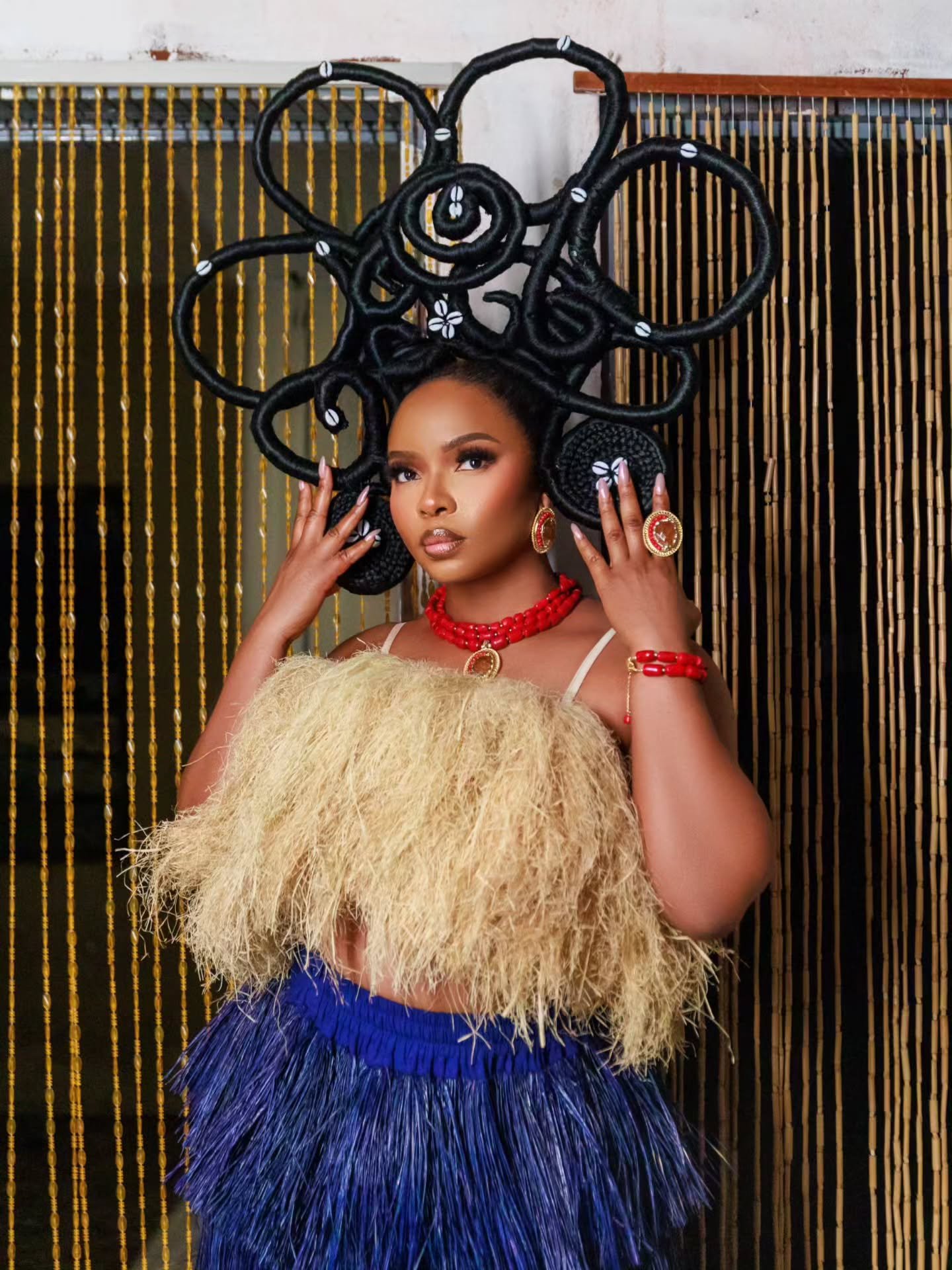
The most successful African artists don’t just export songs. They export culture just like what Yemi Alade is doing. Every performance, music video, interview, and social media post offers audiences around the world a glimpse into African fashion, language, dance, food, and everyday life.
Afrobeats didn’t become a global movement simply because of its rhythms. It became global because it carried Lagos with it. The slang, fashion, and even experience. The same can be said about Amapiano, whose rise introduced international audiences to South African dance culture and township sounds.
Rather than diluting their identities for international audiences, African artists have succeeded by making those identities impossible to ignore.
Artists like Burna Boy built careers around celebrating African history and identity.
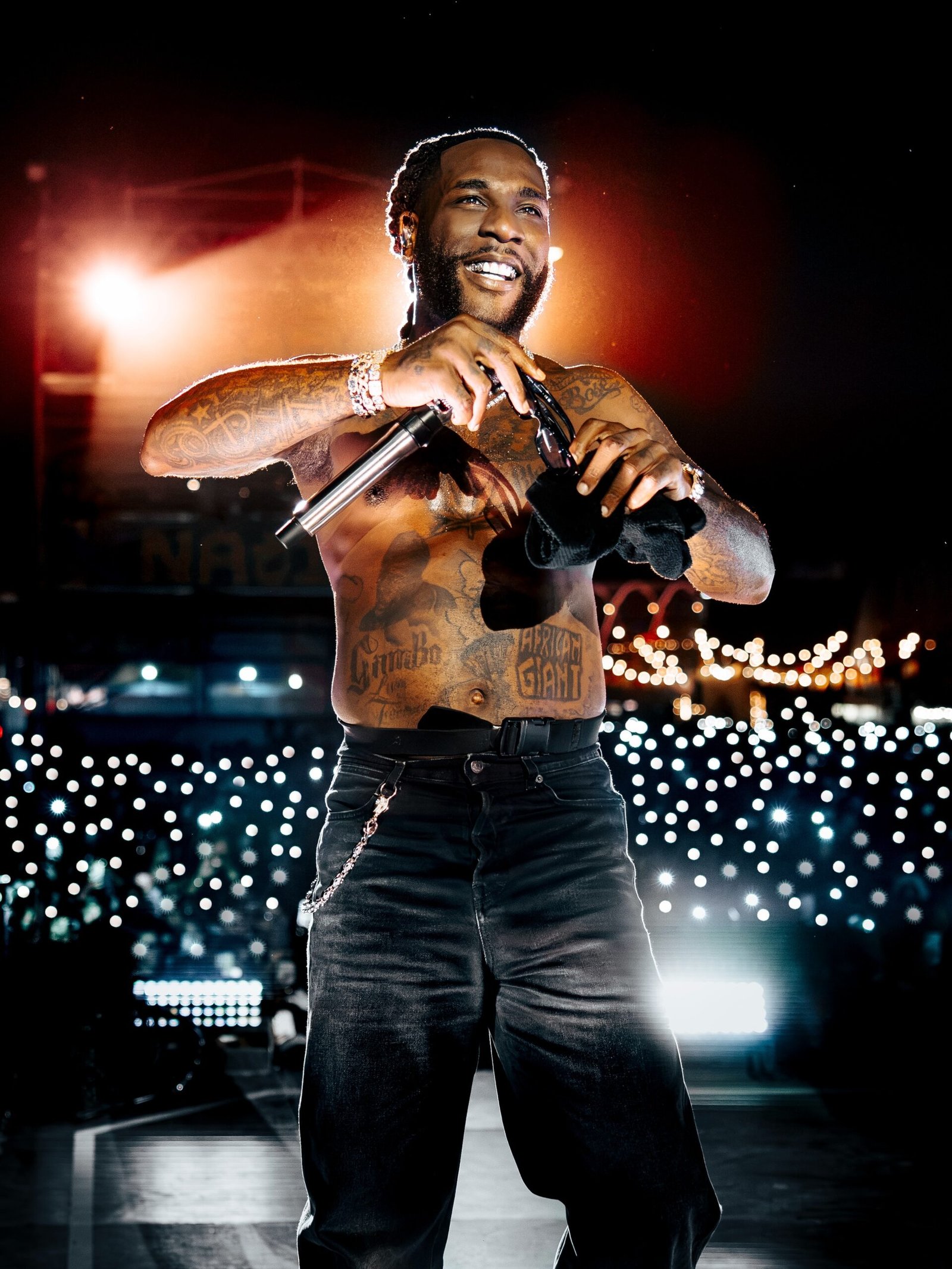
Asake also fused Fuji influences with contemporary Afrobeats instead of abandoning traditional sounds.
Global audiences want authenticity. They no longer expect artists to sound the same. They want distinctive voices, personal stories, and genuine perspectives. The artists who resonate internationally are rarely those trying to sound global. They’re the ones sounding unmistakably themselves.
The world has become more willing to meet artists where they are. People happily embrace songs they don’t fully understand, whether they’re in Spanish, Korean, or Yoruba.
Songs performed primarily in African languages like Yoruba, Zulu, Swahili, Lingala, Pidgin, and Igbo regularly accumulate millions of streams. Instead of replacing local languages with English, artists now weave multiple languages into the same record, creating music that reflects the realities of contemporary African identity.
While collaborations remain powerful, it also isn’t everything. Working with internationally recognized artists can introduce African musicians to new audiences, but collaborations alone do not create global careers.
History is filled with one-off international features that generated excitement without leading to sustained global success. The artists who endure are those who build their own audiences first.
International collaborations work best when they amplify an already compelling artistic identity rather than attempting to create one. The partnership becomes an extension of the artist, not their defining moment.
One of the people that play a powerful role in an African artist’s global career are African diasporas across the United Kingdom, France, Canada, and the United States. They are essential bridges between local success and international recognition.
Diaspora communities serve as an artist’s first overseas audience, creating demand for concerts and introducing African music to wider communities.
From London clubs to Toronto festivals and Paris fashion events, these audiences have helped African music travel organically before reaching mainstream global markets. In many ways, they have become cultural ambassadors.
Ultimately, becoming a global African artist isn’t about leaving Africa behind. It’s about bringing Africa with you.
The artists making the greatest international impact aren’t those who abandon their roots in pursuit of wider appeal. They’re the ones who confidently center African stories, languages, and experiences while creating music that speaks to universal emotions.
That balance is what transforms popularity into influence because a truly global African artist doesn’t simply perform for the world; they change how the world sees Africa.