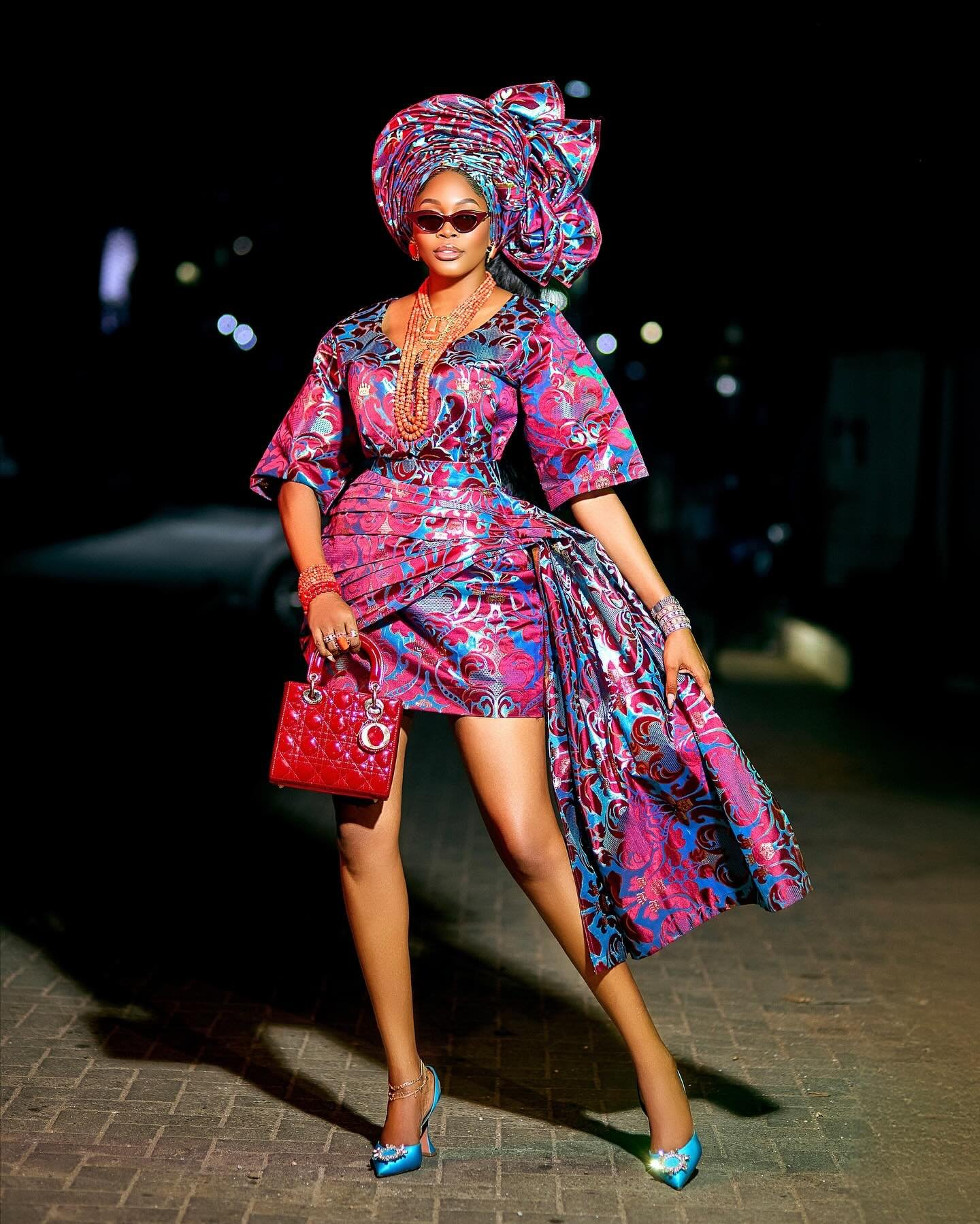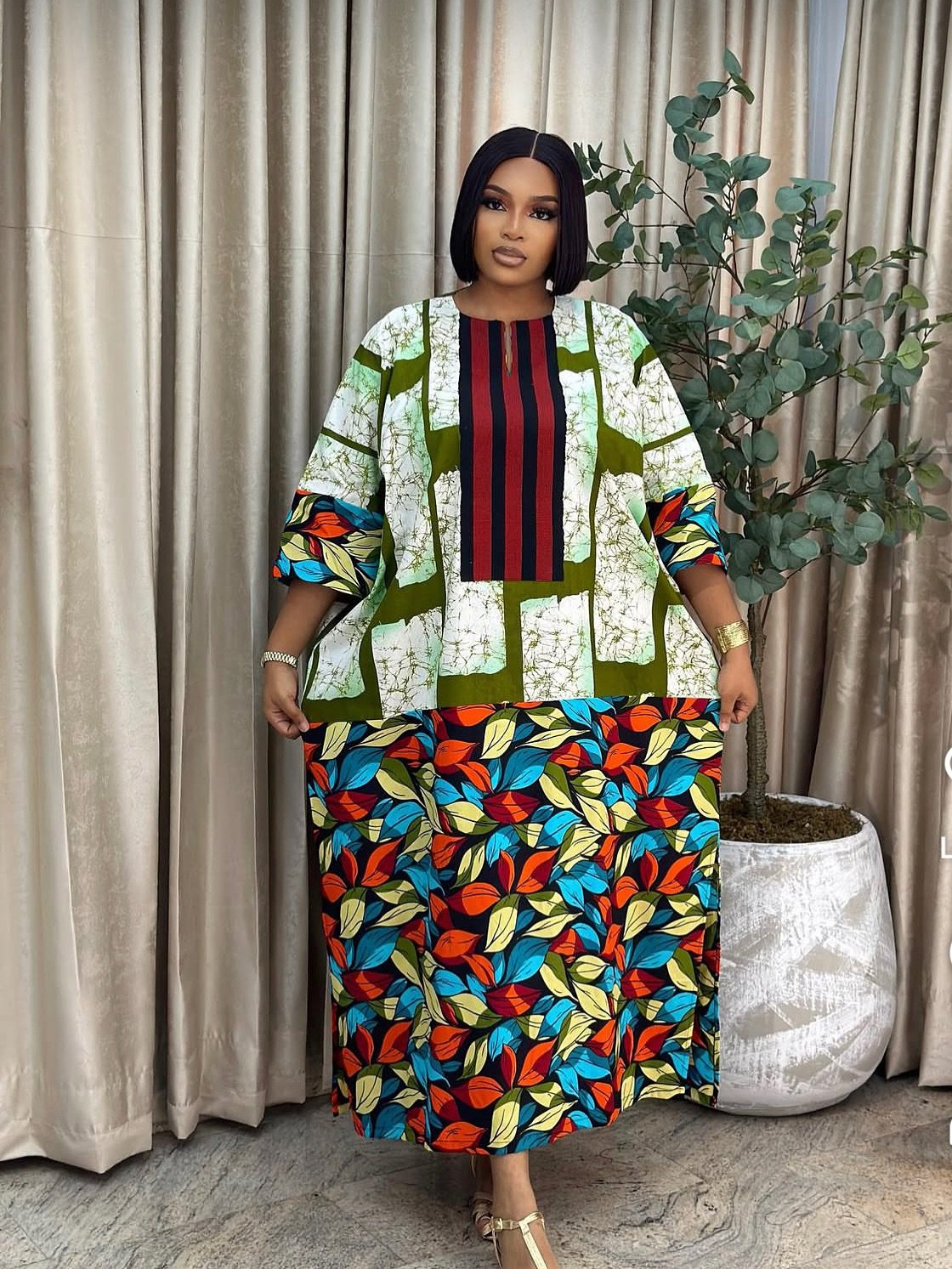
Fashion designers are bringing back traditional fashion with a fresh modern twist. Textiles like Adire, Aso-oke, and Kente are no longer just worn to cultural occasions; we now see them in everyday style. From jackets to sleeveless tops and bodycon dresses. African designers are proving that traditional fashion can be both timeless and versatile.
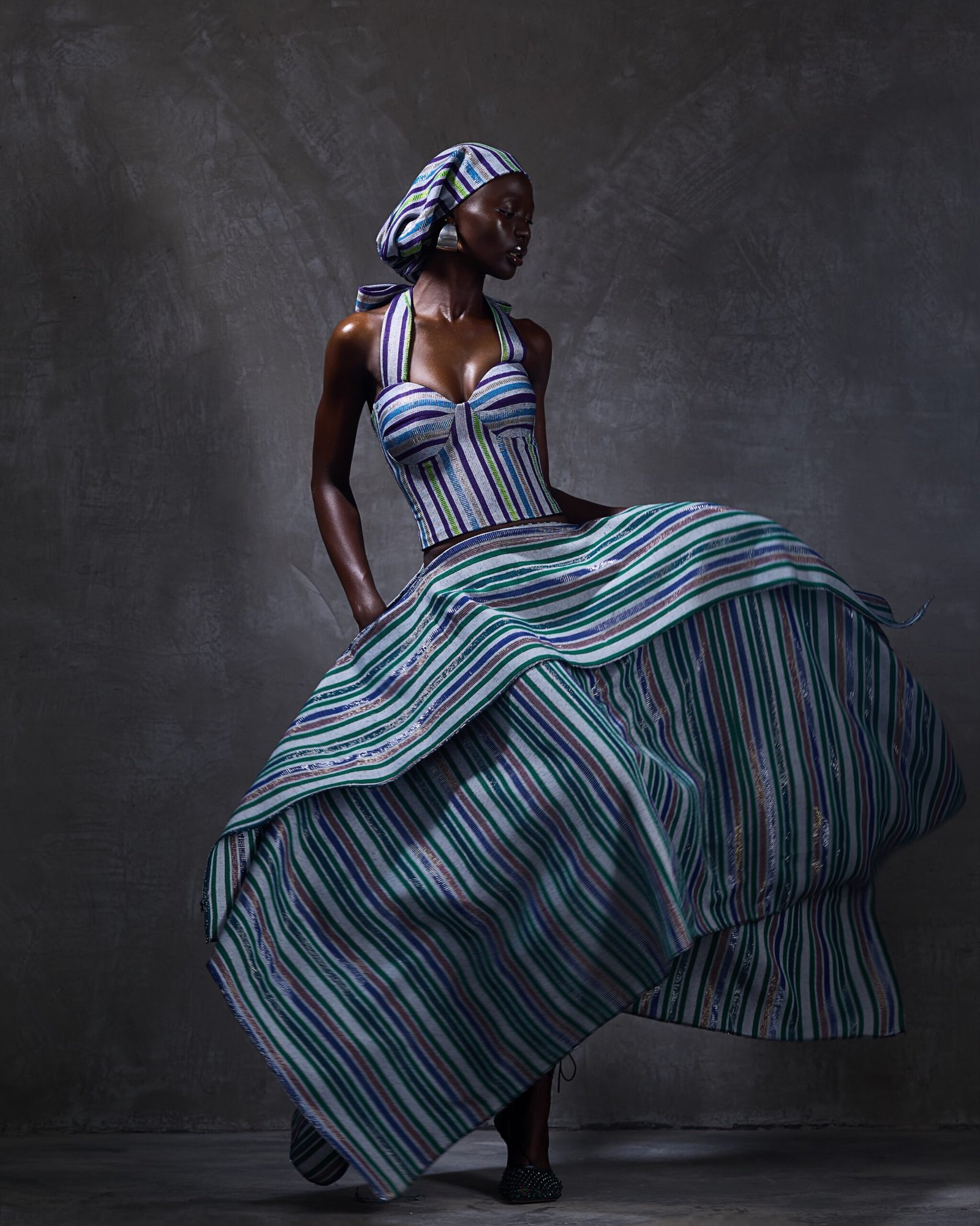
They are finding creative ways to preserve our traditions while making them appealing to modern audiences. For instance, the Nigerian Aso-oke, which is associated with Yoruba culture and worn at traditional weddings and other important celebrations, is now being incorporated into everyday fashion. Designers like Hertunba incorporate the handwoven fabric into contemporary pieces, including skirts, tops, corsets, and gowns.
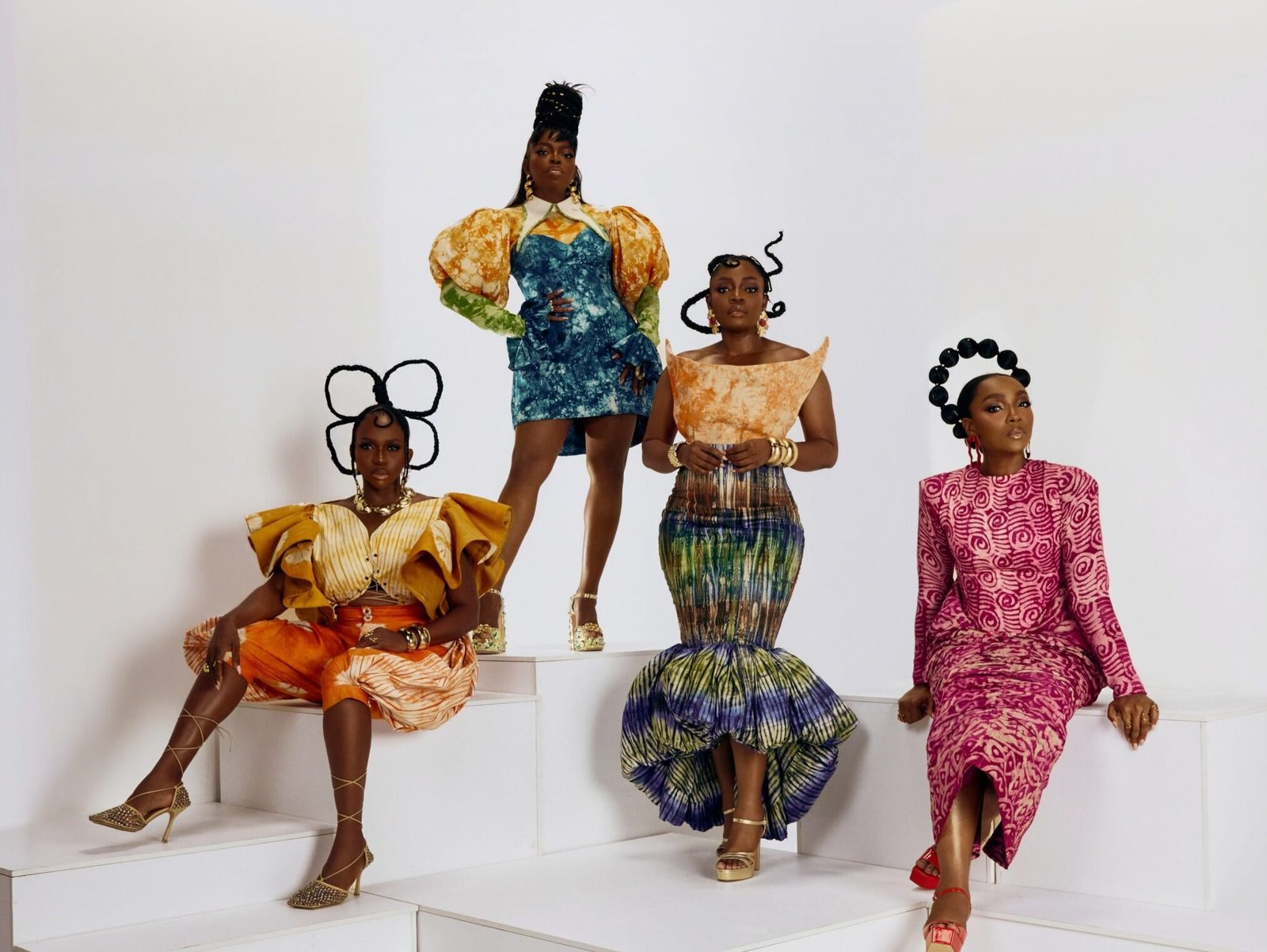
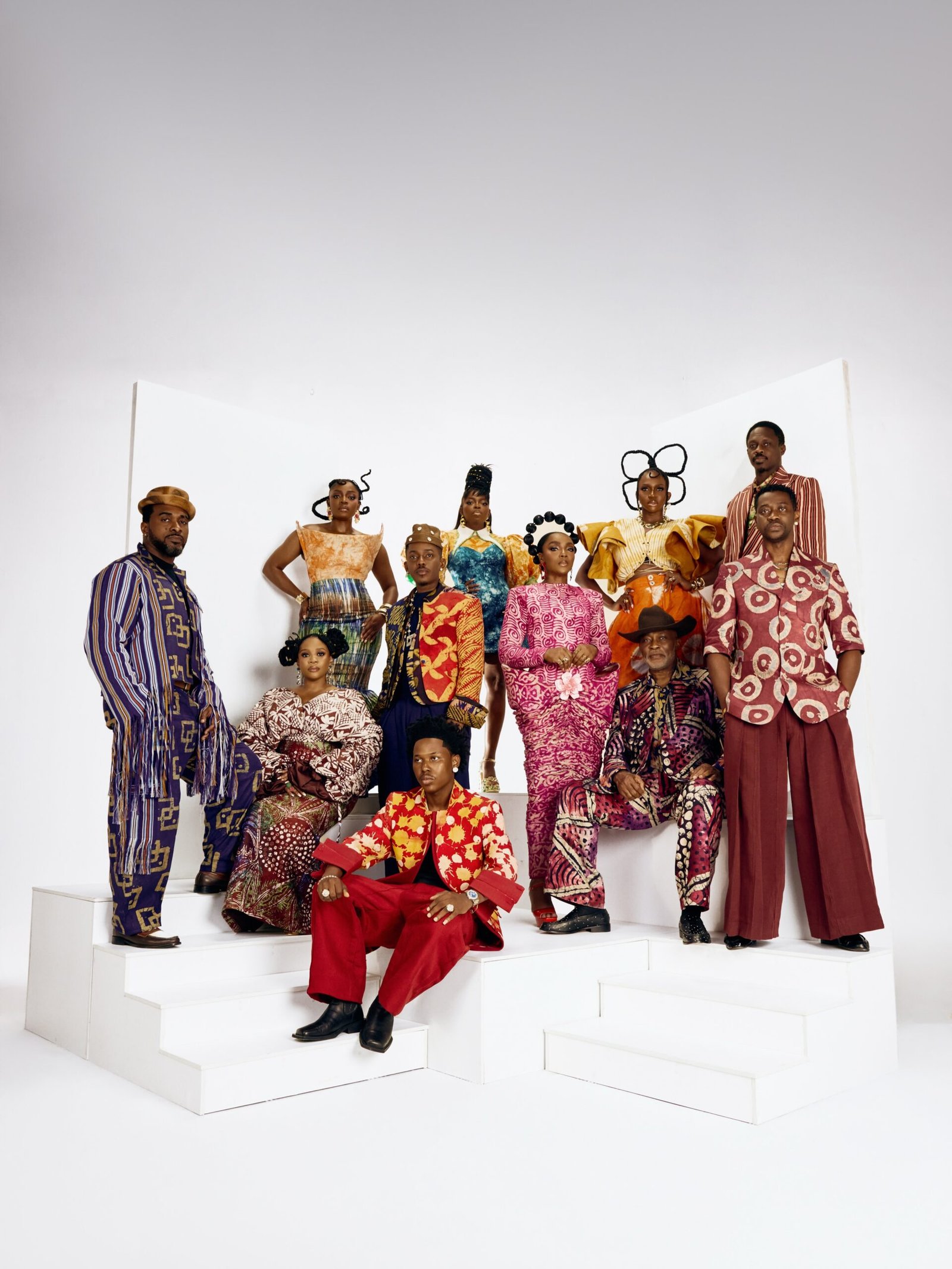
Adire, another textile with deep roots in southwest Nigeria, is also enjoying renewed attention. Contemporary designers are experimenting with new colors and styling options. Today, Adire can be seen in shirts, flowing dresses, jackets, trousers, and relaxed outfits that combine comfort with cultural expression. Filmmaker Funke Akindele and the cast members of her upcoming December movie, The Four: No One Fights Alone, were styled in Adire in some of their promotional photos.
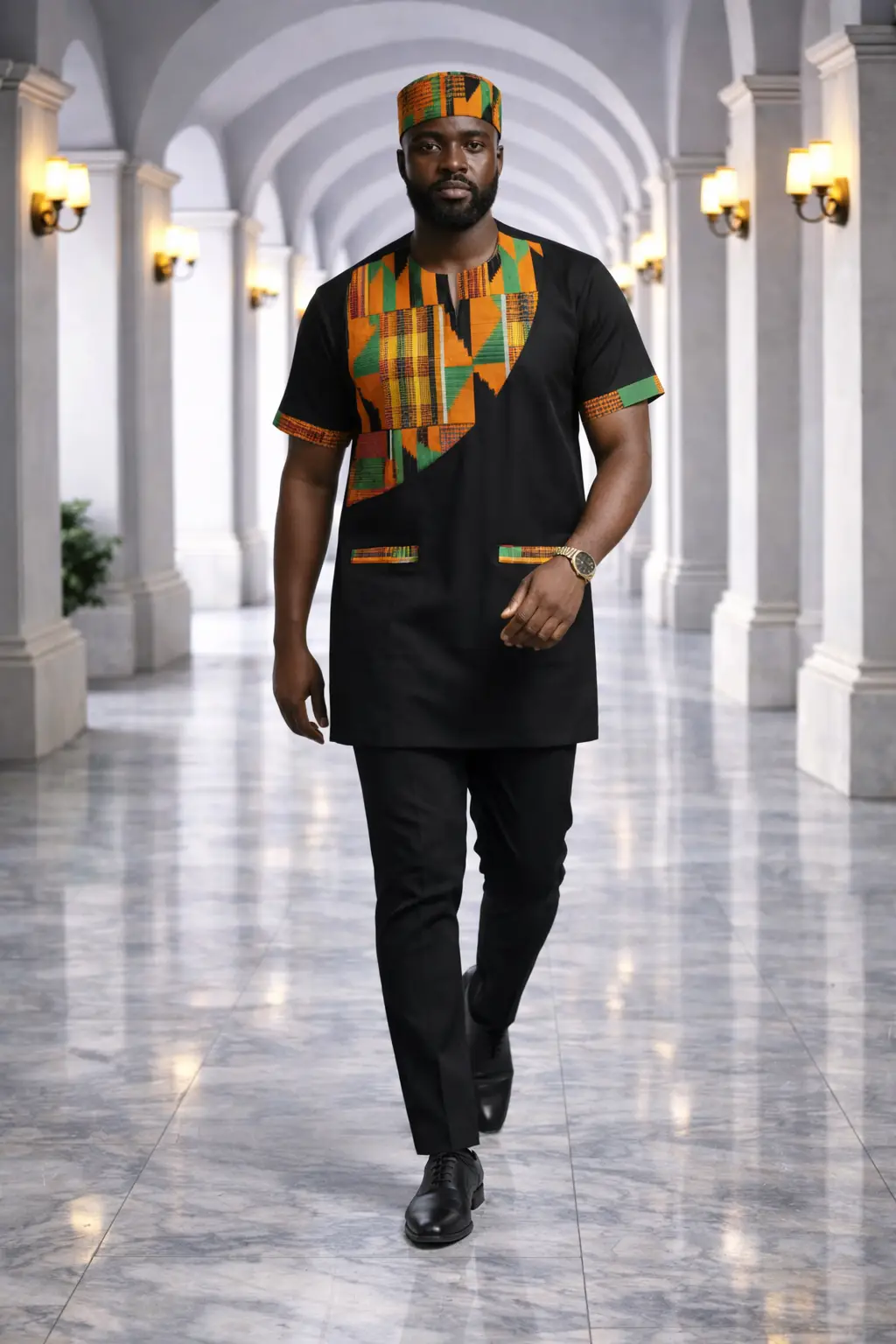
Also, Kente, which is one of Ghana’s most recognized traditional textiles, is also finding new life in modern fashion. Known for its colorful patterns, Kente has strong cultural significance, particularly among the Akan people. It is traditionally worn during important ceremonies and celebrations. Designers nowadays use the fabrics to add a cultural touch to modern wear like shirts and gowns.
The craftsmanship behind Kente received international recognition in December 2024, when UNESCO inscribed it on its Representative List of the Intangible Cultural Heritage of Humanity. The recognition highlights the knowledge, skills, and traditions involved in producing the fabric, as well as the importance of preserving it for future generations.
Beyond Nigeria and Ghana, traditional textiles and fashion across Africa continue to inspire designers. The most interesting aspect of this renewed interest is how the fabrics are being styled. Rather than being limited to complete traditional outfits, designers are combining them with contemporary materials. An Aso-oke jacket, for example, can be paired with denim trousers and a simple T-shirt.
This combination shows that wearing traditional African fashion does not always require dressing formally or waiting for a special occasion. A single piece made from a traditional textile can become the highlight of an outfit, allowing people to celebrate their heritage in ways that fit their personal style.
Other traditional fabrics that are receiving new life include Bogolan, Faso Danfani, and Ankara. The olden-day style of the Nigerian Yoruba people, Oleku, also keeps making a comeback, and it is sewn with different traditional fabrics, including Ankara, Adire, and Aso-oke. Bubu gowns are also back in fashion, thanks to their comfort.