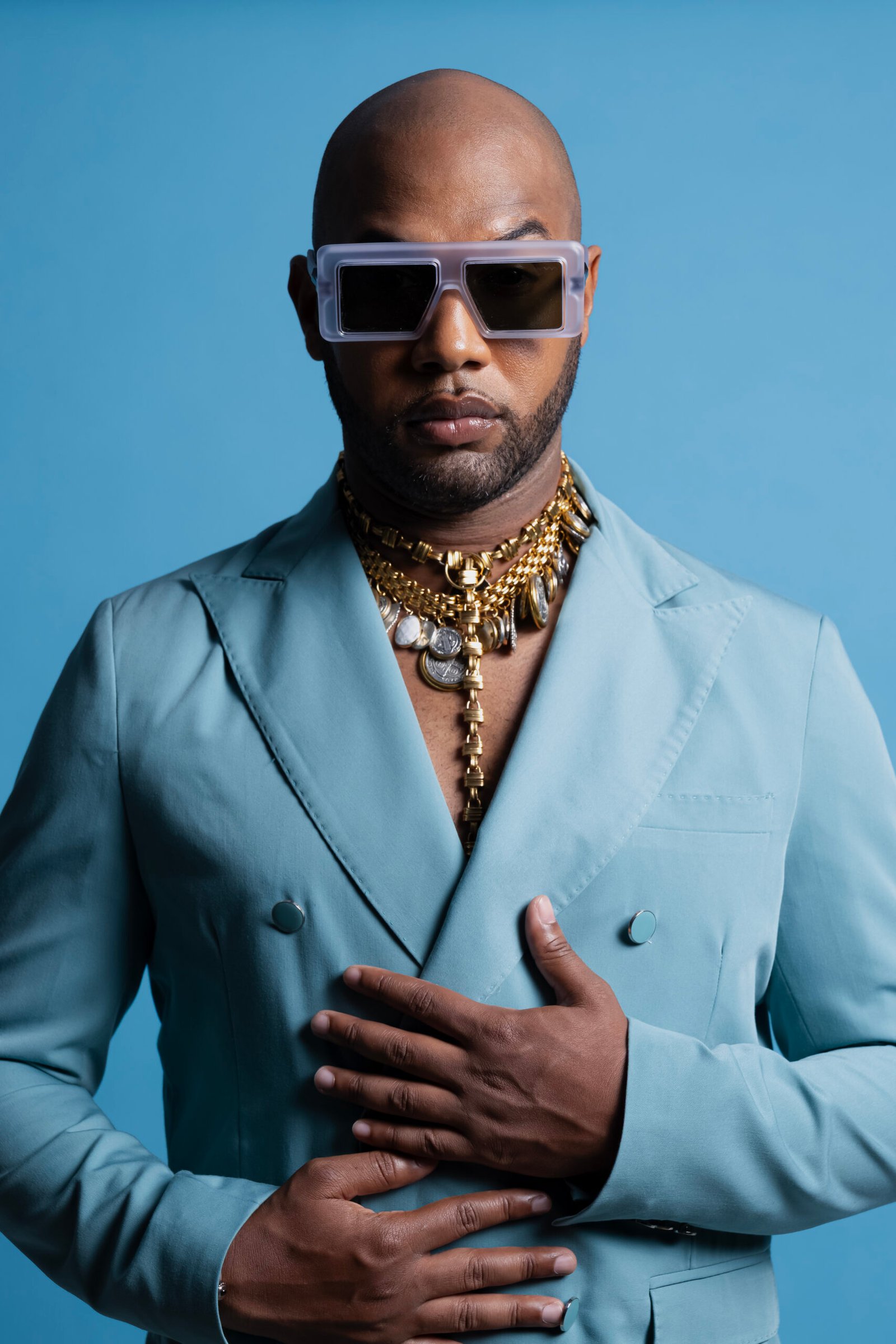
When Danni Gato was confirmed for Tomorrowland 2026, the announcement resonated far beyond a festival poster update. It marked another decisive step in the growing presence of Lusophone electronic artists on one of the most powerful stages in global dance culture.
Of Cape Verdean descent, Danni Gato embodies a musical identity shaped by diaspora. His sound reflects the Atlantic’s constant movement, linking West African rhythm, island soul, and European club sensibility. Afro house forms the emotional core of his productions, while tech house precision gives them structure and clarity. The result is music that feels both grounded and expansive, rooted in heritage yet designed for international dance floors.
Electronic music’s DNA is inseparable from Black innovation. House and techno were born from communities that transformed limitation into liberation through sound. As the genre expanded globally, the spectacle often overshadowed its origins. Yet rhythm has memory. Over the past decade, African artists have played a central role in reconnecting the global scene to its foundations.
The global rise of Afro house, Afro tech, and Amapiano shifted expectations. Audiences began seeking depth, percussion, and emotional layering over predictable festival climaxes. Artists such as Black Coffee demonstrated that subtlety could command massive stages. Groove became the new power language of electronic music.
Within this transformation, Lusophone culture has emerged as a distinctive force. The exchange between Cabo Verde, Angola, Portugal, and the wider diaspora has generated a hybrid soundscape that feels intimate yet global. Danni Gato’s work sits squarely within that evolution. His career has been defined not by sudden virality but by consistency, collaboration, and a refusal to detach from his cultural references.
Tomorrowland represents scale, visibility, and influence. It is a platform that amplifies not only artists but narratives about where electronic music is heading. Danni Gato’s presence in 2026 signals that Lusophone Afro-electronic expression is not peripheral to that direction. It is part of it.
There is something significant about a Cape Verdean descendant stepping into that environment with a sound shaped by memory and migration. It reflects years of work built within clubs, communities, and cross-cultural collaborations. It reflects a scene that has matured quietly, steadily, without abandoning its identity for broader appeal.
At one of the world’s largest electronic music festivals, another Lusophone artist stands represented with authority. Not as a token addition, but as evidence of an undeniable shift. The global dance floor is expanding its vocabulary, and the Atlantic rhythm that flows through Danni Gato’s music is now woven into that conversation.
Tomorrowland may be defined by spectacle, but its future will be shaped by those who carry culture within the beat. In 2026, that beat will echo with Cape Verdean heritage, Lusophone pride, and the unmistakable pulse of a diaspora that continues to redefine electronic music on its own terms.