For many years, conversations about global pop culture revolved around cities like New York, London, Los Angeles, Paris, and Tokyo. They were viewed as the undisputed capitals of music, fashion, film, and artistic innovation, but that map is changing.
Across Africa, a new generation of artists, filmmakers, designers, producers, photographers, and digital creators are transforming their cities into cultural powerhouses with worldwide influence. Their work is streamed, sampled, shared, remixed, and celebrated across continents, proving that creativity no longer needs Western validation to travel globally.
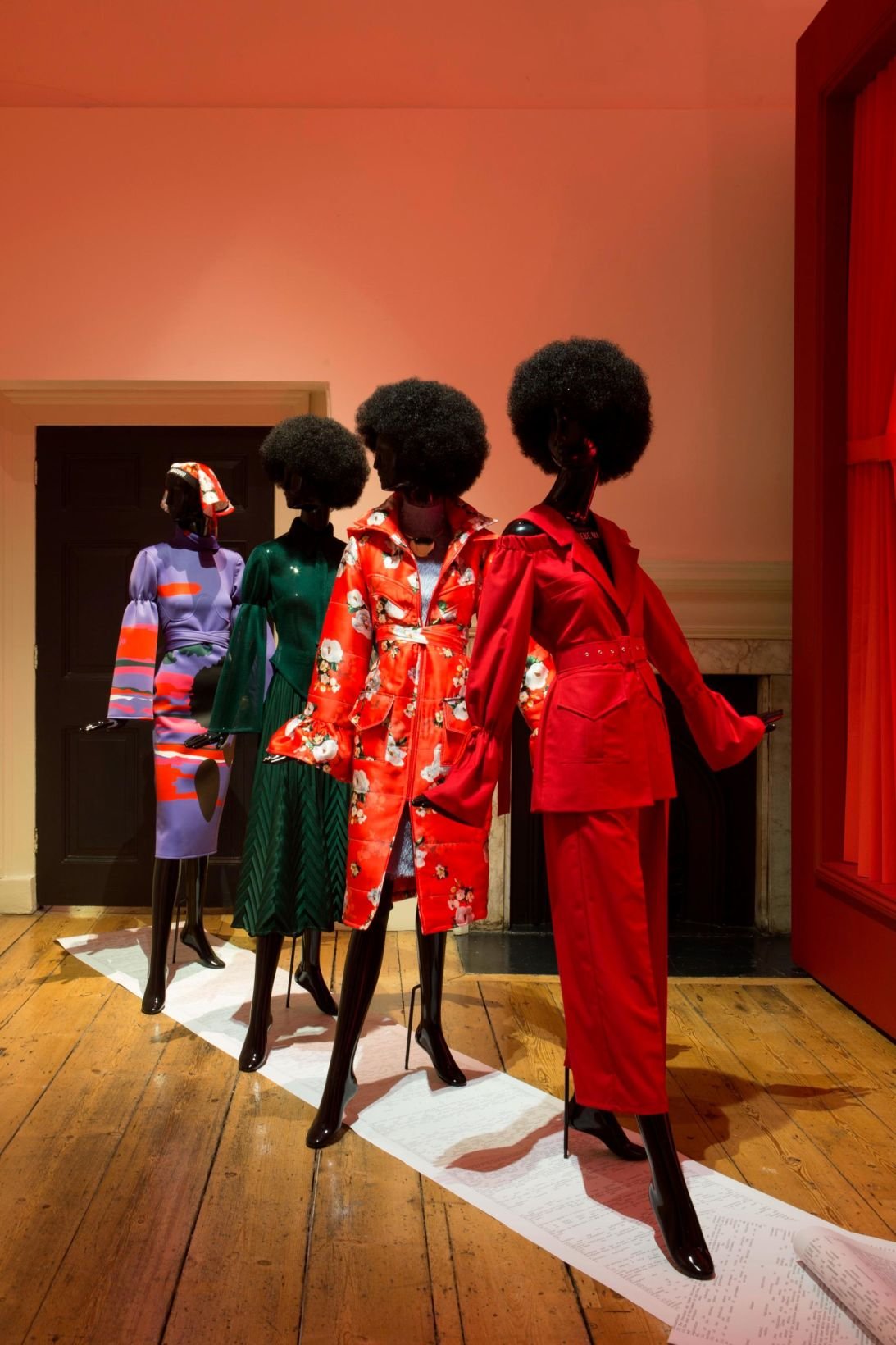
From Afrobeats and Amapiano to Nollywood, haute couture, visual art, and viral social media trends, Africa’s biggest cities have become the source of modern culture. Each offers something distinct, yet together they are reshaping how the world experiences African creativity.
Lagos, Nigeria
Nigeria’s commercial capital is more than the birthplace of Afrobeats. It is the engine room of an industry that has become one of the world’s most influential. The city’s studios, clubs, record labels, producers, and nightlife have built artists capable of dominating charts both at home and abroad.
Global stars like Wizkid, Davido, Tems, Rema, Ayra Starr, and Asake developed their careers in Lagos.
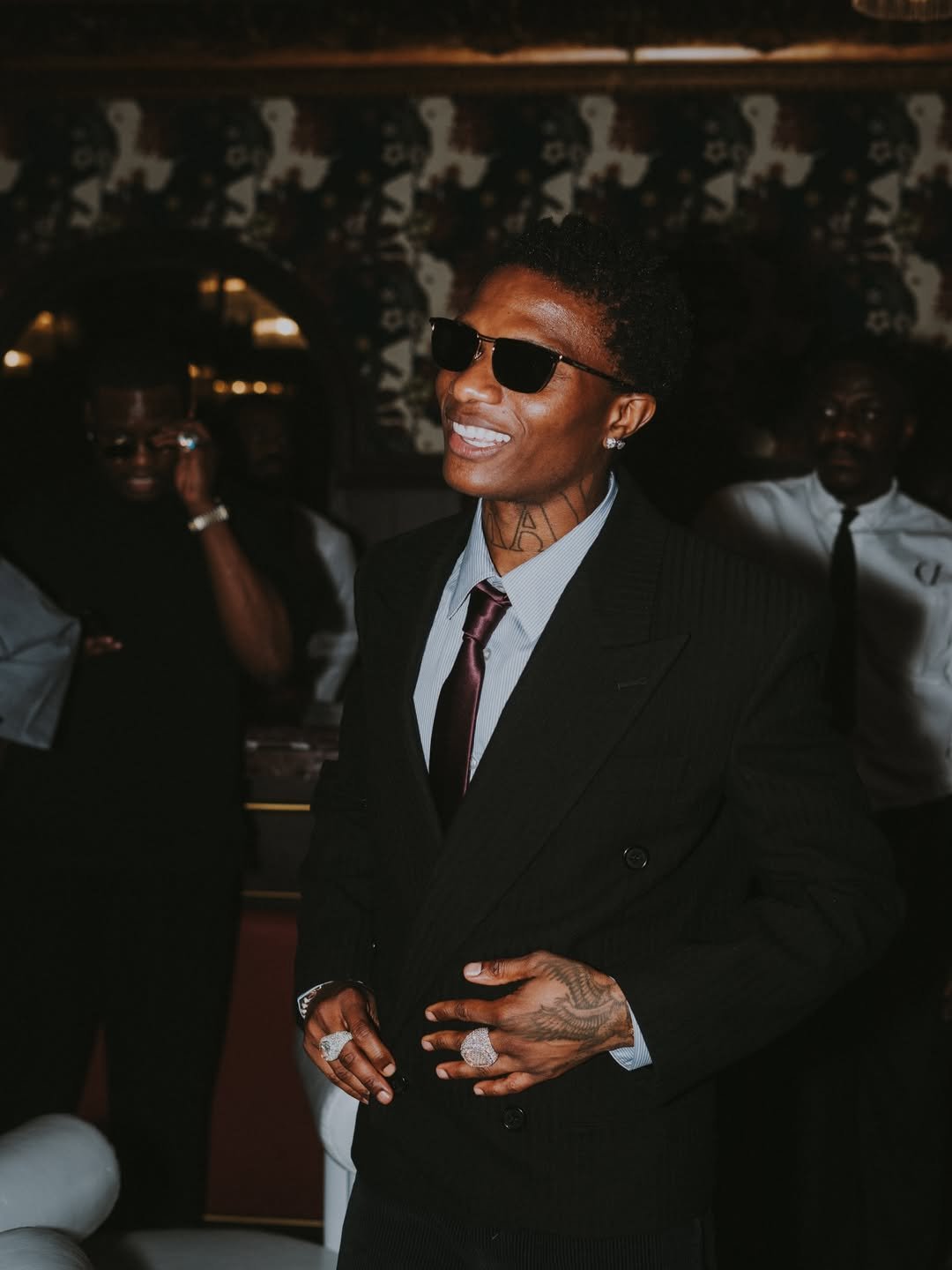
Their success has transformed the city into an international destination for record executives, producers, festival organizers, and collaborators eager to tap into Nigeria’s creative energy.
Yet Lagos’ influence extends beyond music. It is the home of Nollywood. The film industry is headquartered largely in Lagos, and it remains one of the world’s most prolific industries.
Nigerian fashion brands are also attracting international attention, while photographers, visual artists, and content creators shape online aesthetics that resonate far beyond Africa. Lagos’s relentless pace, entrepreneurial spirit, and cultural confidence have become central ingredients in the global appeal of Nigerian entertainment.
Johannesburg, South Africa
If Lagos gave the world Afrobeats, Johannesburg helped export Amapiano. Emerging from South Africa’s townships, the genre has become one of the defining sounds of global dance music.
Characterized by hypnotic log drums, jazz influences, soulful vocals, and infectious grooves, Amapiano has traveled from local clubs to international festivals, influencing artists in Europe, North America, and Latin America.
Johannesburg is also one of Africa’s fashion capitals, producing designers, photographers, stylists, and creative directors whose work appears on international runways and magazine covers. Some of the big names are Thebe Magugu, Trevor Stuurman, Amy Zama, and Phupho Gumede.
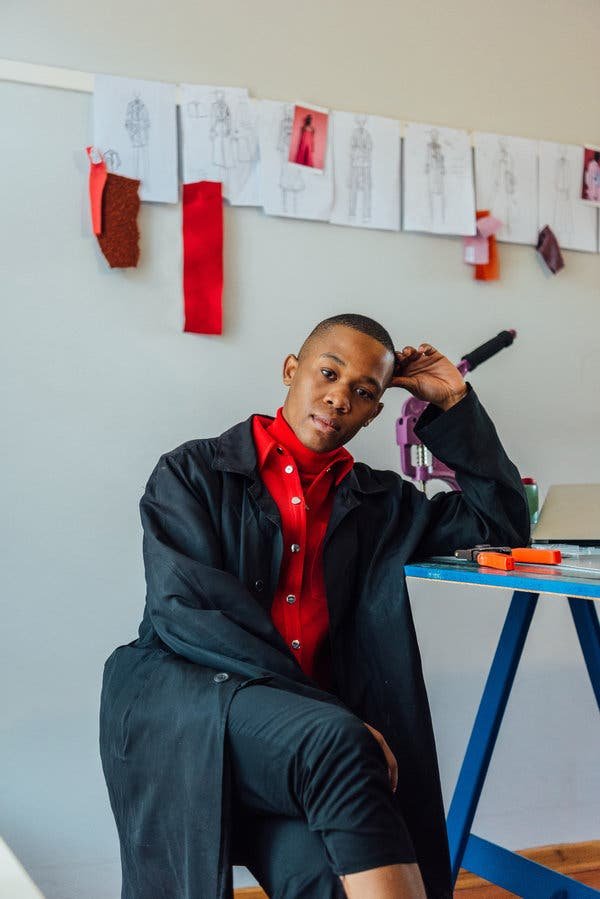
The city’s street culture, nightlife, visual arts scene, and contemporary architecture contribute to a cultural landscape that feels modern while remaining deeply rooted in South African identity.
Accra, Ghana
Accra has quietly become one of Africa’s most exciting creative capitals. The city’s music scene blends Highlife, Hiplife, Afrobeats, and alternative sounds, producing artists who comfortably navigate both local and international audiences.
Musicians such as Black Sherif, Stonebwoy, Sarkodie, Amaarae, and King Promise have helped place Ghana firmly within global conversations about African music. Beyond music, Accra has positioned itself as a destination for the African diaspora.
Initiatives like the Year of Return in 2019 and Beyond the Return strengthened cultural and economic ties between Ghana and people of African descent around the world.
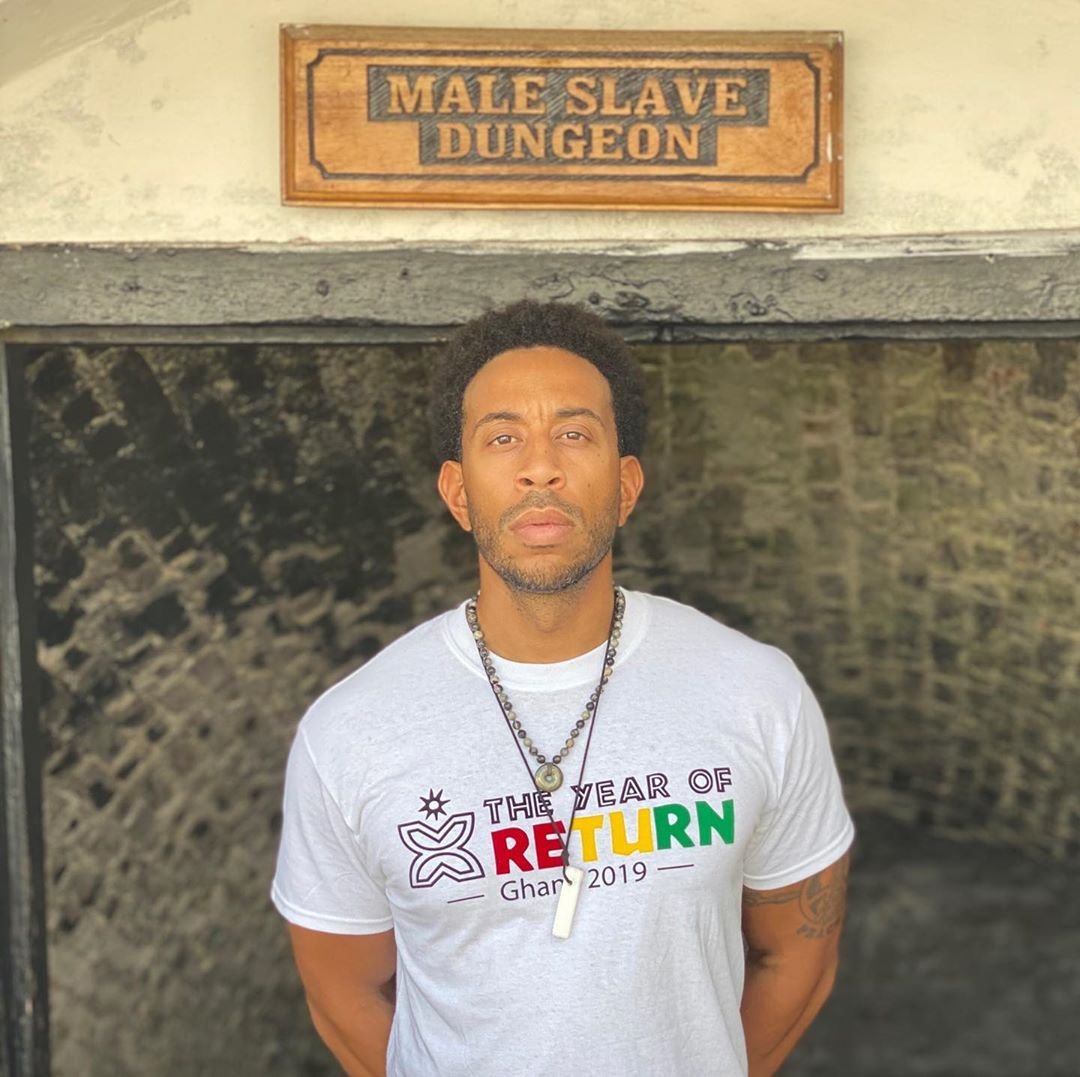
Those programs fueled tourism, investment, and international interest in the country’s creative industries.
Today, Accra’s galleries, fashion collectives, festivals, and independent creative spaces continue to reinforce its reputation as one of Africa’s most dynamic cultural destinations.
Nairobi, Kenya
Nairobi has long served as East Africa’s commercial hub, and its cultural influence is expanding rapidly. Kenyan musicians are experimenting with Afropop, Gengetone, hip-hop, electronic music, and Afro-fusion, while filmmakers and digital storytellers continue pushing creative boundaries.
The city’s thriving technology has also enabled creators to build audiences directly through digital platforms rather than relying solely on traditional media.
Fashion designers are blending contemporary styles with Kenyan heritage, while photographers and filmmakers document urban life with authenticity that resonates globally.
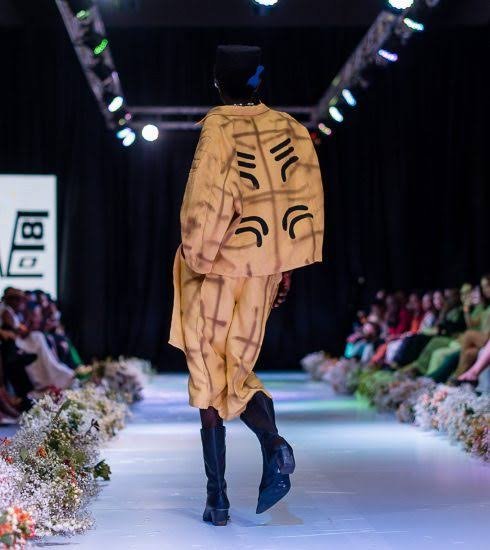
Nairobi represents a new generation of African creativity that is digitally connected, unapologetically local, and globally ambitious.
Cairo, Egypt
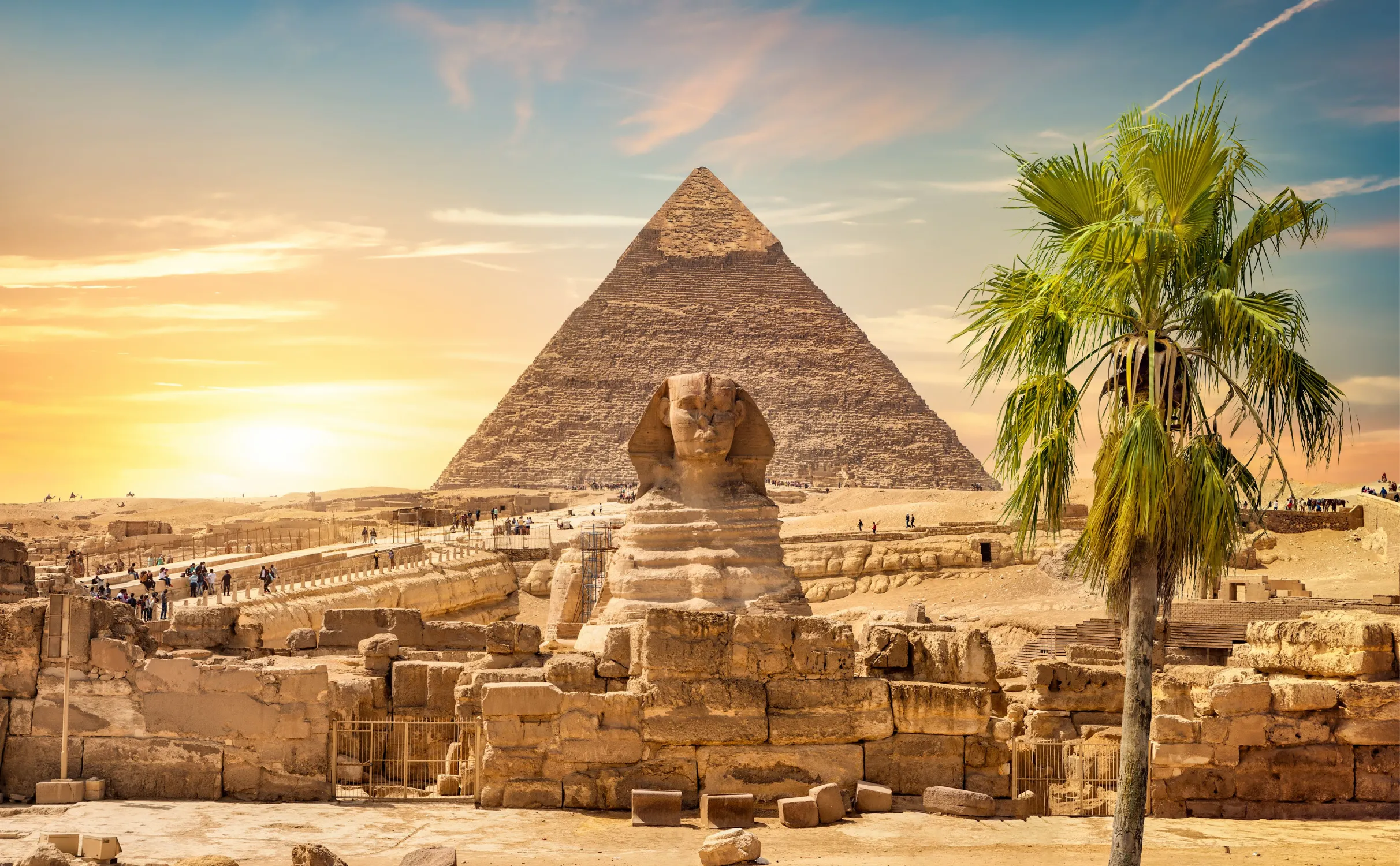
Long before streaming transformed entertainment, Cairo stood as one of Africa’s most influential cultural capitals.
Egypt’s film industry remains among the oldest and largest on the continent, earning Cairo the nickname “Hollywood of the Middle East.” Its television dramas, cinema, music, and publishing industries continue reaching audiences across North Africa and the Arab world.
Today, Egyptian artists are embracing streaming platforms, social media, and international collaborations, allowing Cairo’s cultural influence to extend beyond its traditional markets.
Its blend of ancient history and modern creativity gives the city a unique position within Africa’s cultural landscape.
Dakar, Senegal
Dakar has earned international recognition through its vibrant visual arts community, contemporary music, literature, and fashion.
The city’s renowned Dak’Art Biennale has become one of Africa’s most important contemporary art exhibitions, attracting artists, curators, collectors, and critics from around the world.
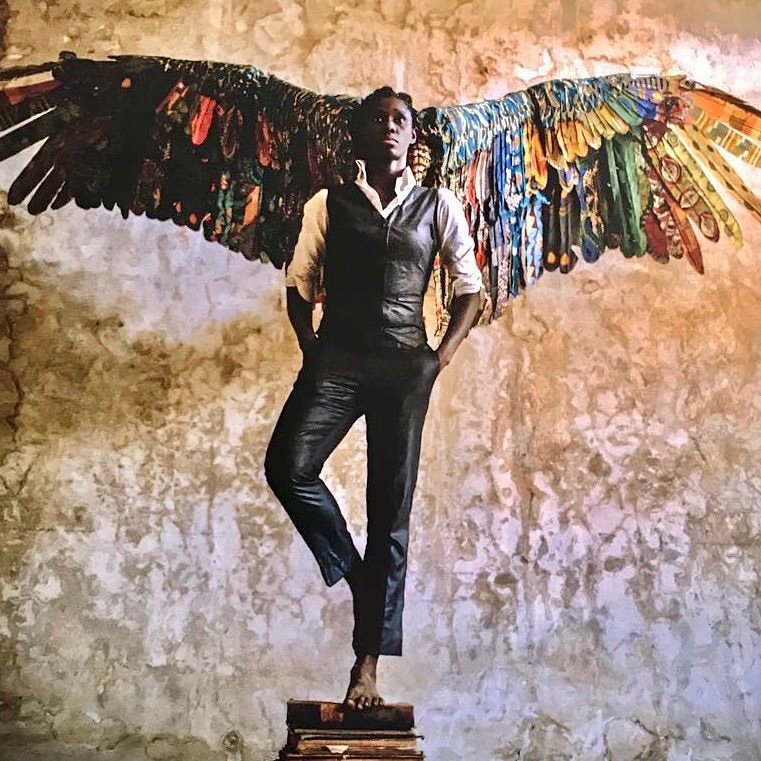
Senegalese musicians continue blending traditional rhythms with jazz, hip-hop, reggae, and electronic music, creating sounds that reflect both heritage and innovation.
Dakar’s creative identity is deeply connected to civic engagement. Artists frequently use their work to explore democracy, identity, migration, and social justice, demonstrating how culture can drive meaningful public conversation.
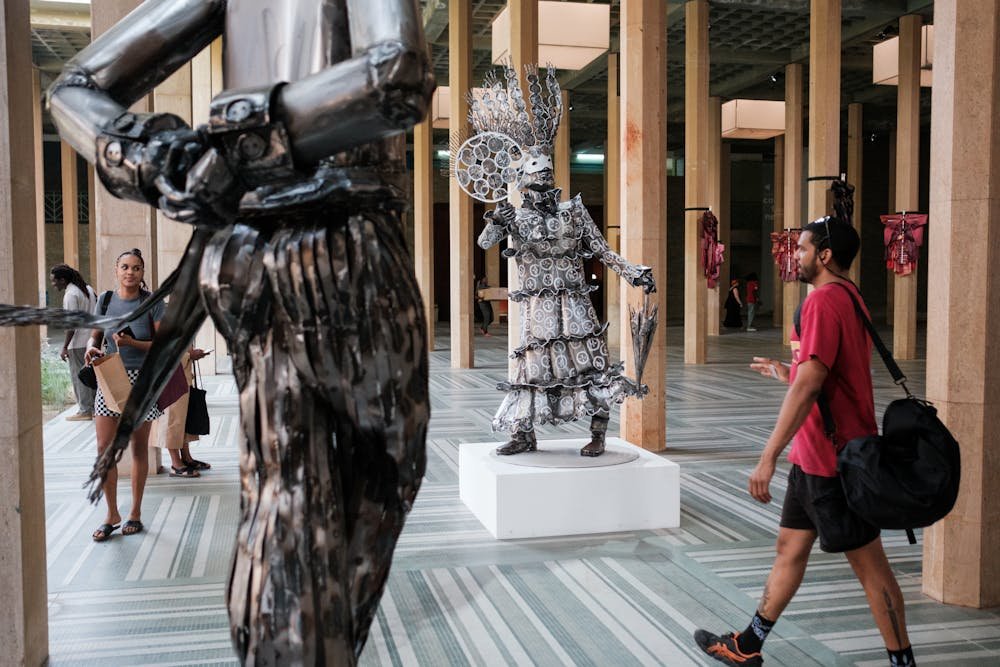
Together, these cities show that Africa’s cultural influence is not concentrated in one location. It is distributed across a network of creative capitals, each contributing its own rhythms, stories, aesthetics, and perspectives.
The future of global pop culture won’t belong to a single city. It will belong to the many African cities that have already proven they can inspire the world without losing sight of where they came from.