Leaving a label once looked like the fastest route to career suicide. This was because labels controlled studio budgets, distribution, and visibility. Walking away often meant starting over. But today, some of Africa’s biggest stars have proven that independence or simply moving beyond restrictive label structures can actually unlock a new level of success.
Instead of fading after departure, these artists expanded their brands, strengthened fan loyalty, and gained greater creative control. They become even more powerful after walking away from the very labels that introduced them to the world. Below are some of the African artists whose careers significantly took a better turn after leaving their labels.
Wizkid

Under Empire Mates Entertainment (EME), Wizkid was already a breakout star in Nigeria with hits like ‘Holla at Your Boy’ and ‘Pakurumo,’ but post-EME, his career took on a global dimension. From ‘Sounds from the Other Side’ to ‘Made in Lagos,’ Wizkid moved from national fame to a global star. He sold out arenas, collaborated with international superstars, won a Grammy award, and helped define Afrobeats as a global genre.
Burna Boy
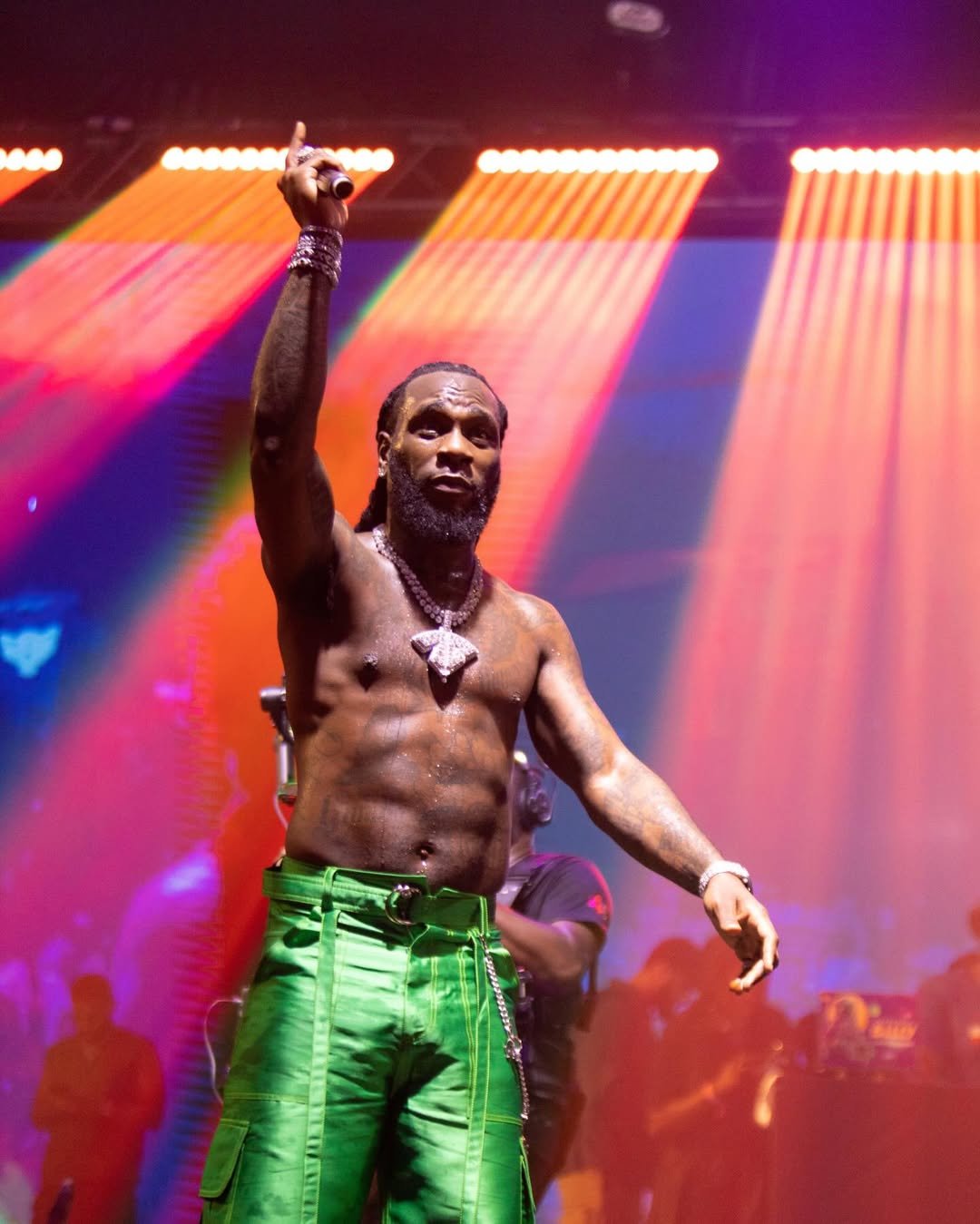
Burna Boy’s departure from earlier industry structures, including his split from Aristokrat Records, was a defining part of his rise. While his early career gave him exposure, his post-label independence era is where he fully established himself as a global power house. What changed wasn’t just scale; it was control. Burna Boy’s music became more cohesive, his messaging more intentional, and his brand more globally assertive. Albums like ‘African Giant’ and ‘Twice as Tall’ pushed him into Grammy-winning territory and positioned him as one of Africa’s most important cultural exports.
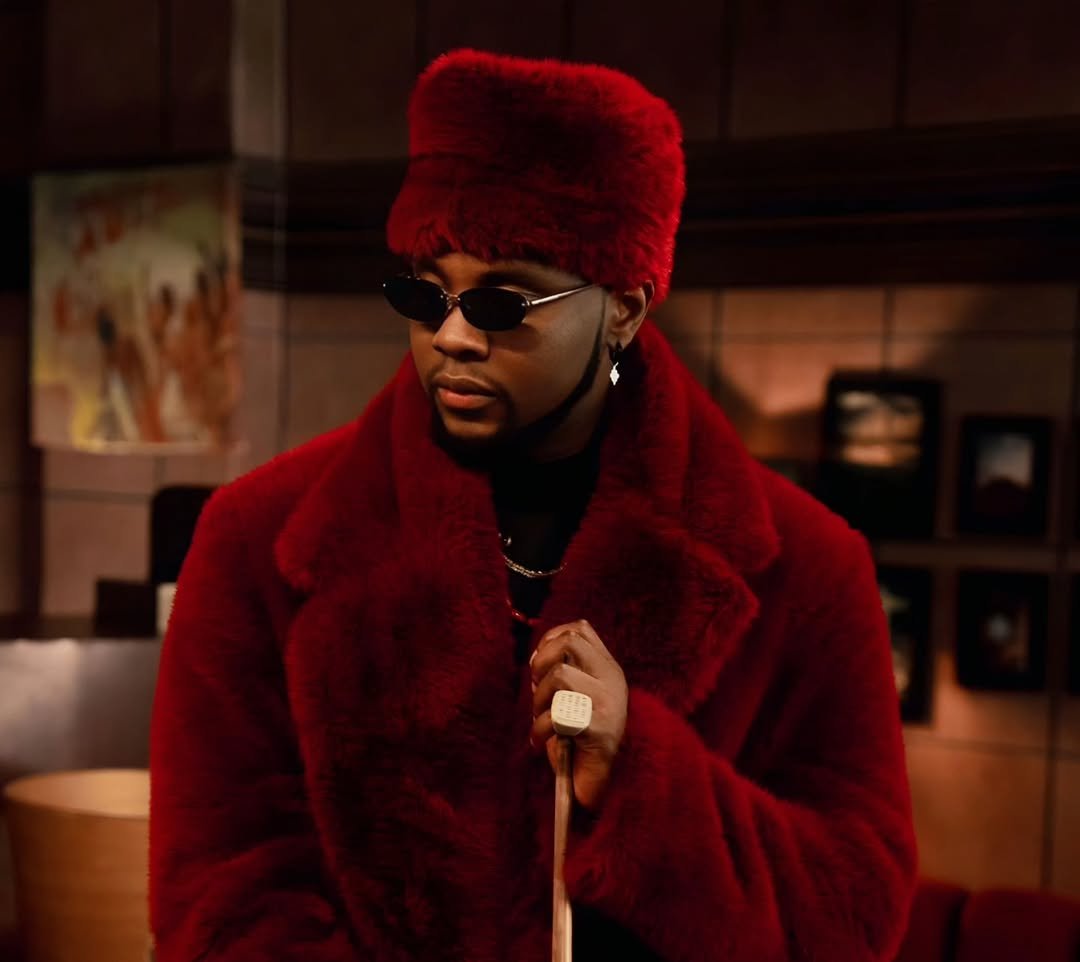
Kizz Daniel

The singer’s exit from G-Worldwide Entertainment was filled with legal battles and public controversy. At that time, many wondered whether he could survive outside the structure that launched him, but he became even bigger. Through his own imprint, Flyboy Inc., Kizz Daniel rebuilt his career and became one of Afrobeats’ most consistent hitmakers. Songs like ‘Buga’ and ‘Twe Twe’ proved that he could dominate commercially while maintaining artistic control.
Harmonize

In East Africa, Harmonize remains one of the clearest examples of post-label transformation. After leaving Wasafi Classic Baby (WCB), founded by Diamond Platnumz, many questioned whether he could maintain his momentum. Instead, Harmonize rebuilt. He established his own label, Konde Music Worldwide, through which he expanded his catalog, strengthened his brand identity, and positioned himself as both an artist and an executive.
Adekunle Gold
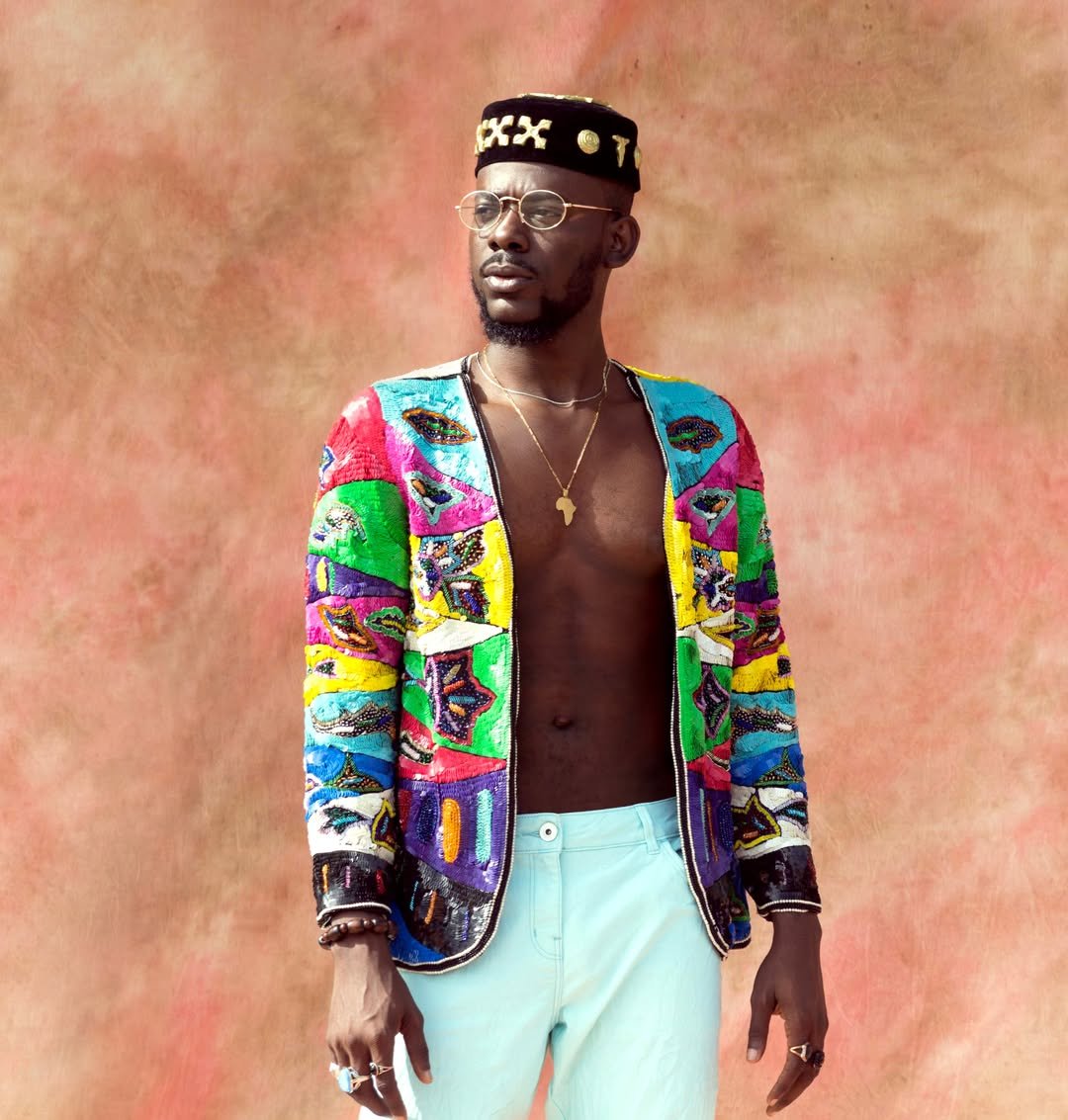
Adekunle Gold’s rise under YBNL Nation, led by Olamide, was already impressive, but his career took on a more global tone after he left the label. He also underwent one of the most noticeable reinventions in modern African music. During his early years, he was largely associated with highlife-inspired afropop and soft romantic storytelling. But outside the structure of a major label system, Adekunle Gold evolved creatively and aesthetically, transforming into a more globally aware, genre-fluid artist whose music began blending Afrobeats, R&B, pop, and alternative influences more confidently.
Tiwa Savage

While Tiwa Savage achieved major success under Mavin Records, her transition into a more independent and internationally connected phase elevated her global profile significantly. Her partnerships with Universal Music Group opened new international opportunities, collaborations, and visibility beyond the African market. It also made her one of Africa’s most globally recognized female artists.
Why Artists Leave
Money is part of the story, but rarely the entire story. Many artists leave labels because of ownership disputes, while others feel creatively boxed in. Some become frustrated with delayed releases, lack of transparency, or contracts signed too early in their careers.
Many artists sign deals without fully understanding publishing rights, royalty structures, or master ownership. Young musicians desperate for exposure often prioritize immediate visibility over long-term control. Years later, success changes the equation. Once artists realize their value, independence becomes more attractive.
Owning masters means owning legacy. It means controlling licensing, touring leverage, sync placements, and long-term revenue. In an era where catalog music generates massive income globally, ownership has become one of the industry’s biggest conversations.
Independence isn’t Always Easy
Still, independence is not a magic solution. Labels still provide resources many artists genuinely need. Going independent means carrying more responsibility with artists becoming business managers, marketers, and strategists simultaneously.
While some artists thrive under that pressure, others struggle without structure. The reality is that success after leaving a label usually depends on whether the artist already built a strong identity before leaving it. Fans stay loyal to artists who feel culturally important beyond industry machinery.
The African Music Industry is Changing
Artists are becoming more educated about contracts, and younger musicians are asking tougher questions. Conversations about publishing, royalties, ownership, and independence are more public than ever before. This new generation does not just want fame; they want leverage, and perhaps that is the biggest transformation of all.
For years, African artists fought for global recognition. Now many are fighting for the ability to own the worlds they create. Because in today’s music industry, leaving a label is no longer automatically the end of a story. Sometimes, it is the moment the real story finally begins.