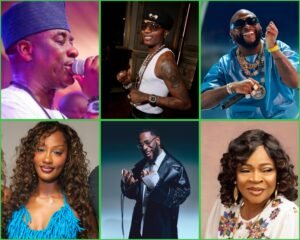
In the fast-moving world of music, success can feel temporary as trends change quickly and audiences are always on the lookout for the next big thing. For many artists, a few hit songs can bring fame. But maintaining that fame over decades is a different challenge.
Longevity in music demands reinvention, discipline, and a knack for connecting with audiences of all ages. Artists who remain relevant across generations aren’t simply talented. They are adaptable storytellers who know how to evolve with the times while remaining true to themselves.
Several musicians across Africa have perfected this delicate balance. From pioneers who helped shape entire genres to contemporary icons still dominating modern charts, these artists have proven that real influence goes beyond momentary success.
They have built careers that span decades, earning respect from both long-time fans and younger listeners discovering their music for the first time. These are some of the African artists whose music continues to shape the continent’s cultural soundtrack.
Youssou N’Dour (Senegal)
Youssou N’Dour is one of the few artists who embody longevity. Emerging in the late 1970s, he became one of Senegal’s most celebrated musicians and one of Africa’s most recognisable voices globally. N’Dour’s success lies in his ability to modernise the traditional Mbalax rhythms while collaborating with international artists. His work has earned him international acclaim, including Grammy Awards and success on tours around the world. The remarkable thing about Youssou N’Dour’s career is its consistency. Music trends might have evolved, but his sound has stayed true to his Senegalese roots, allowing him to connect with older fans and new generations discovering African classics. Apart from music, he has also been a cultural ambassador cementing his status as one of Africa’s most enduring icons.
Koffi Olomidé (DR Congo)
Koffi Olomidé started his music career in the late 1970s. He is one of the defining voices of Congolese music, helping shape the sound of modern Ndombolo and rumba across decades. He founded the Congolese band, Quartier Latin. Over the years, he has transitioned from band member to solo superstar, building a catalogue that appealed to audiences across multiple generations. His elaborate stage performances, distinctive vocal style, and strong visual branding made him one of the continent’s most recognisable performers. Even as younger Congolese artists entered the spotlight, Koffi remained culturally relevant by collaborating with rising talents and continuously refreshing his sound.
Angelique Kidjo (Benin Republic)
Angelique Kidjo is one of the few musicians that have successfully bridged international music arenas. Since the 1980s she has fused traditional African rhythms with jazz, funk and pop influences, creating a sound that has appealed to audiences across generations. Kidjo’s longevity is due to her willingness to experiment. She has always been able to collaborate with artists from other genres to keep her music fresh and relevant. Along with her recorded albums, Kidjo’s appearances at major international festivals have helped bring African sounds to audiences who are unfamiliar with the continent’s musical traditions. Her capacity to adapt and yet retain her cultural authenticity has made her one of the most respected and influential artists across Africa.
Salif Keita (Mali)
Known as the ‘Golden Voice of Africa’, Salif Keita has sustained an extraordinary career that spans more than four decades. Emerging from Mali’s rich musical heritage, Keita gained international recognition for his voice and powerful stage presence. His music combines traditional Malian sounds with modern production, creating timeless recordings that continue to resonate today. Keita’s continued influence highlights the importance of authenticity in building long-lasting careers.
King Sunny Adé (Nigeria)
Long before Afrobeats became a global phenomenon, King Sunny Adé was already introducing international audiences to Nigerian music. Rising to prominence in the 1970s, he helped bring Juju music to global stages, performing across Europe and North America at a time when African artists rarely received such exposure. What sets King Sunny Adé apart is his ability to sustain relevance across decades without abandoning his traditional roots. His music blends Yoruba rhythms with modern instrumentation, creating a sound that feels both historic and contemporary.
Fally Ipupa (DR Congo)
From his early days with the music band Quartier Latin to his rise as a solo star, Fally Ipupa has consistently reinvented himself to remain relevant in the evolving African music landscape. His ability to blend Ndombolo, R&B, and Afropop has helped him maintain popularity across Central Africa and beyond. Younger listeners often discover his music through contemporary collaborations, while long-time fans continue to support his signature style.
Yvonne Chaka Chaka (South Africa)
Yvonne Chaka Chaka emerged as one of South Africa’s most beloved artists in the 1980s and has maintained a strong presence in African music ever since. Her career spans decades of political change, cultural transformation, and musical evolution. Known for her powerful voice and socially conscious music, she has remained a respected figure in both entertainment and humanitarian work.
2Baba (Nigeria)
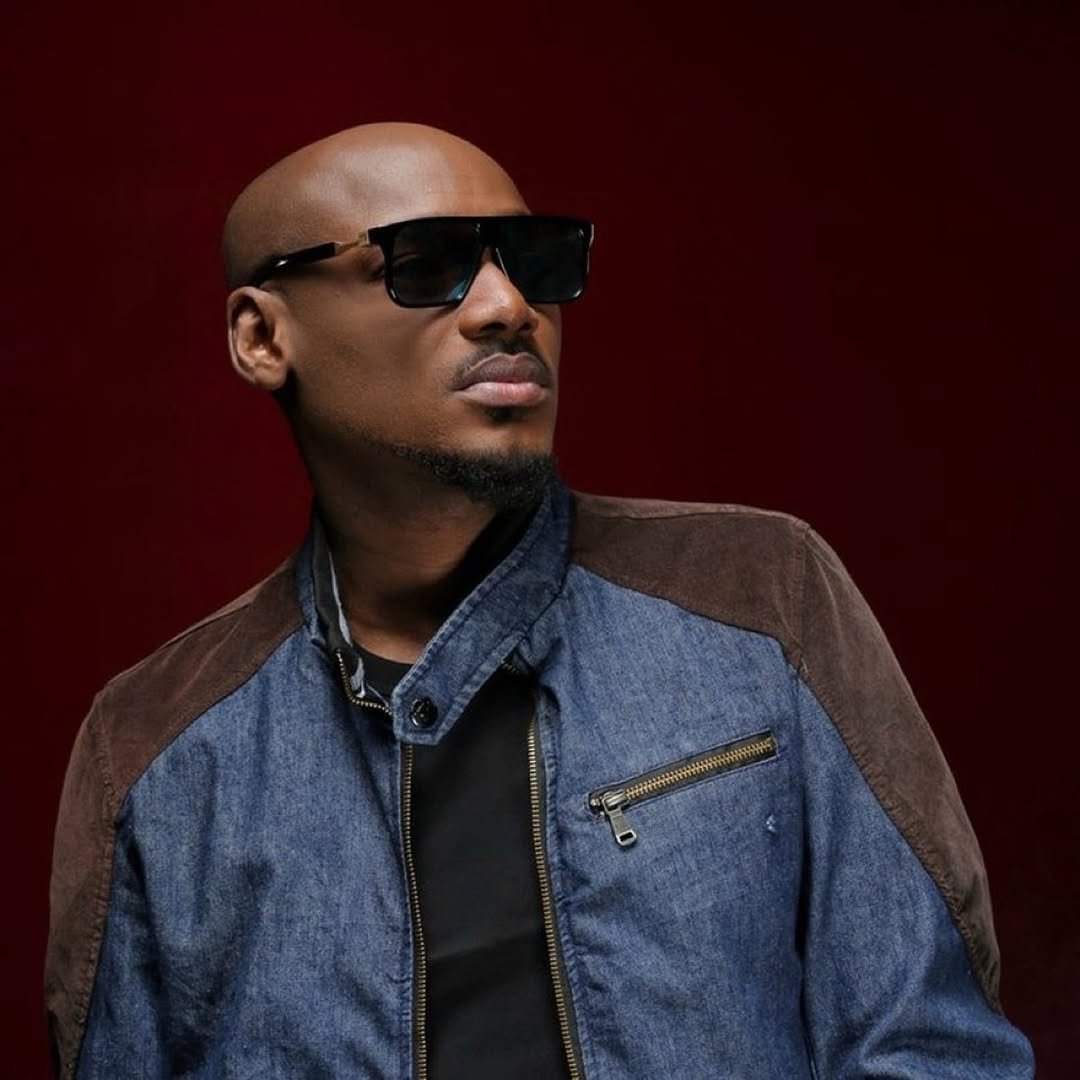
Few Nigerian artists have sustained relevance across generations like 2Baba, formerly known as 2Face Idibia. His breakout era in the early 2000s helped define the sound of Nigerian pop music. Songs like ‘African Queen’ became timeless classics, introducing African pop to audiences across continents. Over the years, 2Baba has remained active through collaborations with younger artists and consistent live performances. What distinguishes his career is his ability to remain culturally significant without chasing trends. This quality has earned him respect from both peers and fans.
Oumou Sangaré (Mali)
Oumou Sangaré, fondly called the Songbird of Wassoulou, has built a career that merges cultural preservation with modern musical innovation. Her work often addresses social issues, giving her music lasting emotional relevance. Her influence extends beyond entertainment, positioning her as a cultural advocate whose music resonates with audiences of all ages.
Tiken Jah Fakoly (Côte d’Ivoire)
Since the 1990s, Tiken Jah Fakoly has used reggae as a platform for political and social commentary, earning him recognition as one of Africa’s most influential musicians. His songs have maintained relevance because they reflect ongoing societal conversations. By speaking directly to the realities faced by African communities, he has built a loyal audience that spans generations and borders.
Why Longevity Matters in African Music
Longevity is more than personal achievement; it strengthens the industry as a whole. Artists who maintain relevance across decades create bridges between generations, connecting past musical traditions with contemporary innovation.
They also serve as mentors, inspiring younger musicians and shaping industry standards. Their careers become reference points, reminding new artists that sustainable success requires patience, creativity, and resilience. In many ways, these artists act as living archives of African music history.
The Legacy Continues
With African music commanding more global attention than ever before, the importance of generational icons becomes even more apparent. These artists remind us that music is not just about viral success; it is about building something that lasts. We know trends will change, but the music that will stay will belong to the artists who realise that longevity is tied to significance.