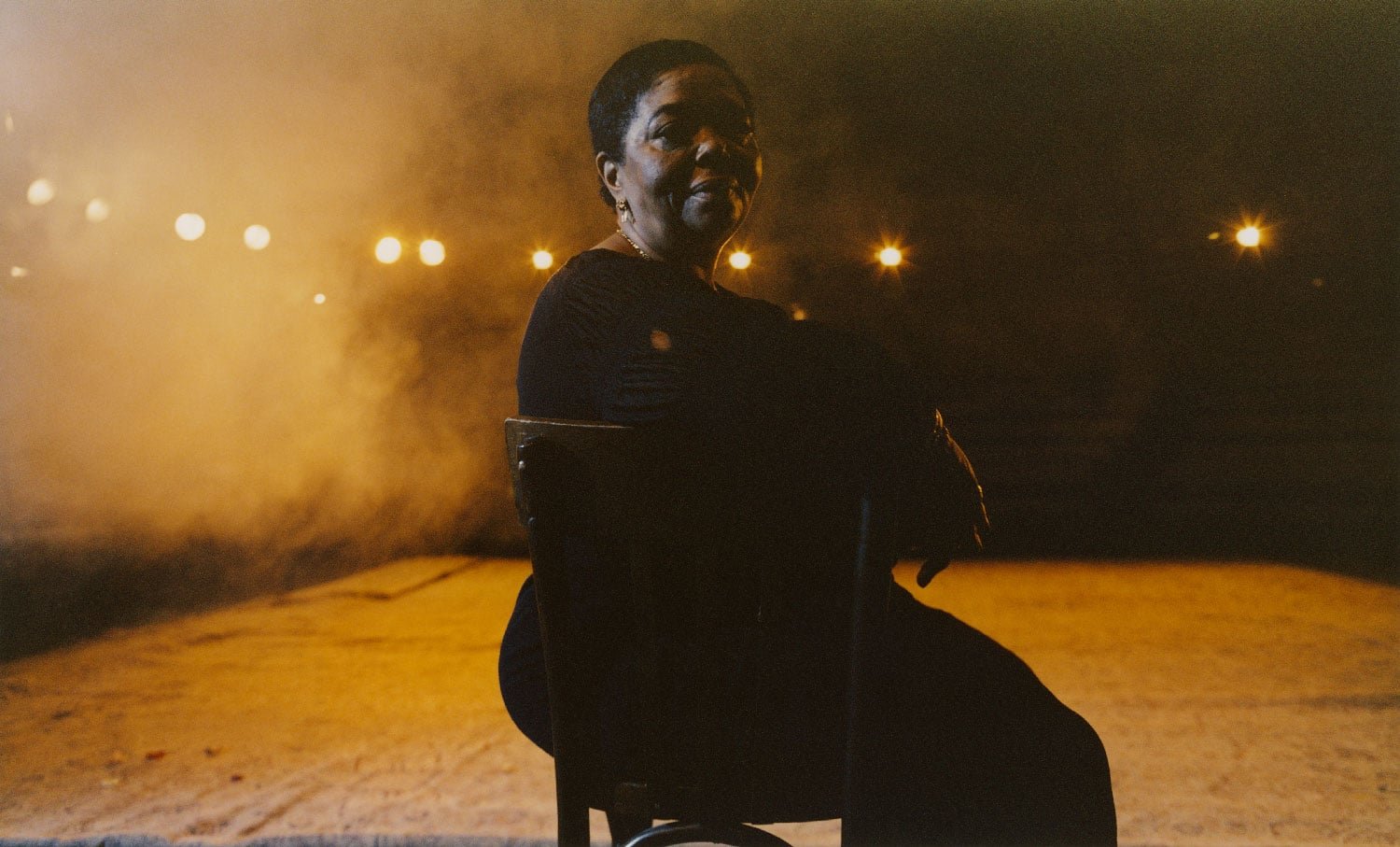
The Grand Palais in Paris has seen its fair share of spectacles, but on Monday, March 9, 2026, the atmosphere was different. As the fashion elite settled into their seats, the usual pulsing techno or avant-garde synth was replaced by something far more visceral: the unmistakable, gravelly warmth of Cesária Évora.
The choice of “Petit Pays”, a song that has served as an unofficial anthem for the Cape Verdean diaspora since its release on the 1992 landmark album Miss Perfumado, marked a bold statement for Chanel’s new creative director, Matthieu Blazy. In his highly anticipated debut for the maison, Blazy chose to anchor the future of the brand in the timeless melancholy of the morna.
The show, titled “Work in Progress”, featured a runway transformed into a high-fashion construction site, complete with brightly colored cranes and scaffolding. It was a setting that spoke of evolution and the building of a new legacy. Yet, it was the voice of “Cize” that provided the emotional scaffolding for the collection.
The juxtaposition was striking. As models emerged in silhouettes that blended Chanel’s classic tweed with Blazy’s modern, architectural sensibilities, the lyrics of Nando da Cruz’s “Petit Pays” echoed through the glass-domed hall. The song, a tribute to a “small country” (Cape Verde) that is “full of love,” brought a sense of grounded humanity to the industrial aesthetic.
This isn’t the only time Cesária Évora’s music has captured the global zeitgeist recently. “Petit Pays” also featured prominently in the soundtrack of the acclaimed film I’m Still Here (Ainda Estou Aqui), which recently took home the Oscar for Best International Feature Film. For many in the audience, the inclusion of Évora was a reminder of the enduring power of African music to transcend borders and genres. The morna, with its roots in the sodade (longing) of the islands, found a new home in the heart of French luxury, proving that true soul never goes out of style.
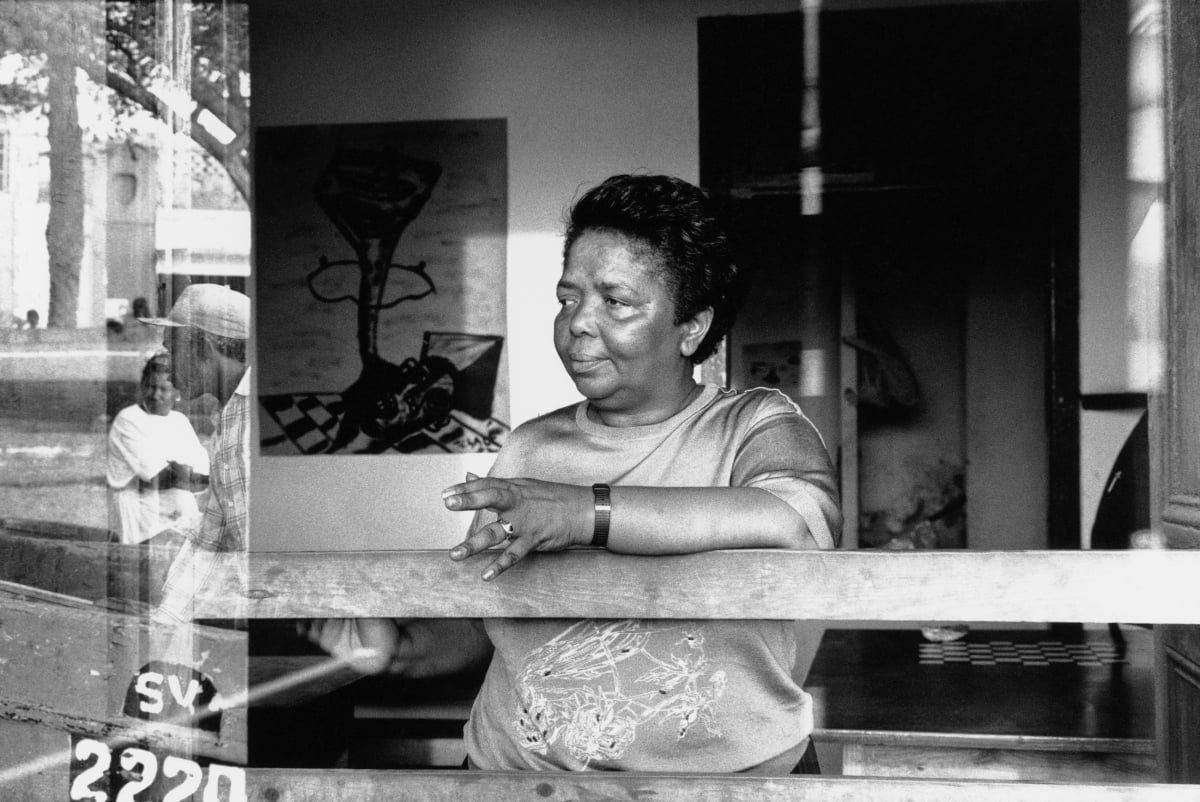
Cesária Évora, born in 1941 in Mindelo, Cape Verde, was a figure whose life story was as rich and complex as the music she created. Growing up in a port city, she was exposed to a melting pot of cultures and sounds, which deeply influenced her unique musical style. Her early career was spent singing in Mindelo’s bars and hotels, where she became a local legend, known for her powerful voice and the raw emotion she poured into her performances. Despite her immense talent, international recognition eluded her for decades. It wasn’t until her late 40s, yes, late 40s, through the efforts of producer José da Silva, that her career truly took off on the global stage.
Her breakthrough came with the 1992 album Miss Perfumado, which featured “Petit Pays” and catapulted her to international stardom. Suddenly, the world discovered the melancholic beauty of morna and coladeira, Cape Verde’s traditional musical genres. Évora’s music was characterized by its profound sodade, a Creole term that encapsulates a deep sense of longing, nostalgia, and melancholy. This feeling, so central to Cape Verdean identity, resonated universally, touching hearts across continents.
Cesária’s image was as iconic as her voice. She famously performed barefoot, a gesture that symbolized her solidarity with the poor women and children of her homeland and a refusal to forget her roots despite her newfound fame. This authenticity, combined with her powerful stage presence and a voice that could convey immense joy and sorrow simultaneously, made her a beloved figure worldwide. She sang in Cape Verdean Creole, making her music accessible through its emotional depth rather than lyrical understanding for many of her global fans.
Her importance extends far beyond her musical achievements. Cesária Évora became an ambassador for Cape Verde, bringing its culture, language, and struggles to the forefront of global consciousness. She opened doors for other Lusophone African artists and helped to shine a light on the rich musical traditions of the continent. Her success demonstrated that music rooted in local traditions could achieve global appeal without compromising its essence. She won a Grammy Award in 2004 for Best Contemporary World Music Album for Voz d’Amor, solidifying her status as a global music icon.
As the show reached its climax, the mood shifted. The soulful strains of Cape Verde gave way to a high-energy remix of Lady Gaga’s “Just Dance”, signaling the end of the presentation and the beginning of a new era for Chanel. But it was the opening notes, the sound of a woman who conquered the world’s greatest stages without ever needing shoes, that remained the talking point of the evening. In the intersection of Blazy’s industrial vision and Évora’s poetic longing, Chanel didn’t just show a collection; they told a story about where we come from and where we are going.
Even after her passing in 2011, Cesária Évora’s legacy continues to inspire. It is truly remarkable, and perhaps even amusing in a poignant way, to witness how, even today and long after her passing, the echo of her music continues to fill prestigious halls and captivate new audiences. Her music is a testament to the resilience of the human spirit, the beauty of cultural heritage, and the power of a single voice to connect diverse peoples. The recent use of “Petit Pays” by Chanel is not just a tribute to a song; it is an acknowledgment of the enduring impact of an artist who, with her bare feet and soulful voice, walked her way into the hearts of millions and left an indelible mark on the world stage. Her story is a powerful reminder that talent, authenticity, and perseverance can overcome any obstacle, and that true artistry knows no boundaries of age, origin, or language. Her influence can be heard in contemporary world music and felt in the continued celebration of Cape Verdean culture on the global stage.
She was, and remains, a beacon of hope and a symbol of cultural pride for CapeVerde and for Africa as a whole.