Drill music is a subgenre of hip-hop defined by its dark, bass-heavy production; ominous melodies; sliding 808s; and lyrics about the realities of street life. Emerging from Chicago in the early 2010s before evolving through the UK into a globally recognised movement, drill has become one of the most influential sounds of modern youth culture.
The genre has undergone something even more remarkable in Africa. It has been reimagined through local languages, indigenous rhythms, cultural identities, and lived experiences. Rather than simply replicating the sounds of Chicago or London, African artists have transformed drill into something that they can call their own.
They rap in Twi, Sheng, Swahili, Kinyarwanda, Pidgin English, and countless local dialects and blend traditional rhythms with booming 808s. They infuse Afrobeats, trap, grime, and Afro-fusion into their music, and tell stories that resonate deeply with their communities.
Today, drill has become more than a genre across Africa; it is a cultural movement, a youth identity, and a powerful vehicle for storytelling.
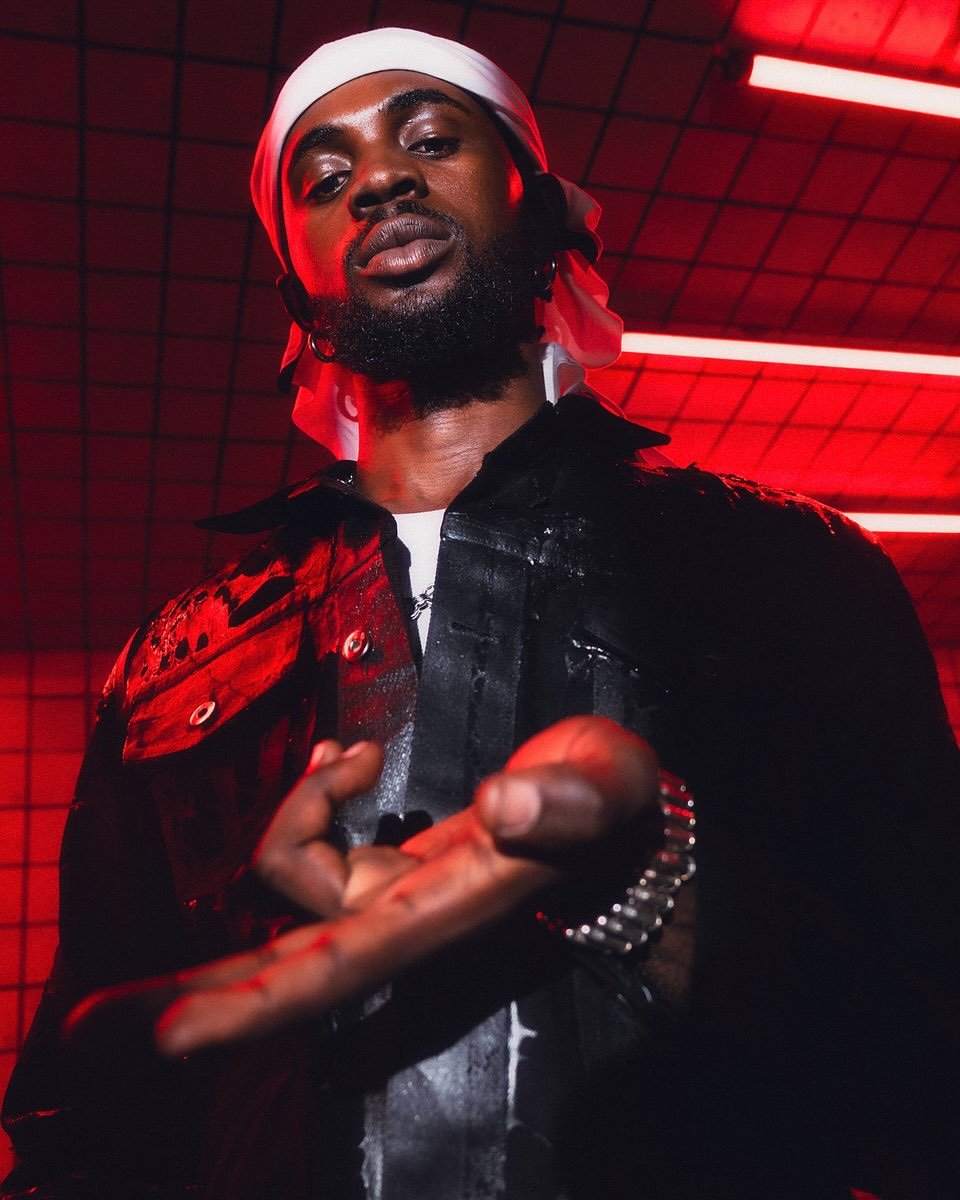
Countries Championing Drill Music in Africa
These African countries have transformed drill music to a genre they can call their own. Without losing authenticity, African artists are sharing their experiences through drill.
Ghana
If one country can be credited with igniting Africa’s drill explosion, it is Ghana. Known locally as Asakaa or Kumerica Drill, the movement emerged from Kumasi in Ghana’s Ashanti Region. Inspired by UK drill and Chicago’s pioneering sound, young artists from Kumasi began creating music that reflected their own realities rather than imitating foreign narratives.
This resulted in Asakaa, a Ghanaian interpretation of drill characterised by thunderous basslines, eerie melodies, energetic flows, and rapid-fire verses delivered in both Twi and English. Unlike traditional drill, Asakaa embraced Ghanaian cultural references, fashion, slangs, and community pride. The movement even coined “Kumerica”, a fictional identity that playfully compared Kumasi to America while celebrating local street culture.
The genre’s international breakthrough arrived through artists like Yaw Tog, whose breakout hit Sore became one of Ghana’s biggest records and introduced Asakaa to audiences across Africa and beyond. Alongside him, Black Sherif expanded drill’s emotional boundaries, helping Ghanaian drill gain worldwide recognition. Other influential figures including O’Kenneth, Kwaku DMC, Beeztrap KOTM, and Jay Bahd have continued to push the movement forward. Thanks to them, today Asakaa stands as one of Africa’s most influential homegrown hip-hop movements.
Kenya
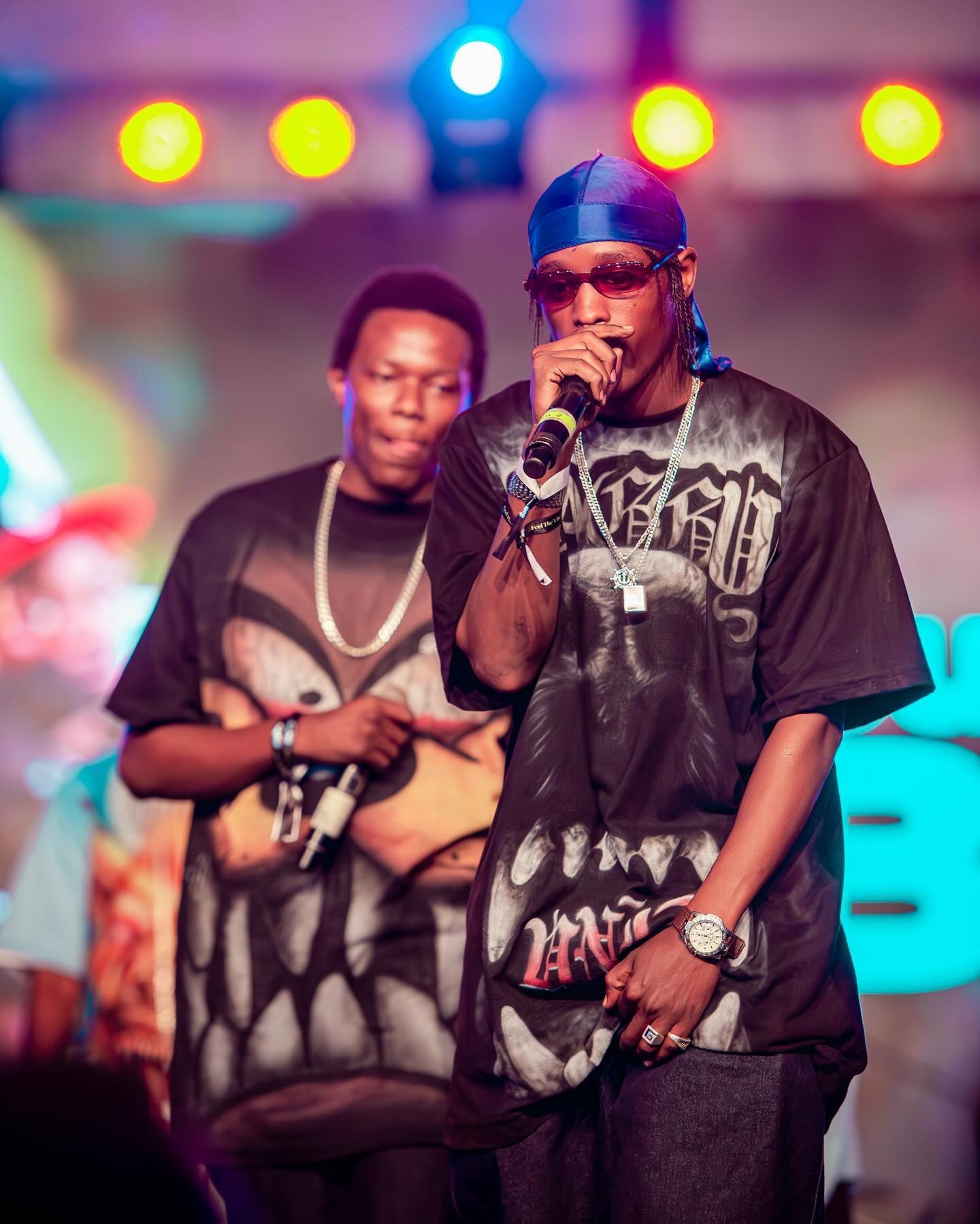
Hundreds of miles east, Kenya has built one of the continent’s most authentic drill scenes. Centred in Nairobi, particularly neighbourhoods like Buruburu, Kenyan drill mirrors the realities of urban youth through haunting production, aggressive flows, and vivid storytelling. It features dark 808s, cinematic instrumentals, and uncompromising lyrics depicting survival, ambition, friendship, and life in Nairobi’s neighbourhoods.
What distinguishes Kenya’s sound is language. Artists effortlessly weave together the capital’s ever-evolving street slang, Sheng, with English and Swahili, creating a uniquely Kenyan identity that feels authentic to local listeners while intriguing international audiences.
Groups like Wakadinali and Buruklyn Boyz pioneered the Nairobi drill sound. The two groups have earned critical acclaim for their lyrical depth and street narratives. Kenyan drill has become more than music; it has become documentation of contemporary Nairobi life.
Nigeria
Nigeria’s music industry rarely adopts global trends without reshaping them, and drill has been no exception. Emerging primarily from Abuja and Lagos, Nigerian drill fuses the genre’s signature tempo with Nigerian street culture, Afrobeats melodies, grime influences, and indigenous slang. Rather than relying solely on aggression, Nigerian drill often incorporates melodic choruses and rhythmic bounce that reflect the country’s rich musical heritage.
Naija drill artists move between English, Pidgin, Yoruba, Hausa, and other Nigerian languages, giving the genre broader appeal while preserving its street credibility. Leading the movement is Odumodu Blvck, whose commanding delivery and genre-bending approach have made him one of Nigeria’s defining voices. By combining drill, hip-hop, Afrobeats, and grime influences, he has shown how versatile African drill can become.
Alongside him, PsychoYP has remained a pioneer of Nigeria’s alternative rap scene, while Remy Baggins and KVV continue expanding the country’s drill landscape through innovative production and lyrical experimentation. Unlike many global drill movements, Nigeria’s version balances street narratives with mainstream accessibility, allowing artists to dominate both streaming platforms and festival stages.
Côte d’Ivoire
In Francophone Africa, Côte d’Ivoire has carved out its own lane through Rap Ivoire, a movement that draws inspiration from American drill while remaining deeply rooted in Ivorian street culture. Centred in Abidjan, Rap Ivoire combines booming drill production with Nouchi, the country’s vibrant urban slang, creating music that is as witty as it is hard-hitting.
Rather than focusing solely on street narratives, many artists weave topical humour, social commentary, and everyday experiences into their lyrics, giving the genre an Ivorian personality. Among its leading voices is Didi B, whose polished delivery and crossover appeal have helped bring Rap Ivoire to a wider African audience.
He is joined by Suspect 95, celebrated for his clever lyricism and satirical storytelling, and Himra, one of the movement’s fast-rising stars, whose energetic performances continue to push the genre’s popularity across the Francophone world. As Rap Ivoire gains momentum, it is proving that drill can thrive just as powerfully in French-speaking Africa as it has in its Anglophone counterparts.
Rwanda
Rwanda has developed one of Africa’s most fascinating interpretations of drill through a movement known as KinyaTrap. Based in Kigali, KinyaTrap blends the hard edges of Brooklyn drill and UK grime with trap production, Afropop rhythms, and Rwandan musical influences.
Its defining characteristic is language as artists switch between Kinyarwanda, Swahili, French, and English within a single song, reflecting Rwanda’s multilingual society while expanding the genre’s creative possibilities. Instead of just emphasising on street toughness, KinyaTrap embraces lyrical versatility, cultural pride, and experimentation.
Leading the movement is Ish Kevin, widely regarded as the genre’s biggest breakout star. His 2021 releases, “No Cap” and “Amakosi”, are considered among the finest drill records from East Africa, earning him recognition beyond Rwanda’s borders. The foundations of KinyaTrap, however, were laid by Bushali, who is widely credited as the pioneer of the genre.
A New Chapter in African Hip-Hop
Across Africa, drill has become far more than a soundtrack for urban neighbourhoods. It has created opportunities for young creatives to tell stories that mainstream music often ignores. The drill movement shows Africa’s remarkable ability to localise global genres without losing cultural authenticity.
The genre continues to evolve as more countries, including South Africa, Uganda, Tanzania, and Zimbabwe, develop their own interpretations, ensuring that Drill’s African story is still being written. What began in Chicago has found new life across Africa, where booming basslines now carry African languages, histories, and aspirations.
In the process, drill has become more than an imported sound; it has become one of the defining voices of a new generation of African music, proving once again that when global genres arrive on the continent, Africa rarely imitates. It innovates.