Every February, Marrakech moves to a different frequency.
The Red City becomes a meeting ground for artists, dreamers, and cultural architects who are quietly reshaping how African creativity travels across the world. Inside hotel corridors, gallery openings, and late-night conversations, something shifts. The narrative changes. African contemporary art stops orbiting around established centres and begins to define its own gravity.
At the heart of this transformation sits the 1-54 Contemporary African Art Fair, unfolding within the iconic La Mamounia. More than a fair, it feels like a living conversation about identity, diaspora, and the evolving language of global culture. What happens here each year is not simply about exhibition or commerce. It is about momentum, about a generation claiming space on its own terms.
A Platform That Grew Into a Cultural Movement
When 1-54 first launched, it emerged as a response to a gap in the global art ecosystem. Contemporary African artists were gaining visibility, yet many conversations still framed their work through Western institutional expectations. The fair created a platform shaped by African perspectives, allowing artists, galleries, and collectors to engage on more equal footing.
Over time, that vision expanded into something larger than a marketplace. Each edition strengthened connections between cities, communities, and artistic networks, transforming the fair into a cultural anchor point. Marrakech, with its layered history as a crossroads between Africa, Europe, and the Middle East, became a particularly resonant setting for this evolution.
The 2026 edition brought together more than 20 exhibitors from over a dozen countries, presenting the work of more than 70 artists from across Africa and its diaspora. Over four days, more than 12,000 visitors moved through the fair, not only to buy or observe, but to participate in an ongoing cultural dialogue. These numbers reflect growth, but the atmosphere inside the fair tells a deeper story. It feels less like a niche platform seeking recognition and more like an ecosystem that has matured into its own centre of gravity.
Walking through the exhibition spaces, there is a sense of familiarity that goes beyond professional networking. Artists greet each other as collaborators rather than competitors. Curators move slowly through booths, taking time to listen. The atmosphere suggests that the fair has matured into a community shaped by shared histories and evolving conversations.
Moving Beyond the Language of “Emerging”
For years, African contemporary art has been framed through the vocabulary of discovery. The word emerging appears frequently, suggesting a continent permanently on the verge of arrival. Walking through the Marrakech edition, that language begins to feel outdated.
Artists present works rooted in archives, spirituality, political history, and speculative futures without the need to translate themselves for an external gaze. The fair creates space for conversations happening within the continent and across its diaspora, shifting the focus away from validation and towards dialogue.
This change is subtle but powerful. Rather than positioning African art as a category within a global system, 1-54 allows it to operate as a defining force within that system. The narrative moves from arrival to authorship.
Marrakech as Collaborator
Unlike many international fairs confined to neutral convention spaces, 1-54 Marrakech feels inseparable from the city itself. The programme extends beyond La Mamounia into galleries, studios, and public spaces across Marrakech, transforming the city into a living cultural map. Talks unfold alongside exhibitions. Studio visits evolve into late-night conversations that blur the boundaries between professional exchange and personal connection.
More than 40 events unfolded throughout the city during the 2026 edition, reflecting a collaborative approach that reshapes how audiences experience art. A discussion begun in a hotel salon might continue hours later in Gueliz or the medina. Artists meet collectors over dinner. Writers document fleeting moments that later become essays or collaborations.
This distributed energy changes the rhythm of the fair. Instead of rushing through booths, visitors slow down, allowing encounters to unfold organically. Marrakech becomes more than a backdrop. It acts as a collaborator, shaping how art is experienced through movement, sound, and proximity.
Plural Practices, Shared Questions
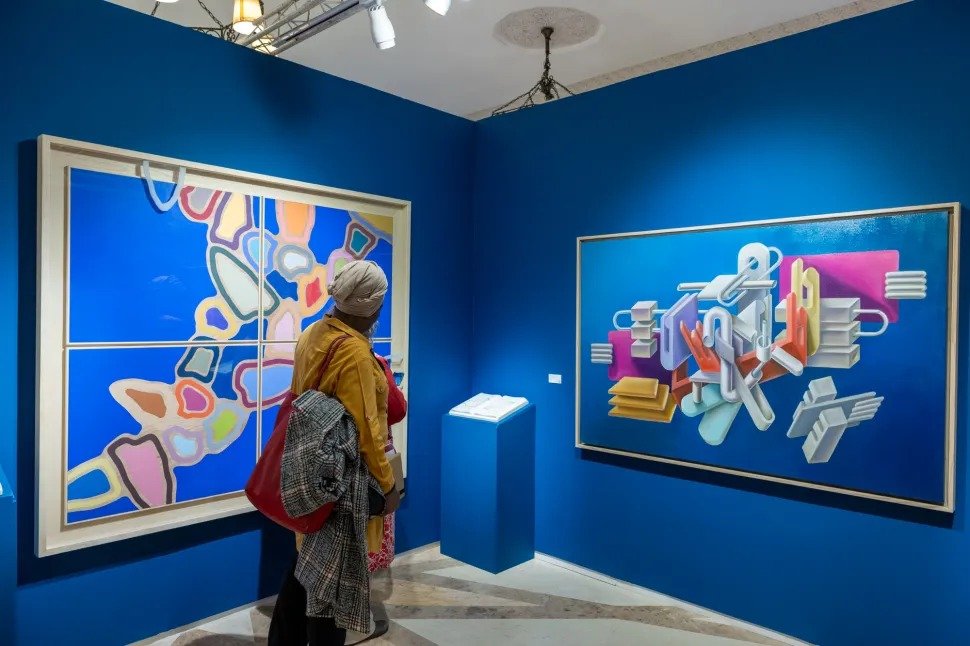
What defined this edition was not a single aesthetic but a coexistence of practices. Photography rooted in personal archives sat alongside sculptural works shaped by performance and movement. Painting moved fluidly between abstraction and storytelling. Textile works carried echoes of craft traditions while addressing contemporary political realities.
Themes of migration, femininity, spirituality, and environmental urgency surfaced repeatedly, yet nothing felt reduced to a trend or formula. Instead of presenting a unified narrative of African identity, the fair embraced multiplicity.
Emerging artists shared space with established voices, creating a sense of continuity across generations. Visitors lingered, returning to works that resonated long after first encounters. In an art world often defined by speed and spectacle, that slower rhythm felt quietly radical.
Diaspora as Dialogue
One of the defining strengths of 1-54 Marrakech lies in how it frames diaspora. Artists working between cities such as Paris, Dakar, London, Abidjan, and New York are not presented as distant observers of the continent. Their practices exist within an ongoing cultural dialogue shaped by movement, memory, and belonging.
Diaspora here becomes continuity rather than separation. Artists bring layered perspectives shaped by multiple geographies, challenging fixed notions of identity. The fair becomes a place where creative communities reconnect despite geographic distance, forming alliances that extend beyond the duration of the event.
For many participants, Marrakech represents a point of reconnection. It is a space where histories intersect, and new conversations begin, where artists who rarely share physical proximity find themselves in dialogue.
Visibility in a Digital Era
While the physical experience remains central, the influence of 1-54 Marrakech extends far beyond the exhibition space. International media coverage and digital storytelling amplify the reach of artists and galleries, allowing audiences across continents to engage with the fair in real time. Online platforms become an extension of the exhibition itself, documenting moments that might otherwise remain ephemeral.
Daily images, short videos, and behind-the-scenes glimpses circulate widely, offering audiences a sense of proximity even from afar. Artists share fragments of process, curators introduce new voices, and viewers engage in conversations that unfold across time zones. The fair becomes both a physical gathering and a digital archive, one that continues to grow long after the final day ends.
This hybrid presence reflects a broader transformation in how African-led cultural platforms construct visibility. Rather than relying solely on established Western institutions, they build their own ecosystems of attention. Social media becomes not only a promotional tool but a space of authorship, where artists and organisers shape the narrative on their own terms.
At the same time, the digital dimension raises new questions about access and representation. Who gets to be seen, and how? Which stories travel further, and which remain local? These tensions add another layer to the experience of the fair, revealing the complexities of navigating a global audience while remaining rooted in specific cultural contexts.
Market, Community, and Cultural Responsibility
Beyond its cultural resonance, 1-54 Marrakech plays an important economic role. Galleries from across Africa and beyond gather to present works to collectors increasingly attentive to the diversity of contemporary African practices. The fair offers opportunities for artists to connect with new audiences and for galleries to build relationships that extend beyond a single event.
Yet the atmosphere rarely feels purely transactional. Conversations around pricing, accessibility, and long-term sustainability unfold alongside exhibition openings. Many galleries operate with limited resources compared to larger international counterparts, yet they bring deep contextual knowledge that reshapes how artworks are understood and valued.
Balancing commercial success with cultural responsibility remains an ongoing challenge. How can the market support artists without reducing their work to trends? How can institutions engage with African art without imposing external frameworks? These questions linger quietly beneath the surface, shaping the way participants move through the fair.
Rather than offering definitive answers, 1-54 creates space for dialogue. Artists speak openly about the realities of working across continents. Collectors approach works with curiosity rather than urgency. Curators explore ways to create sustainable platforms that extend beyond the art fair model itself.
A Generational Shift
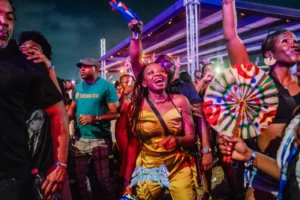
Perhaps the most striking aspect of the 2026 edition is the presence of a younger audience. Students, emerging creatives, and local visitors move through the fair with a sense of curiosity that feels grounded rather than intimidated. Contemporary African art no longer feels confined to exclusive circles. Its influence ripples into fashion, music, film, and digital culture, shaping how a new generation imagines itself.
This generational energy transforms the fair into more than an industry event. Designers attend artist talks, musicians move between exhibitions, and writers capture fragments of conversation that later evolve into essays or collaborations. The boundaries between disciplines blur, creating an atmosphere that feels closer to a cultural festival than a traditional art fair.
Younger artists in particular bring a fluid approach to medium and identity. Their practices move between digital and physical spaces, between heritage and experimentation. They reference archives while imagining speculative futures, challenging viewers to rethink what contemporary African art can be.
The presence of local audiences also shifts the dynamic of the fair. Rather than feeling detached from its surroundings, the event becomes embedded within the city’s cultural life. Marrakech residents attend openings alongside international visitors, creating moments of exchange that feel grounded in lived experience rather than abstraction.
Between Global Fairs and Local Realities
To understand the significance of 1-54 Marrakech, it helps to place it within a wider landscape of international art fairs. Events in cities such as London, New York or Basel have long shaped how contemporary art circulates globally, often reinforcing existing hierarchies around visibility and market power. What distinguishes Marrakech is not simply its focus on African artists, but the way it reframes what an art fair can be.
Here, the atmosphere feels less transactional and more conversational. Instead of the fast-paced rhythm that defines many global fairs, visitors encounter a slower cadence that encourages reflection. Galleries present works with a sense of context, allowing audiences to engage with artistic narratives rather than rushing toward quick acquisitions. This shift creates space for a different kind of attention, one that prioritises dialogue over spectacle.
The relationship between local realities and global audiences becomes particularly visible in Marrakech. While international collectors and curators attend the fair, local artists and residents remain central to its energy. Conversations move fluidly between languages, reflecting the layered identities that shape contemporary African creativity. The fair becomes a space where global art discourse intersects with everyday life, grounding abstract ideas within lived experience.
At the same time, the presence of international attention raises questions about sustainability. As African art gains visibility within global markets, artists and galleries navigate new expectations around production, pricing, and representation. Some embrace the opportunities that come with increased exposure, while others reflect on the pressures that accompany rapid growth. These tensions do not diminish the fair’s impact. Instead, they reveal the complexity of building an ecosystem that balances cultural integrity with economic reality.
The Sound of a Cultural Shift
Beyond visual art, the energy of 1-54 Marrakech resonates across other creative fields. Musicians attend openings, designers draw inspiration from installations, and filmmakers document the shifting atmosphere of the city. The boundaries between disciplines blur, creating an environment that feels closer to a cultural festival than a traditional art fair.
This interdisciplinary presence aligns naturally with the ethos of publications like Rolling Stone Africa, where art is rarely isolated from music, fashion, or social change. The aesthetics emerging from contemporary African art ripple outward, influencing album covers, editorial photography, and digital culture. What begins as a visual language inside a gallery often travels into wider creative ecosystems, shaping how audiences perceive African identity in the present moment.
Younger creatives move between these worlds effortlessly. A photographer exhibiting at the fair might collaborate with a musician the following week. A designer attending a talk might reinterpret visual motifs within a fashion collection. These crossovers reveal how contemporary African art operates not as a fixed category but as a fluid network of influence.
Slowness as Resistance
In a cultural landscape driven by speed, the slower tempo of 1-54 Marrakech feels almost like a form of resistance. Visitors linger in front of works longer than expected. Conversations unfold without urgency. Artists speak openly about process rather than performance. This slower rhythm challenges the assumption that art must constantly compete for attention within an oversaturated digital environment.
Slowness allows nuance to emerge. It creates space for viewers to encounter works that address difficult histories or complex emotional landscapes without reducing them to quick impressions. In Marrakech, that pace feels intentional, shaped by the city’s own rhythms as much as by curatorial decisions.
This approach also reflects a broader shift within contemporary African creativity, one that values depth over spectacle. Artists explore themes that require time to absorb, inviting audiences into a more contemplative mode of engagement. The fair becomes a reminder that cultural impact is not always measured by speed or scale, but by the quality of attention it generates.
Reading the Present to Understand the Future
The continued growth of 1-54 Marrakech signals more than the success of a single fair. It reflects a broader rebalancing of cultural influence within the global art landscape. African-led initiatives are building infrastructures that merge curatorial experimentation with intellectual exchange and economic agency.
As institutions around the world reconsider how they engage with African art, fairs like 1-54 demonstrate that meaningful change often emerges from independent platforms rather than established centres of power. They offer alternative models for collaboration, allowing artists to shape the narrative rather than simply respond to it.
Marrakech, with its cosmopolitan energy and layered histories, feels like an appropriate stage for this transformation. The city offers both grounding and openness, allowing artists and audiences to engage without rigid expectations. Its position between continents mirrors the fluidity of contemporary African creativity itself.
Looking ahead, the fair suggests new possibilities for how African art can move through the world. Not as a category defined by geography, but as a dynamic network shaped by relationships, histories, and shared imagination.
Where New Centres Take Shape
As Marrakech slips back into its familiar rhythm, the frequency lingers. Conversations started in quiet corners continue across cities and time zones, carried by artists who refuse to wait for permission to define their place in the world. The 1-54 Contemporary African Art Fair is not simply reflecting a movement. It is amplifying it, tuning the global art landscape to a different signal.
For a few days each year, the Red City becomes a space where new centres are imagined and where African creativity speaks with clarity and confidence. The impact of those days extends far beyond the exhibition rooms, shaping how artists collaborate, how audiences engage, and how the future of contemporary culture is understood.
And as the city settles back into its everyday rhythm, one thing remains clear. The frequency has shifted, and it is no longer possible to ignore the voices redefining the sound of global art.
Balancing commercial success with cultural responsibility remains an ongoing conversation. Many galleries operate with limited resources compared to larger international counterparts, yet they bring deep contextual knowledge that reshapes how artworks are understood.
Rather than feeling purely transactional, the atmosphere suggests a commitment to long-term relationships. Artists, curators, and audiences appear invested not only in visibility but in building structures that support creative growth beyond the duration of the fair.
A Generational Energy
Perhaps the most striking aspect of the 2026 edition is the presence of a younger audience. Students, emerging creatives, and local visitors move through the fair with curiosity rather than distance. Contemporary African art no longer feels confined to elite circles. Its aesthetics ripple into fashion, music, film, and digital culture, shaping how a new generation imagines itself.
This generational energy transforms the fair into more than an industry event. It becomes a space of experimentation where disciplines intersect. Designers attend artist talks. Musicians collaborate with visual artists. Writers capture the atmosphere of the city as it shifts into a different cultural rhythm.
Reading the Present to Understand the Future
The continued growth of 1-54 Marrakech signals more than the success of a single fair. It reflects a broader rebalancing of cultural influence within the global landscape. African-led initiatives are building infrastructures that merge curatorial experimentation with intellectual exchange and economic agency.
Marrakech, with its cosmopolitan energy and layered histories, feels like an appropriate stage for this transformation. Its position between continents mirrors the fluidity of contemporary African creativity itself.
As institutions around the world reconsider how they engage with African art, fairs like 1-54 demonstrate that meaningful change often emerges from independent platforms rather than established centres of power.
Where New Centres Take Shape
As Marrakech slips back into its familiar rhythm, the frequency lingers. Conversations started in quiet corners continue across cities and time zones, carried by artists who refuse to wait for permission to define their place in the world. The 1-54 Contemporary African Art Fair is not simply reflecting a movement. It is amplifying it, tuning the global art landscape to a different signal.
For those who return to Marrakech each year, the fair is no longer just an event marked on a calendar. It becomes a point of orientation, a reminder that cultural movements rarely announce themselves loudly at first. They grow through repetition, through community, through the quiet accumulation of voices refusing to stay on the margins. As artists pack their works and the city exhales back into its everyday rhythm, what remains is not only the memory of exhibitions, but the feeling that something fundamental has shifted. The centre is no longer fixed. It is moving, expanding, and listening differently. And in that movement, Marrakech continues to hold space for a future that feels undeniably its own.