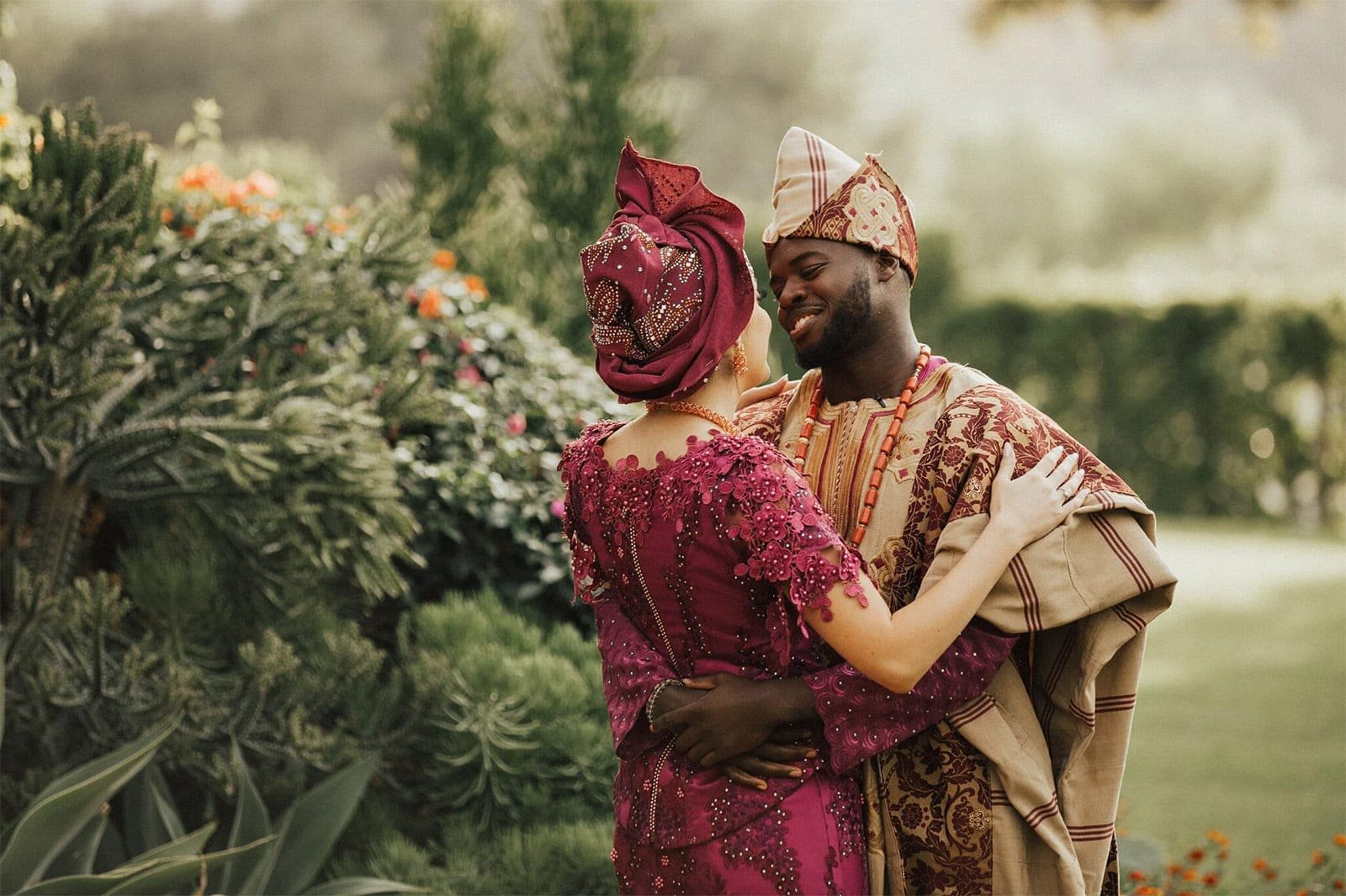
In many parts of the world, music trends fade quickly, but African weddings create a unique cultural space where songs endure. Music carries memory, emotion, and family identity at African weddings. From grand entrances and bridal dances to emotional parent moments and packed dance floors, certain songs continue to survive for years. This is because weddings keep reintroducing them to new generations, providing longevity beyond chart success.
Where Music Becomes Tradition
At African weddings, music is not treated as background noise. It becomes part of the ceremony itself. There are songs that are tied to specific emotional moments like couple entrances, bridal processions, money-spraying, family dances, and after-parties. Over time, these songs stop feeling temporary and begin to feel ceremonial.
That is why songs released years ago still dominate wedding playlists today. 2Baba’s African Queen continues to appear at weddings across Africa more than two decades after release. The song’s romantic simplicity and emotional sincerity transformed it from a hit record into a cultural wedding staple.
Romance Gives Songs a Second Life
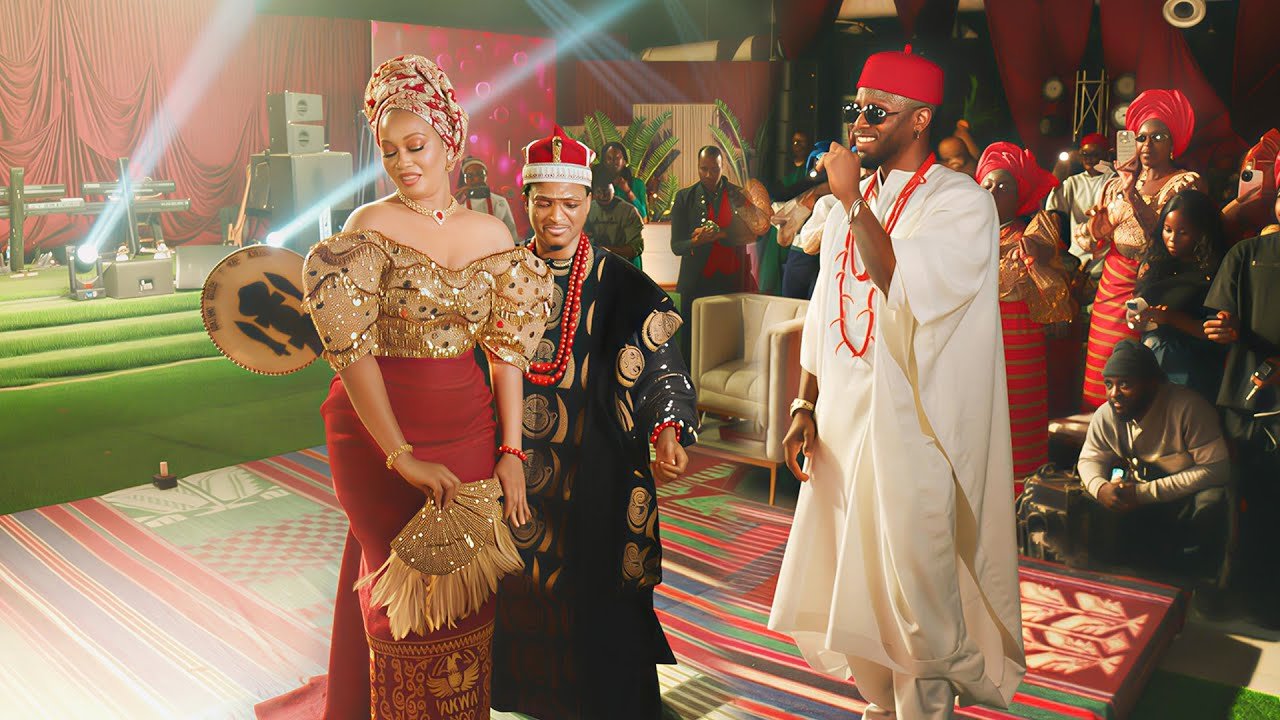
Wedding culture rewards emotional music more than mainstream music culture does. A club hit may dominate nightlife for one year, but wedding songs survive through emotional connection. Songs with lyrics about love, commitment, family, and celebration gain renewed meaning every time that there is a wedding. Tracks like ‘Ada Ada’ by Flavour became deeply connected to traditional marriage celebrations, especially within Igbo wedding culture. Other romantic songs that get played include Sunny Neji’s ‘Oruka,’ Timi Dakolo’s ‘Iyawo Mi,’ and Tosin Martins’ ‘Olo Mi.’
The Power of Nostalgia Across Generations
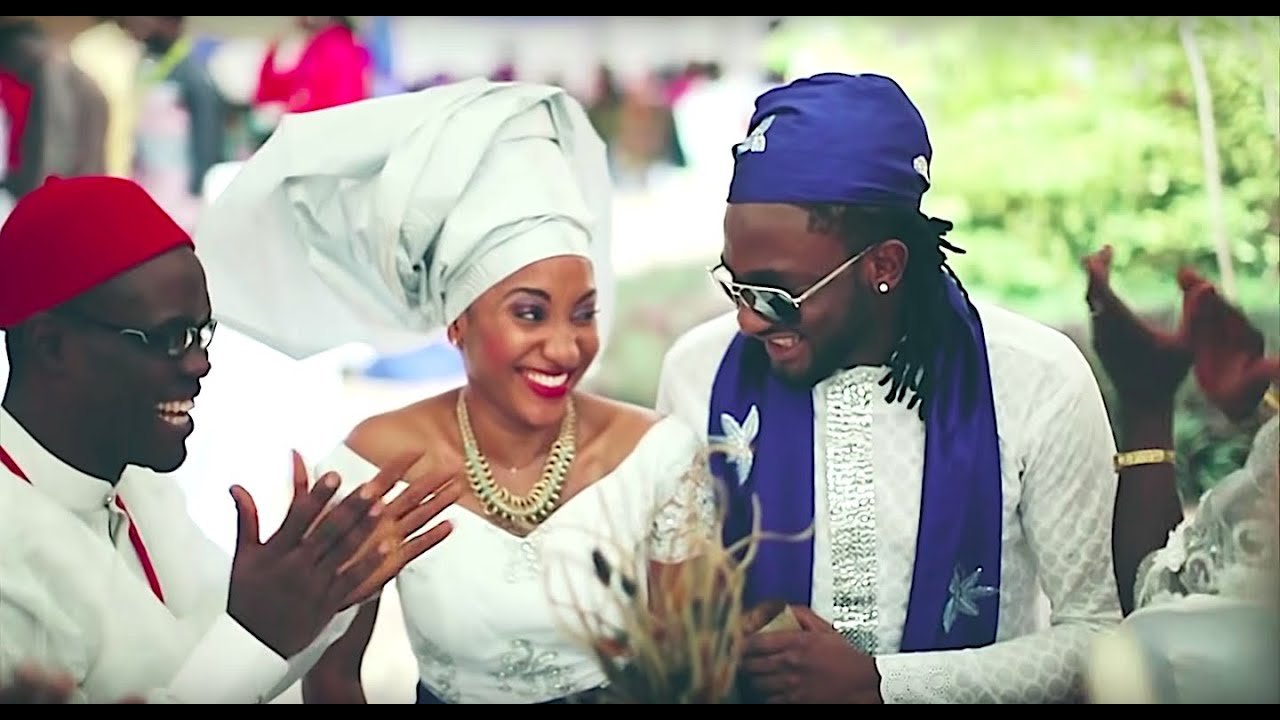
Unlike streaming culture, where audiences are often separated by age and algorithm, weddings bring generations, including parents, grandparents, younger couples, and children, together physically in the same space, making songs that resonate across those age groups culturally immortal. This is why older genres like highlife, Congolese rumba, and Afro-soul continue thriving within wedding environments even when they are less dominant commercially.
Dance Floors Keep Records Alive
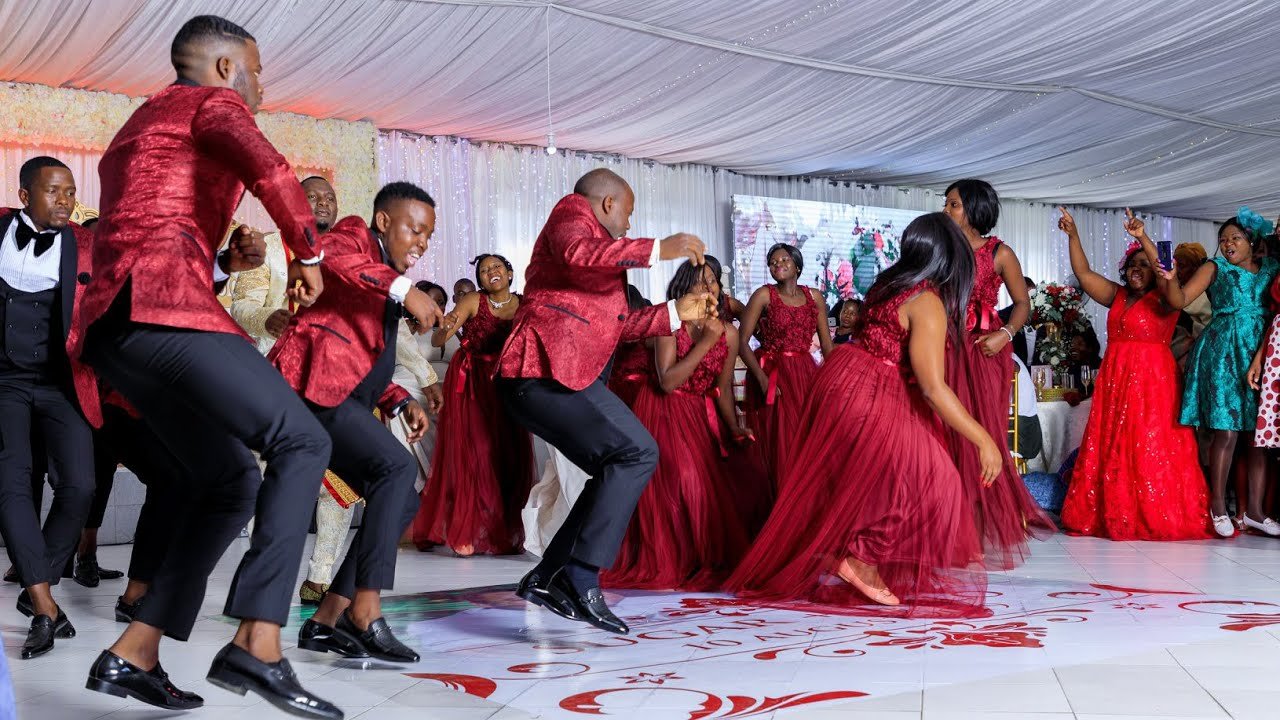
African weddings are also dance spaces. In many countries, the wedding reception becomes a dance floor with DJs blending old classics with contemporary hits. Songs that go well with bridal and groom squad choreography and celebratory money-spraying moments often gain cultural durability. Songs like ‘On Top Your Matter’ by Wizkid and ‘Eyin Temi Ba Wo Ni O’ by Yinka Ayefele keep resurfacing at weddings because they carry recognizable communal energy. Wedding dance floors function almost like cultural archives.
Local Sounds Survive Through Ceremony
Wedding culture also helps preserve regional sounds that might otherwise struggle in mainstream global streaming spaces. Genres like highlife, soukous, benga, Afro-fusion, and traditional ceremonial music continue thriving because weddings still create demand for culturally rooted sounds. In this way, weddings become spaces of cultural preservation as much as celebration. Even younger couples incorporate traditional music into their ceremonies, blending contemporary Afrobeats with older regional classics.
The Emotional Economy of Wedding Music
Part of what makes wedding songs timeless is emotional association. People rarely remember only the song itself; they remember the moment attached to it. The entrance, dance, tears, and laughter. Over time, the music becomes inseparable from memory, and that emotional connection gives songs a different kind of value than chart success alone.
Why Some Artists Thrive at Weddings Forever
Certain artists build careers that naturally align with wedding culture. Artists like Chike, Flavour, Sun-EL Musician, and Sauti Sol create music that balances romance, rhythm, and emotional warmth. This kind of music translates naturally into wedding environments. As a result, their songs often develop unusually long cultural lifespans. In many cases, weddings keep their music circulating long after radio cycles move on.
Beyond Hits
Wedding culture shows that longevity is not only decided by charts. Some songs survive because they become emotionally useful. They attach themselves to life milestones, family memories, and cultural moments. Once that happens, the music stops belonging only to the artist. It becomes part of people’s lives, and in Africa, weddings continue to be one of the most powerful spaces where music transforms from entertainment into tradition.