Not so long ago, the path to a music career in Africa was heavily dependent on radio airplay, television exposure, and the sale of physical albums. DJs, promoters, and record labels were instrumental in getting artists’ music into public spaces. To break into the industry, you had to find a way through a system of limited access and uneven opportunities. Fast-forward to today. That reality is very different.
Streaming platforms have transformed the way African artists release music, reach audiences, and measure their success. With just a smartphone and internet connection, musicians now have the ability to distribute their work to the world, bypassing many of the barriers that once defined the industry. Platforms such as Spotify, Apple Music, Boomplay, and Audiomack have changed the way music is consumed. For many musicians, streaming is no longer just a distribution tool. It has become the foundation upon which entire careers are built.
From Local Fame to Global Reach
One of the benefits of streaming platforms is that they let African artists reach people all over the world. Before streaming, artists often needed to sign record deals with companies in other countries or have physical distribution networks to reach a global audience.
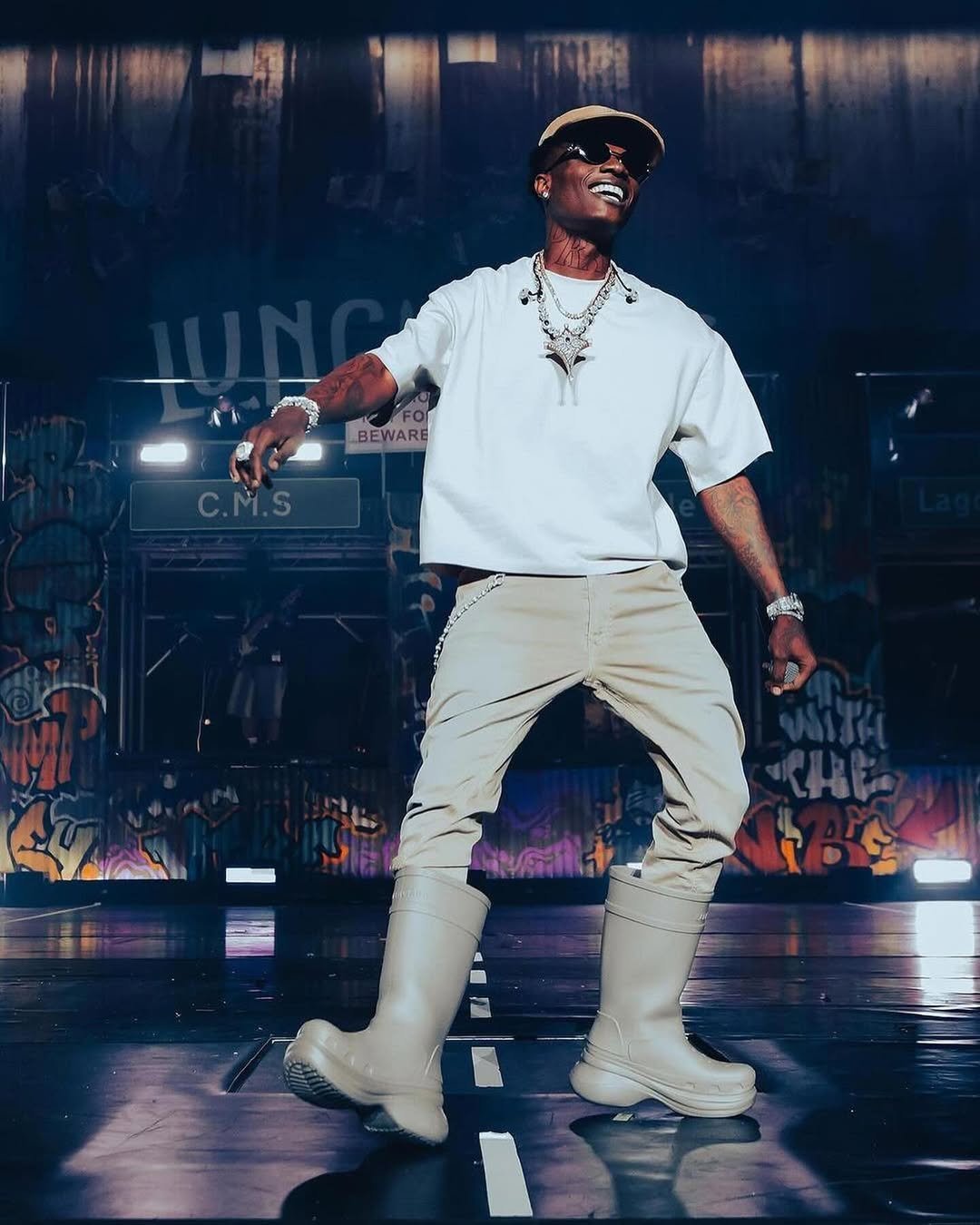
Today, a song that is uploaded online can reach people on other continents in just a few minutes. This has helped artists like Burna Boy, Wizkid, and Tems reach fans in Europe, North America, and Asia without having to rely solely on traditional gatekeepers.
Streaming data also lets artists see where their music is gaining traction. This information helps them plan international tours, collaborations, and promotional campaigns. In many ways, streaming has turned African artists into global entertainers.
The Rise of Independent Artists
Streaming platforms have also given rise to a new generation of independent artists who no longer rely entirely on major labels to release music. Platforms like Audiomack and SoundCloud allow artists to upload music directly, share links on social media, and build audiences organically.
Artists such as Joeboy and Omah Lay gained early traction through digital platforms. They have shown how streaming has lowered the entry barrier into the music industry. Independent artists now have more control over their music, branding, and release strategies.
Data is the New Currency
One of the important benefits of streaming platforms is the data access. Every play count has useful information about who was listening, their location, age group, and what they were listening to. Such data has become a powerful tool in decision-making.
Streaming analytics help artists and managers find out where their biggest markets are, the best cities for live shows, and how to improve their marketing.
So, if an artist gets unexpectedly popular in a certain country, they can plan performances or collaborations targeted to that region. This data-driven approach has changed how careers are built and sustained.
Playlists: The New Radio
Back in the days, radio DJs picked what songs would reach people. Playlists do a similar job today, but on a global scale. Editorial playlists on services like Spotify and Apple Music can put new artists in front of millions of listeners overnight. Being on a popular playlist generally means more streams, more followers, and more industry love.
African-focused playlists have become especially influential, helping to put regional sounds on the map and reach a wider audience. For many artists, landing on a major playlist is like getting national radio rotation in the old days.
Monetization in the Age of Streaming
Streaming also provided artists with new revenue streams. Whereas artists used to make the majority of their money selling physical albums, now they make money off digital plays, licensing opportunities, and brand partnerships.
While streaming payouts alone may not always generate large income for emerging artists, the exposure they provide often leads to other opportunities. Smart artists who take advantage of the exposure from streaming also create diversified revenue streams beyond music.
In this sense, streaming platforms are as much promotional engines as revenue sources.
Challenges in the Streaming Economy
The streaming era has a lot of advantages. But it also has its challenges. Revenue distribution remains a concern, particularly for smaller artists who struggle to generate significant earnings from streaming alone.
Internet access and data costs also vary greatly across African countries, affecting how easily audiences can stream music. In regions where connectivity is still limited, traditional promotion methods continue to be important.
Additionally, the volume of music uploaded daily has created a crowded digital space. Standing out now requires more than talent. It requires branding, consistency, and strong marketing strategies.
Building Fan Communities in the Digital Age
Streaming has changed the way artists and fans engage. Now, artists can reach audiences through digital platforms linked to their streaming profiles instead of relying solely on public appearances.
Listeners who discover a song online often follow artists on social media, attend concerts, and share music among their own social networks. This cycle of engagement creates the loyal fan communities that support long-term careers. For emerging artists, building a loyal fan base online can be just as important as securing radio play.
The Future of African Music Is Digital
The impact of streaming platforms on the careers of African artists is expected to grow as the technology develops. New tools are being developed that allow musicians to monitor their performance in real time, distribute music around the world, and engage directly with audiences.
Artificial intelligence, personalized recommendations, and improved streaming infrastructure will continue to change the way we discover and listen to music. But at the heart of the move to streaming is something more than technology; it’s about access. It has provided opportunities for artists who may not have been discovered through traditional channels.
A New Dawn for African Artists
Streaming platforms have not only changed the way music is heard but also the way that careers are built. They have opened doors for independent artists, expanded global reach, and created new measures of success. At the same time, they’ve created a competitive environment where creativity and strategy must go hand-in-hand.
For African artists, streaming is not just a tool to navigate this new era; it is the stage where the future of music is unfolding. As technology continues to evolve, one thing is clear: the sound of Africa is no longer bound by geography. It’s going faster, farther, and louder than ever before.