A lot of African artists have moved beyond simply signing record deals; they are building labels of their own. It was before that many artists relied on established music companies to build careers and navigate the industry. Although many of Africa’s biggest stars came through that system, today, artists are building platforms not just to release music but to develop talent and build long-term influence. What started as a business strategy for a few big-name stars has become a broader industry trend.
From Artists to Executives
Artists are no longer satisfied with being just performers. They are positioning themselves as executives, curators, and business owners. This shift is partly driven by experience. Many artists who spent years following traditional label structures now understand the importance of ownership.
Instead of relying entirely on external companies, artists are building systems around themselves. Labels are no longer just places where music is released; they have become extensions of artistic identity and influence.
The Labels Leading the Movement
Artist-owned labels in Africa are evolving from mere side projects into significant commercial entities. These labels are launching careers and redefining how artists approach ownership within the music industry. They are building a system where musicians have greater control over creativity, branding, and business direction.
Here are some of the labels leading the movement:
Davido Music Worldwide (DMW)
Founded by Davido, DMW became one of the clearest examples of how artist-led labels could dominate mainstream African music while maintaining strong cultural relevance. The label helped launch and amplify talents like Mayorkun and Peruzzi while also reinforcing Davido’s position not just as an artist but as a talent developer and industry figure.
Starboy Entertainment
This record label was established by Wizkid, also known as Big Wiz. Beyond releasing music, the label represented a specific aesthetic and sound tied closely to Wizkid’s global image. Artists associated with the label benefited from that visibility, while the Starboy brand itself became recognizable far beyond Nigeria.
YBNL Nation
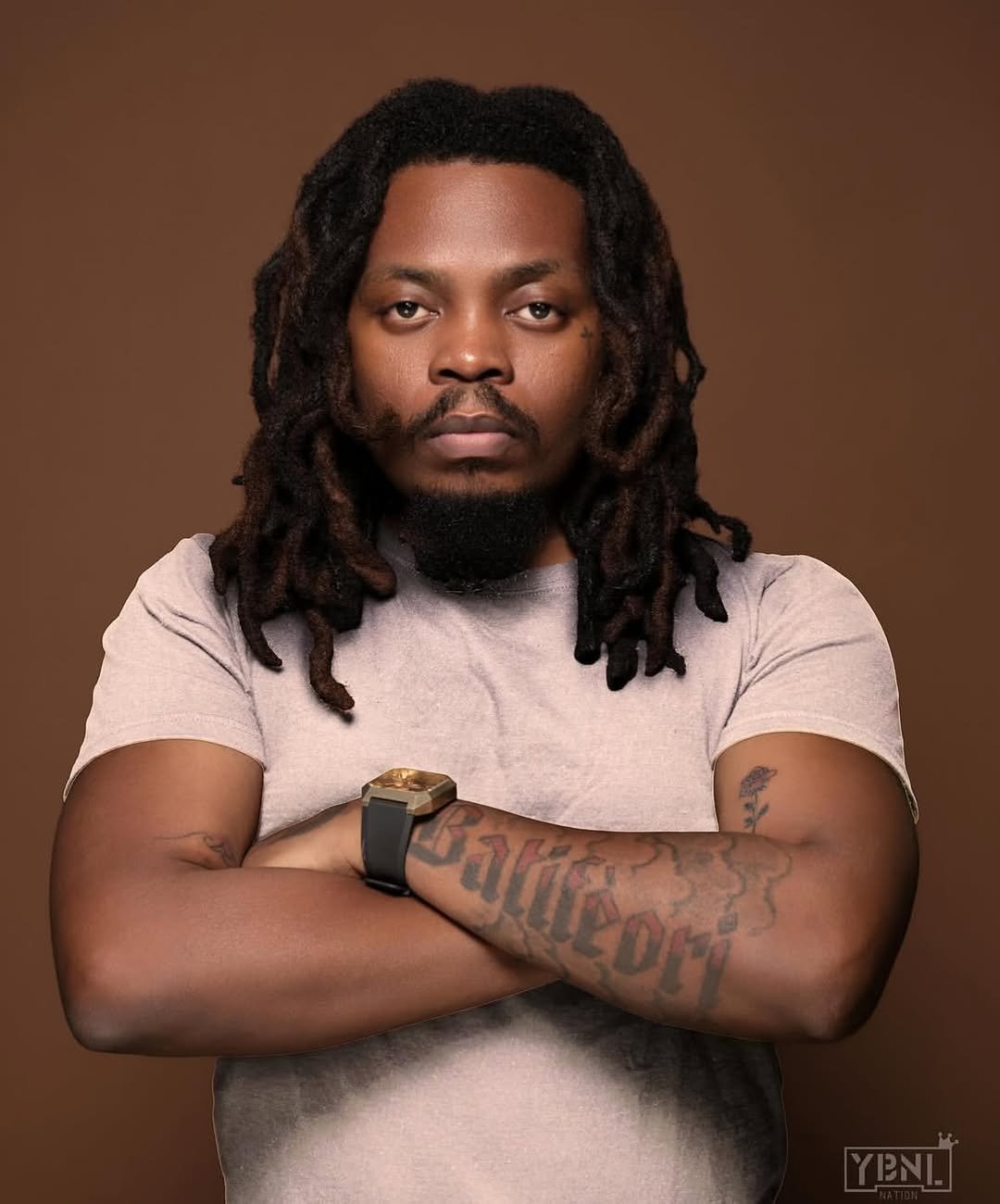
Created by Olamide, YBNL Nation has made a name for itself in the music industry. It is one of the most influential artist-owned labels in modern African music. Known for identifying and developing street-rooted talent, the label has played a major role in shaping the sound of contemporary Afrobeats. Artists like Asake and Fireboy DML emerged under YBNL, helping establish the label as both a hit-making platform and a talent pipeline.
Spaceship Records
Burna Boy’s Spaceship Records is another example of the creative independence that artist-owned labels can offer. With Burna Boy’s growing international appeal, the label became a way to maintain artistic control while building a broader creative platform for his music and vision. In many ways, Spaceship represents how African artists are redefining success, not only through charts but also through ownership.
emPawa Africa
emPawa Africa by Mr. Eazi took a slightly different approach. Rather than functioning as a traditional label alone, it positioned itself as a platform for discovering and supporting emerging African talent across multiple countries. Artists like Joeboy benefited from the initiative’s early support, while emPawa helped highlight a more pan-African approach to artist development.
WCB Wasafi
WCB Wasafi, established by Diamond Platnumz, is one of East Africa’s most influential music labels, helping push Bongo Flava to wider continental and international audiences. The label built stars such as Rayvanny and Mbosso while also strengthening Tanzania’s position within Africa’s evolving music industry.
Why Ownership Matters More Now
The rise of streaming has changed the economics of music globally, and African artists are responding accordingly. Spotify, Audiomack, and YouTube have made it easier for artists to distribute music independently, reducing reliance on traditional gatekeepers.
At the same time, global attention on African music has increased the financial stakes. Touring, licensing, endorsements, publishing, and catalog ownership now carry significant long-term value. For many artists, owning a label is more than prestige; it’s about protecting that value.
Building Legacy Beyond Music
Artist-owned labels represent something deeper. It represents legacy. Many African artists are now thinking beyond individual careers and focusing on institution-building. By creating labels, they are establishing structures that can outlive individual hit songs or peak commercial moments. This change reflects trends in other major music industries where artists become executives and cultural gatekeepers. But in Africa, the movement carries additional significance due to the rapid growth of the industry.
The Challenges of Running a Label
Ownership has its advantages, but running a label is no easy task. Balancing artistry with the demands of being an executive is hard, and a lot of artist-led labels struggle with artist management and consistency. Building sustainable systems requires more than visibility; it requires strategy, infrastructure, and patience. Not every successful artist automatically becomes a successful executive. Still, the growing number of artist-owned labels suggests that more musicians are willing to take that risk.
Era of Music Business in Africa
The trend of artist-owned labels is part of a larger movement in African music culture. Artists do not wait to be validated or managed by external systems. They are creating their own labels, providing opportunities for younger talent and changing how power operates in the industry.
With African music’s continued global expansion, ownership could be just as important as artistry itself. Increasingly, the continent’s biggest stars are not just making music; they are building the industry around it.