In the days before the internet, songs lived and died on the streets. They were played by local DJs, tested in nightclubs, and passed from person to person until they became impossible to ignore. That was the system. Today that system is not so simple. The journey of a hit has changed with the rise of social media platforms. Now songs can explode online before they ever hit a dancefloor. A 15-second clip can go viral faster than any word-of-mouth ever could. So where do African hits really start now—on the streets or online?
When the Streets Set the Standard
Before digital dominance, the streets were the testing ground. A song had to work in real spaces, and DJs, partygoers, and everyday listeners decided what stayed. If people danced, sang along, or demanded a replay, the song had potential. If they didn’t, it faded. This still exists today. Tracks like ‘Sungba’ by Asake carried a street-rooted energy that connected instantly with local audiences before spreading wider. Street validation gives a song authenticity. It shows that the music connects in real life, not just on screens.

The Internet Changes the Timeline
If the streets represent foundation, the internet represents acceleration. On platforms like TikTok, songs don’t need to build slowly; they can erupt. The global rise of ‘Love Nwantiti’ by CKay is one of the clearest examples. Released quietly, the song became a worldwide hit through viral content. Similarly, ‘Water’ by Tyla grew through digital engagement, crossing borders before traditional media fully caught up. Online anyone can push a song forward.
Street Credibility vs. Digital Virality
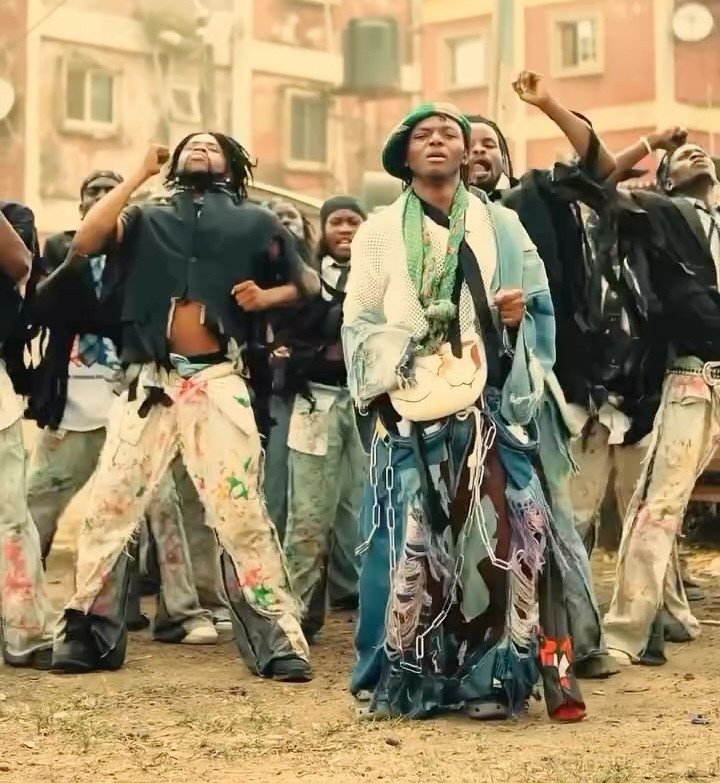
The difference between street-born hits and online hits isn’t just where they start but how they feel. Street hits often carry a sense of immediacy. They’re built for movement and real-time reactions. Songs like Zazoo Zehh by Portable reflect this energy. It feels raw, chaotic, and of the moment. In contrast, online hits are often driven by dance challenges, relatable lyrics, or short, repeatable hooks. They are designed to travel quickly, sometimes globally, without needing physical presence. Both paths are valid. But they don’t always produce the same kind of longevity.

The Hybrid Hit
The most powerful songs today don’t choose one path; they combine both. A track could begin with online buzz, then get street credibility through club play and DJ support. Or it could start on the street and then explode on the internet. An example is ‘Essence’ by Wizkid featuring Tems. It’s not a typical street anthem; its growth came from a mix of organic listening, social media momentum, and eventual global radio support. This hybrid model reflects the current reality. Hits are no longer linear.
Who Controls the Hit Now?
The streets still decide what feels authentic, but the internet decides how far it travels while streaming platforms measure its success. Artists now have to navigate all three. This shift has lowered the barrier to entry, allowing more voices to emerge. But it has also made success more unpredictable.
So, Do African Hits Still Start in the Streets or Online?
The answer is both and neither. What matters now is not where a song begins, but how it moves. A hit in today’s African music scene is defined by its ability to connect across spaces—physical and digital, local and global. It must resonate in a crowded club and on a smartphone screen. Because in this new era, the streets haven’t disappeared. They’ve just gone digital.