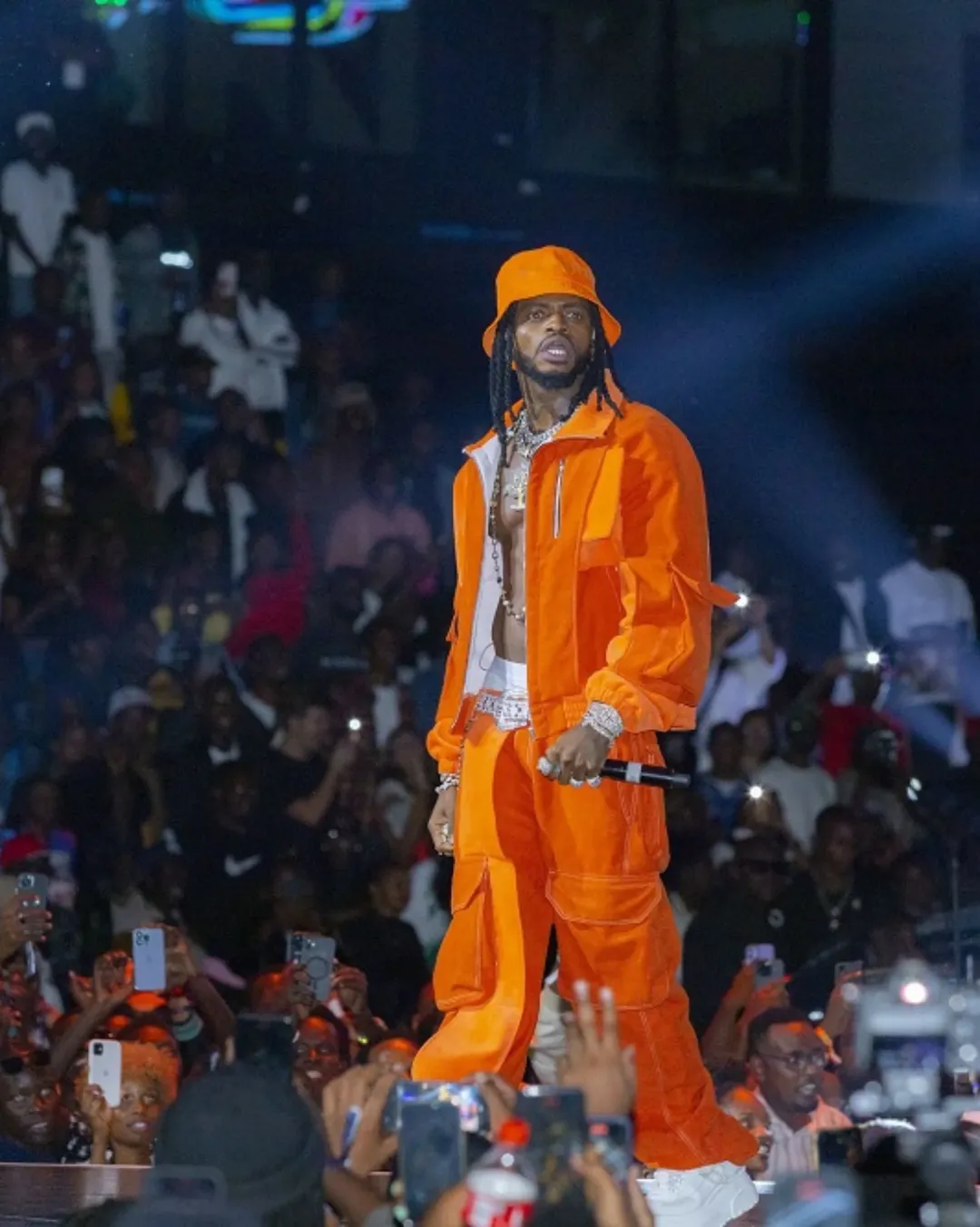
Global conversation about African music has for years been dominated by a few familiar narratives, particularly those surrounding Afrobeats and Amapiano. Afrobeats is a global force, Amapiano has redefined dance floors, and both sounds still reach far beyond the continent. But off the stage, another genre, Bongo Flava, has been moving differently. Less loudly, but no less deliberately.
Rooted in Tanzania and shaped by East Africa’s cultural and linguistic identity, Bongo Flava has built a loyal audience across the continent and diaspora. It may not dominate global headlines in the same way as its West or South African counterparts, but its reach and influence suggest a different kind of success. The question isn’t whether Bongo Flava is growing. It’s whether it has been consistently underestimated.
A Sound Built on Identity
The strength of Bongo Flava is its foundation. Blending hip-hop, R&B, and traditional Tanzanian influences, the genre is defined as much by its language, Swahili, as its sound. That linguistic identity has often been seen as a limitation in global markets. But in reality, it has become one of its greatest assets.
Songs like ‘Jeje’ by Diamond Platnumz and ‘Mwana’ by Ali Kiba show how melody, rhythm, and delivery can transcend language barriers. Rather than adapting to global expectations, Bongo Flava has remained rooted in its own identity, and that consistency has built trust with its audience.
A Different Kind of Global Growth
Unlike genres that explode through viral moments, Bongo Flava has expanded gradually. Its growth has been driven by regional dominance in East Africa, strong diaspora support, and consistent digital presence, particularly on platforms like YouTube, where many Tanzanian artists regularly get millions of views.
Tanzania’s Diamond Platnumz and Harmonize have built international audiences not through sudden breakthroughs but through sustained output and strategic collaborations. This slow-burn approach may not generate headlines, but it builds longevity.
The Collaboration Bridge
Collaboration has been one of the most effective strategies of Bongo Flava. By working with singers across Africa and beyond, Bongo Flava artists have quietly inserted themselves into wider musical conversations. These collaborations don’t dilute the sound; they expand its reach. What comes out is a genre that travels without losing its core identity.
Why It Feels Underestimated
Part of the perception problem is visibility. Global narratives around African music often center on markets with stronger media infrastructure and international industry presence. As a result, genres like Bongo Flava can appear less dominant, even when their numbers and influence suggest otherwise.
There’s also the question of timing. Bongo Flava’s rise has been steady rather than explosive, making it easier to overlook in an industry that often prioritizes viral success.
The Power of Consistency
What sets Bongo Flava apart is its consistency. While trends shift rapidly across the global music landscape, the genre has maintained a clear sonic identity. It hasn’t chased every wave; it has built its own. That stability has allowed artists to develop long-term careers and maintain strong fanbases, particularly within East Africa.
A Genre in Transition
Bongo Flava has reached a new phase. Younger artists are experimenting with it, blending elements of the sound while still maintaining the core identity of the genre. This development is opening up new opportunities for international recognition. At the same time, the world is hungrier than ever for African music. Listeners are more open to different languages, sounds, and styles, creating space for Bongo Flava to reach new audiences.
Is Bongo Flava Africa’s Most Underestimated Export?
The answer depends on how success is measured. If global dominance is defined by headlines and viral moments, Bongo Flava may seem overlooked. But if it’s measured by consistency, audience loyalty, and cross-border reach, the picture changes.
Bongo Flava may not be the loudest voice in African music, but it is one of the most enduring. As the global conversation around African sound continues to expand, it may not remain underestimated for long.