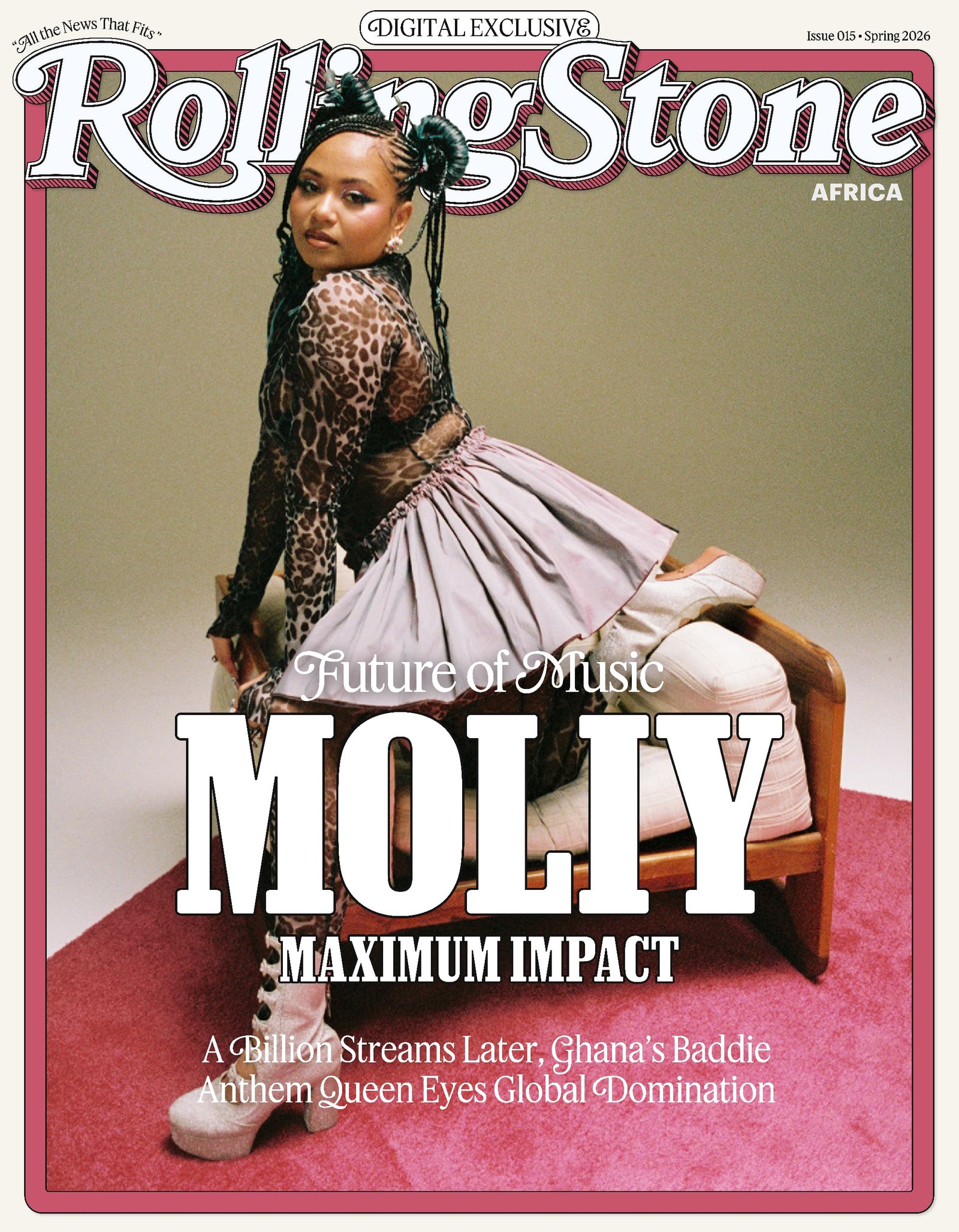
There are songs that become hits, and there are those that completely escape gravity. MOLIY’s “Shake It to the Max” did both. What began as a playful, dance-driven record quickly turned into something much bigger. Fueled by TikTok dances, viral freestyles, international remixes, and relentless momentum across clubs, the song became a global anthem.
“Shake It to the Max” didn’t just travel; it exploded. By the time it crossed a billion streams and inspired collaborations across continents, it had already become one of the defining African crossover moments of its era. But MOLIY’s rise is more than internet virality. Emerging from Ghana’s evolving music scene, the 24-year-old belongs to a generation of African artists redefining what global pop stardom can look like.
Her sound moves between Afrobeats, dancehall, alté influences, and global pop energy without fully belonging to one category. At the center of it all is an artist deeply focused on feeling, creating music built around confidence, movement, freedom, and what she calls “baddie energy.”
Long before she broke through into the mainstream, MOLIY had been quietly building up steam with her deeply personal songwriting and musical experimentation. In 2020, she released her debut EP, “Wondergirl,” which got airplay on radio stations across Nigeria, Kenya and Gambia. The project confirmed her position among Ghana’s most exciting young voices emerging from the country’s ever-changing alternative music scene.
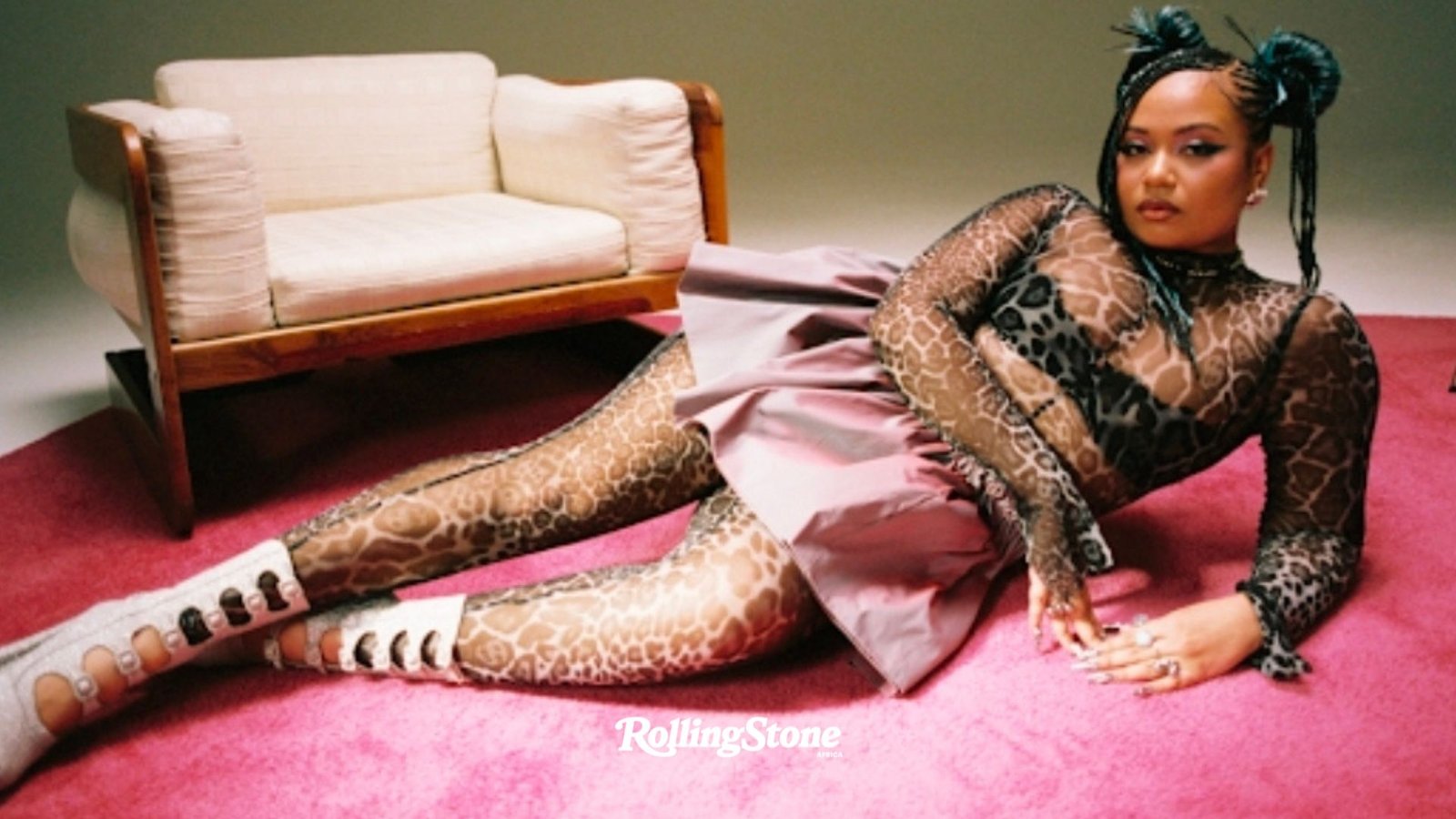
In this conversation with Rolling Stone Africa’s Future of Music series, MOLIY reflects on her billion-stream success with “Shake It to the Max,” cross-cultural collaboration, social media pressure, artistic freedom, and why she believes the next phase of her career points toward global domination.
RSA: “Shake It to the Max” became a global phenomenon, with multiple international remixes and chart success, at what moment did you realize the record had crossed beyond just a hit into a cultural moment?
MOLIY:
I can’t pinpoint a specific moment, it just kept getting bigger in this unbelievable way. It started when people around the world posted to the song and did the dance on TikTok, then multiple artists wanted to jump on the remix, others were sharing freestyles online, it sat at No. 1 for weeks, and this year it surpassed a billion streams. I’m like, okay, this is more than just a viral song. Once I was really able to wrap my head around its global impact, that’s when it became a real cultural moment to me.
RSA: You’ve taken that energy all the way to global stages like the BET Awards, how did that moment reshape your vision of what’s possible for your career?
MOLIY:
Having the opportunity to perform on global stages made everything I’ve worked towards feel possible, and also very real. I’m not just building anymore, I’m here now. So it pushed me to think bigger, and also be more intentional with the music and content I’m putting out to the world.
RSA: Your music sits at the intersection of Afrobeats, dancehall, and global pop, do you see yourself as part of a genre, or part of a movement?
MOLIY:
There’s definitely a movement, where people around the world are recognizing the amazing music and talent coming from Africa and the Caribbean. But when I’m making music, I’m not thinking about fitting into a specific genre, I’m thinking about how I want my music to make people feel. And that’s what I hope to keep doing with my new music – create empowering anthems for the baddies.
RSA: A billion streams, viral challenges, global remixes, how do you stay creatively grounded when the world is moving that fast around your music?
MOLIY:
I am grateful to have an all-women management team who keeps me grounded as I grow and evolve. Most importantly, the music I create comes from an authentic space, so while the fast pace of the industry can be a whirlwind, every song and project I’ve put out has been true to myself at that time.
RSA: Ghana has always influenced global sound in subtle ways, do you feel like your generation is finally making that influence impossible to ignore?
MOLIY:
Yes, I think Ghana, and Africa’s influence in general, is way more visible now. It’s always been there, but now people can actually see it, feel it, and dance to it. Social media is a big component, but also people around the world are more open to receiving new sounds and cultures.
RSA: You’ve collaborated across continents, what have those cross-cultural exchanges taught you about the future of music?
MOLIY:
I’m excited to see how music evolves as artists around the world continue to collaborate and fuse their sounds together. Working with artists from different places, like Skillibeng, Tyla, Sean Paul, Shenseea, Major Lazer, Ciara – our love for music transcends cultures and genres, and connects through feeling. I just love the idea of connecting all our audiences together.
RSA: Social media played a role in building momentum for your breakout, do you think virality is still a tool, or has it become a pressure?
MOLIY:
Social media is definitely a tool I’ll keep tapping into. With “Shake It To The Max,” there wasn’t any pressure. I was just having fun posting my song and dancing to it with my friends and family back in Ghana. Once it took off, it showed me how impactful consistency and promoting yourself on social media is. It’s also such a great tool for music discovery. It can be a pressure cooker but the best way to avoid that is to keep having fun with it!
RSA: You’ve spoken before about identity and independence, how do those themes continue to shape your music as your platform grows?
MOLIY:
My music has always been fun, but I’m very intentional with the energy I give and the emotions I want to evoke. I channel themes of freedom, confidence and fearlessness. I like to emphasize independence and empowerment in my music, almost like affirmations you can dance to.
RSA: What’s one creative decision you made that changed the trajectory of your career?
MOLIY:
Deciding to create dancehall and danceable music. I’m very versatile so I’m always experimenting with what comes naturally, but I really wanted to enter a phase where I command the dance floor. That’s how “Shake it to the Max” was born with Silent Addy & Disco Neil. When Shenseea and Skillibeng jumped on the remix of “Shake it to the Max (FLY)” it created this really cool combination of Jamaican and Ghanaian influence that made it a cross-cultural moment. And now it’s come full circle since I’ll be on a North American tour with Skillibeng this summer.
RSA: When you step into the studio today, what are you chasing, a feeling, a sound, or a statement?
MOLIY:
It’s all three. My music is made through emotions, sounds, and self-expression. Everything starts with a feeling, and then I let that guide the sound. It has to be something that carries baddie energy and makes you move.
RSA: The global industry is opening up to African artists in new ways, what do you think still needs to change behind the scenes?
MOLIY:
There’s definitely been real progress, and it’s beautiful to see African artists receive global recognition. But behind the scenes, there needs to be a deeper understanding of how diverse we really are. Sometimes everything gets grouped under “Afrobeats,” which doesn’t fully capture the range of sounds, cultures, and identities coming out of the continent. I’d also love to see more spotlight on Ghana specifically. There’s so much talent, history, and influence coming from there, and it deserves to be represented on a global level in a bigger way.
RSA: If “Shake It to the Max” introduced you to the world, what kind of artist do you want the next phase of your career to reveal?
MOLIY:
I’m excited to push my creativity and see how far I can take it; from my styling to my lyrics to my sound. And most importantly, I want to create music that resonates with people no matter where they are in the world. In other words, global domination.
RSA: Who do you see as your peers globally, not just in Africa, but across the world?
MOLIY:
I feel connected to people who are doing their own thing, confidently. It’s not even about where they’re from; it’s more like, are you persistent in what you want for yourself, and are you embracing life along the way?
RSA: When we talk about the future of music, what role do you believe you’re playing in shaping it?
MOLIY:
I want to show that persistence, confidence and vision can get you far. My career hasn’t had the most traditional start, but I believed in myself and manifested my success. I also hope my rise continues to break barriers for more women in the music industry, especially from Africa, and allows them to feel represented and inspired. Where I am now proves there’s more than one ‘traditional’ way to break through and be heard, and that should be enough reason to trust your own vision and not listen to naysayers.
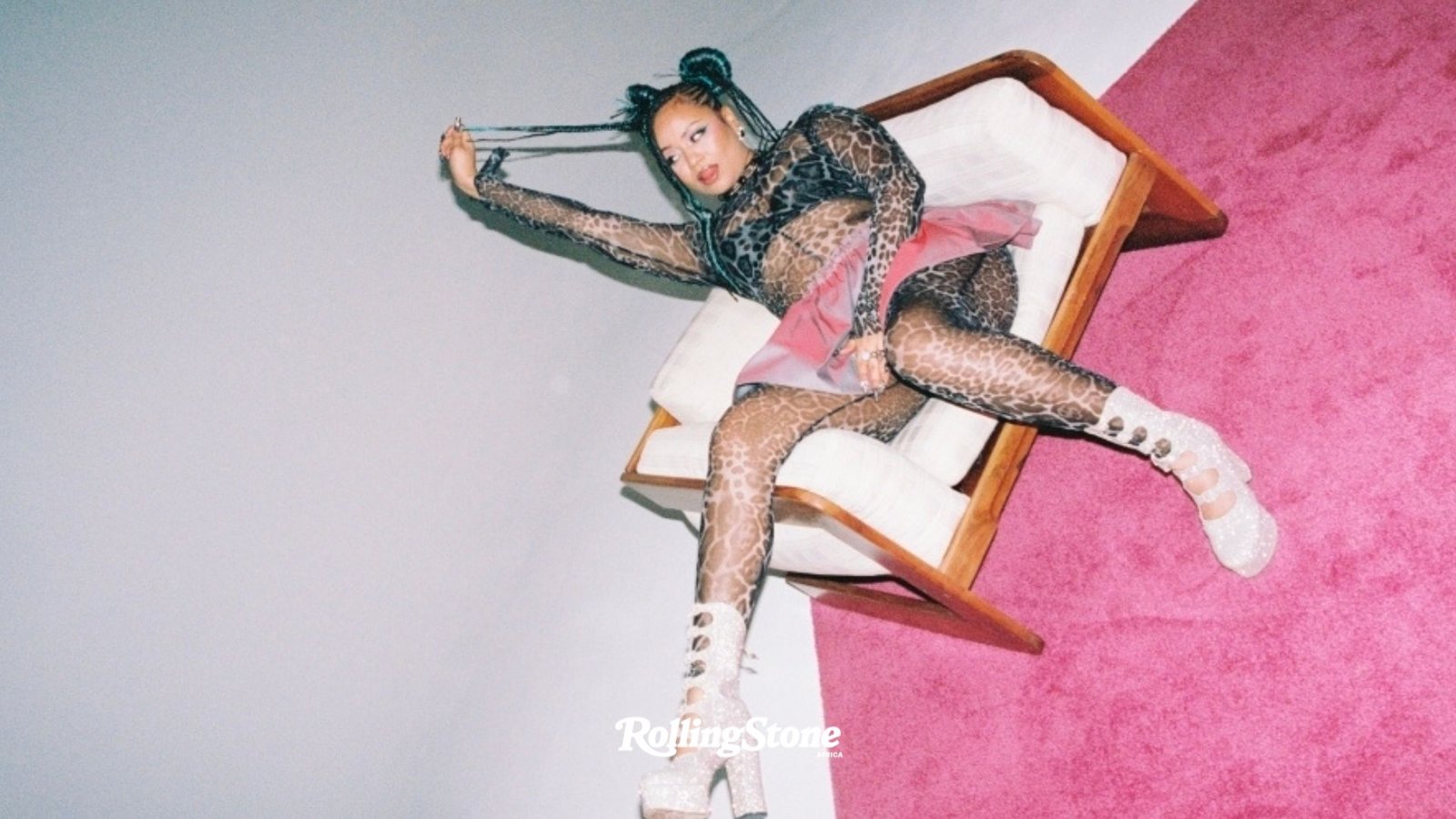
Credits:
Editor-in-chief: Gwen Madiba
Graphic designer: Kael
Project manager: Karl Nzamba