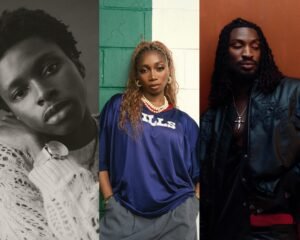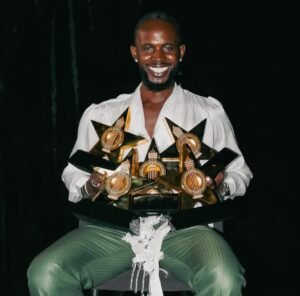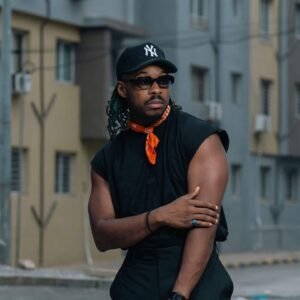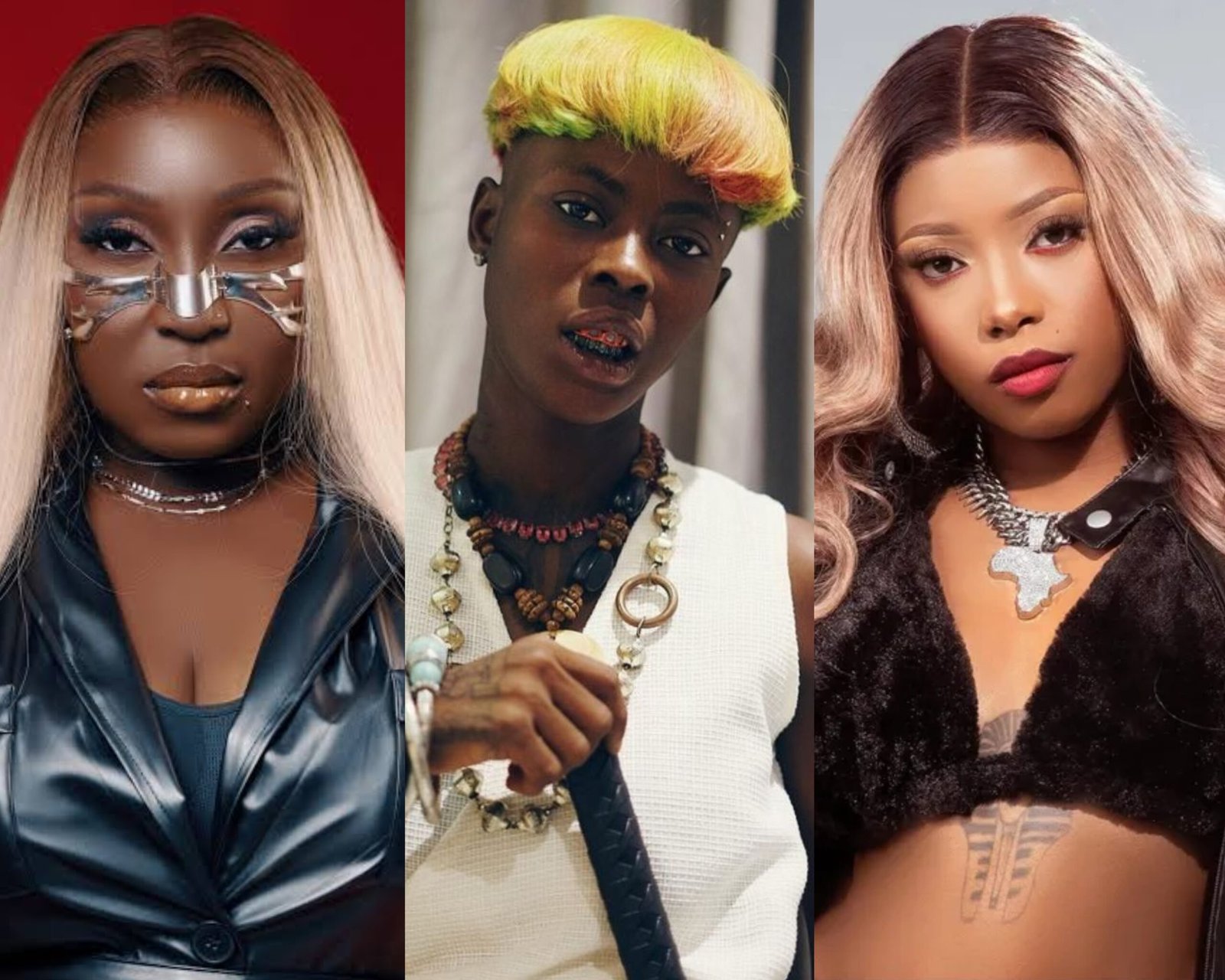
Women are shaping rap culture and taking over the male-dominated industry. The new generation of female rappers is not confined to traditional hip-hop sounds. They are proving that rap on the continent is more diverse than ever before.
They effortlessly blur genre lines, fusing rap with Afrobeats, amapiano, dancehall, trap, alté, drill, pop, and indigenous rhythms. They also switch seamlessly between English, Swahili, Sheng, Yoruba, Twi, and local dialects, creating music that feels African while speaking to audiences around the world.
These artists are expanding the definition of what an African female rapper can be. While some are conscious storytellers, others are innovators and genre-bending experimentalists. They represent a generation that values authenticity over conformity and creativity over convention.
As African music continues its global ascent, these women are ensuring that hip-hop remains an essential part of the conversation.
10 African Female Rappers of the New Generation
These rappers are embracing indigenous languages and regional sounds, demonstrating that authenticity travels further than imitation. Rather than diluting their identities, they are proving that African stories resonate most powerfully when told on their own terms.
Candy Bleakz (Nigeria)
Candy Bleakz knows her onions when it comes to rap. Often referred to as the “Queen of the Streets,” she has carved out a space in one of African music’s most male-dominated corners by combining indigenous rap with Afrobeats and amapiano. Her commanding delivery and Yoruba-infused street slang have made her one of Nigeria’s most distinctive rap voices.
Eno Barony (Ghana)
Ghana’s Eno Barony has earned widespread respect through exceptional lyricism and technical ability. Known for her rapid-fire flow and fearless confidence, she has consistently demonstrated her ability to compete with the continent’s finest lyricists while helping elevate women’s visibility within Ghanaian hip-hop.
Gigi Lamayne (South Africa)
One of South Africa’s most respected lyricists, Gigi Lamayne has built a career on storytelling, conscious rap, and consistent artistic growth. Her thoughtful writing and commanding stage presence have established her as a defining voice within South African hip-hop.
Femi One (Kenya)
Among East Africa’s leading rappers is Femi One. She raps in Swahili, Sheng, and occasionally in English. Her debut EP XXV introduced audiences to her charismatic style before her debut album Greatness showcased witty wordplay, personality, and spiritual introspection. More recently, she has embraced Afrobeats influences while continuing to evolve creatively.
Askia Karin (Cameroon)
Cameroonian rapper Askia Karin is one of Francophone and Central Africa’s most compelling voices. Blending English, Pidgin, and local Cameroonian dialects, her socially conscious lyricism has earned critical acclaim, including recognition as an AFRIMMA Best Female Rap Act winner.
Deto Black (Nigeria)
A rapper, model, and style icon, Deto Black embodies Nigeria’s thriving alté movement. Her music blends hip-hop, Afrobeats, rock, and experimental pop, while her fearless lyricism explores identity, sexuality, and self-expression. Releases such as Yung Everything and collaborations with artists including Odunsi (The Engine) and Amaarae have cemented her reputation as one of Nigeria’s most exciting alternative voices.
SGaWD (Nigeria)
Known as Savage Girl With a Dream, SGaWD has become one of Nigeria’s leading alté-rap artists. Her confident delivery, stylish production, and genre-fluid approach have attracted a growing fanbase both locally and internationally, placing her at the forefront of Nigeria’s new alternative rap movement.
Recho Rey (Uganda)
Uganda’s Recho Rey is one of East Africa’s most recognizable female rappers. She blends dancehall energy with hip-hop lyricism. Her charismatic delivery and versatility have helped broaden the appeal of Ugandan rap beyond its borders.
Deela (Nigeria/United Kingdom)
Born in Lagos and raised between Nigeria and the United Kingdom, Deela represents a new generation of globally influenced African rappers. Drawing inspiration from trap, Afrobeats, and early-2000s rap, her music explores themes of empowerment, sexuality, and independence through bold, uncompromising lyricism.
Fimí (Nigeria)
Born Similoluwa Banjo-Ogunleye in Osogbo, Osun State, Fimí is part of Nigeria’s exciting new wave of lyrical talent. With an evolving sound rooted in contemporary hip-hop while embracing broader African influences, she represents the next chapter of Nigeria’s female rap scene.