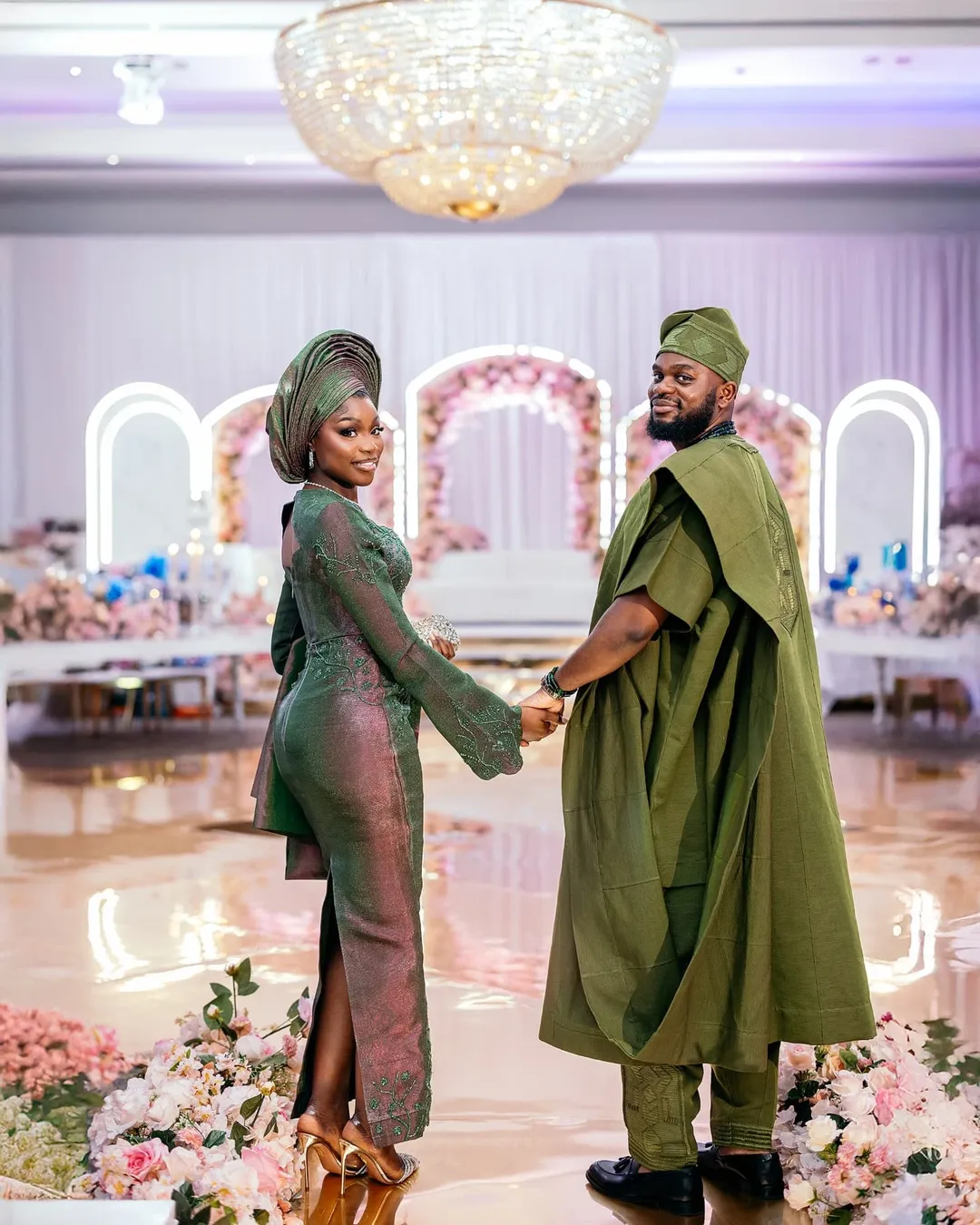
In Nigeria, weddings have never been just about two people. They are family affairs, community gatherings, fashion showcases, and social events rolled into one. The event is known for music, mouth-watering delicacies, and unforgettable moments.

It attracts a lot of guests and purchases of aso-ebi, which are matching outfits for people attending. Some even call live bands and celebrity MCs and make enough food to feed an entire neighborhood.
Event planners, decorators, photographers, makeup artists, content creators, aso-ebi vendors, caterers, and luxury venues all play a role in creating what many couples refer to as their “dream wedding.” Every detail from bridal entrances to dance performances and after-parties is expected to be topnotch.

But the rising cost of food, transportation, fabrics, imported goods, and event services is making many wonder whether the culture of celebration is becoming financially unsustainable.
Vendors themselves are dealing with higher operating costs, and those expenses inevitably get passed on to clients. Many couples now spend months or even years saving for a single day. Others rely on loans or financial assistance from family members.
The greatest contributor to rising wedding costs is not inflation alone, but expectation. Couples often find themselves balancing personal desires with family expectations and societal pressure.
Parents want large guest lists, friends expect matching aso-ebi, while social media creates endless comparisons with celebrity weddings and viral ceremonies. For many, scaling down feels almost taboo. No one wants people saying that their wedding wasn’t impressive.
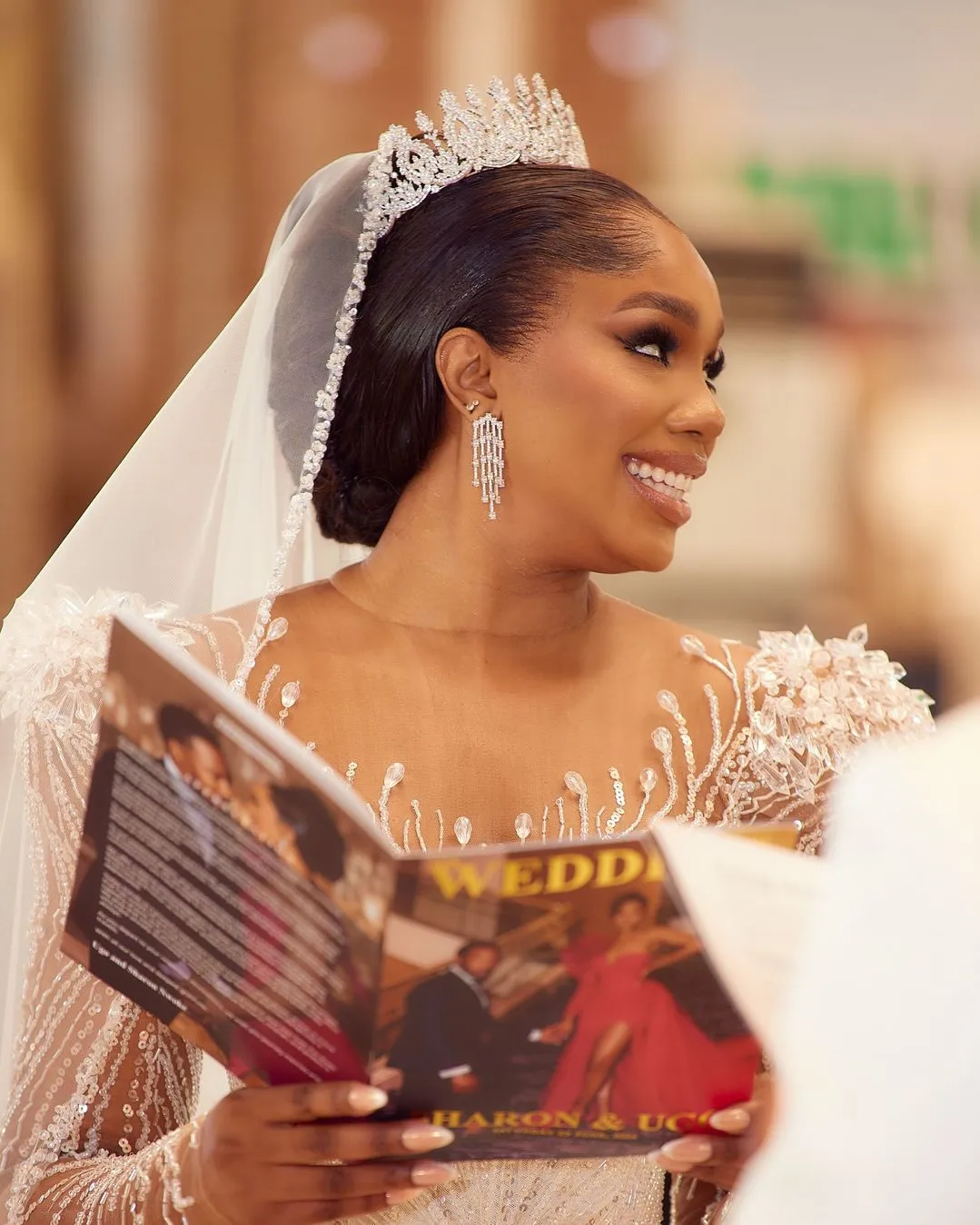
As a result of this, appearances take precedence over affordability. Wedding hashtags, pre-wedding shoots, cinematic videos, drone footage, bridal content creators, and multiple receptions have become standard expectations rather than luxuries. The extravagant is now viewed as normal.
Social media has also increased the desire for a lavish wedding. Unlike years ago when weddings were remembered through photo albums, today, they live forever online, and with every viral wedding comes another standard for couples to live up to.

Aso-ebi too has become a booming economy of its own. Guests sometimes complain about expensive fabrics and the expectation to purchase multiple outfits for different ceremonies. For some, declining an aso-ebi invitation can feel socially awkward, making it a source of financial pressure.

More couples are now opting for intimate weddings, destination ceremonies, court weddings followed by small receptions, or private celebrations with close friends and family. Some are choosing to prioritize investments, housing, or business ventures over elaborate events.
Others simply want less stress. What once might have been viewed as “too small” is now being embraced as practical. For a generation facing economic uncertainty, priorities are changing.
None of this means Nigerians have stopped celebrating. Far from it. The wedding industry remains one of the country’s most vibrant sectors. A lot of photographers, decorators, makeup artists, designers, musicians, and caterers depend on weddings for their livelihoods.

Big weddings support creativity, and they showcase the richness of Nigerian culture to the world.
Whether Nigerian weddings are becoming too expensive depends on who you ask. For some families, grand weddings are expressions of love, culture, and community. For others, they represent growing financial pressure and unrealistic expectations.
What remains undeniable is that Nigerians know how to celebrate. From Lagos to Abuja, Port Harcourt to Ibadan, weddings continue to be spaces where music, fashion, food, and family come together in spectacular fashion.

But perhaps the future of Nigerian weddings will not be defined by how much money is spent; it will be defined by joy because long after the decorations are packed away and the social media posts stop trending, what truly matters isn’t the size of the party. It’s the life two people build after the music fades.