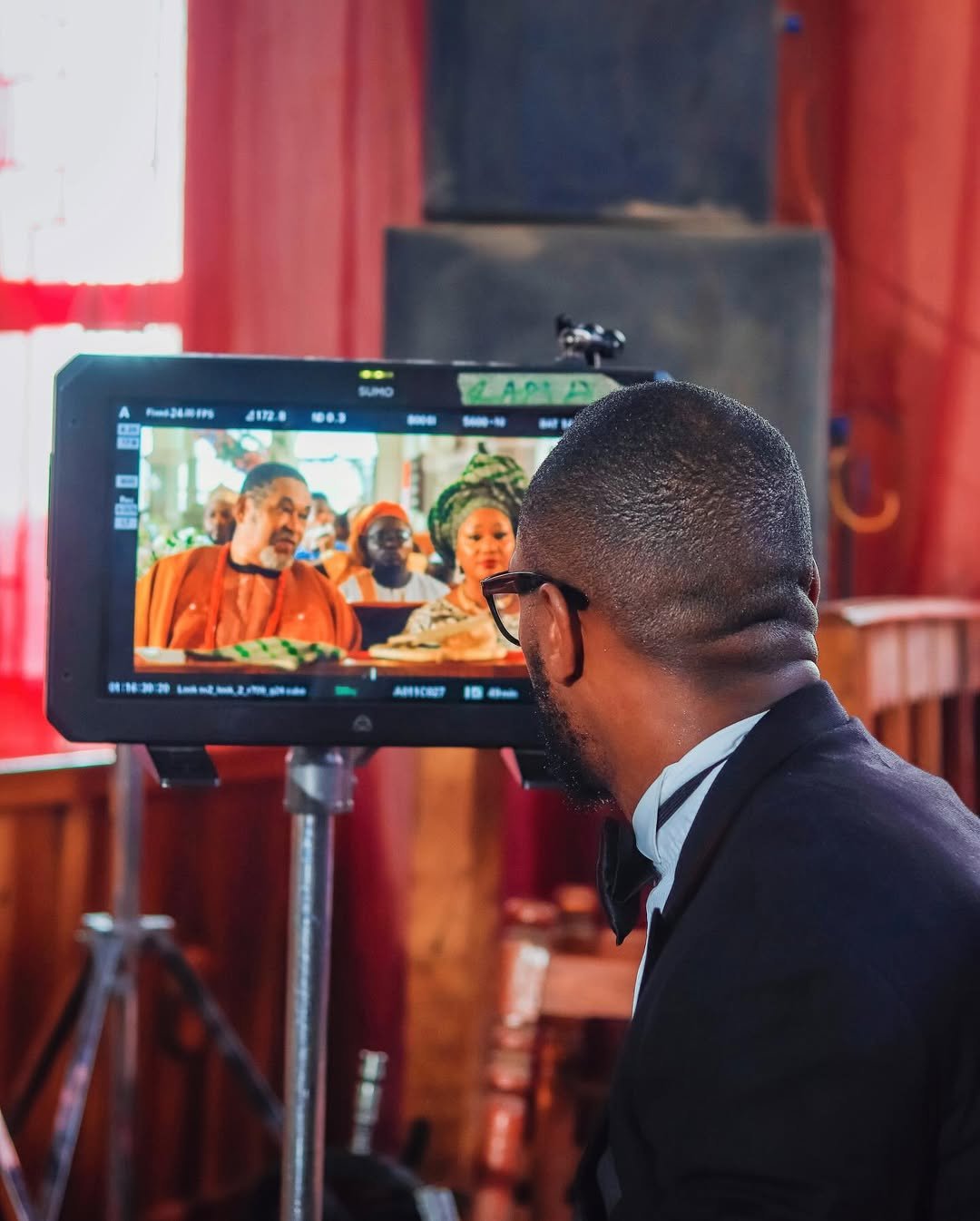
Africa is having a cultural moment. In fact, what is happening now is bigger than a cultural moment. Afrobeats has secured its place in global music, and Amapiano is lighting up dance floors from Johannesburg to Berlin. Nollywood films are also appearing regularly on major streaming platforms, while African designers are redefining luxury.
The world isn’t just discovering African culture anymore; it’s fully embracing it. The evidence is everywhere. Global brands seek partnerships with African creatives and international audiences eagerly watch stories and listen to sounds that once struggled to cross borders.
By almost every cultural measure, Africa is winning. But winning attention and owning the systems that generate value from that attention are two different things. And that distinction may define the next chapter of Africa’s rise.
Culture Creates Influence; Ownership Creates Wealth
Africa’s greatest export has always been its culture. The continent’s music, fashion, language, food, art, and storytelling have influenced global trends far beyond what economic data can capture.
But cultural impact alone doesn’t guarantee economic power. When an African song gets billions of streams, who truly owns the publishing rights? When a Nigerian film becomes a worldwide hit, where does most of the revenue actually go? When African fashion inspires international collections, who controls the production and distribution? When creators build massive audiences, which platforms take the largest share of the revenue?
These questions aren’t about creativity; they are about ownership.
The Afrobeats Revolution and Its Business Challenge
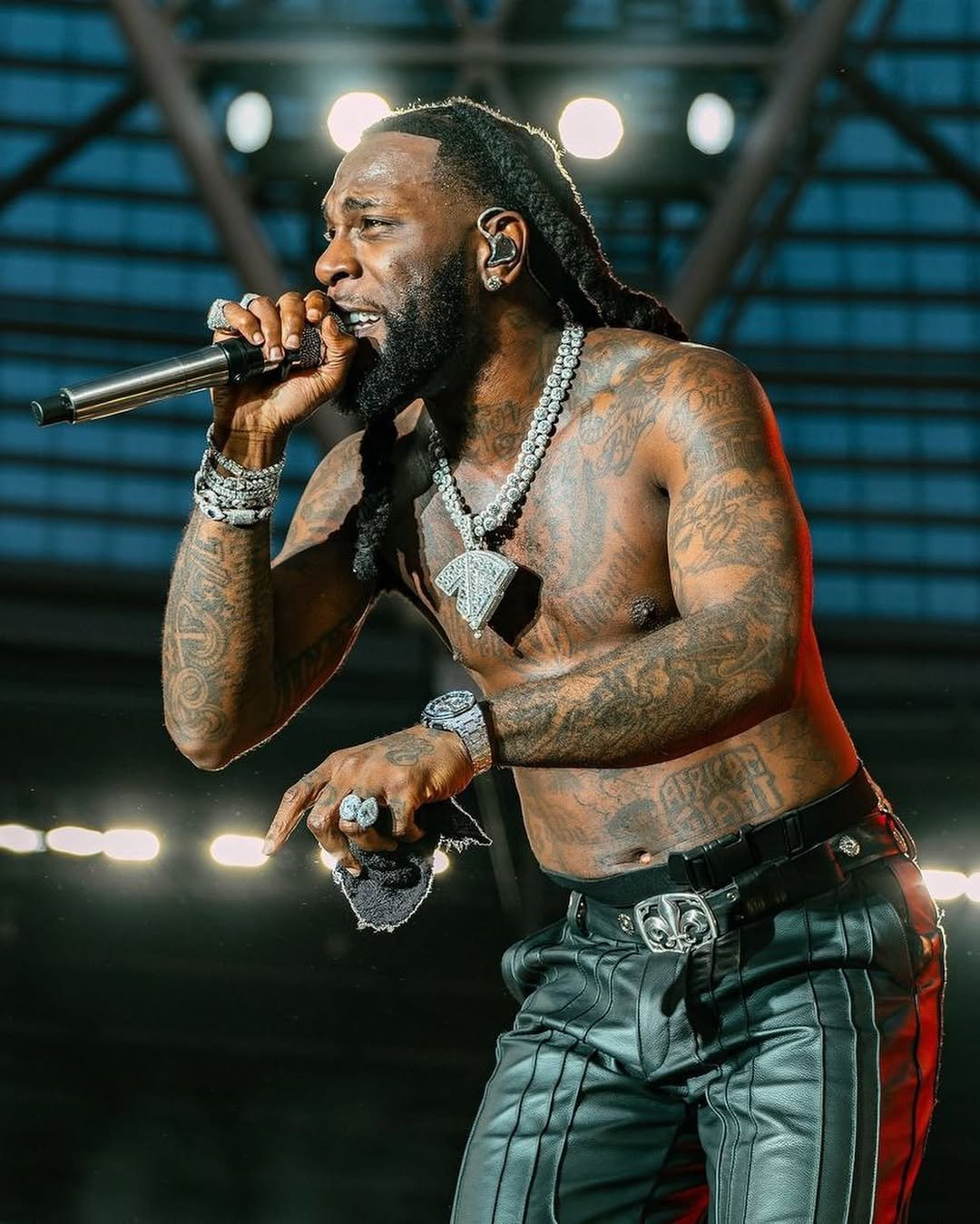
Few cultural movements capture this reality better than Afrobeats. Over the past decade, African artists have achieved what many once considered impossible. They have transformed a regional sound into a global phenomenon. Artists such as Burna Boy, Wizkid, Davido, Tems, Asake, Tyla, and Rema have become international stars without abandoning their cultural identity or creative roots. Their success is undeniable.
But beneath the headlines lies a complicated conversation. Many companies that control music distribution, ticketing, streaming, and intellectual property are based outside Africa. The artists are African; the culture is African. Yet the infrastructure that monetizes much of that culture often isn’t.
This doesn’t diminish the achievements of African musicians. Instead, it highlights the next challenge. Creating global hits is one thing, but building music companies that can compete on a global scale is another.
Nollywood’s Next Frontier
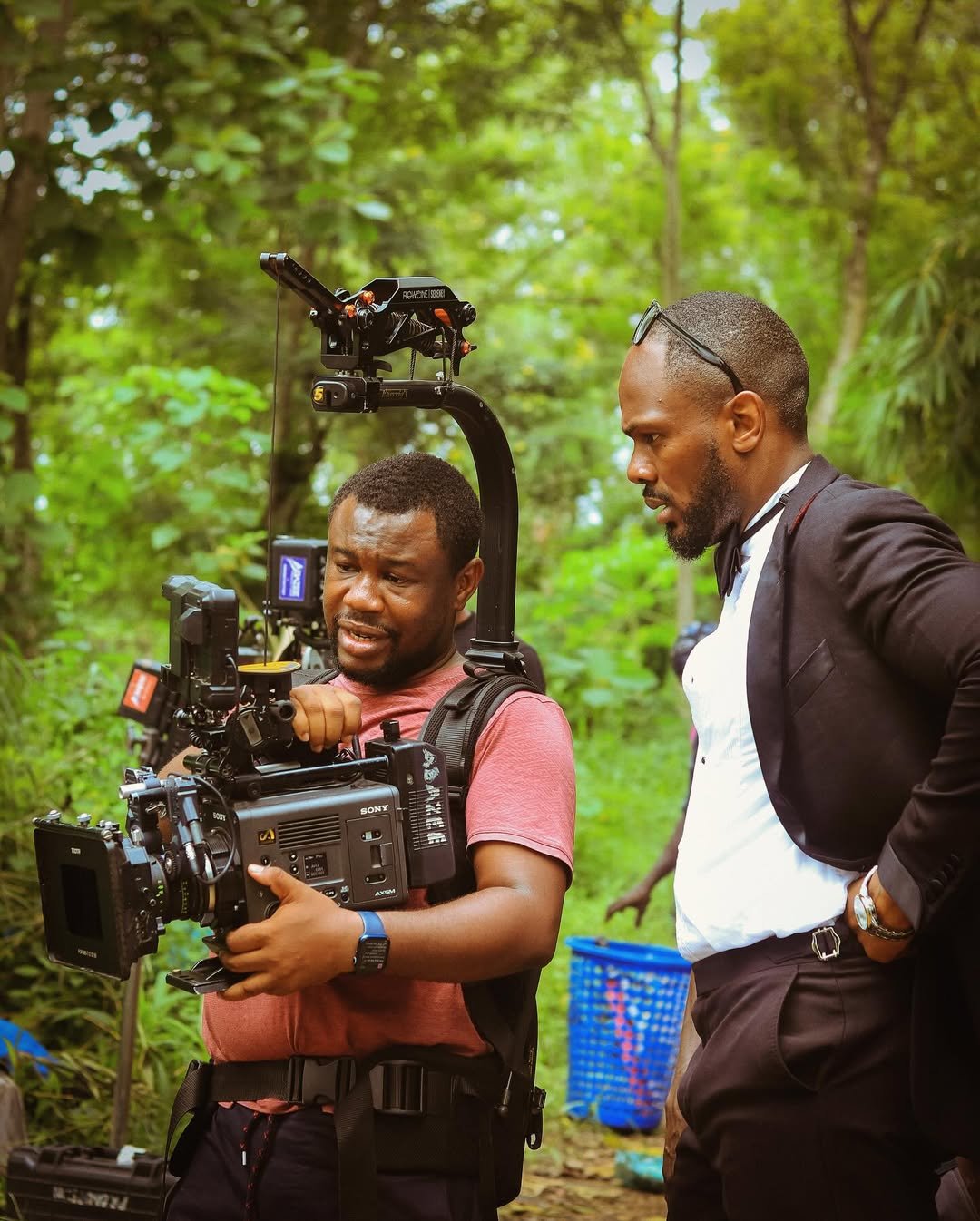
A similar story is unfolding in film. Nollywood has grown from one of the world’s most prolific film industries into one of its most influential. Nigerian filmmakers are forming international partnerships, attracting global audiences, and telling stories that transcend borders.
Yet the long-term success of the industry may depend less on the films themselves and more on the systems around them. Who owns distribution? Who funds productions? Who controls intellectual property rights? Who builds the studios, streaming platforms, and production ecosystems that sustain growth?
The future of African cinema won’t be decided by creativity alone. It will also come down to who owns the infrastructure. Hollywood’s rise came from building lasting institutions. Nollywood’s greatest opportunity may lie in doing the same.
Why Infrastructure Matters
Infrastructure often gets overlooked because it’s not as exciting as culture itself. Songs, films, and fashion shows are exciting, while publishing agreements, investment funds, and licensing structures are not. Yet, these behind-the-scenes systems largely determine where the money ends up.
The biggest players in global entertainment succeed not just by creating great content but by controlling the systems that finance, distribute, protect, and monetize it. Africa has proven it can produce world-class culture. The next step is to build world-class infrastructure to support and sustain it.
A New Generation Is Thinking Bigger
A growing number of African entrepreneurs are already approaching culture differently. Across music, film, tech, fashion, and media, they’re building companies that don’t just want to join global markets but aim to lead them.
Record labels are emerging with international ambitions, creative agencies are expanding internationally, streaming platforms are targeting African audiences, investment firms are paying closer attention to cultural sectors, and tech startups are developing tools specifically for African creators.
This matters because industries are built by institutions, not individuals. Superstars can inspire movements, but institutions sustain them.
The Next Stage of Africa’s Rise
The most important cultural question facing Africa today is no longer whether the world is paying attention; it is. The real question is what happens next. Will African creatives remain primarily exporters of talent, or will they become owners of the systems that generate value from that talent?
The answer will shape more than entertainment. It will define Africa’s role in the global economy. Culture is often the first sign of power, but industry is what turns that power into lasting impact. Africa has already won the culture; now it’s time to own the industry.