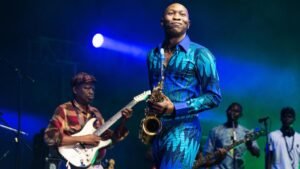
African music is more than Afrobeats and Amapiano. The continent is home to a lot of music genres, including Bongo Flava, Juju, Taarab, Highlife, Mbalax, Fuji, Apala, Kwaito, and Congolese Rumba, just to mention a few. Some genres are even still in the making, but many outside the continent see African music as just a single sound.
In 2024 the MTV Video Music Awards (VMAs) gave Tyla the award for Best Afrobeats for her hit single “Water,” even though Tyla is an Amapiano artist. She won the same Afrobeats award in 2025 at the MTV VMAs for her single “Push 2 Start” despite clarifying that she represents Amapiano.
This shows how there are still many people outside Africa that see all the continent’s musicians as Afrobeats artists when the truth is that African music is more than that. It’s a mistake that has become very common as African music reaches unprecedented international audiences.
The continent is home to 54 countries, thousands of ethnic groups, and over 2,000 languages. Every region has developed different musical traditions shaped by its own history, culture, and rhythms.
Nigeria’s Afrobeats is different from South Africa’s amapiano. Moroccan Gnawa, Congolese rumba, Kenyan gengetone, Ivorian coupé-décalé, Angolan kuduro, and Algerian raï each tell different stories about where they come from.
Yet outside Africa, those distinctions are often flattened into a single category. Many international listeners use Afrobeats as shorthand for virtually every modern African record. That label overlooks the incredible diversity flourishing across the continent.
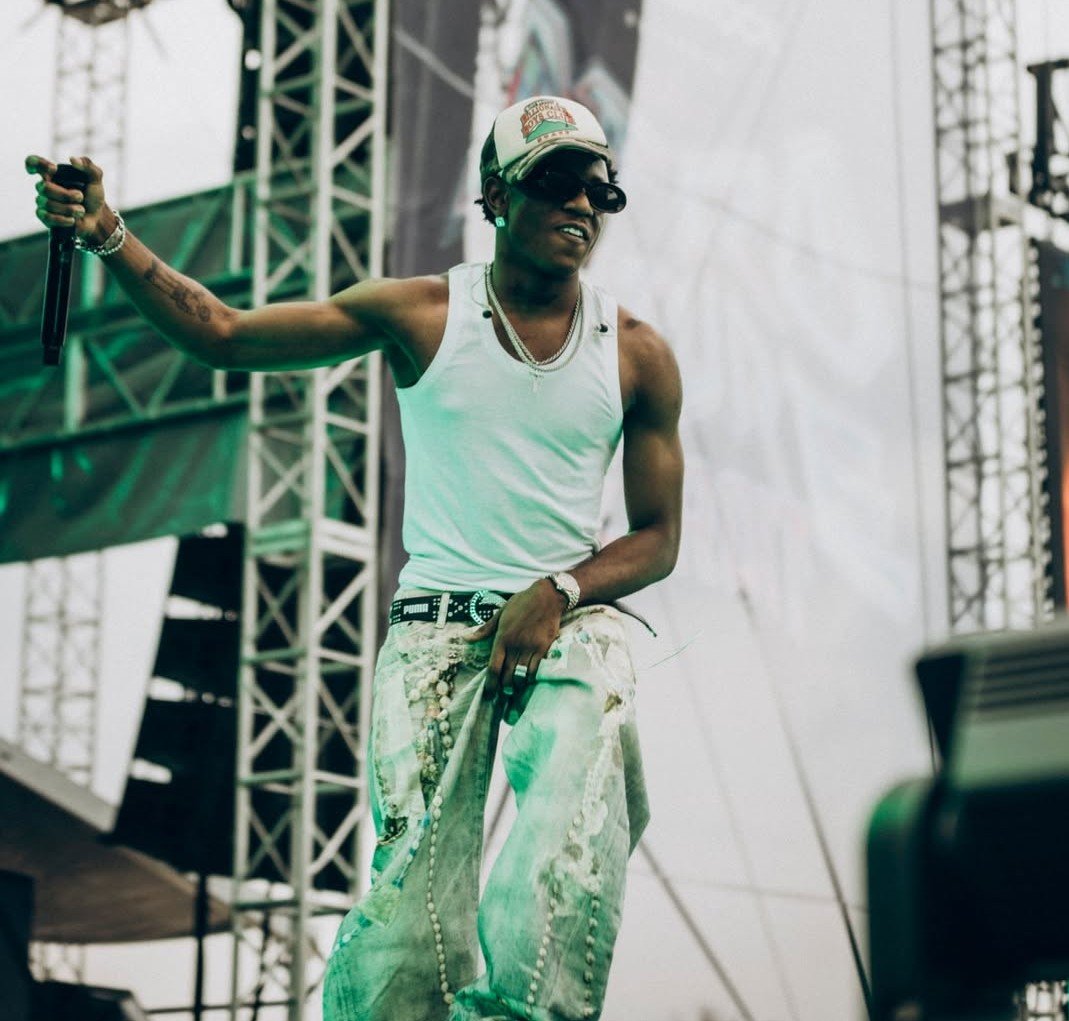
Another misconception is that Africa simply reacts to global music movements. History suggests the opposite. African rhythms have long shaped pop music around the world, and today’s generation is continuing that tradition.
Amapiano keeps influencing dance music, while Afro-house is finding audiences across Europe and Latin America. Global stars are collaborating with African artists not out of charity or curiosity, but because the continent remains one of music’s most exciting creative engines.
Language is also no longer a barrier. There was once an assumption that African artists needed to sing primarily in English to achieve international success. Recent years have dismantled that belief. Artists comfortably move between Yoruba, Zulu, Swahili, French, Arabic, Lingala, Pidgin, isiXhosa, and countless other languages without sacrificing global appeal.
Perhaps the biggest misunderstanding is believing African music has reached its final form. It hasn’t as genres continue merging. Alternative sounds are flourishing.
Hip-hop, soul, jazz, and electronic music are finding new African identities. The continent’s next global movement may not resemble anything dominating playlists today, and that’s exactly what makes African music so exciting. It refuses to stand still.
The greatest gift African music offers isn’t simply its ability to make people dance. It is its ability to tell thousands of different stories, each rooted in a distinct place, language, history, and community.
The more the world listens, the more it will discover that African music has never asked to fit into one category. It has always invited listeners to explore many.