Once seen as a platform for just vlogs, music videos, and tutorials, YouTube has also become a cinema. With the platform, filmmakers are taking their movies straight to the audience. So many producers and directors now have a YouTube channel, and they upload their films there directly.
The greatest advantage YouTube offers isn’t simply that it’s free to upload. It’s that the audience is already waiting. With billions of monthly users globally and widespread smartphone adoption across Africa, YouTube has become one of the continent’s most accessible entertainment platforms.
For many viewers, it’s already where they consume music, podcasts, documentaries, and short-form content. Watching feature films there has become a natural extension of those habits.
Instead of asking audiences to visit a cinema or subscribe to another streaming service, filmmakers are meeting viewers where they already spend their time.
Some release new films every month and sometimes less than a month, while others build loyal audiences with carefully produced movies.
For emerging filmmakers, YouTube offers ownership that traditional distribution often cannot.
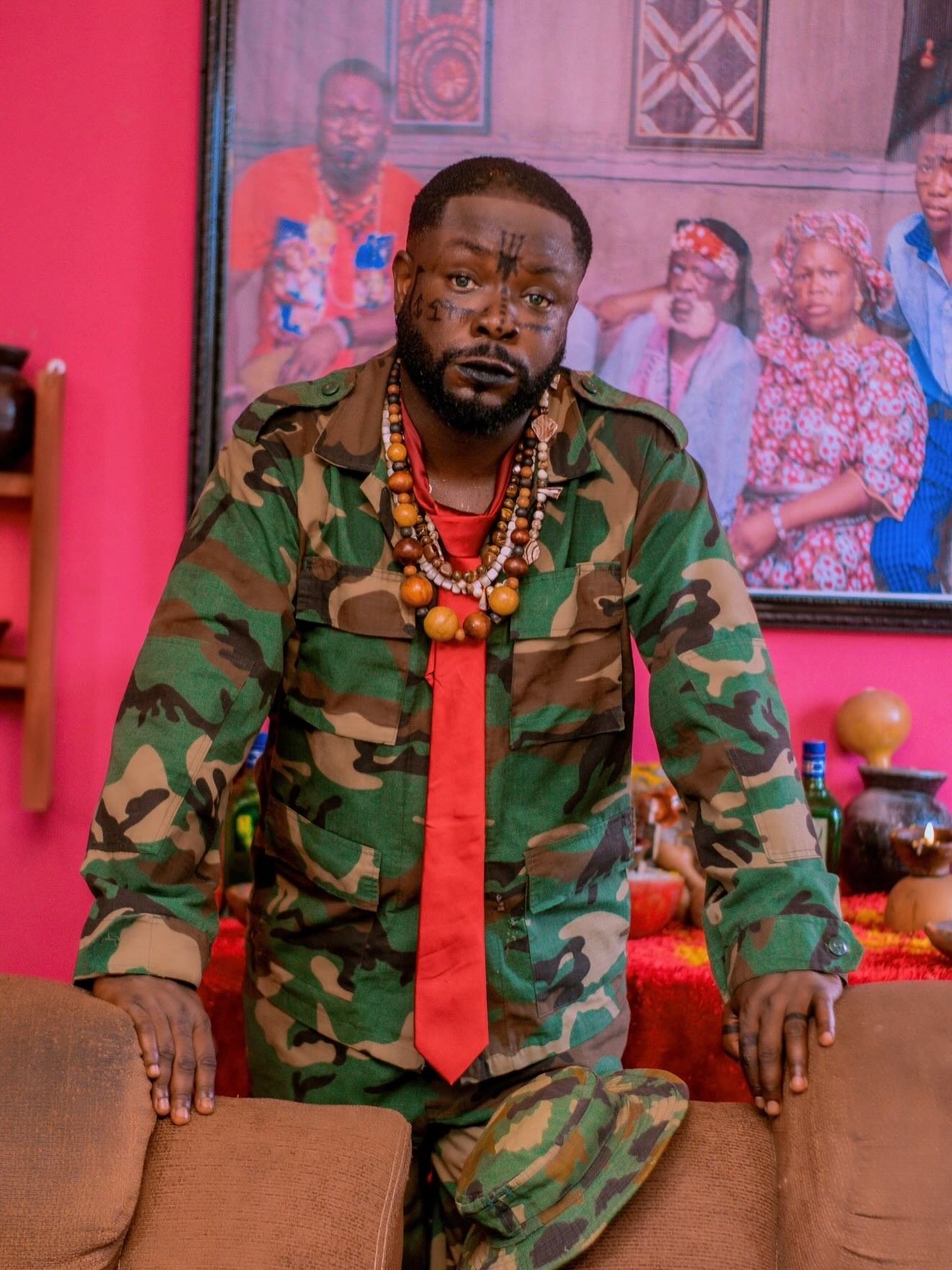
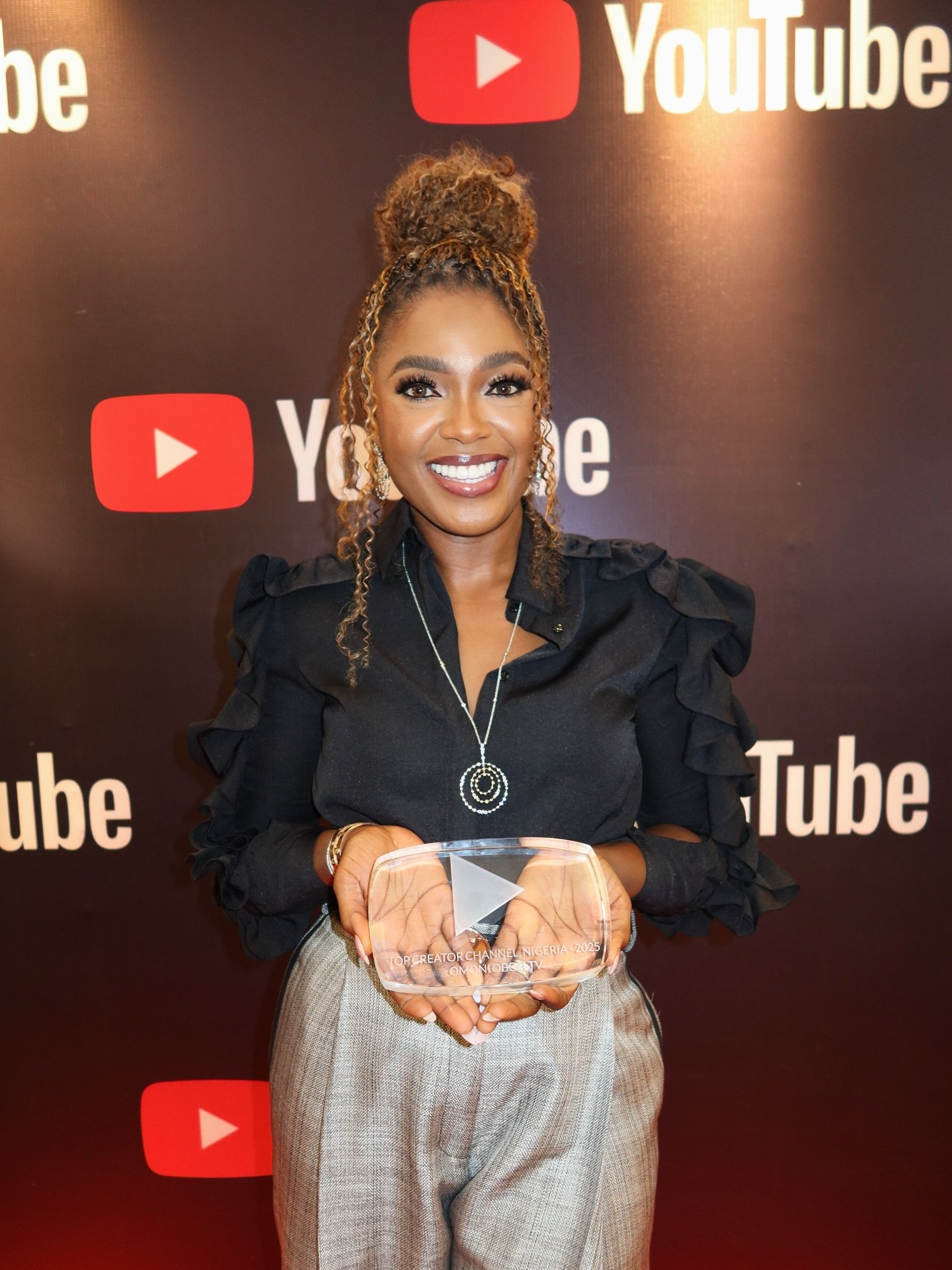
Nigerian films continue to dominate with many independent producers getting millions of views on their movie releases. Some of these producers are Omoni Oboli, Uche Montana, and Itele D Icon. But the trend extends well beyond Nollywood.
Filmmakers from Ghana, Kenya, Uganda, South Africa, Tanzania, and other African countries are also using the platform to showcase local stories, and this means unprecedented access for audiences. Movies by their favorites are available with a simple search.
African filmmakers are recognizing that success isn’t confined to cinema screens. A movie that attracts millions of YouTube views, generates meaningful advertising revenue, builds a loyal subscriber base, and sparks conversations on social media is equally successful.
Unlike theatrical releases, where a film may disappear after a few weeks, YouTube gives movies a much longer life. A film uploaded today can continue attracting viewers months or even years later.
YouTube has also reduced distribution barriers. Traditional distribution has historically depended on networks, funding, industry relationships, and commercial viability. To reach viewers now, what independent filmmakers need are compelling stories, and this has encouraged greater creative freedom.
Filmmakers can experiment with genres, languages, and formats that may once have been considered commercially risky.
Viewers can also share feedback through comment. However, uploading a film to YouTube doesn’t magically solve the financial realities of filmmaking. Producing quality cinema still requires investment.
Advertising revenue alone isn’t enough for every creator. Yet YouTube has introduced new possibilities.
Revenue can come from advertising, brand partnerships, licensing opportunities, and increased visibility that leads to collaborations with larger platforms.
For many filmmakers, YouTube isn’t replacing traditional distribution. It’s strengthening it. There will always be a place for cinemas.
Streaming platforms will continue commissioning African originals, and film festivals will remain essential spaces for celebrating artistic excellence.
But YouTube has carved out something equally important. It has become Africa’s most accessible screening room.
A place where established directors and first-time filmmakers can release work on their own terms and audiences can discover stories from across the continent without subscriptions or geographical limitations.
YouTube has also become a place where success is measured not only by opening weekend numbers but also by lasting connection.
The future of African cinema will not belong to one platform alone. It will live across theaters, festivals, streaming services, and increasingly, YouTube.