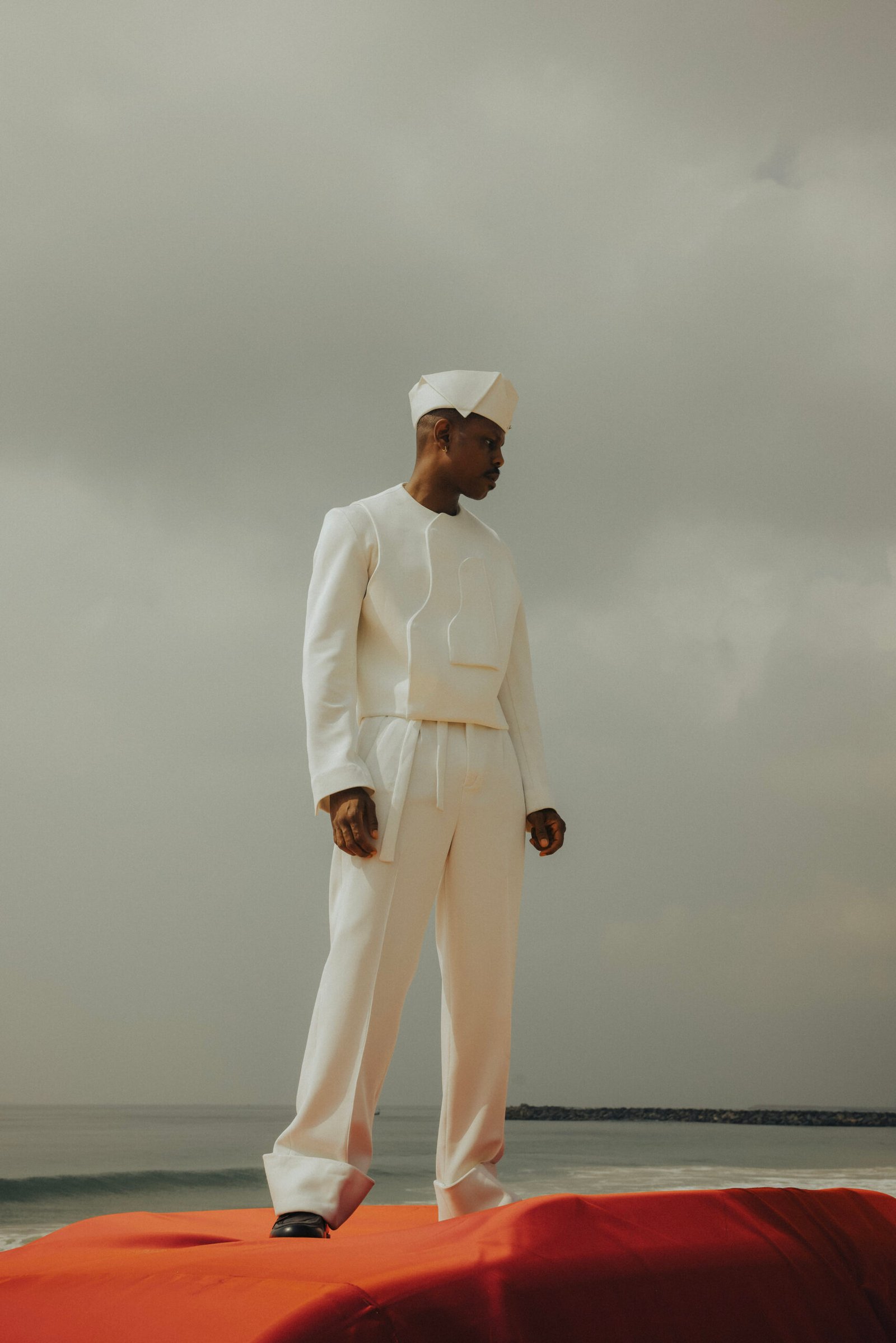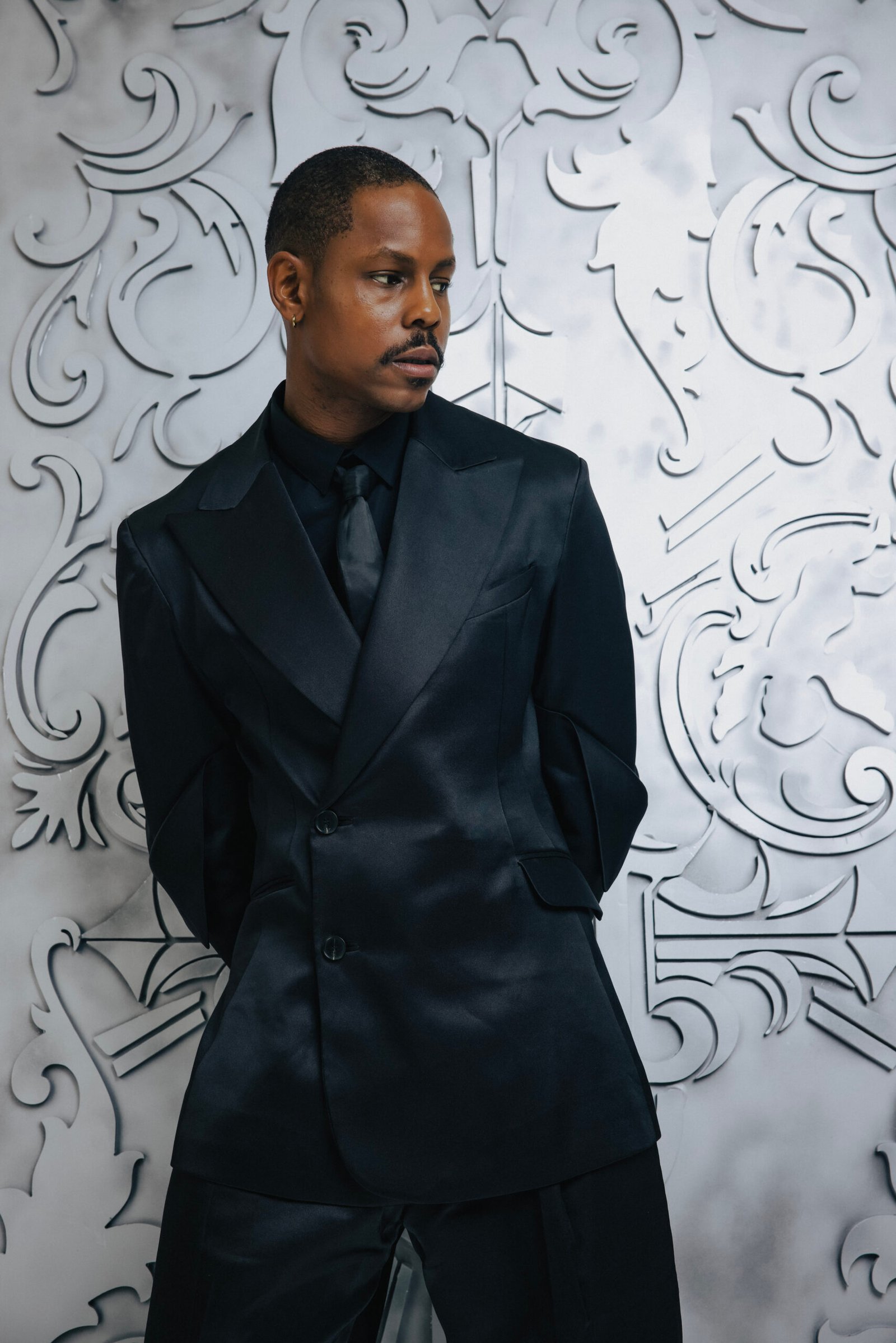
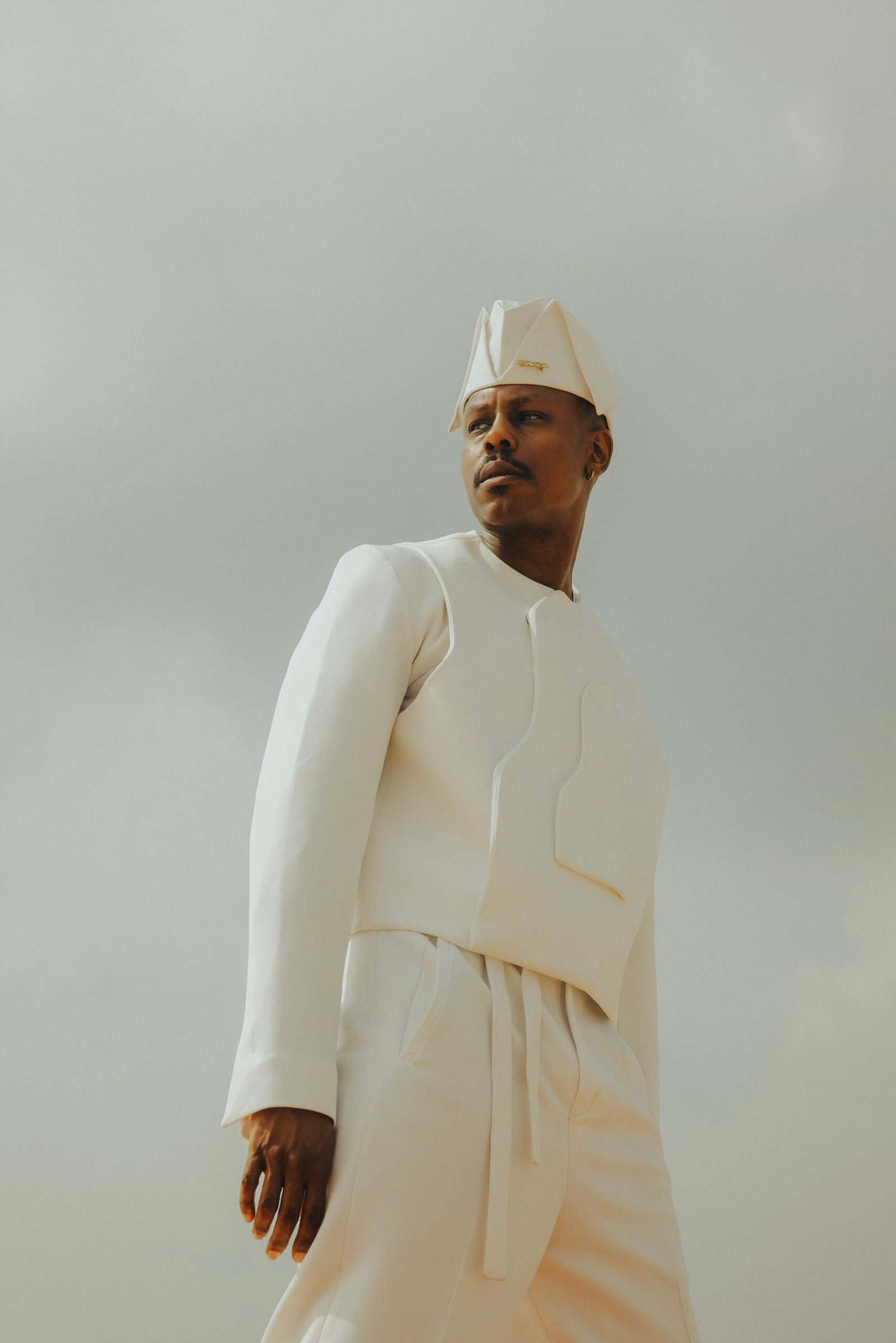
Nigerian rapper Oladipo Eso, known by his stage name LADIPOE, returns with Revival, his sophomore album which he describes as his most personal and culturally charged project yet.
Released via Mavin Records and Universal Music Group, the 16-track project explores faith, identity, purpose and African excellence through LADIPOE’s trademark wordplay.
Arriving at a time when African hip-hop is reclaiming its place in the global conversation, the album sees the Mavin Records rapper delve into self-discovery and Pan-African collaboration, while reaffirming his reputation as one of the continent’s most thoughtful lyricists.
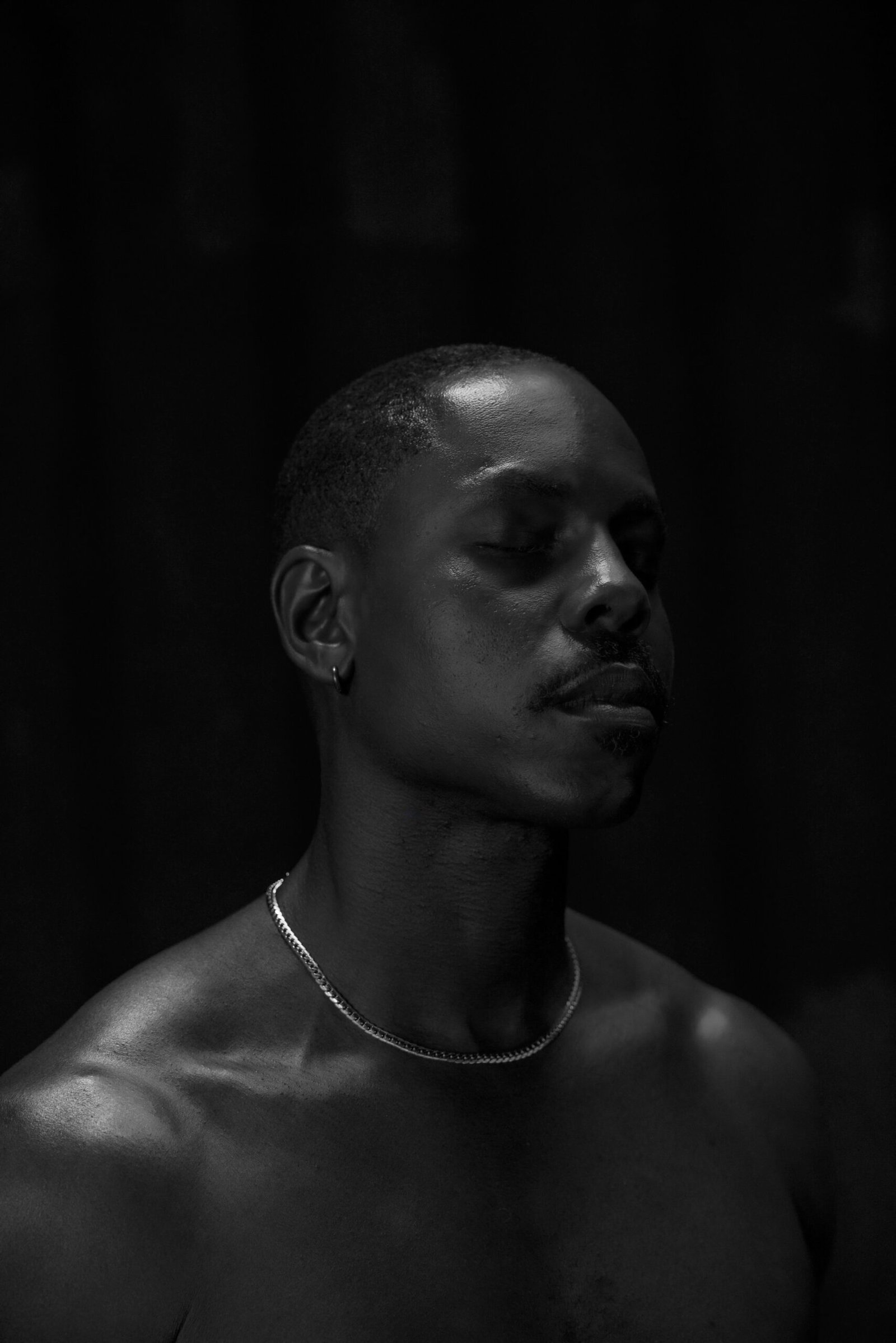
In this exclusive conversation with Rolling Stone Africa, LADIPOE reflects on the personal experiences that shaped Revival, the meaning behind calling himself the “Leader of the Revival”, and why he believes African rap has never been better positioned to compete on the world stage without compromising its authenticity.
Revival has been described as your most personal and culturally charged project yet. Why did “Revival” feel like the right title for this chapter of your life and career?
The name felt like the natural choice because it feels like it’s sort of been a part of my career, unintentionally. On my last album, Talk About POE, that’s the name of the last track, and I didn’t even name it. It came with that name, and it made so much sense that it stayed that way. I began calling myself the leader of the revival, and I can’t exactly tell you why. I know that it just made sense to me to see myself as that before I even understood what Revival meant to me. Over the years, I’ve come to understand that it means the power of acknowledging the things that are within you already and that need to be rediscovered, reaffirmed, acknowledged.
It’s been several years since your debut album. What experiences shaped the making of this sophomore project?
At the time I dropped my previous project, there were several moments that have occurred in my career that have been major milestones that I will never forget and have been life-changing moments. From successful songs to fatherhood, many things have come and changed my mindset and my outlook. Things have happened in my country, things have happened in my family. All these things come to bear when you’re making an album.
You refer to yourself as the “Leader of the Revival.” Beyond the music, what does that title represent to you?
Beyond the music, the leader of the Revival moniker, for me, is a constant reminder that wherever I find myself, it is important to be strongly connected with who I am. Who I know myself to be, regardless of the other forces and influences around me, is to stay very connected to that grounding fact. And for me, the whole idea of being the leader of the revival is a hope that through music and through other aspects of my life and career, I can make others realise that they’re the leaders of their own revival.
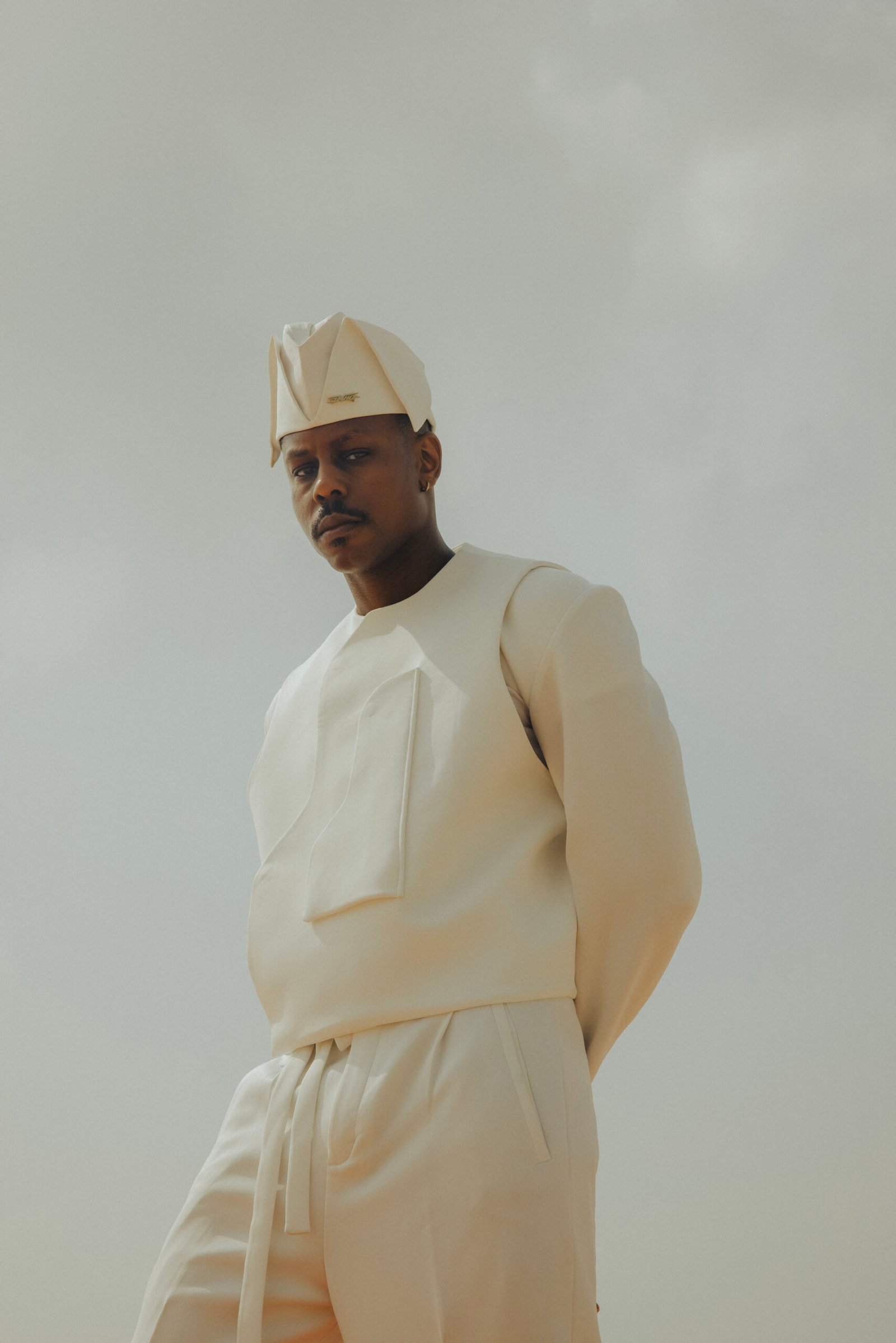
As hip-hop continues to evolve in Africa, how do you challenge yourself to remain technically sharp while still making music that connects with wider audiences?
For me, I love to do this. The idea of this giant puzzle piece that I’m filling in with words, creating layers and worlds within worlds, you know, and trying to use these lived analogies or observed analogies to explain deeper feelings and deeper emotions. I like to do that. And I think it is my own unique gift to be able to say these things in ways that come from my world, but find a place in another’s world. That’s why I call them lifelines. You know, I admire the punchline. I know what the punchline is used for: the punchline is the shining package that writes and makes them say that’s amazing, the lifeline is what makes them stay with you. It’s my own style, and so I enjoy the challenge, and it shows me a lot of people do as well.
One of Revival’s strengths is its Pan-African outlook, with collaborations spanning Nigeria, South Africa, the UK and the US. How intentional was it for you to make the album feel like an African conversation rather than just a Nigerian one?
It was a natural evolution. The album attracted the collaborators that it attracted and the featured artists that it attracted in a way that was a bit of both. For example, I didn’t know that I was going to meet Maglera Doe Boy when I did, but when we did, we connected. And then we have “Motho Waka” as a result. And when I think of road rage and old ways and gonna boy, I had that song, and I knew there was a piece that was missing. Right and for me it filled that gap, because i felt to myself this should be somebody from another part of the world that can feel my pain, because they understand the context, so it was more intentional to find someone from the immediate shores of my country, so it happened in ways that i cannot say was intentional but its a reflection of where i am with making music now and i’m happy that the conversation is spreading beyond and rooted here in Nigeria with relevance beyond.
Your collaboration with Maglera Doe Boy on “Motho Waka” stood out as a celebration of African rap across borders. What excites you about the growing connections between rap scenes across the continent?
Well, I mean, I’ve always been excited. That’s always been the case for us, you know, just even young on the come up, we’ve seen these collaborations before, you know, between Nigerian rappers and South African rappers, or Ghanaian rappers, rappers out the east in Kenya. We’ve seen these collaborations before. So, even this collaboration that you bring up with Maglera Doe Boy is almost like paying homage to some of the big collaborations that have happened between Nigerian and South African artists in the past. You know, to me, I know that this has always been a connecting force, this rap ability. Hip hop culture has always been a major connecting force, and I’m really grateful to be part of the generation that is reaffirming those bonds.
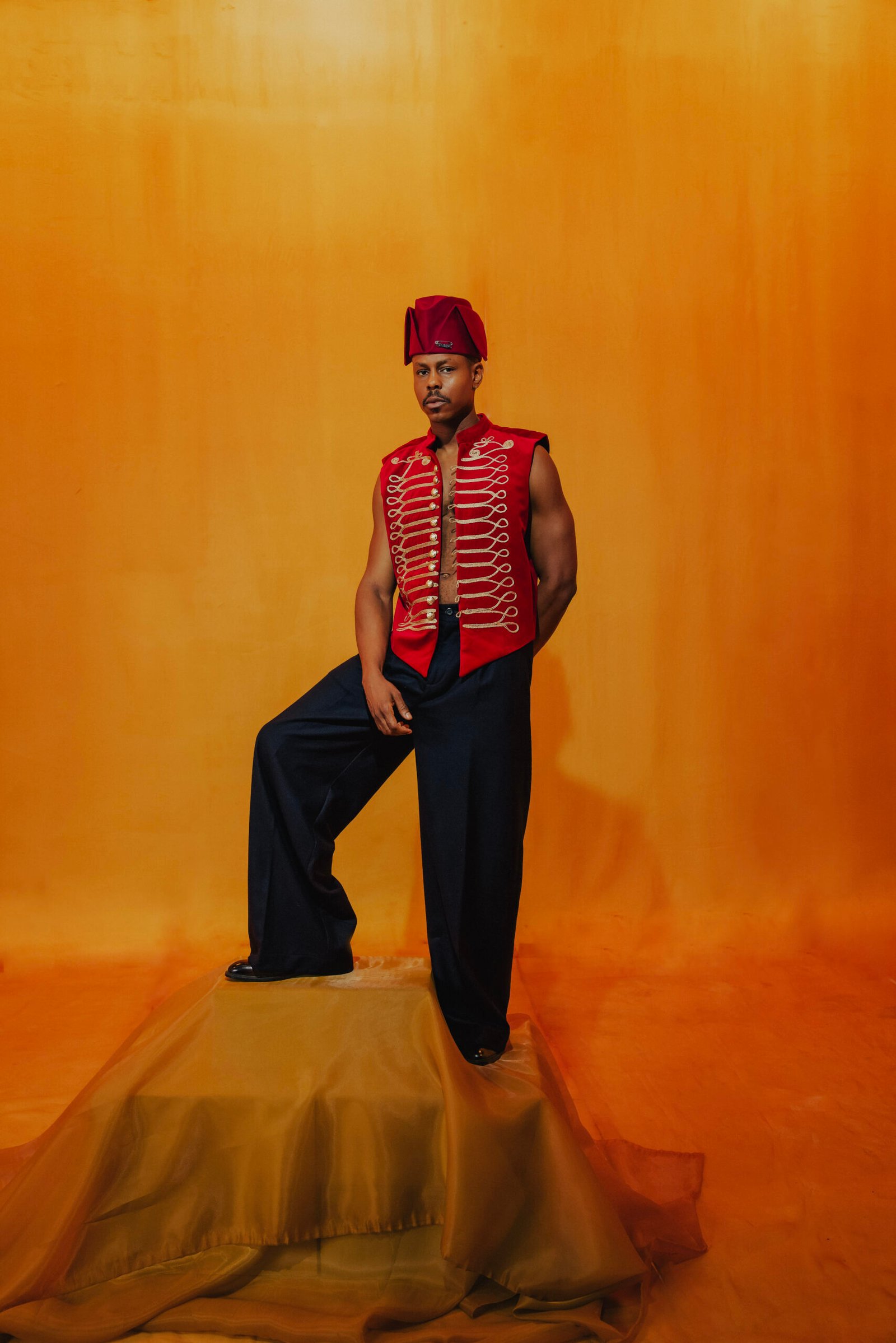
You’ve collaborated with artists from different genres, including Teni, Taves, Pa Salieu, Majeed and Ayo Maff. What do you look for in a collaboration, and how do you ensure every feature serves the story of the album?
Beyond the musical, while the musical is usually a given, I usually approach people that I am a fan of what they do. At the same time, it’s also the fact that I connect with them in a way that I can tell will allow us to work on this song in a way that will bring the best out of the song, you know? And some of these are repeat collaborations. Like, I’ve collaborated with TENI before, so hearing another opportunity for us to do so, it made sense because the experience the first time was memorable, you know, and in case, like, somebody like PA, sometimes you meet people and you guys just connect, right? And that was the case with PA. We didn’t make a song the very first time. Actually we did make a song the very first time we meet, but from that experience I could tell that the energy he has was perfect at that level, but to me the idea that the person can, I usually come with ideas in my head for what we could do, feeling the person can contribute to that but that personal connection is what matters the most at the end of the day.
The opening track, “Chosen,” ends with a voice note from your mother. That’s a deeply personal creative decision. What made you include that moment on the album?
It is a deeply personal, creative decision. I’m glad you acknowledged it, and I don’t take it lightly. I am lucky enough to have a family that supports me, and my mother is no different. However, she’s somebody who’s like me. We’re suspicious of the attention that comes with fame, and so I didn’t do it lightheartedly. It was something I thought about, sharing this part of my life with people, but the message that she shared was so powerful, and to me, I felt that it was a way to let the audience know part of the things that drive me and the kind of place that I’m coming from to better understand why I am, who I am, and why I’m determined to go to where I am determined to go. I joke that it was the hardest sample to clear on the album.
Looking back at the artist who released “Talk About Poe” and the one releasing Revival today, what has changed the most?
I feel like I’ve already answered this question earlier, but many things have changed. There have been a lot of career moments. There have been a lot of personal moments that hold weight with me. Some family members were around when I talked about people who no longer are. There are people now that were not alive, but are now alive. Since then, so many things have moved around. You know, there have been a few constants. My belief is in where I feel I should be and the kind of music I should be making; that never changed. It’s thinking about the things that stayed the same, because of course within 8 years a lot has happened, the style of music I wanted to make and where I felt like I belonged hasn’t changed.
African artists are reaching global audiences at an unprecedented rate. In your view, what does it truly take for an African rapper to compete on the world stage while remaining authentic?
I personally think that what it takes for a rapper to make it to the global stage, or what it takes any artist to make it on the global stage, is not much different. There needs to be an acceptance and a belief in the music and soundscape that you make, a cohort of people that believe the same, and an unshakable resolve to take one step and put it in front of the other. Making it to the global stage, in my opinion, is a matter of timing; it’s a matter of many things, but at the heart of it is timing and the right song at the right time. And so for me, rapper or otherwise, some of those things don’t change. I feel at the heart of it, when we talk about rappers, the most important thing for them is to accept what it is that they do and feel like it has a place in the overall soundscape here in Africa. Because so many things try to influence rappers to feel different.
If listeners take away one message after experiencing Revival from beginning to end, what do you hope it is?
It’s that good things, they can take time, they can be hard, but they can happen. I come from a part of the world that can be hostile, especially with creativity, but good things can happen. Yeah. Most importantly, as I said earlier, it’s one thing to be known as the leader of the revival. It will be a life’s goal to be the one that is known as the person that let people know that they are the leader of their own revival.
Finally, you’ve described this album as the beginning of a new chapter rather than the destination. What does the future of LADIPOE look like from here?
The future for LADIPOE looks brighter than ever. But I’m really focused on the immediate future, which is this album. It’s one thing to release an album; it’s a whole other thing to push an album. And that’s what I plan to be doing. And also, I would like to take this beyond the shores of my country. I would like to take it to different countries and introduce them to the sound and take things as far as they can go. I want to explore the depths and heights of my artistry. And I want to put myself in a great position to continue to do what I do best, which means having the right people around me, doing the right kind of business, and standing for the right things- things that are important to me and remaining true to myself and true to my trajectory.