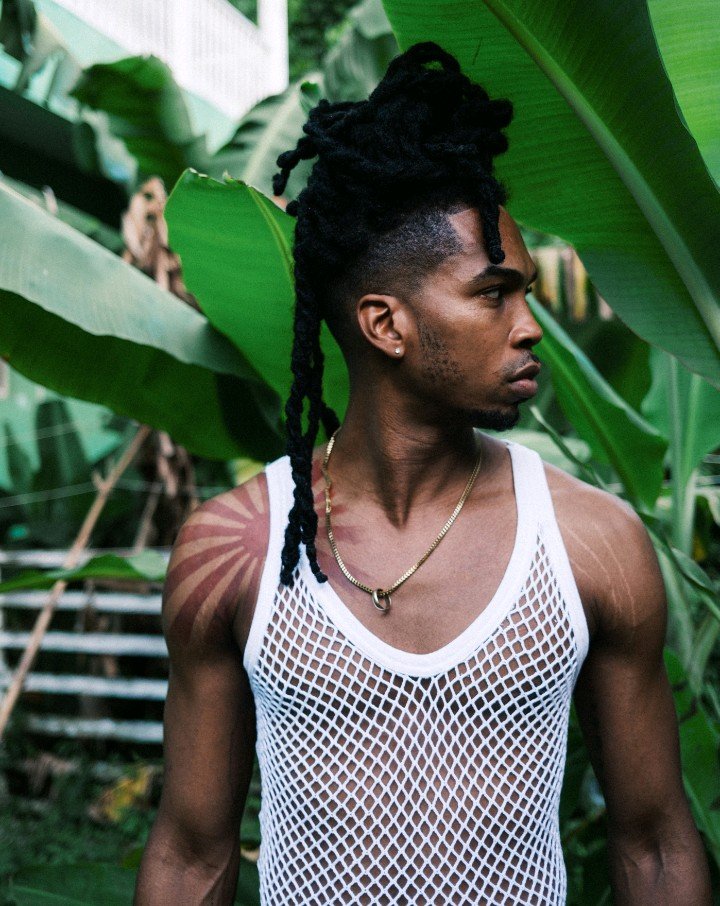
D’Yani doesn’t leave out Jamaica’s musical heritage in his style of music; he treats it as a foundation from which he can explore. Reggae and dancehall sit at the centre of his sound, but Afrobeats, ska, lover’s rock, R&B and soul find their way into his music.
He sings about love, vulnerability, gratitude, perseverance, faith and the complicated realities of simply trying to live well. Emerging on Jamaica’s music scene following the COVID-19 era, D’Yani quickly captured attention with “Feelings (Remix)” featuring Jada Kingdom. The song helped introduce him as a new heartthrob within Jamaican music, but his ambitions extended beyond romantic hits.
Singles including “Señorita”, “Goddess”, “Birthday”, “Lock and Key” and “Ride It” steadily expanded his profile, while recent releases such as “Journey” and “Miss You Bad” offered a deeper look into the artist behind the music. His breakthrough continued with “Live A Little”, which he made alongside Kareem “Remus” Burrell of XTM.Nation.
The song became a major turning point, pushing D’Yani’s music to international audiences and attracting the attention of DJ Khaled, who publicly shared the record and sang along to it when they crossed paths at the 2025 Caribbean Music Awards in New York.
But while those moments have increased D’Yani’s reach, he remains focused on something that is more lasting than visibility. On August 21, he will release his debut album titled, “Live Life & Prosper”. The project is built around life and love and moves through gratitude, healing, faith, romance, struggle and hope, bringing together the soulful storytelling that has defined the singer’s work with the rich musical traditions of Jamaica.
As D’Yani prepares for the release of “Live Life & Prosper”, he speaks to Rolling Stone Africa about the journey behind the album, the poetry that shapes his songwriting, finding his place within Jamaica’s new generation, his growing connection with Africa, and the philosophy that has become inseparable from his music.
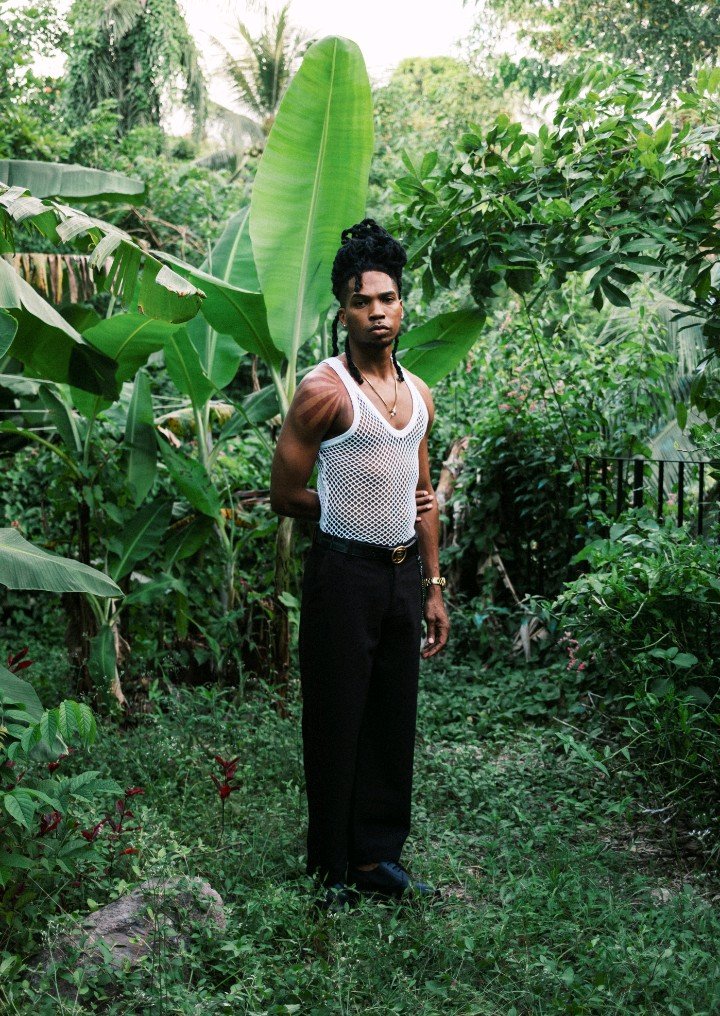
Live Life & Prosper is more than an album title—it feels like a personal philosophy. What does “Live Life & Prosper” truly mean to you, and why did you want this message to define your debut album?
Live Life & Prosper is really a mindset. To me, prosperity isn’t just about money or success. It’s about having peace, purpose, good health, love around you and the courage to keep going no matter what life throws at you. I’ve been through moments that could’ve made me give up, but every challenge taught me something. I wanted my debut album to represent that outlook because it’s the message I genuinely live by. My hope is that when people hear those words, they’re reminded to appreciate life, keep growing and believe that better days are always possible.
You often describe yourself as both a poet and a student of music. How has poetry shaped the way you write songs, and what does it allow you to express that ordinary conversation cannot?
Poetry taught me to appreciate the weight of words. Every line should carry meaning, emotion and intention. Sometimes there are feelings that are too layered for everyday conversation, but music gives you space to explore them honestly. A melody can soften difficult truths, and poetry helps me paint pictures people can see themselves in. That’s always been important to me, writing songs that feel personal but become universal.
You emerged during the post-pandemic era and quickly became one of Jamaica’s most exciting new voices. Looking back, what do you think allowed D’Yani to stand out in such a competitive music scene?
I think authenticity always finds its audience. I never approached music trying to sound like someone else or chase what was popular. I focused on telling my story and making music that reflected who I am. People connect with honesty. They know when something comes from a real place, and I believe that’s what opened doors for me.
Your sound effortlessly blends reggae, dancehall, ska and even Afrobeats. How would you define the “D’Yani sound” to someone hearing your music for the very first time?
I’d describe it as soulful Jamaican music with no boundaries. Reggae and Dancehall is my foundation because that’s in my DNA, but I love exploring different rhythms and influences. Whether it’s dancehall, ska, Afrobeats, RnB or soul, everything has to feel organic. The common thread is always the message and the emotion. If it doesn’t move me, I won’t record it.
Many artists today chase trends, but your music feels rooted in honesty, vulnerability and purpose. Was that always intentional, or did it naturally become your artistic identity?
It happened naturally because that’s the only way I know how to create. I don’t think you can fake vulnerability. My music reflects where I am mentally, spiritually and emotionally at that moment. Of course, I want people to enjoy the songs, but more importantly, I want them to feel something genuine.
This album explores love, gratitude, perseverance, faith and healing. Was there a particular life experience that inspired the themes?
Life itself inspired them. Every experience whether joyful or painful found its way into this project. I’ve learned that growth often comes through struggle, and healing doesn’t happen overnight. Along the way, I’ve gained a deeper appreciation for love, family, faith and gratitude. This album is really my perspective on life, wrapped in reggae. It’s an eclectic and soulful expression of my thoughts through melody and words.
Journey opens the album with a message of resilience. Why did you choose that song to introduce listeners to Live Life & Prosper?
Because every story starts with a journey. Before people hear the love songs or the uplifting records, I wanted them to understand the road that led me here. “Journey” sets the tone because it reminds listeners that every destination begins with perseverance. It says, “This wasn’t overnight.” Everything that follows makes more sense after that introduction.
Songs like Little Things, Joy Come A Morning and Too Good carry strong messages of hope. In today’s world, do you think music has a responsibility to heal as much as it entertains?
Absolutely. Entertainment is important, but music has always been medicine too. Some songs help people dance, others help people survive difficult seasons. If someone listens to one of my songs and finds hope, comfort or strength, then I’ve done something meaningful. That’s one of the greatest gifts music can offer.
Realise is a tribute to mothers and Blooming celebrates women. Those songs feel personal. What inspired you to include them on the album?
The women in my life have shaped the man I’ve become. Mothers carry so much that often goes unnoticed, and women in general deserve to be celebrated beyond appearances. “Realise” is about appreciation and acknowledging sacrifice. “Blooming” is about recognizing beauty, strength and growth. Those songs came from genuine gratitude, and I felt they belonged on this project.
Since partnering with Kareem “Remus” Burrell and XTM.Nation, your career has reached another level. What has that creative partnership brought out in you as an artist?
It’s brought structure, vision and belief. Having people around you who understand your artistry but also challenge you to become better is invaluable. They’ve encouraged me to think bigger without losing who I am. It’s a partnership built on trust, and I think that’s reflected in the music.
Across Africa, reggae has always had a powerful cultural impact. As a Jamaican artist, what does it mean to know your music is resonating with African audiences?
It means a lot because the connection between Jamaica and Africa goes beyond music. There’s history, culture and shared spirit there. Knowing that people across the continent can relate to my songs reminds me that honest music has no borders. That’s something I never take for granted.
Your music also incorporates Afrobeats. Which African artists or sounds have inspired you creatively, and how have they influenced your evolution?
I’ve always appreciated how African artists blend rhythm with storytelling. Artists like Burna Boy, Wizkid, Davido, Tems and others have shown how local culture can connect globally without losing authenticity.
Do you see stronger collaborations between Jamaica and Africa becoming an important part of your future? Are there African artists you would love to work with?
Definitely. I think Jamaica and Africa have only scratched the surface creatively. There’s so much musical chemistry between us. I’d love to collaborate with artists like Burna Boy, Tems, Wizkid, Fireboy DML or Yemi Alade because I think we’d create something meaningful that represents both cultures.
There’s a new generation of Jamaican artists redefining reggae and dancehall for a global audience. Where do you see yourself within this movement, and what do you hope your generation will be remembered for?
I see myself as someone helping to expand the conversation while respecting the foundation. Every generation has its responsibility. Ours is to honour the roots while showing the world that Jamaican music continues to evolve. I hope we’re remembered for bringing substance, creativity and authenticity back to the forefront.
“Feelings (Remix)” with Jada Kingdom introduced many listeners to your music, while Live A Little became an international breakthrough. Looking back, what moments have changed your career the most?
Those records were definitely turning points because they introduced my music to new audiences. Performing internationally has also changed me because it showed me how far these songs can travel. Every stage, every collaboration and every genuine connection with listeners has been another step in the journey.
DJ Khaled publicly showed love to Live A Little, even singing along to it. What was going through your mind when you saw someone of his stature genuinely connecting with your music?
I was grateful more than anything. It’s always encouraging when someone who’s accomplished so much connects with your work in an authentic way. It reminded me that music really does travel. You never know who’s listening or how your art might reach them.
Your performances have taken you from Reggae Sumfest to City Splash and major Caribbean festivals. How has performing live shaped your confidence and artistry?
Live performances teach you things the studio never can. They show you how songs live beyond headphones. You learn how people connect emotionally, which moments move them and how to become fully present as a performer. Every show has helped me grow both as an artist and as a person.
If someone listens to Live Life & Prosper from beginning to end, what emotional journey do you hope they leave with?
I hope they leave feeling lighter than when they started. The album moves through struggle, love, gratitude, reflection and hope because that’s life. I want listeners to feel understood. Whether they’re celebrating or healing, I hope they find at least one song that speaks directly to where they are.
Five years from now, when people talk about D’Yani, what do you hope they’ll say you’ve contributed to Jamaican music?
I hope they’ll say I stayed true to myself. That I made music with purpose, respected the culture and inspired people to believe in themselves. If my songs continue to encourage hope and bring people together long after they’re released, that’s a legacy I’d be proud of.
Finally, what message would you like to leave with Rolling Stone Africa readers across the continent as they prepare to experience Live Life & Prosper?
First, thank you for embracing my music and allowing it into your lives. The love from Africa has never gone unnoticed, and I truly appreciate it. I hope Live Life & Prosper reminds you to protect your peace, celebrate your blessings, keep believing in your dreams and never stop growing. I hope this album strengthens that connection even more, and I look forward to sharing this journey with you.
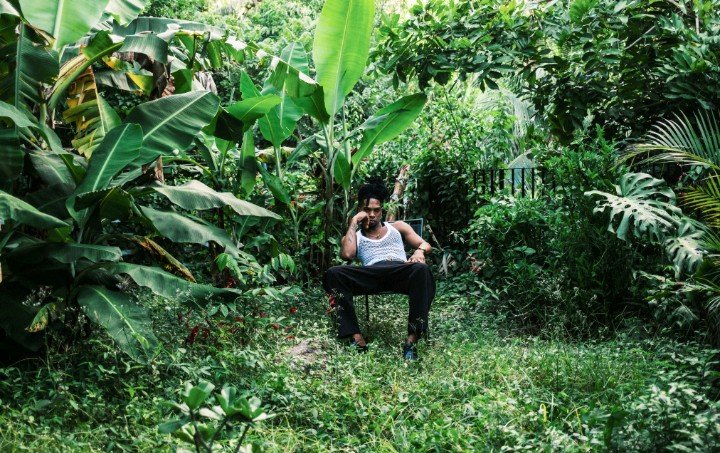
Photo Credit: Joachim ‘JoJo’ Maquet