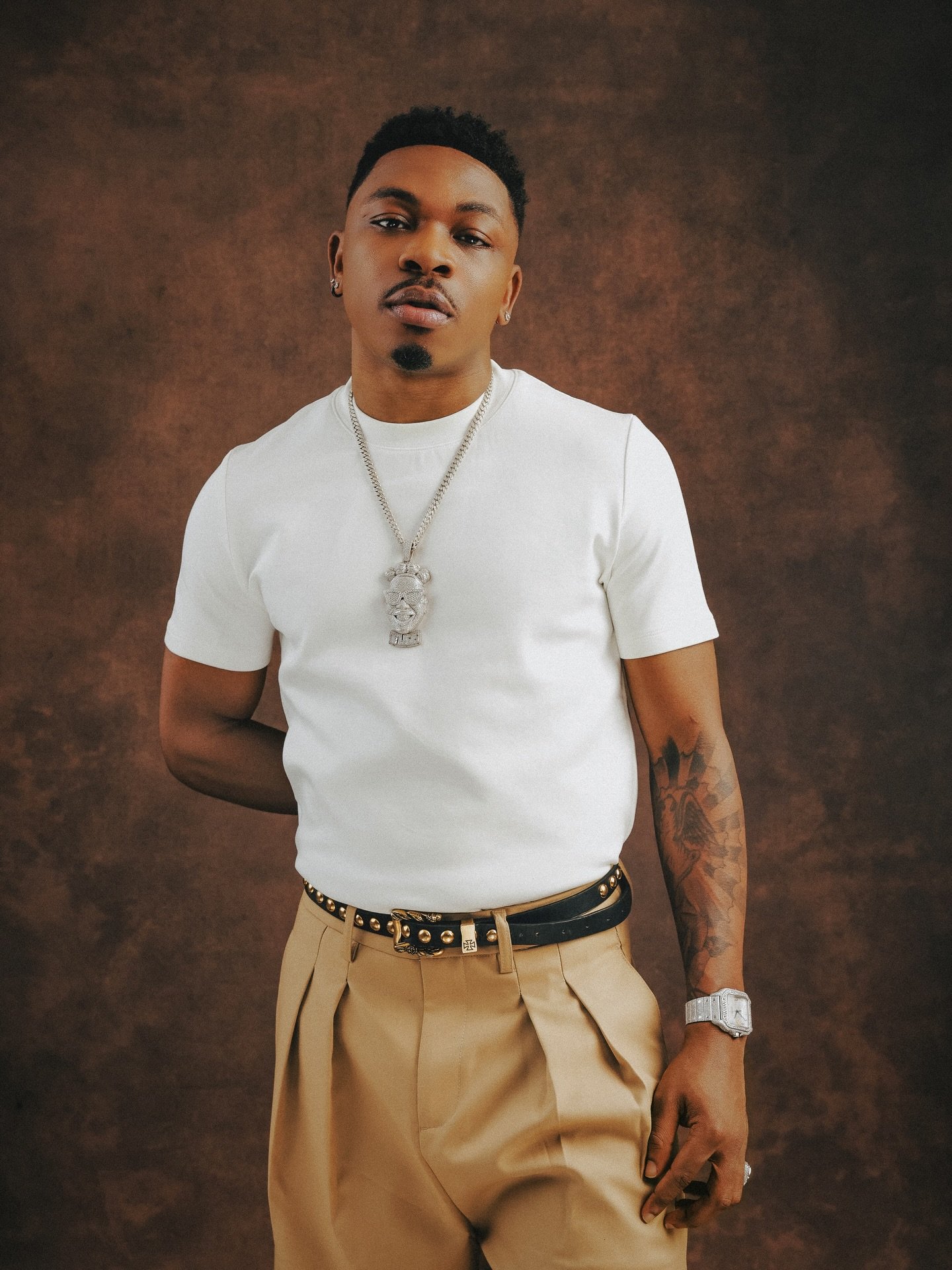
Adewale Mayowa Emmanuel, known by his stage name, Mayorkun, started his music career in 2016, a time when Afrobeats hadn’t fully expanded beyond African audiences. Ten years later, Afrobeats has become a global industry, and Mayorkun has gone from an artist trying to break into Nigerian music to a superstar.
Discovered by Davido and signed to Davido Music Worldwide (DMW), the first song he released was “Eleko,” a single that earned him the “Rookie of the Year” award at The Headies 2016. Success arrived quickly for Mayorkun. According to him, working alongside Davido helped him understand the realities of fame and gave him an early education in navigating the media, public attention, and the pressure that comes with being watched.
Mayorkun followed “Eleko” with records such as “Sade” and “Mama,” establishing himself as more than a promising newcomer. He released his debut album, “The Mayor of Lagos,” in 2018. The album reached No. 15 on the US Billboard World Albums chart. The album title also became his nickname, putting Lagos at the center of his identity. Born and raised in the city, Mayorkun carries Lagos energy into his music and lifestyle.
The city gave him the confidence, humor, and cultural vocabulary that became part of him. Even as his career has taken him across Africa, Europe, and North America, Mayorkun said the Lagosian in him is difficult to separate from the artist. His songs, including “Geng,” “Holy Father” featuring Victony, “Betty Butter” featuring Davido, and Certified Loner, were all street anthems at the time they were released.
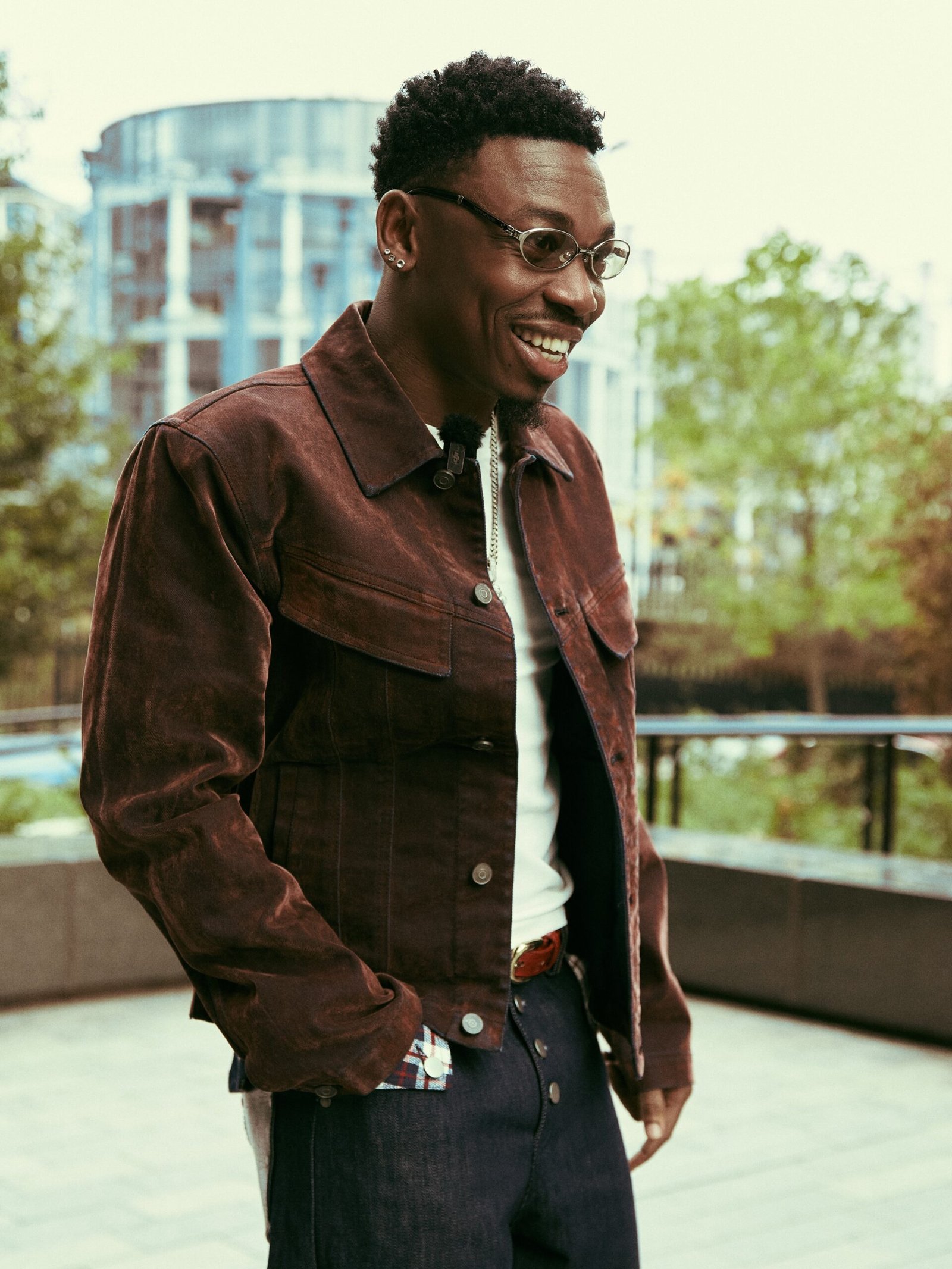
Mayorkun recently appeared alongside Davido and FOLA on “B4 B4,” a collaboration that debuted at No. 1 on Nigeria’s Official Top 100 and reinforced a relationship that, despite years of speculation, never actually disappeared. For Mayorkun, “B4 B4″ wasn’t a reunion with Davido. He explained that there was never a break in their relationship. It was simply the right song arriving at the right time.
The Mayor of Lagos released “Kaluba” this year as he enters his tenth year in music. The single is a beginning of a new chapter for him. With an upcoming EP planned for November, the song arrives at a moment when Mayorkun is thinking less about proving that he belongs and more about what he can leave behind.
Speaking with Rolling Stone Africa, Mayorkun looks back on the lessons of his early years, the influence of Lagos on his artistry, and his enduring relationship with Davido. He also shared with us his plans for the next 10 years.
OUR EXCLUSIVE INTERVIEW WITH MAYORKUN
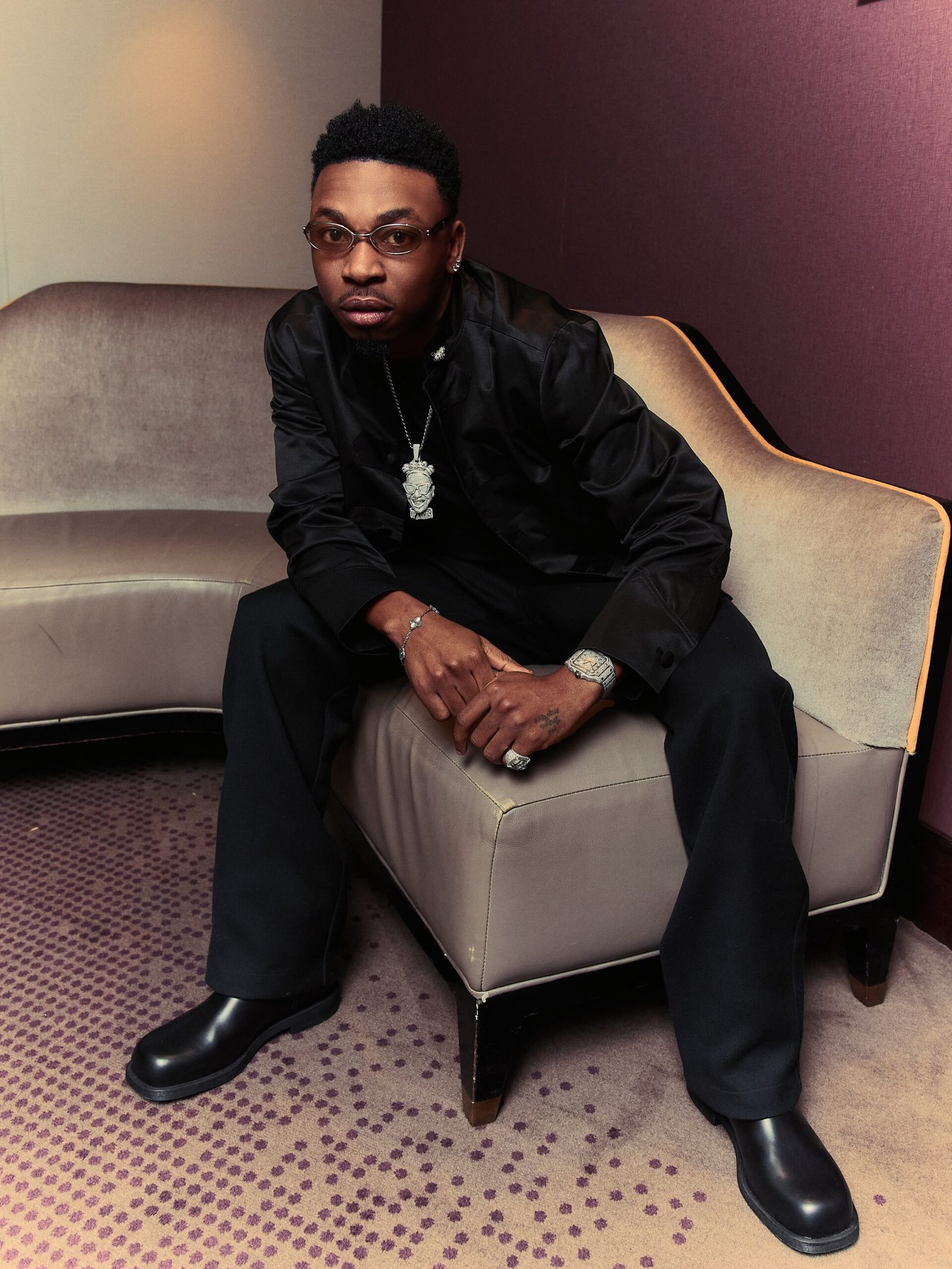
RSA: You’re marking 10 years since “Eleko” introduced you to the Nigerian music scene. When you look back at the person who released that song in 2016, what do you think he understood about becoming an artist, and what did he have to learn the hard way?
Mayorkun: I had to learn that not every release is the same. The pattern for release, marketing, and promotion is not the same. I had to learn that on the job. I’m the kind of artist that learns every piece of stuff on the job.
RSA: You came into the industry through Davido and DMW. What did being around Davido teach you about making records, navigating fame, and thinking beyond Nigeria?
Mayorkun: Being around Davido made me understand what being famous was like, because he’s been famous for like half a decade before I actually met him, so he helped me in navigating fame easier. If I had come into the game without someone like him to show me around, I would probably have had it like 10 times harder. He actually helped in media rounds and made stuff easier based on him being in the industry for a bit before we met.
RSA: So what were you determined to do differently as you built your own identity?
Mayorkun: I tried to create a name for myself. I tried to make music that appeals to me personally. I didn’t really want to go with what was trending and what was not. I just made what I liked at the time, and I’ve been very lucky that it worked out for me nicely.
RSA: Your career has unfolded alongside one of the biggest transformations in Nigerian music: from Afrobeats being primarily an African success story to becoming a global industry. Having lived through that change from the inside, what do you think the world still misunderstands about Nigerian music and the people making it?
Mayorkun: A huge one that I would like to speak about is the assumption that Nigerians can’t make any other sound apart from Afrobeats. Personally, earlier on in my career, when I did interviews and they asked me what type of music I make, I usually said Afrofusion. The reason why I used to say that was because I feel like we have rap artists, we probably have jazz artists in Nigeria, and people just box everybody into Afrobeats. So I feel like the world still doesn’t know that we can do different genres of music.
RSA: “The Mayor of Lagos” became more than the title of your debut album. It became part of your identity. What was it about Lagos at that particular moment in your life that shaped the sound, confidence, and personality of Mayorkun, and does the city still influence the artist you are today?
Mayorkun: Of course. I was born and bred in Lagos. I think I was given birth to in one hospital in Mushin, so I spent my whole life in Lagos. Lagos influenced and still influences my music career. It influences my lifestyle in general, so there’s nowhere I will go to that you won’t see a Lagosian in me.
RSA: You found major success very early, from “Eleko” and “Mama” to your debut album “The Mayor of Lagos”. How did you learn to deal with the pressure of being celebrated so young?
Mayorkun: For me, the best way to deal with pressure is to just ignore the fact that it actually exists in the first place. You highlighted the fact that I had Davido when I was coming up very early, so he was one of the major figures that helped me deal with pressure.
But the older I grew and the more I assessed the industry, I figured that the best way to actually treat pressure is to treat it as non-existent, because if I make every decision based on the fact that there’s something I need to do to please a certain crowd, I’ll probably make the wrong decision. So I treated pressure as non-existent, and it worked out for me because I just did what I wanted to do at the time I wanted to do it, regardless of the previous success of the previous project or single.
RSA: There’s something interesting about the full-circle moment you’re in now: you reunited with Davido on “B4 B4,” which debuted at No. 1 in Nigeria, while “Kaluba” marks the beginning of your next chapter. What does returning to that relationship and that musical connection mean to you?
Mayorkun: There’s always been this misconception ever since my contract expired from DMW that there’s a disconnect between myself and Davido, but there was never a time like that, and I wouldn’t say “B4 B4” is like a reuniting moment. There’s no reuniting because our relationship never cracked. We just got to drop this record when it was right, because we’ve been working ever since, though it’s just that we didn’t get to drop. He was on my last project.
So yeah. Everything has been going nicely and is still going nicely. We will probably join projects sometime next year.
RSA: As you look toward the next decade, what does longevity mean to you?
Mayorkun: Longevity means impact to me. I would like to impact more artists, the new and future generation. I’d like to do more with my music internationally and in the African market. That’s what my plans are for at least the next 10 years.