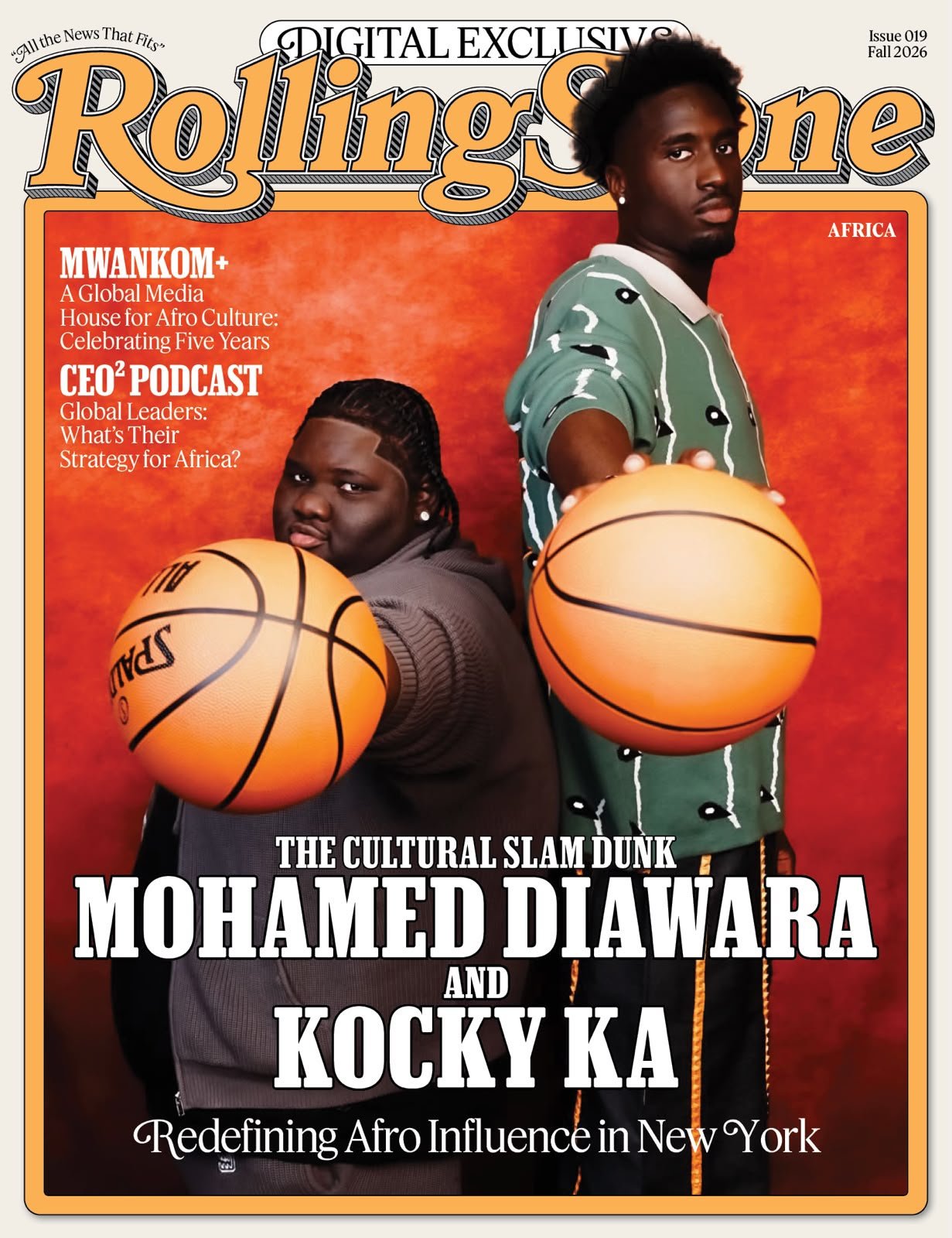
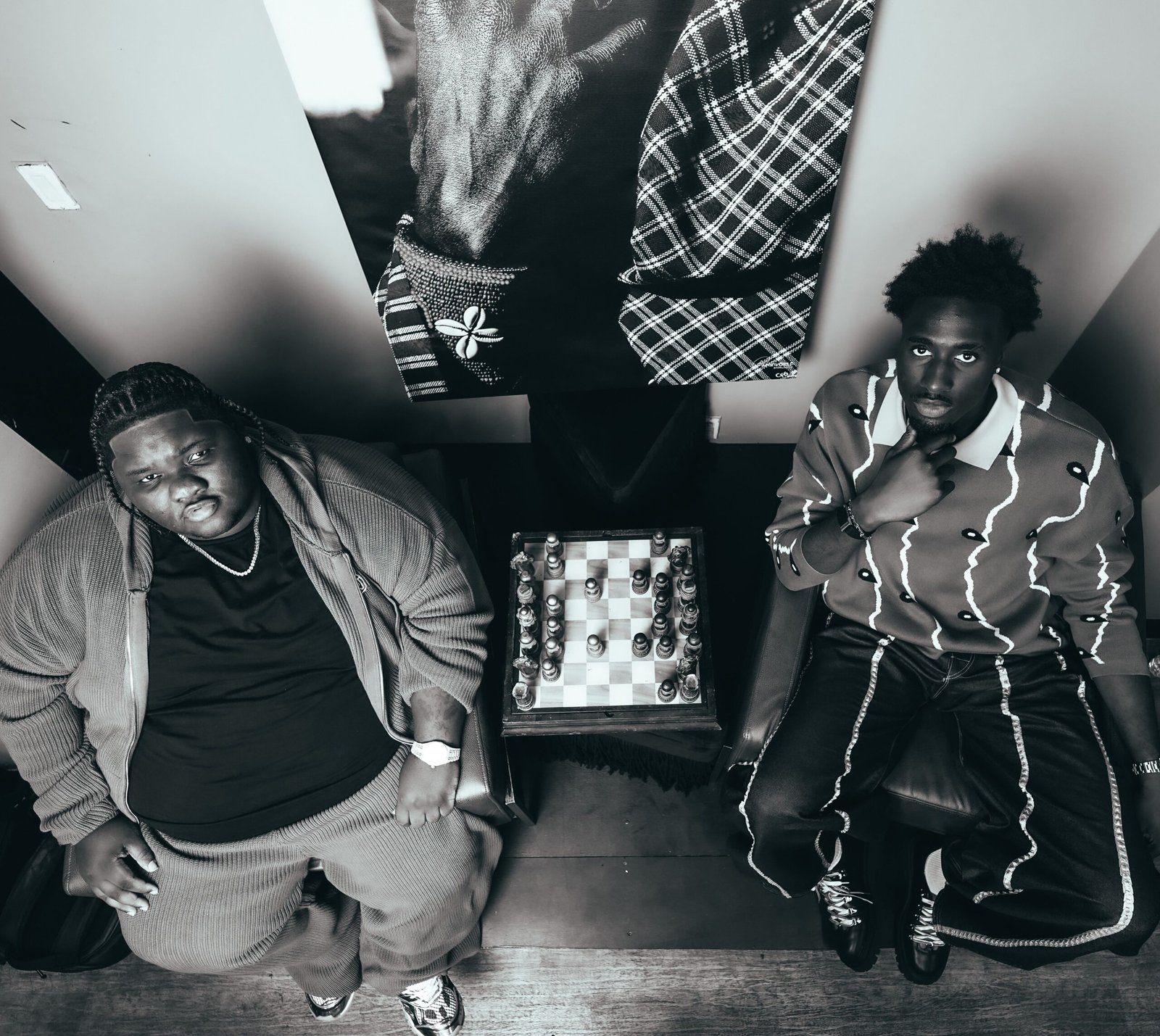
Brooklyn is a fitting setting for a meeting between Mohamed Diawara and Kocky Ka.
Its streets have long been shaped by migration, music, sport, fashion and the exchange of ideas between communities. African, Caribbean, African-American and European influences coexist here, creating a cultural landscape that is constantly evolving.
On September 22, that environment provided the backdrop for a meeting between two young talents whose careers are developing along very different paths.
Diawara is building his career in the NBA with the New York Knicks. Kocky Ka is developing his voice as a rapper, drawing on personal experience and adversity. One communicates through basketball; the other through music. Both are navigating highly visible industries while defining how they want to be seen.
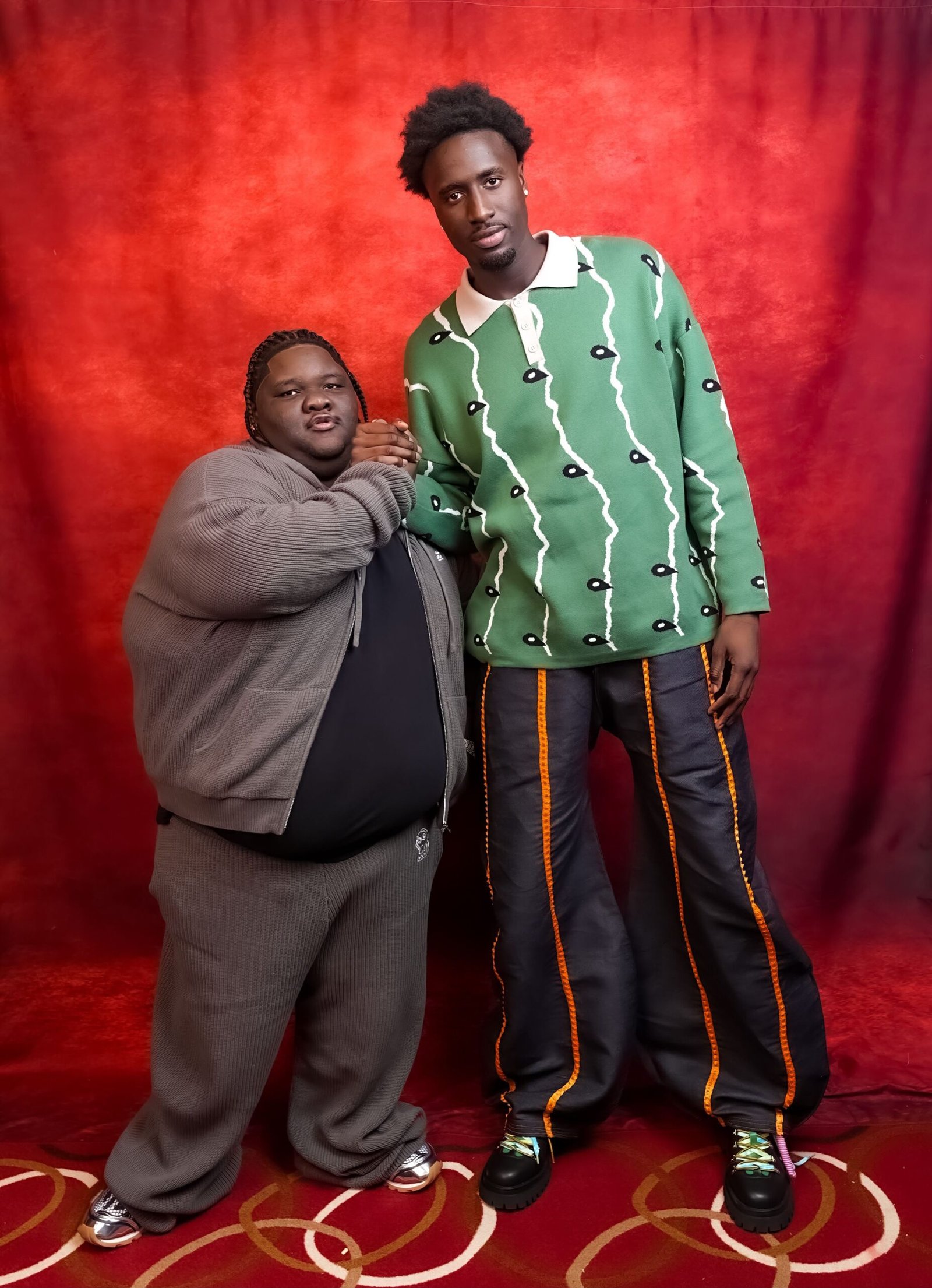
The encounter was part of a visual exploration of contemporary Black identity and culture, bringing together African, Afro-European and Afro-American perspectives through sport, music, fashion and street culture.
Diawara’s journey has taken him from France to the NBA. Selected 51st overall in the 2025 NBA Draft, the French forward joined the Knicks after developing in the French basketball system, including with Paris Basketball and won the Nba title in June.
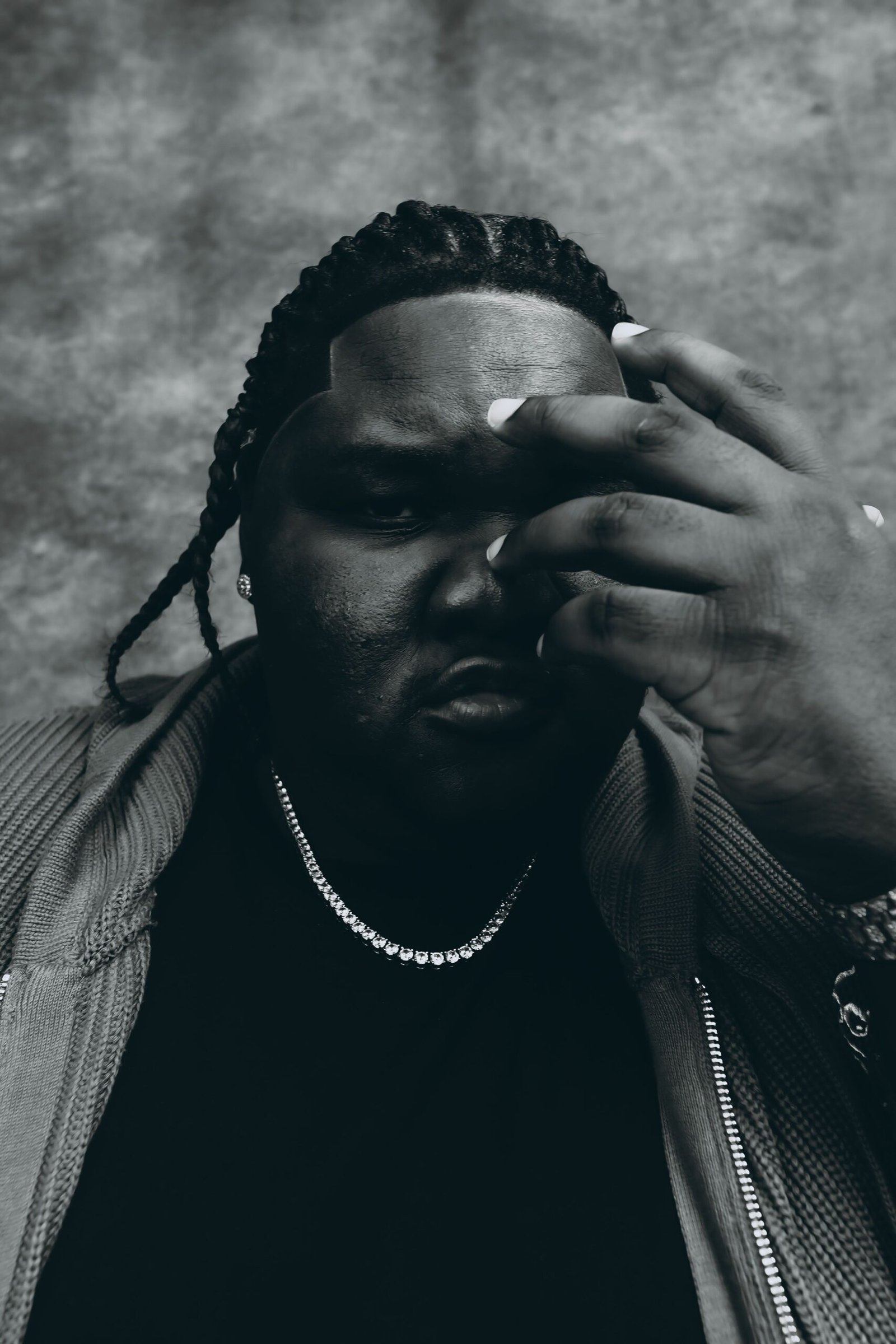
Kocky Ka approaches his own trajectory through music. His starting point is personal: trauma, obstacles and the process of moving beyond them.
Their conversation in Brooklyn became a meeting point between two different forms of expression and two ways of turning personal experience into something larger.
Carrying different experiences into the NBA
For Mohamed Diawara, his background is an integral part of the person he has become.
“It’s very important to me,” he says when asked about carrying his African identity into his NBA career. “I’m proud of where I come from and of my African roots.”
Growing up in France, he says, gave him a combination of cultures and experiences that continues to influence him.
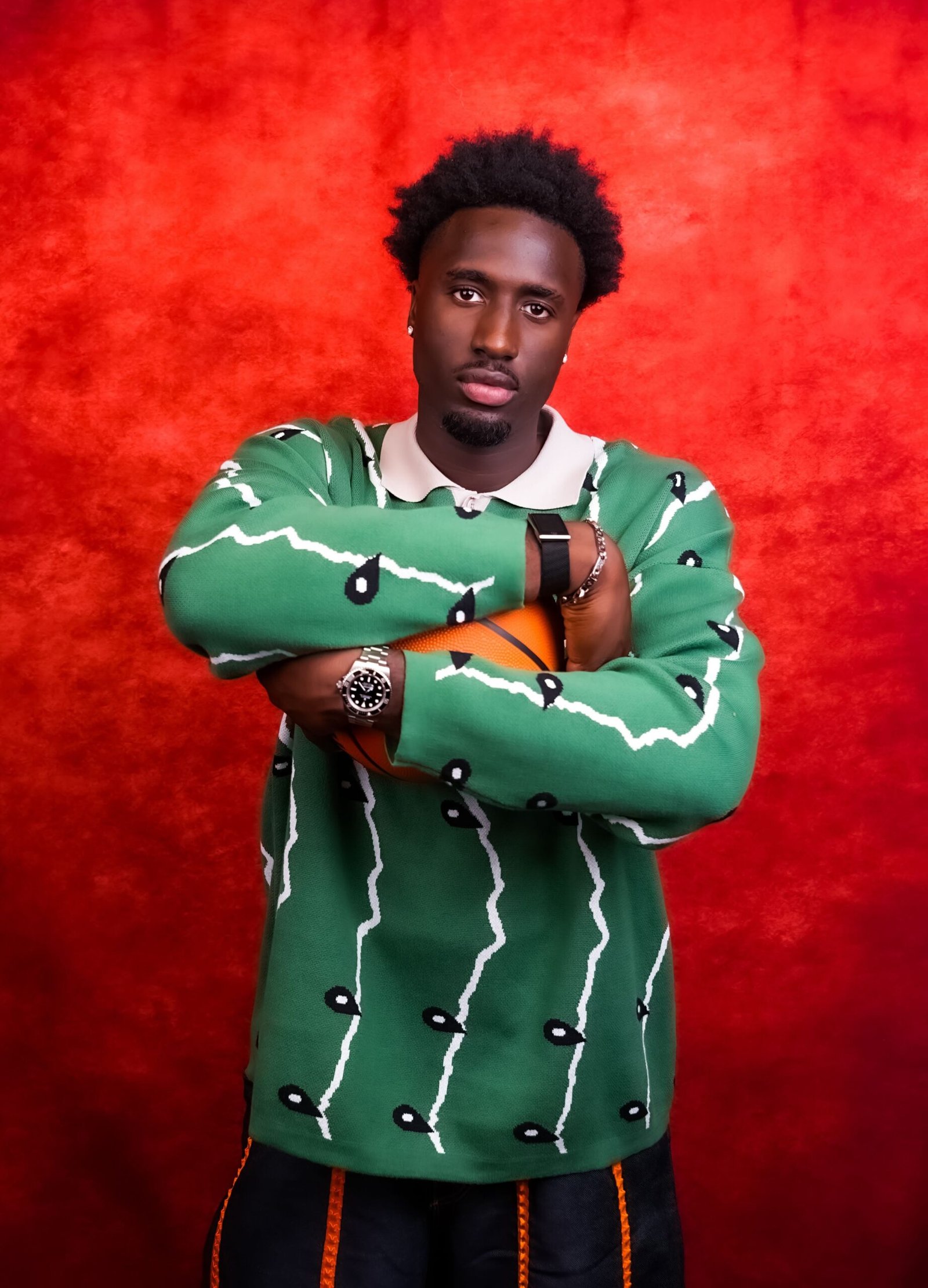
“I have this mix of cultures and experiences that shaped who I am today.”
That perspective now accompanies him into the NBA.
Diawara recognizes the visibility that comes with playing at the highest level of basketball, but he does not describe his career as a mission to prove something.
“Being in the NBA gives me a bigger platform, and I want to represent that identity in a positive way,” he says. “But for me, it’s not about feeling like I have to prove something.”
His priority is authenticity. “It’s about staying true to myself, staying connected to my roots, and showing younger people that they can dream big too.”
That desire to inspire younger people is closely linked to his own experience of watching athletes while growing up. But before becoming a role model, Diawara had to adapt to a new environment himself. Basketball became the vehicle. “For me, basketball represents opportunity and connection,” he says.
The sport took him from France to the United States and introduced him to people from very different backgrounds. “It has allowed me to meet people from so many different backgrounds and cultures.” The lessons he learned extend well beyond the game.
“Beyond the court, it has taught me discipline, sacrifice, and how to work with people who may be very different from me.”
For Diawara, basketball also functions as a universal form of communication.
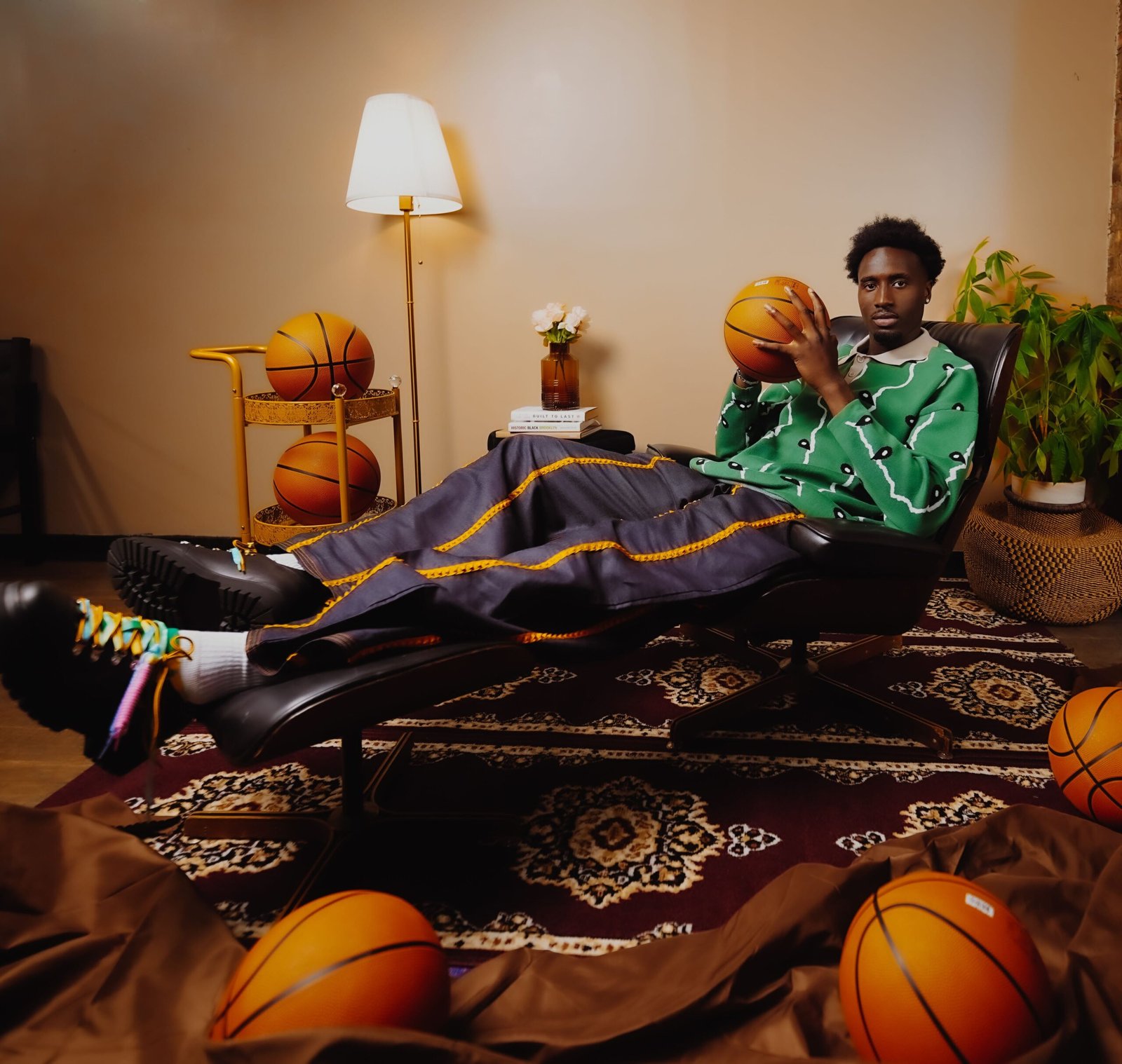
“I also think basketball can connect people without needing to speak the same language. At the end of the day, we all understand the game.” The court creates an immediate point of connection, even when everything outside it language, geography, customs or personal history may be different.
And nowhere has that cultural diversity been more visible to him than New York.
New York and the expansion of ambition
Living in New York has changed the way Diawara sees the world.
“Living in New York has opened my eyes to how many different cultures, backgrounds and stories can exist in one place,” he says.
The experience has made him more curious about the people around him and about the wider world.
“It’s made me even more curious about people and about the world.”
At the same time, being far from France has given him a different perspective on his upbringing.
“I realize how much my upbringing in France and my African heritage are part of who I am.”
New York has also affected his ambitions. “Being in New York and playing in the NBA has made me think even bigger.”
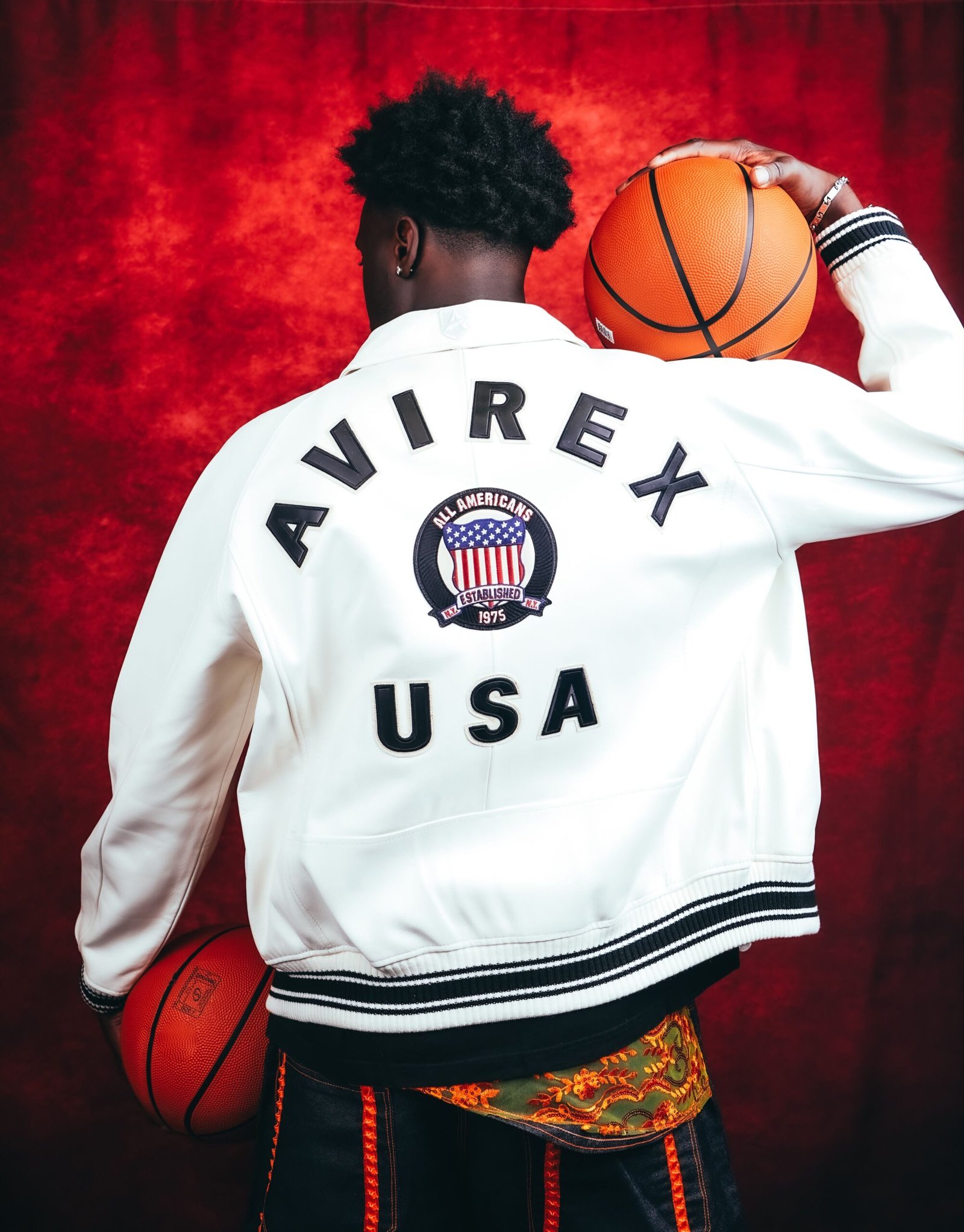
The city represents opportunity, but Diawara is aware that opportunity alone is not enough.
“There are so many opportunities here, but it also reminds me that I have to keep working and stay grounded.” That balance between ambition and discipline has become increasingly important as his visibility grows.
African athletes now operate on global platforms, reaching audiences far beyond sport. For Diawara, that visibility means showing younger people what may be possible without presenting himself as a perfect role model.
He remembers watching athletes himself. “I remember being young and looking up to athletes and thinking, ‘Maybe I can do this one day.’”
Now he hopes someone else might experience the same feeling while watching his journey.
“If my journey can give another kid that same feeling and make them believe that it’s possible, that means a lot to me.” He is careful not to frame that role around perfection. “I don’t think I have to be perfect or have all the answers.”
Instead, he wants his example to come through his work ethic and the way he approaches his career. “With the right mindset and dedication, you can achieve things that might seem impossible at first.” Asked what he never wants to lose, he points to family, culture and the principles that shaped him.
“I think the biggest thing I never want to lose is the connection to my family, my culture and the values I was raised with.”
He describes those values simply: humility, respect and hard work. The statement reveals how he wants to approach success: progress without losing the standards that have guided him.
Kocky Ka approaches that question of authenticity from a very different angle.
Turning adversity into expression
For Kocky Ka, music begins with experience. Asked how his background influences the way he creates, he does not offer a definition of identity. Instead, he talks about emotion.
“Basically it’s showing the emotion of my past trauma or obstacles faced and how I’m making a way through it.” His music becomes a way to process what he has experienced and transform it into something communicable.
That approach also informs his view of his generation. His assessment is blunt.
“Today I feel like my generation is not all the way true to themselves,” he says. “It’s just a lot of made up characters putting on a facade.” In an era dominated by social media, personal branding and carefully constructed public images, Kocky Ka sees authenticity as one of the major challenges facing young artists.
For him, music offers a way to start from lived experience rather than an image. That perspective places his work within a longer tradition of music as a vehicle for expression across the African diaspora. Artists have used music to document their lives, describe social realities and communicate experiences to audiences beyond their immediate communities.
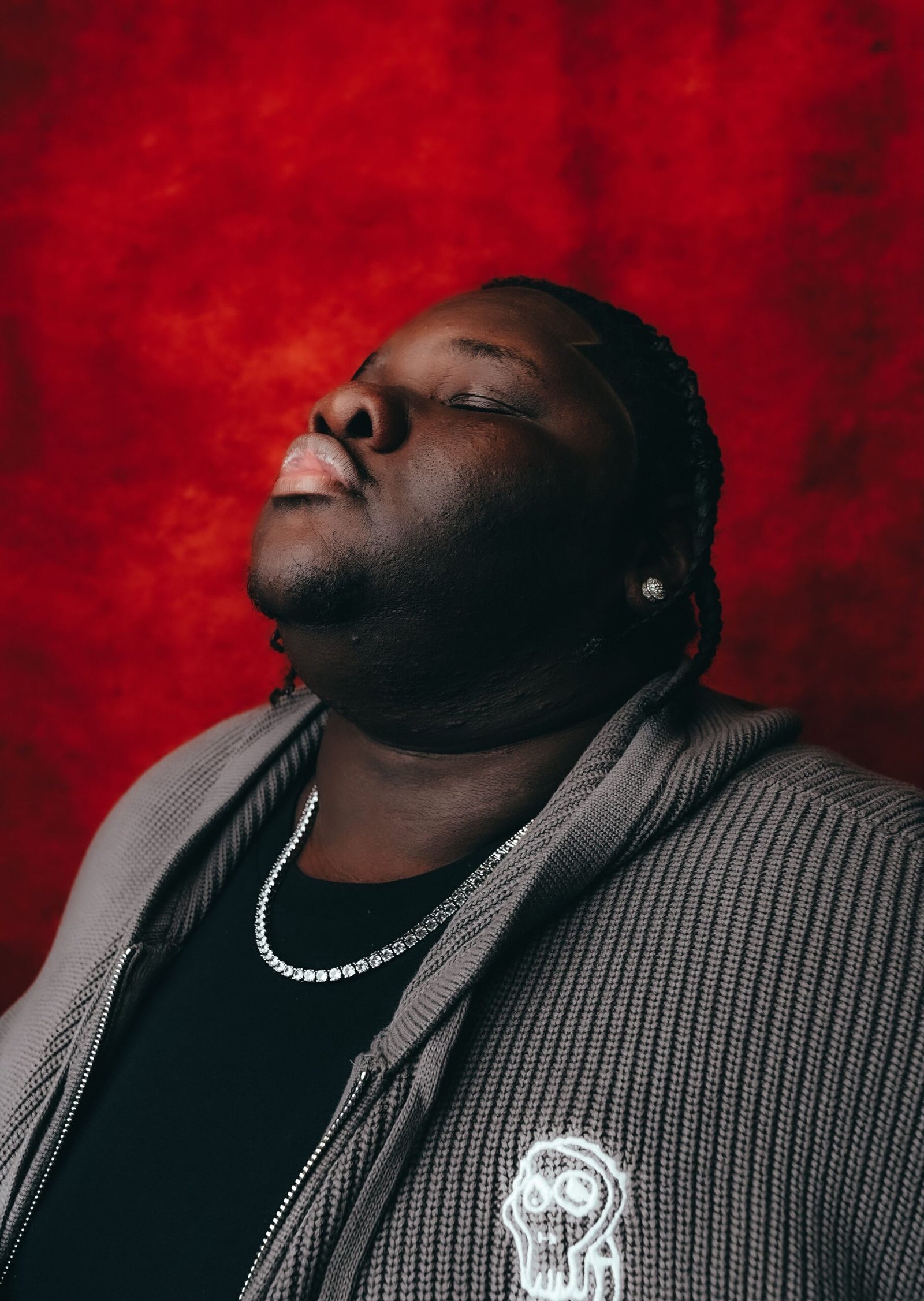
Kocky Ka’s approach is personal, but the principle is familiar: a specific experience can resonate with someone who has lived something completely different. New York adds another layer.
The city brings together African, Afro-European and Afro-American influences across music, fashion and street culture. For Kocky Ka, that diversity is creatively valuable.
“I think it’s great for the culture,” he says. “Everyone bringing their different points of views and style and putting it in their music.” The result is not necessarily a single cultural identity. It is an exchange. Different sounds, references and experiences can coexist and influence what comes next.
That environment also reflects the increasingly international nature of contemporary music. An artist can build from a highly personal experience and still reach listeners thousands of miles away. Asked whether he sees himself as part of the movement of artists embracing African identity while addressing a global audience, Kocky Ka answers with some hesitation. “Yeah kind of.” His explanation is straightforward. “I feel like we all got a story to tell and we just telling it in a way that the audience can relate to.” The emphasis is on connection.
The listener does not need to share the same background to understand an emotion. A song can travel because the feeling behind it travels.
That is where Kocky Ka sees the power of music: taking something personal and giving it a form that other people can recognize.
From individual stories to a shared language
The strongest connection between Diawara and Kocky Ka is not that they have identical experiences.
They do not, their careers, disciplines and audiences are different. What brings them together is the way both understand their respective platforms.
Diawara sees basketball as a space for opportunity, discipline and connection.
Kocky Ka sees music as a space for expression and transformation.
Both are also conscious of the people watching and listening.
For Diawara, that means young athletes who may see his NBA career and imagine a similar possibility.
For Kocky Ka, it means listeners who may recognize themselves in his experiences.
Sport and music provide different routes to that connection. A basketball game, a song, a photograph or a performance can all become a point of identification.
For Diawara, that narrative is shaped by the move from France to the United States, the demands of professional sport and the visibility that comes with playing for the Knicks.
For Kocky Ka, it is shaped by the tension between authenticity and performance, and by his effort to turn difficult experiences into music.
Their perspectives meet most clearly when the conversation turns toward overcoming.
Kocky Ka’s message is direct: “We been through a lot…” But he immediately moves beyond that statement. “And we just want to tell how we over came it and how we’re still over coming it…”
Then comes his conclusion: “Kind of motivation.”
The idea of continuing forward also appears in Diawara’s description of his own career. His emphasis is on discipline, dedication and the willingness to keep working after reaching a major goal.
The two men are not telling the same story. They are showing how different disciplines can carry similar questions: how to grow, how to remain genuine and how to turn individual experience into something that reaches beyond oneself.
Brooklyn makes those connections particularly visible.
The city has long functioned as a crossroads of Black cultures, where music, basketball, fashion and street culture interact rather than exist in separate categories.
For Diawara, New York has expanded his ambitions and exposed him to an extraordinary range of perspectives.
For Kocky Ka, that diversity represents a creative opportunity.
Their responses reveal two ways of navigating the same environment. One through competition, the other through expression.
One through the discipline of the basketball court, the other through music.
Their careers may take them into increasingly international spaces, but neither sees that visibility as a reason to abandon the experiences that shaped them.
For Diawara, success means continuing to work while remaining grounded in the values he learned growing up.
For Kocky Ka, it means resisting the temptation to hide behind a persona and turning difficult experiences into something that can speak to others.
Those are different answers to a similar challenge.
How do you grow in public without losing the person behind the image?
In Brooklyn, the question brought a Knicks player and a rapper into the same conversation.
Their paths remain separate: one is being written on the basketball court, the other through music.
But for a moment, they shared the same space, the same city and the same conversation about what it means to build a future on your own terms.
CREDITS
Writers: Gilles Galleron, Gwen Madiba
Photographer: Emmanuel Agbeble
Location: The Living Room Bed-Stuy