African hip hop has never spoken with one voice. Its strength comes from its many accents, languages, rhythms and regional movements, each shaped by a different city, history and musical tradition.
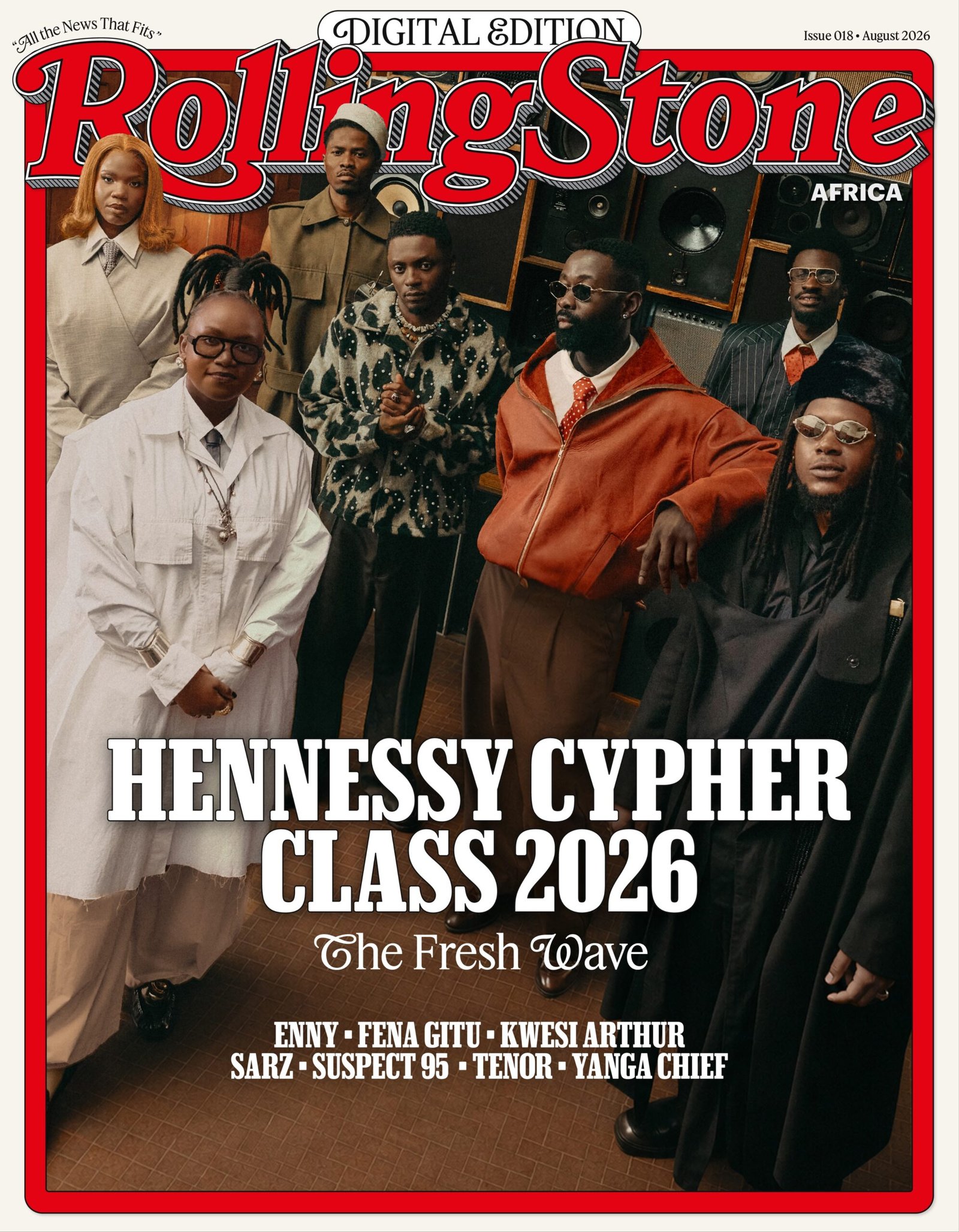
The Hennessy Cypher Class of 2026, brings that diversity into one frame, assembling six distinctive artists from across Africa and its diaspora, ENNY, Kwesi Arthur, Fena Gitu, Tenor, Suspect 95 and Yanga Chief, with producer Sarz creating the musical foundation beneath their verses.
Representing Cameroon, Côte d’Ivoire, Ghana, Kenya, South Africa and the United Kingdom, the line-up offers more than just geographical diversity. It reflects a generation of artists who are expanding what African rap can sound like, moving naturally between local languages, global references and the cultures that shaped them.
At the heart of the cypher is hip hop in its purest form, an instrumental, a microphone and the challenge for every artist to make their presence felt through delivery, personality and lyrical skill. That challenge becomes even more exciting when the artists arrive with such different styles and perspectives.
Ghana’s Kwesi Arthur brings the emotional honesty and street-rooted storytelling that have made him one of the most recognisable voices of his generation. His presence connects the cypher to Ghana’s constantly evolving rap landscape, where hip-hop, hiplife, drill and melody continue to influence one another.
Representing Kenya, Fena Gitu enters the cypher with the confidence of an artist shaped by East Africa’s diverse music scene. As one of the women helping redefine visibility and creative independence in African music, she brings a perspective that pushes the cypher beyond traditional ideas of what an African rap line-up should look and sound like.
Cameroonian artist Tenor represents the energy of Central Africa’s growing urban music movement. His approach reflects a scene where rap meets dance, humour, popular culture and distinctly Cameroonian forms of expression.
From Côte d’Ivoire, Suspect 95 brings the sharp writing and strong personality that have made him a major figure in Francophone rap. Known for turning everyday experiences and social observations into memorable lyrics, he represents the wit and verbal creativity that have helped Ivorian hip hop develop an identity of its own.
South Africa’s Yanga Chief carries the experience of one of the continent’s most established hip-hop scenes. His music has consistently shown that cultural identity can strengthen an artist’s reach, using language, heritage and personal history as creative tools rather than limitations.
Completing the six-artist line-up is British Nigerian rapper ENNY, whose introspective writing and calm, controlled delivery have made her an important voice within the African diaspora. Her participation takes the conversation beyond the continent, recognising the role diaspora communities continue to play in the global movement of African music and culture.
Together, these artists create a cypher that does not try to erase their differences. Instead, the platform gives each of them the space to express where they come from and what hip hop means to them.
The production is just as important as the verses. As the producer behind the project, Sarz creates the common ground where these different voices can meet. In a cypher of this scale, the beat needs to do more than provide rhythm. It must give six individual artists enough room to express themselves while keeping the project connected as one complete piece. That balance reflects the wider importance of the cypher.
For years, African hip hop was often discussed through separate territories. South African rap, Ghanaian hip hop, Kenyan hip hop and Francophone rap were treated as individual industries, each operating within its own cultural and media space.
Digital platforms have gradually changed that. Audiences now discover artists from different regions more easily, and collaborations are beginning to reflect a more connected African music landscape.
The Hennessy Cypher Class of 2026 arrives at a moment when those borders are becoming less important. It presents African hip hop not as one sound, but as a collection of scenes, identities and creative traditions that can meet on equal ground.
Hennessy has built a longstanding relationship with hip hop culture, but the strength of a platform like this ultimately depends on the artists placed at its centre. By bringing together established names from different parts of the African world, this edition puts lyricism, individuality and cultural exchange at the forefront. There is also something powerful about seeing these artists share one cover and one platform.
The image presents a vision of African rap where Anglophone and Francophone markets, the continent and its diaspora, and male and female voices are not separate stories.
They are all part of the same growing movement. A cypher is ultimately judged when the beat starts, who commands attention, who takes risks and which verse listeners return to after the first listen. Before those conversations begin, however, the
Hennessy Cypher Class of 2026 has already delivered its central message, African hip hop is not waiting to become connected. Its artists are already speaking across borders, and the world is listening.