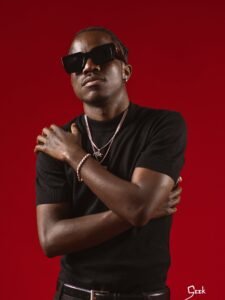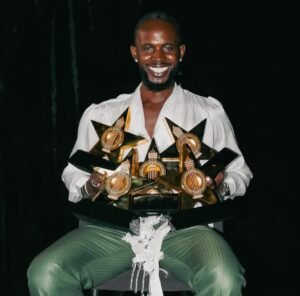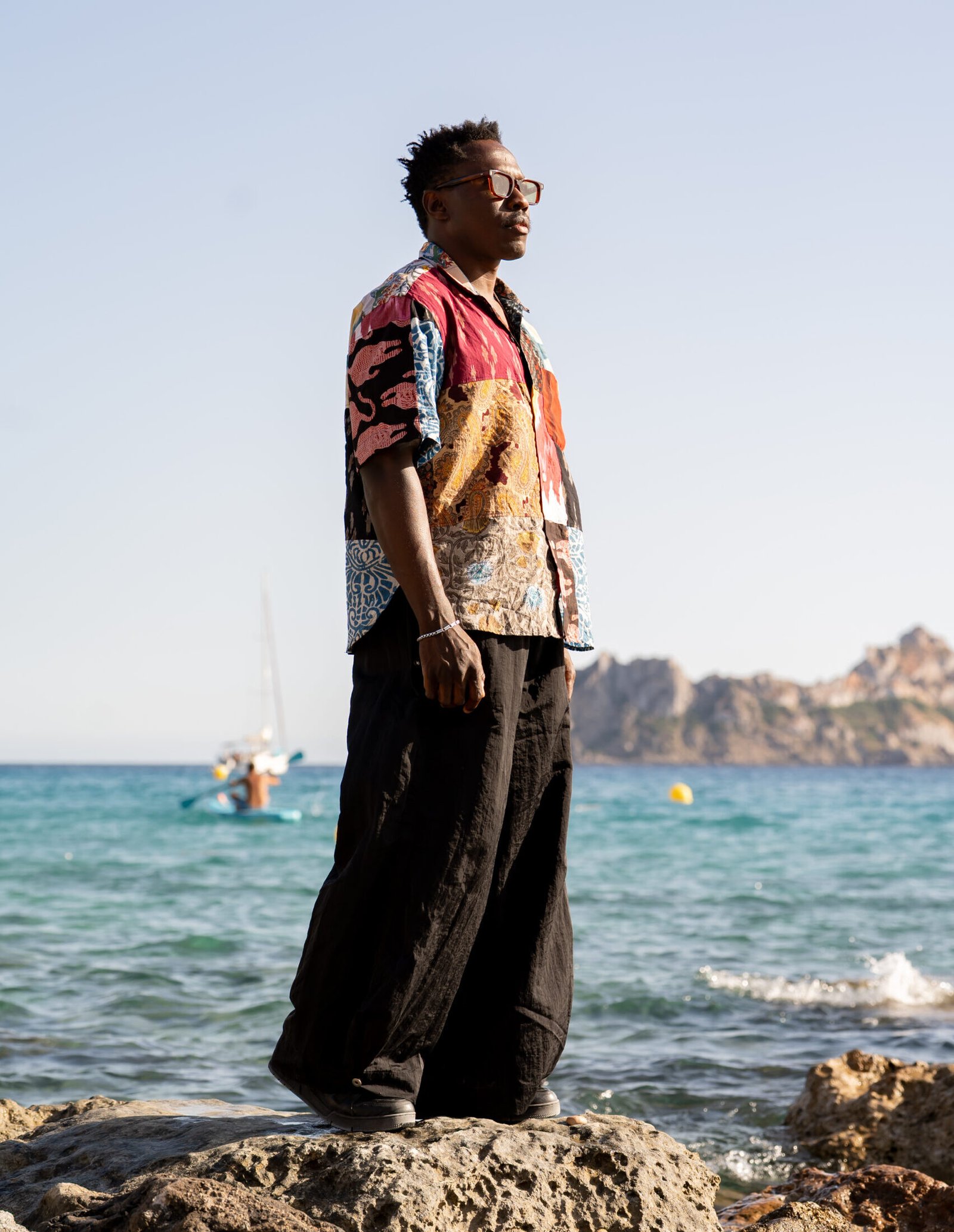
There is a particular kind of confidence that comes from knowing just how much you have already survived. For Johannesburg-born DJ and producer Vanco, the road to becoming one of South Africa’s most exciting electronic music exports has been anything but conventional.
Before international dancefloors, Ibiza residencies and records supported by some of the biggest names in electronic music, there was a successful career in quantity surveying, long days in a corporate office and a life that, from the outside, appeared to offer plenty of security. Music was the passion that existed alongside it until, eventually, it became impossible to ignore that it was also where Vanco wanted his future to be.
The decision to leave a stable professional career behind would have been a significant risk under any circumstances. For Vanco, it came after experiences that had fundamentally altered his understanding of time, purpose and what it means to make the most of life. Having survived sarcoma cancer and multiple surgeries, including a major procedure after the COVID-19 pandemic, he emerged with an even stronger sense that postponing the things that matter can carry its own risk.
Vanco has developed a sound that moves fluidly between Afro house, Afro tech, melodic house, deep house and progressive electronic music, while retaining the rhythmic sensibility and emotional warmth of his South African roots. He resists being defined by a single genre, describing himself first and foremost as an electronic music producer. Yet across his productions, there is a recurring emphasis on feeling – music that can move both the body and the emotions.
His international breakthrough accelerated in 2024 with his edit of Tyla’s global hit “Water”, a record that was never initially intended to become a major release. Created during a difficult period of personal transition and finished shortly after a life-threatening medical emergency, the edit found its way into the sets of influential DJs and introduced a much wider audience to Vanco’s production style.
It also laid the groundwork for what followed. “Ma Tnsani (Yalla Habibi)”, his collaboration with Kuwaiti sisters AYA, became an international dancefloor phenomenon, surpassing 100 million streams and emerging as the most Shazamed record of the 2025 Ibiza season. Its success placed Vanco firmly within the global Afro House conversation. Now, Vanco is entering another significant chapter.
His latest single, “Yele”, arrives on August 7, bringing together two South African electronic music figures as Vanco joins forces with longtime collaborator and fellow DJ and producer Themba. It arrives at a moment when Vanco’s own journey mirrors the global trajectory of South African electronic music. From Johannesburg to Ibiza, the distance between home and the international dancefloor has become less significant. What matters is what an artist carries with them when they make that journey.
In this conversation with Rolling Stone Africa, Vanco reflects on the decision to walk away from quantity surveying, surviving cancer, his relationship with South African electronic music, collaborating with Themba on “Yele”, and what it means to carry Johannesburg with him onto dancefloors around the world.
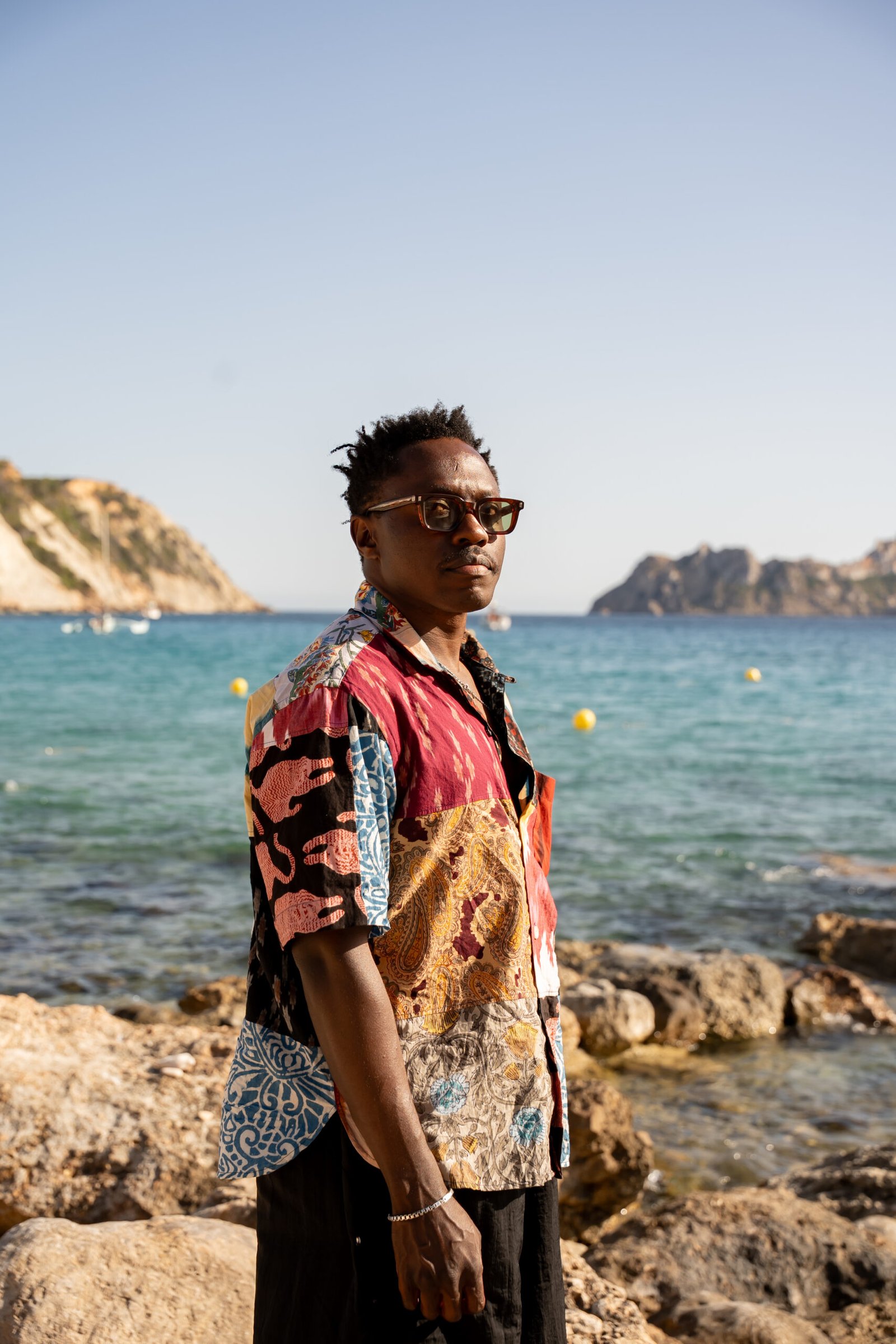
You’ve gone from working as a quantity surveyor to becoming one of South Africa’s most exciting electronic music exports. Looking back, what was the defining moment that convinced you to leave your career behind and pursue music full-time?
My love for music has been with me for as long as I can remember. I built a successful career in quantity surveying, eventually becoming a partner in a consultancy, and I’m grateful for everything that chapter gave me. But deep down I knew I wasn’t passionate about spending my life in real estate. I always saw property as something I’d invest in, not something I wanted to do forever.
Music never felt like work. After a ten-hour day in the office, I’d still have endless energy to produce, travel to shows and keep creating. That always felt like a sign.
Over the years, more people started connecting with my music. The bookings grew, I was able to make a living from it, DJs I admired began supporting my records, and my songs started charting on radio back home in Johannesburg. Looking back, those were the signs that gave me the confidence to take the leap.
Your story includes surviving illness, changing careers, and building an international audience. How have those experiences shaped the way you approach both life and music?
Life has taught me that gratitude changes everything.
Over the years I went through multiple surgeries after being diagnosed with sarcoma cancer. I kept most of it private because I never wanted it to define me. As long as I could keep creating music and spend time with the people I love, that was enough.
My family carried me through some of my toughest moments. Their love and support never wavered, and my faith in God became even stronger throughout that journey.
There were moments when I literally tore my stitches rushing through airports because I didn’t want to miss my shows. Looking back, it sounds crazy, but I simply didn’t want to feel sorry for myself. I wanted to celebrate life.
The biggest surgery came after COVID in 2021 and kept me away from touring for a few months. Every setback reminded me that life is precious and that we’re all living on borrowed time. That’s why I try to live with purpose and gratitude every day.
Changing careers was never an impulsive decision. I had prepared for it. I had a great corporate career, my family’s businesses gave me stability, and I was fortunate enough never to make decisions out of desperation. Eventually I chose to step away from that security because I wanted to truly understand what it meant to build a life through music.
The international side of my journey really began after visiting the Amsterdam Dance Event in 2018. Seeing the global electronic music community up close completely changed my perspective. It showed me what was possible.
Through every chapter, I’ve been surrounded by incredible family, close friends and an amazing team. They’ve helped shape both the artist and the person I am today.
Afro House has become a truly global movement in recent years. Where do you think your sound fits within that evolution?
I’m genuinely happy to see African electronic music growing across the world.
Sometimes I feel artists from South Africa are immediately placed into the afrohouse category simply because of where we come from. In reality, we’re creating across so many different electronic genres.
I see myself as an electronic music producer first. Some of my music is African electronic music. What connects it all is the African rhythm and emotion at the heart of it.
More than anything, I hope this generation inspires the next one to create fearlessly, collaborate openly and build sustainable careers. I’d love to see it become completely normal for African electronic artists to tour the world and have their music embraced everywhere.
Ultimately, I hope we continue carrying the spirit of Ubuntu with us. Music has an incredible way of bringing people together beyond borders.
Your productions blend Afro House, Afro Tech and melodic influences while remaining deeply rooted in African rhythms. How would you describe the DNA of a Vanco record?
The DNA of a Vanco record is bittersweet, uplifting and emotional.
I want people to feel something. Whether it’s joy, nostalgia, hope or connection, I always chase emotion first. If a record can move both your heart and your feet, then I’ve done my job.
“Ma Tnsani (Yalla Habibi)” became one of the defining dance records of the past year, surpassing 100 million streams. At what point did you realise the song had become something much bigger than expected?
At first, I honestly didn’t realise how big it had become.
My phone never stopped buzzing with TikTok, Instagram, WhatsApp, and messages from DJs and music lovers all over the world. Then I would play it at shows and watch the entire energy of a room change within seconds.
That was the moment it really hit me.
The most rewarding part isn’t the streams. It’s seeing people attach the song to beautiful moments in their own lives. That’s something money can never buy.
I always say I’m simply a vessel through which God communicates with people. If a song I’ve made becomes part of someone’s happiest memories, then I’ve fulfilled my purpose.
Your edit of Tyla’s “Water” introduced many listeners to your production style. How did that moment impact your career?
That record carries a lot of emotion for me. I made it during one of the most challenging periods of my life in early 2024. I was going through a personal transition where I could not think clearly. At one point, I almost stepped away from everything I cared about.
Then one morning I made a decision: I was going to change my life. I wasn’t unhappy with music itself; I was unhappy with where I was and knew I was capable of more. I wanted to chase a feeling that made me excited to wake up again, and that feeling led me back into the studio.
I started experimenting with new sounds and built an edit around Tyla’s Water. My manager had mentioned the idea of a possibility to work with Tyla because he was already speaking with Tyla’s team at that time, but this edit was never meant for release. It was simply something I wanted to play in my own sets. There was something bittersweet and emotional about it that connected with me.
Before I even finished it, I went to play basketball, which I’ve loved for years, and broke my finger. During surgery, what was meant to be a routine 30-minute procedure turned into a life-threatening situation. I developed pulmonary oedema, ended up in the ICU and had to be resuscitated. It completely changed my perspective on life.
The first day I was back in my hospital room, I opened my laptop, finished a few final touches on the record and sent it to a handful of DJs.
Recovery wasn’t easy. I had to go through physiotherapy just to breathe properly again and stayed away from social media while my family and close friends supported me through it.
Then my phone started exploding with messages. I remember Shimza telling me, “You’ve got something special, chief.” Voodoo sent a similar message. Soon after, DJs across the world, including Black Coffee, Louie Vega, Keinemusik and many others, started supporting it. Suddenly, something I’d created for my own DJ sets became one of the defining records of that year.
The world began seeing my music in a different light, elevating the number of opportunities. Looking back, it feels like one of those moments where life reminded me that even your darkest chapter can lead to your brightest one.
What’s even more incredible is that the creative direction I discovered while making that edit became the foundation for Ma Tnsani (Yalla Habibi). In many ways, Water gave birth to the next chapter of my sound.
Your latest single, “YELE”, arrives after a remarkable run of releases. What inspired the record, and what did collaborating with Themba bring to it?
Themba and I have known each other for many years, and our link has always been built around a genuine love for music. He was actually one of the first DJs to give me a major platform back in South Africa by inviting me to do a guest mix early in my career. Since then, he’s consistently supported my music and encouraged me to keep growing.
About a year ago we were spending some relaxed time in his Johannesburg studio when I played him a few ideas. One of them eventually became YELE. He immediately connected with it and suggested adding his own flavour, which gave the record a completely new dimension.
We’ve kept the track close for a while, testing it in our DJ sets before releasing it. Seeing people react so positively every time we play it has been incredibly rewarding.
The vocal comes from the legendary Ahmed Sosso. I’d originally sampled parts of a recording while making another track called Keladi, and some of those unused pieces found a new home in YELE. Sometimes music has its own journey.
I’m excited for people to finally hear it. More than anything, it should bring people together, creating unforgettable moments on dance floors and simply making them feel good.
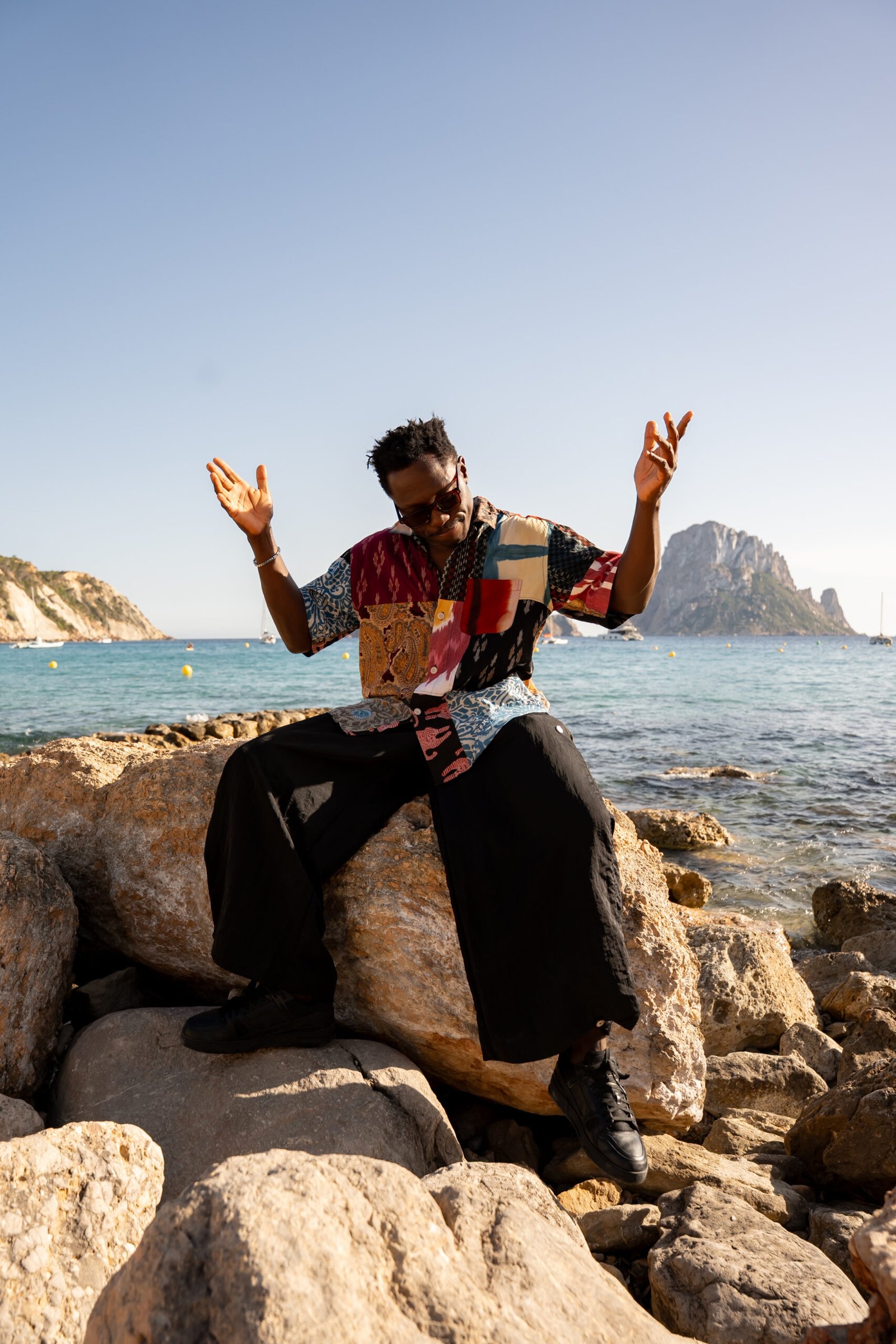
How does “YELE” represent where you are creatively today?
YELE represents everything I believe music should do, that is, connect people.
The spirit behind the record is joy, togetherness and Ubuntu: the idea that our humanity is connected. That’s exactly where I am creatively today. I’m more focused on creating music that connects people emotionally, wherever they come from.
You’ve collaborated with artists across different genres and cultures, including British-Nigerian rapper DEELA on “Repeat”. What drew you to working together, and what made that collaboration click?
Our management teams introduced us, but from the moment we met in the studio, everything felt natural. We had a great creative chemistry and shared the same excitement about trying something different.
Deela has an incredible energy and a unique flow that pushed me outside my comfort zone. I always enjoy collaborating with artists who inspire me to hear music differently, and she definitely did that.
You’ve also spent time in the studio with Skepta and Asake. How important are collaborations in helping you continue to evolve as a producer?
Collaborations are one of the best ways to grow as a producer. Working with artists like Skepta and Asake takes me outside my usual creative space and challenges me to think differently.
Every artist has their own perspective, and when those worlds come together, you learn something new. That’s what keeps music exciting for me.
Black Coffee has been instrumental in opening doors for African electronic music globally. What did it mean to share the decks with him at Hï Ibiza?
It’s always a premium experience sharing the stage with Black Coffee.
I grew up watching him as a music lover long before I ever imagined becoming a DJ myself. To now share the decks with someone who helped inspire that dream is a surreal feeling.
More than anything, moments like that remind me to stay present and appreciate how far the journey has come.
From Tomorrowland to Ibiza, you’re performing on some of the world’s biggest stages. How do international audiences respond differently to Afro House compared to audiences back home in South Africa?
I like to describe what I do simply as electronic music because my sets move across different styles: house, tech, melodic house, deep house, progressive, Afro-tech, Afro-house, and soulful sounds.
No matter where I play, I always carry the rhythm and groove of where we come from with me.
I’ve found that audiences everywhere respond to honesty. Whether it’s Johannesburg, Ibiza or Tomorrowland, people connect with music that makes them feel something. That’s what I try to create every time I step behind the decks.
Following the success of “Ma Tnsani (Yalla Habibi), you’ve become one of the defining Afro House names on Ibiza’s club circuit, with a packed summer schedule that includes Club Chinois alongside Major League DJz, Hï Ibiza, Cova Santa, and Blue Marlin. What does it mean to see your music become such a fixture on the island, and how has Ibiza influenced your journey as an artist?
This year marks my fifth season playing in Ibiza, and honestly, it still feels surreal.
My first show on the island was at Blue Marlin in 2022. I remember arriving with so much excitement. That same weekend I experienced Ushuaïa for the first time, watching Ilario Alicante perform. I felt like a kid experiencing something magical, and that feeling has stayed with me ever since.
Over the years I’ve had the privilege of playing venues like Club Chinois, Cova Santa, Playa Soleil, Akasha, Blue Marlin and now Hï Ibiza. I also spent countless nights simply watching and learning from artists like Black Coffee, Solomun, Jimi Jules, Rufus Du Sol, Dixon, Keinemusik, Adriatique, Louie Vega, Blond:ish, and Pete Tong, just to name a few.
Then, just three years later, Ma Tnsani (Yalla Habibi) became the most Shazamed song on the island across all genres during summer 2025. That’s something I’ll never take for granted.
What makes me happiest isn’t just the recognition; it’s seeing the journey grow naturally. I went from playing a handful of Ibiza shows each summer to becoming part of some of the island’s biggest residencies.
I’m incredibly grateful to everyone who’s invited me & supported my journey. Every season teaches me something new, and Ibiza continues to shape me both as a DJ and as a person.
Electronic music often doesn’t receive the same spotlight as Afrobeats when conversations about African music happen globally. Do you think that’s beginning to change?
Absolutely, and I think we’re only getting started.
The internet has made the world much smaller, making it easier for people to discover artists from every corner of the globe. African electronic music is evolving every year, and I believe we’re entering an incredibly exciting chapter.
There’s still so much more to come.
Streaming has made African music more accessible than ever. How has that changed opportunities for producers like yourself?
Streaming has completely changed accessibility.
Today someone can discover your music anywhere in the world with a single click. That’s incredibly powerful for independent artists.
There are millions of songs released every year, so whenever people choose to spend time listening to yours, it’s something to be grateful for.
Streaming has opened doors that simply didn’t exist before, and I think it’s one of the best things to happen to emerging artists.
South Africa continues to influence global dance music through Afro House, Afro Tech and Amapiano. What do you think the world still misunderstands about the country’s electronic music scene?
South Africa is one of the most culturally rich countries in the world. The history has shaped the country in many ways, but through it all we’ve always found joy in music, rhythm, dance and community.
Music is simply part of who we are.
Rather than focusing on what the world doesn’t understand, I think the world is only beginning to discover how deep and diverse our electronic music scene really is.
This is just the beginning. There are so many incredible artists still waiting to be discovered, and I genuinely believe the next chapter will be even bigger than the last.
Many emerging producers are chasing viral moments. You’ve built your career steadily over time. What advice would you give young African producers trying to break through?
Stay committed. Stay curious. Stay passionate.
Keep learning, keep creating and don’t be afraid to ask questions.
Nothing replaces consistency. The only way to grow is by doing
Beyond streaming numbers and sold-out shows, what does success look like for Vanco at this stage of your career?
Success is creating music that genuinely improves someone’s day.
When people celebrate their happiest moments with my music or find comfort in it during difficult times, that means more to me than any number.
I also hope to inspire the next generation by sharing my journey openly. If my experiences can help someone build an even better path than mine, that’s a legacy I’m proud of.
If you’re fortunate enough to reach the spotlight, leave it in a better place than you found it.
Looking ahead, what excites you most about the next chapter? Are there sounds, collaborations or creative risks you’re eager to explore?
I’m naturally curious. I still feel like a kid discovering music for the first time.
I’m always asking questions, exploring new sounds and looking for ways to grow creatively.
I honestly don’t know exactly where the next chapter will lead, but that’s what makes it exciting.
Finally, if someone is discovering Vanco for the very first time through this interview, what’s the one thing you hope they understand about you and your music?
That everything comes from a place of love.
I hope people hear passion, feel uplifted and leave with a little more joy and excitement than they had before they pressed play.
Listen to Vanco and Themba’s “YELE” HERE
Photo Credit: Geordan Stout