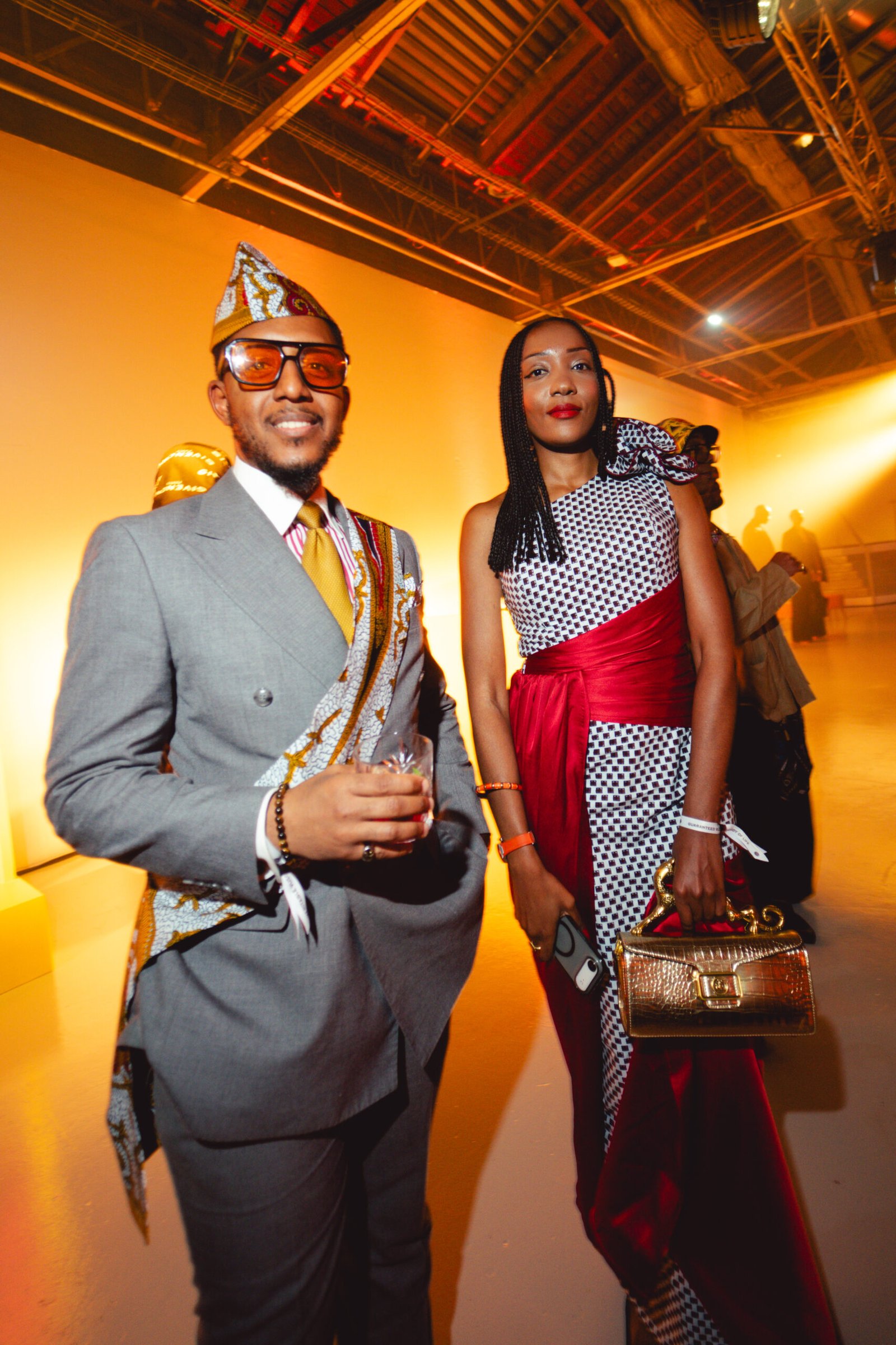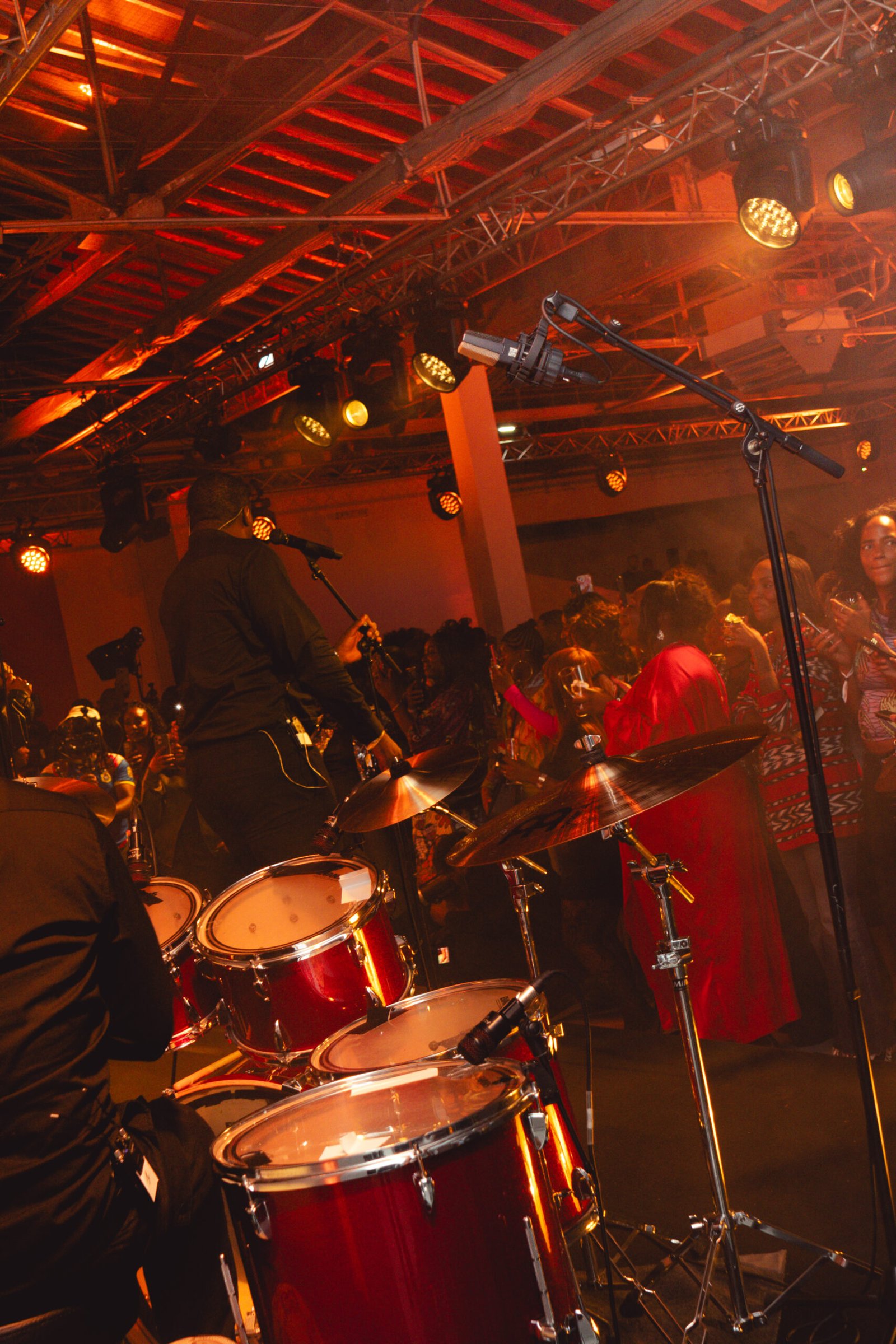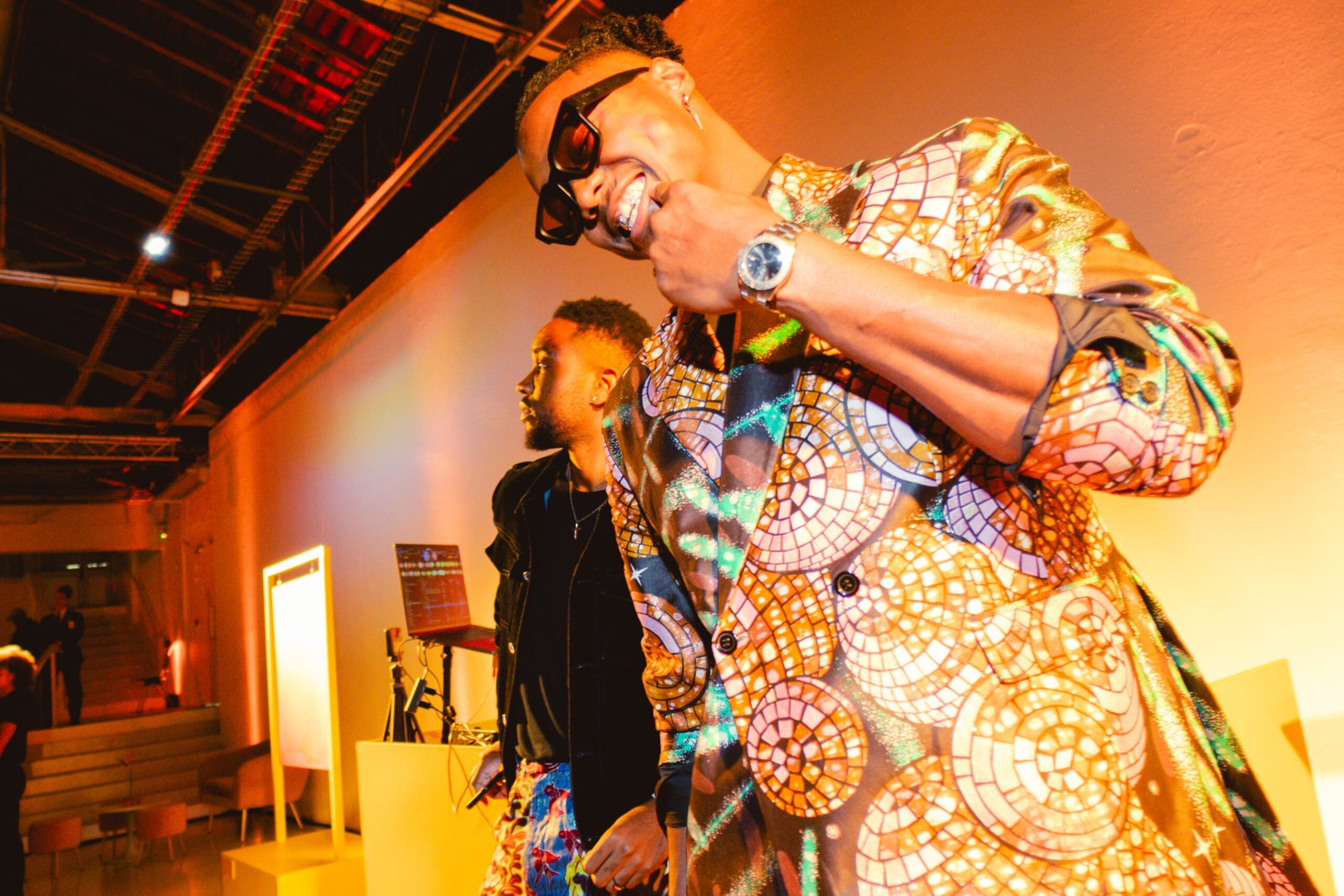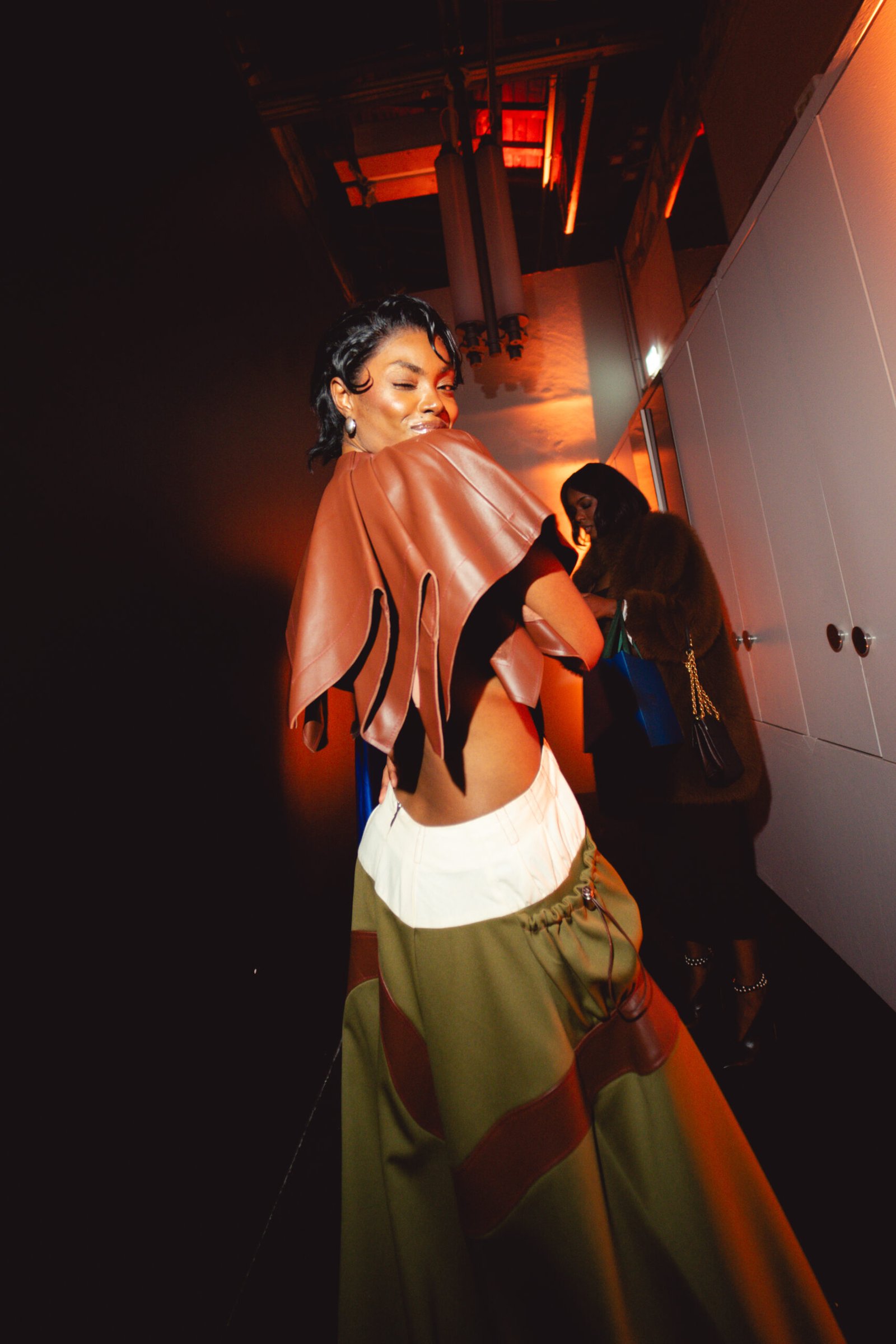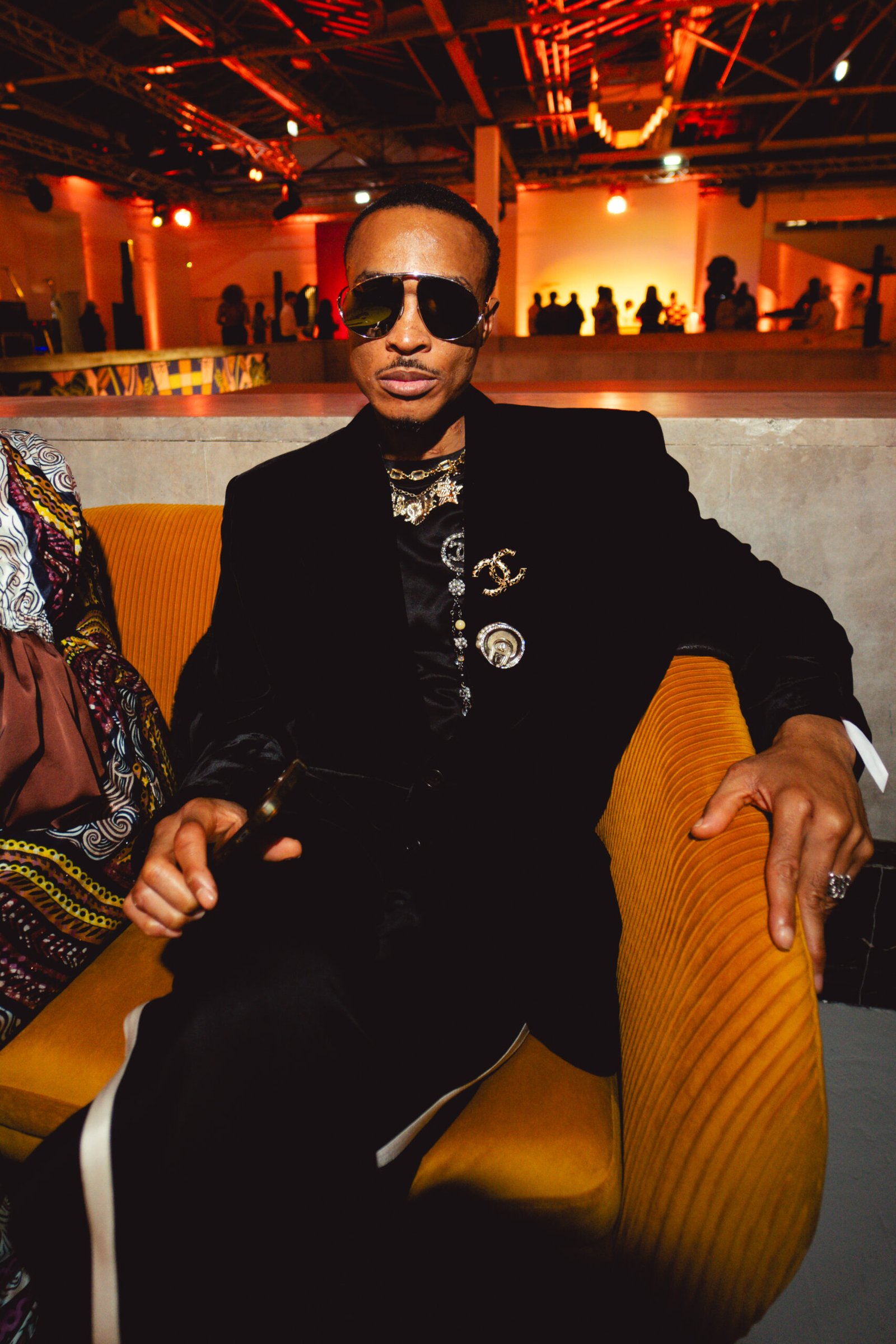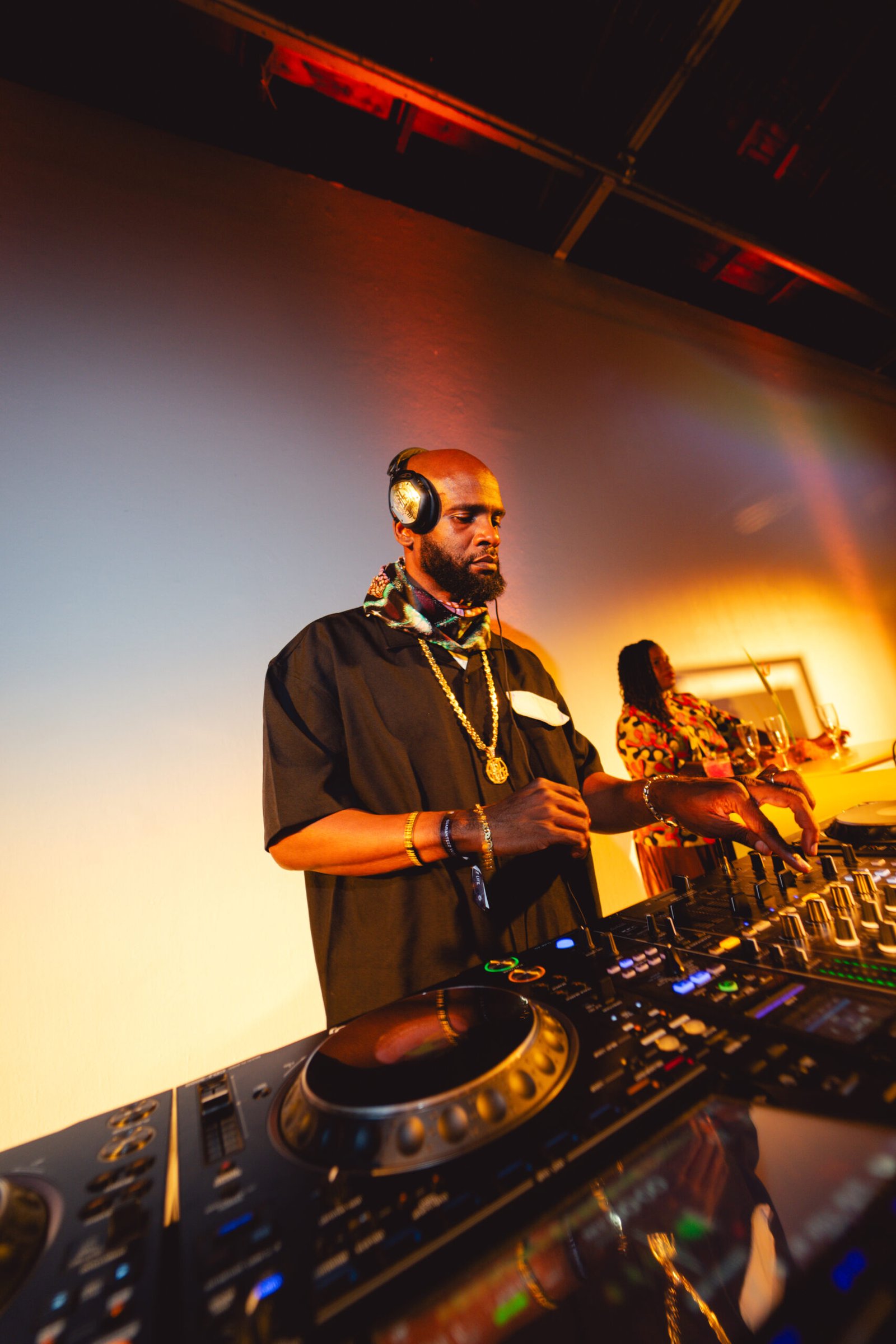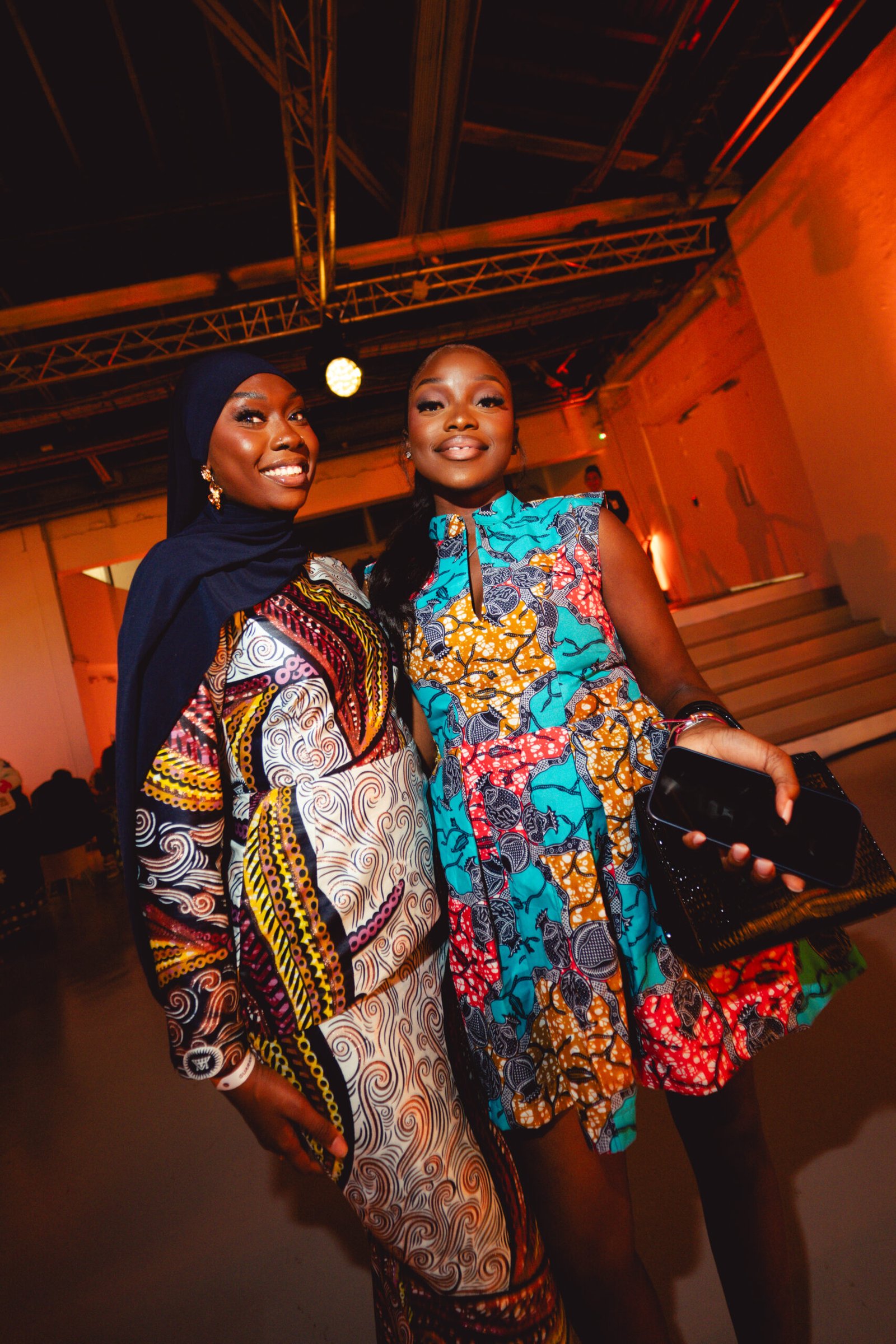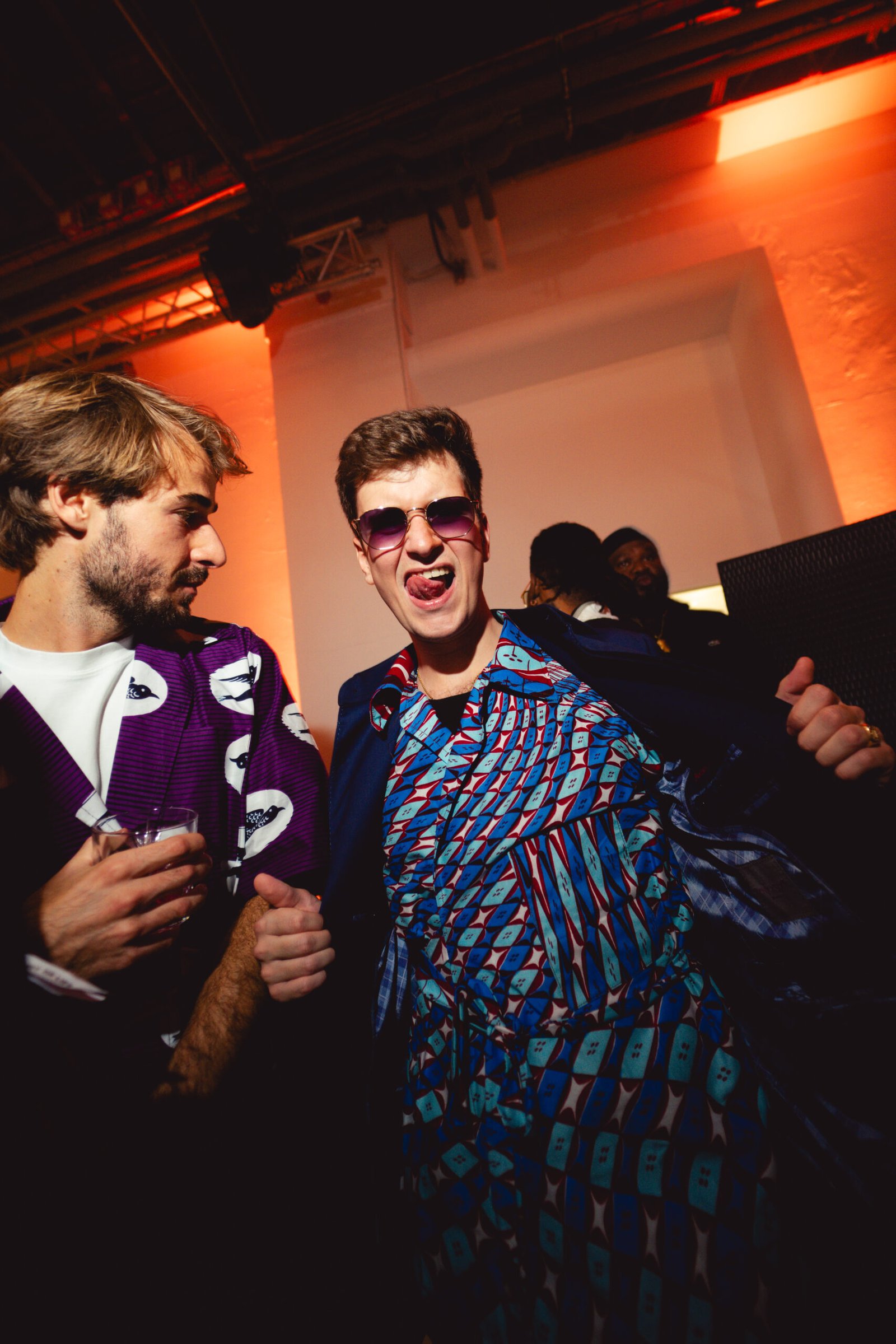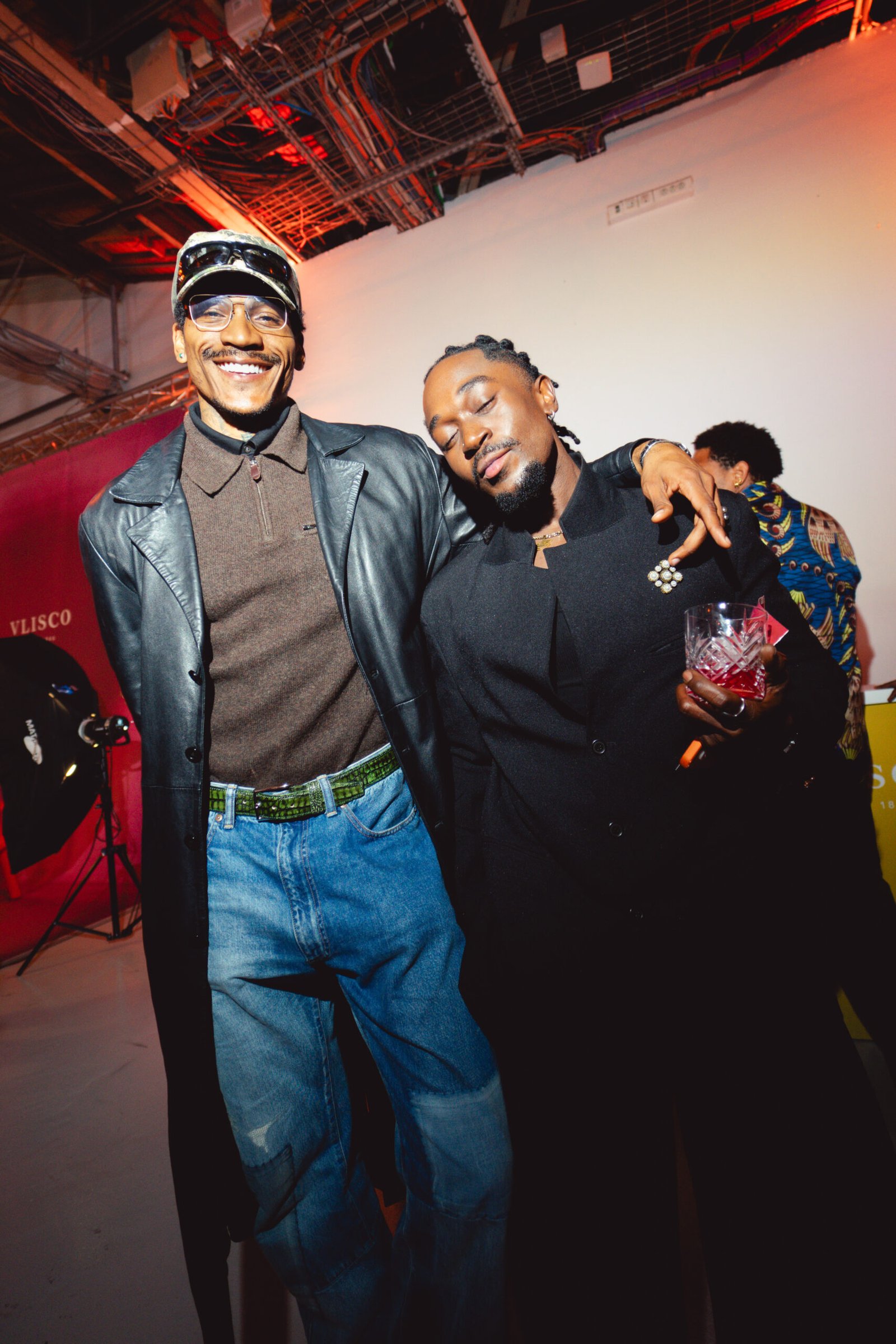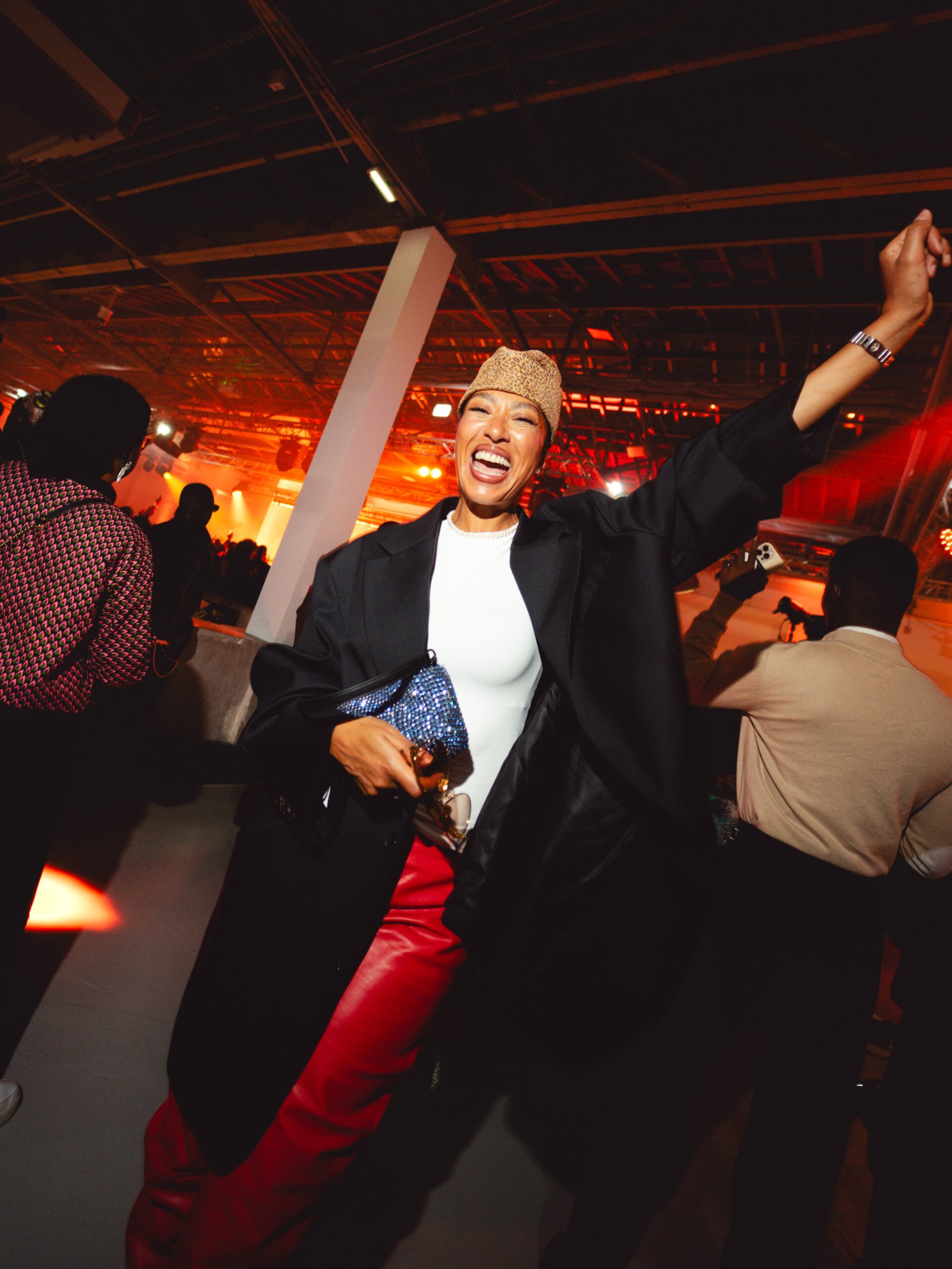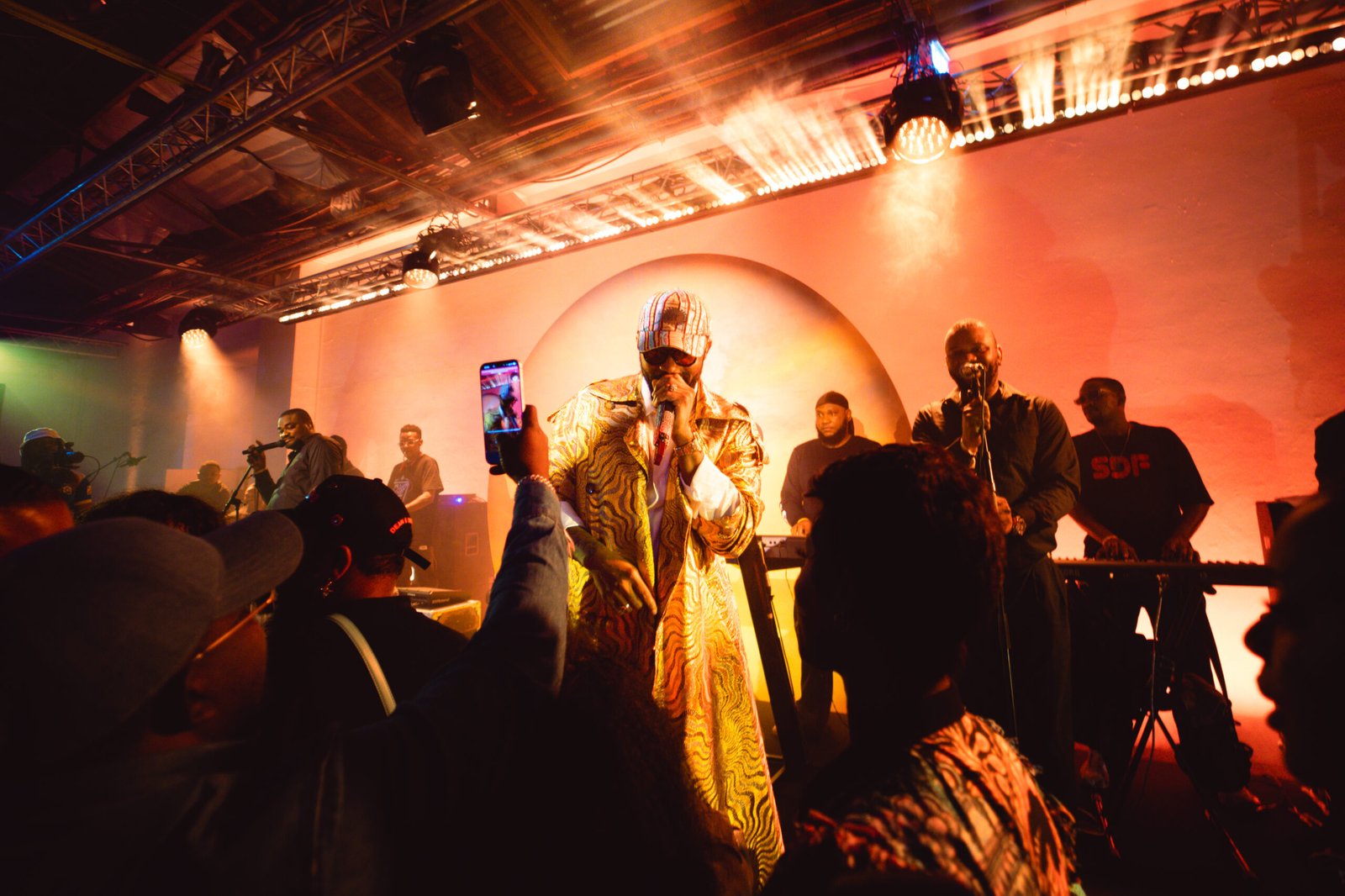
On October 16, 2026, Vlisco welcomed guests to the Palais de Tokyo in Paris for an evening celebrating contemporary African music and culture, with Fally Ipupa at its heart. Bringing together the brand’s beloved ambassador and a room full of cultural curators, the private concert offered an intimate setting for an artist whose influence reaches across the African continent and far beyond it.
The occasion brought several creative worlds into conversation. Music met fashion; textile design met personal expression; African cultural influence found a fitting setting within a Parisian institution devoted to contemporary art. At the centre of those connections stood Ipupa, an artist whose voice, movement and distinctive sense of style have made him an enduring cultural presence.
For Vlisco, celebrating him was a natural expression of a relationship built around creativity. His appeal extends beyond the songs themselves to the way he inhabits them: the elegance, confidence and attention to presentation that make his artistic identity immediately recognisable. Honouring his work also offered an opportunity to celebrate the contemporary African culture that his music carries across borders.
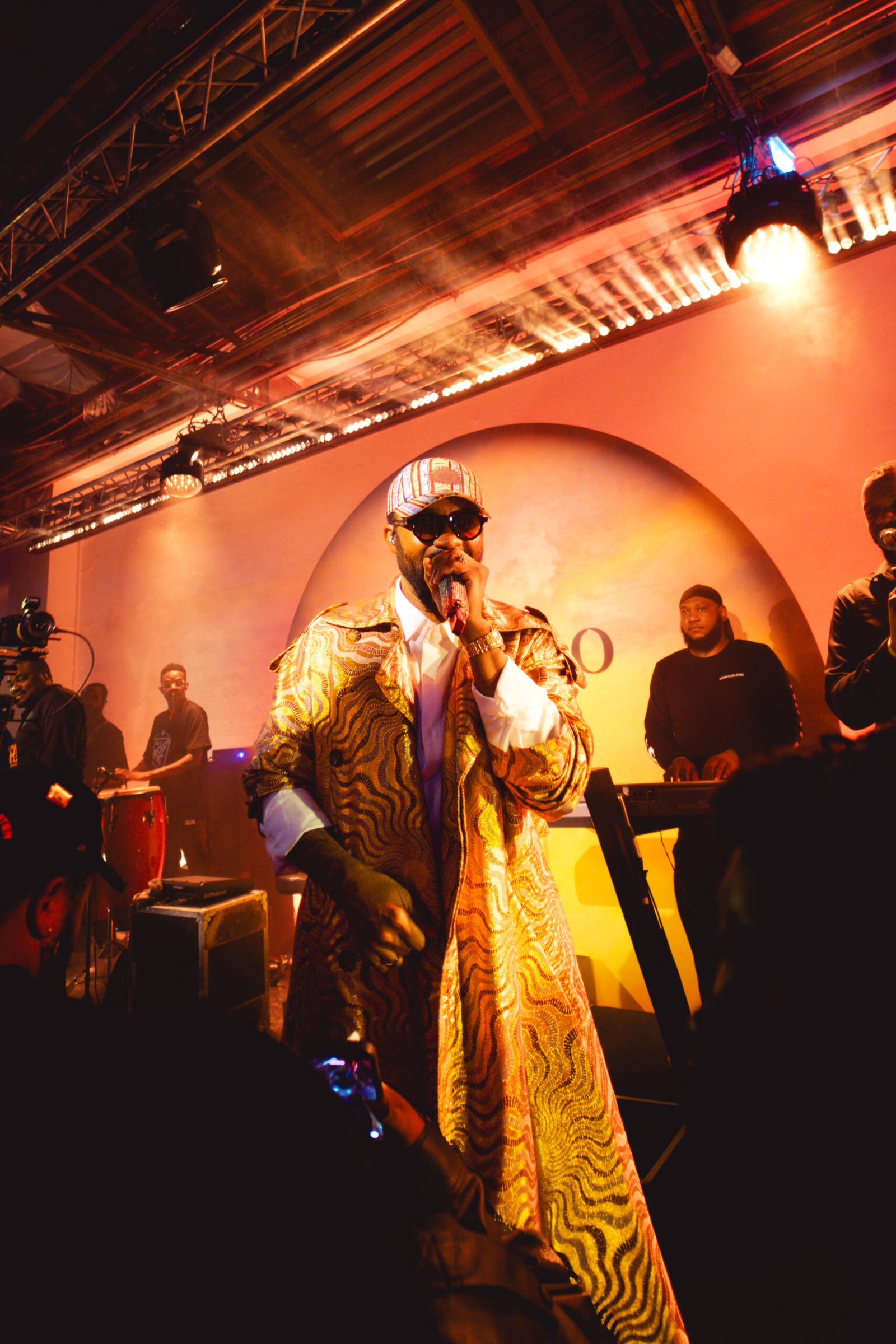
The evening placed that relationship in front of an audience attuned to the connections between sound, image and identity. Cultural curators filled the room, giving the gathering a significance that extended beyond the stage. Here were people engaged in how culture is created, interpreted and shared, assembled around an artist who continues to shape it.
A Setting That Shared the Evening’s Purpose
The choice of the Palais de Tokyo carried particular meaning. An institution dedicated to contemporary creation, it is a place where artistic disciplines meet and where audiences are invited to engage with the work of living artists. Its openness to experimentation made it a compelling setting for an evening connecting music, fashion and cultural expression.
For Vlisco, that commitment to art and culture made the venue a natural choice. An event celebrating Ipupa’s artistry belonged in a space that takes creativity seriously, while allowing it to be experienced socially and collectively.
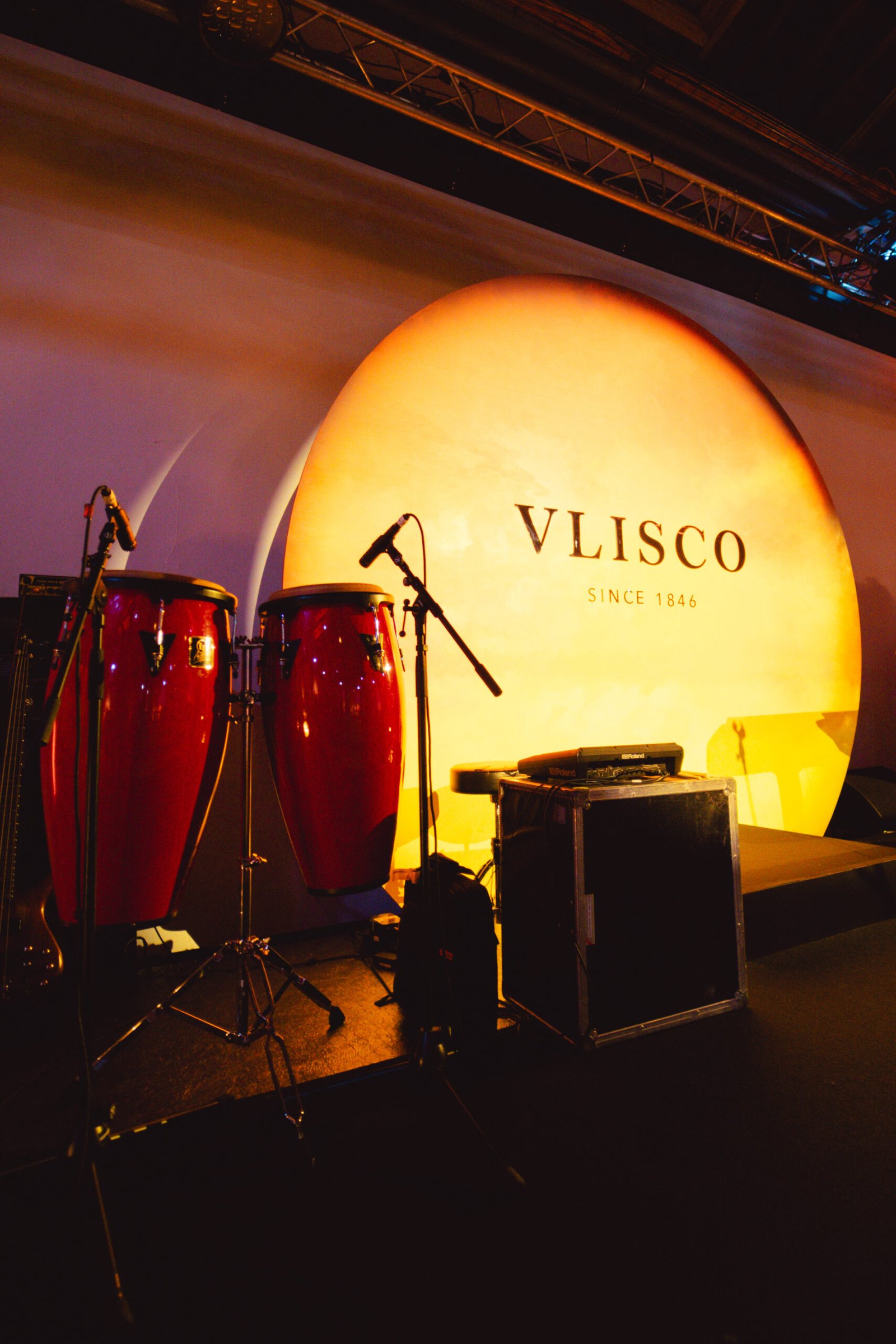
The pairing also encouraged a broader reading of the concert. Within this setting, music could be appreciated alongside the visual language surrounding it: the clothes, the prints, the artist’s presentation and the individual styles of the people gathered to see him. Each formed part of the evening’s cultural expression.
Contemporary African creativity moves fluently between these disciplines. A song can inspire a silhouette; a fabric can carry a memory; an artist’s style can become a reference for audiences across countries and generations. Bringing those forms together at the Palais de Tokyo gave them room to speak to one another.
Fally Ipupa, an Icon Whose Influence Moves Beyond Music

Ipupa’s place within this celebration rested on the breadth of his cultural presence. A Congolese artist with an audience extending well beyond his home country, he represents a form of contemporary African stardom in which musical identity and personal style develop together.
His artistry holds a distinctive relationship with heritage. The expressive qualities of Congolese rumba remain central to his musical language, while his work also embraces contemporary melodies and visual storytelling. Vlisco’s own collaboration with him recognises that combination, bringing his sound into a creative world shaped by colour, design and the celebration of identity.
His style is equally important to that presence. Ipupa understands the expressive possibilities of clothing: how a silhouette establishes a mood, how a print draws the eye, how elegance can become part of a performer’s signature. Fashion belongs within the way he communicates with his audience.
That makes his connection with Vlisco particularly resonant. A textile house offers materials that people transform through their own choices. A performer gives music its character through voice, interpretation and movement. Both depend on the relationship between a creative work and the person who brings it to life.
As a beloved ambassador for the brand, Ipupa embodies that relationship with ease. His individuality remains visible within the collaboration, giving it a recognisable personality and a connection to the audiences who follow his work.
The private concert offered an opportunity to celebrate that complete artistic identity: the musician, the performer and the style figure whose influence travels between these worlds.
A Creative Relationship Expressed Through Music and Fabric
The Paris gathering also belonged to a wider creative dialogue between Vlisco and Ipupa, encompassing music, imagery and a special collection.
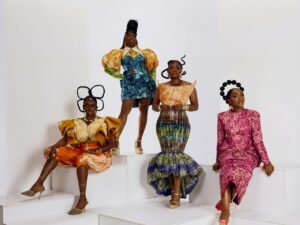
Their collaboration has already taken a vivid form through “MAYANGA” and Vlisco’s “The Garden of Sisterhood” campaign. Produced by Vlisco, the music video brought together Ipupa’s music, Daniel Obasi’s visual direction and Loza Maléombho’s fashion silhouettes. Filmed in Abidjan and Grand-Bassam in Côte d’Ivoire, it explored identity, beauty and the connections between women through a shared creative vision.
That project helps explain the affinity behind the October celebration. Music and fabric each offer ways to express belonging while leaving space for individuality. Their meaning develops through use: through the person who wears a print, the audience that embraces a song, or the community that makes either part of a significant occasion.
Vlisco’s role in that exchange is inseparable from the creativity of the people who wear and reinterpret its textiles. Although the house is Dutch, its fabrics occupy a place within African fashion cultures through the choices of designers, tailors and customers who give them form and personal meaning.
Ipupa brings a similarly personal interpretation to his work. His presence connects the material world of fashion with the emotional reach of music.
A Room of Cultural Curators
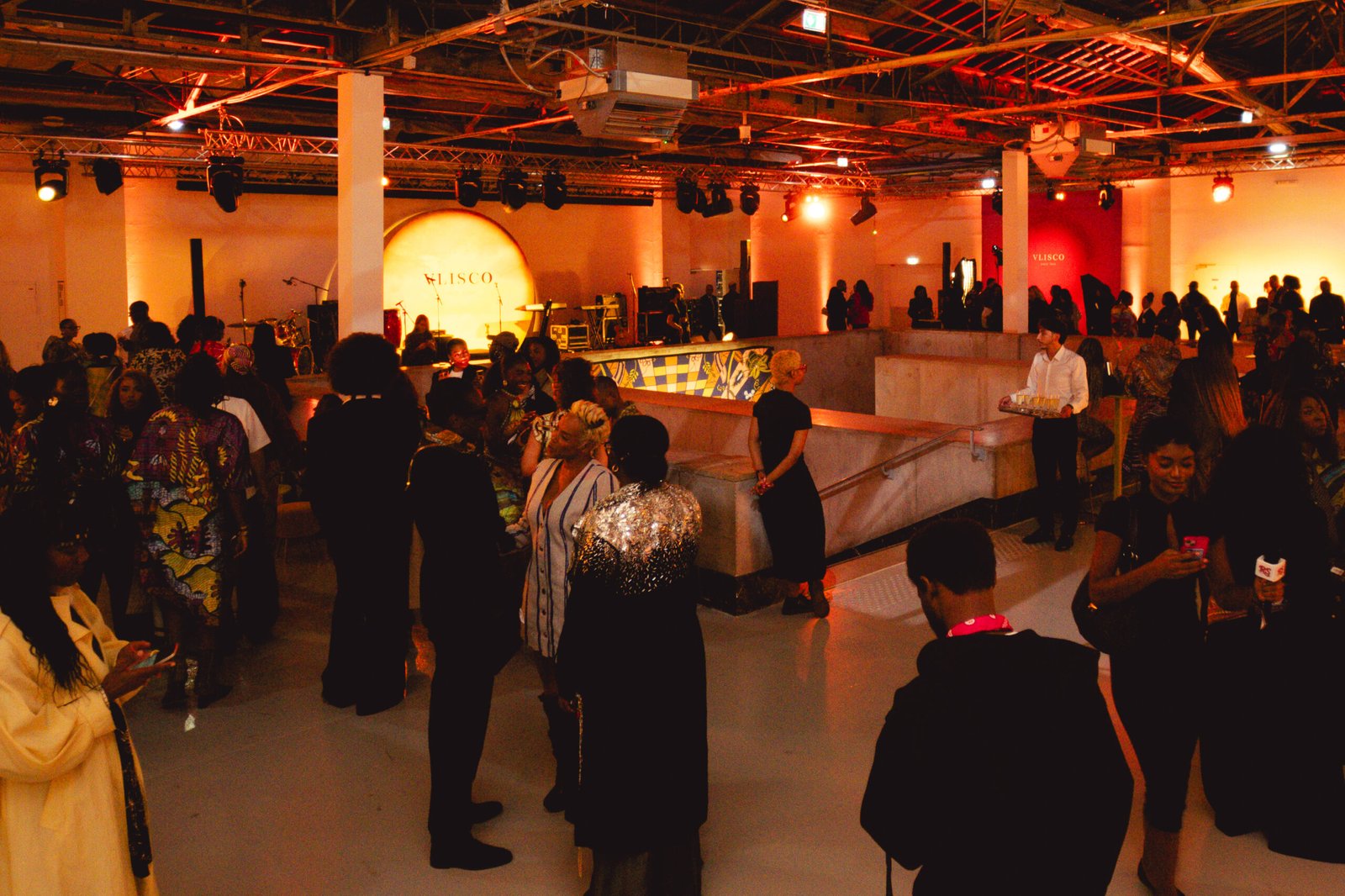
With the room full of cultural curators, the evening gathered people who understood creativity as both an artistic practice and a force that connects communities. Their presence placed Ipupa’s performance within a wider conversation about contemporary African expression and the many people who contribute to its visibility.
Such gatherings have a particular value. They bring different creative perspectives into the same space, allowing people to encounter one another through a common experience. A concert becomes a point of connection between those working across culture, each approaching the music with a different history and set of references.
The private format also created a closer setting for an artist often associated with much larger stages. It allowed the occasion to centre on the relationship between performer and audience, while maintaining the sense of celebration that made the gathering meaningful.
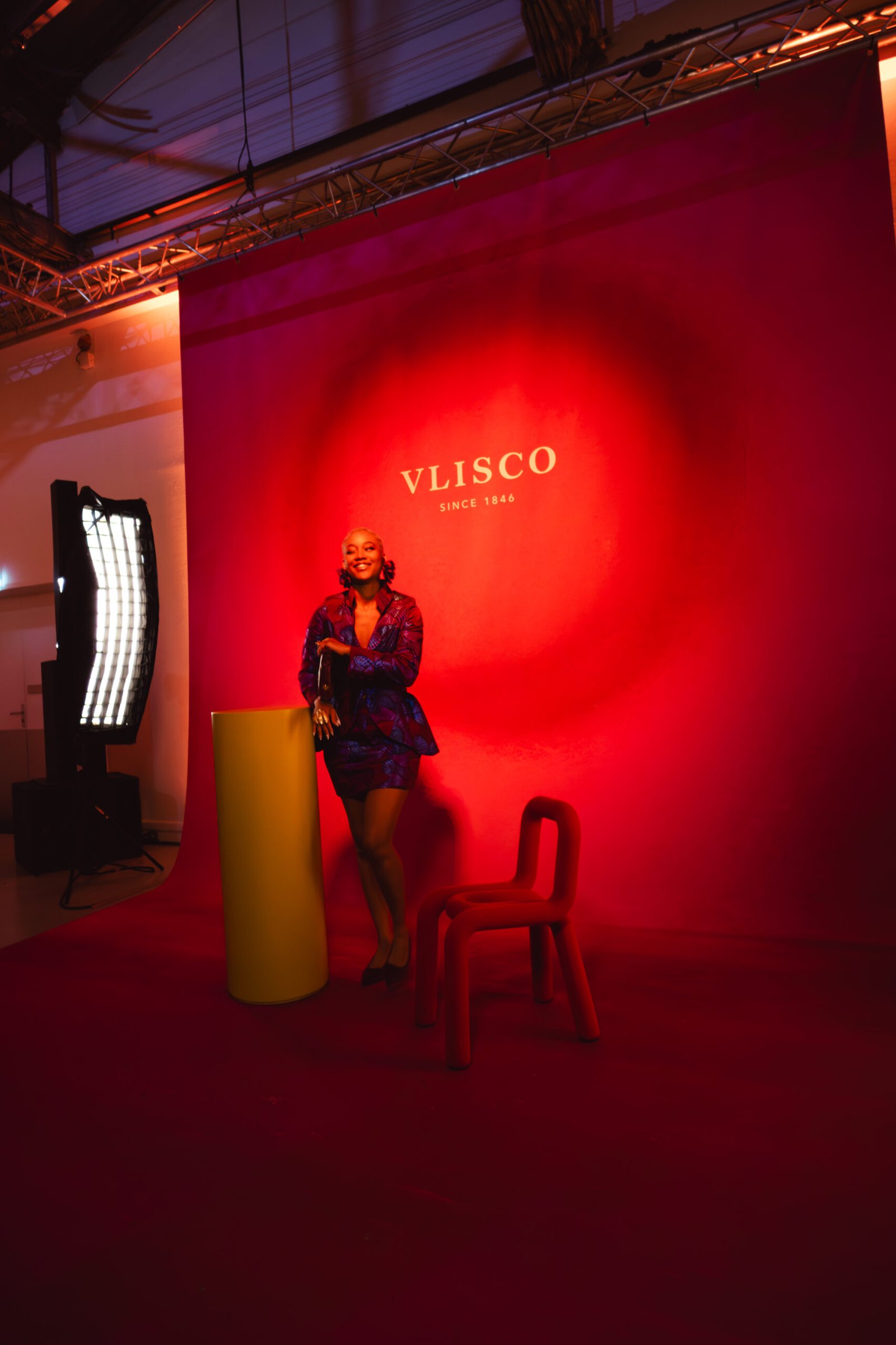
Fashion contributed another dimension. The event invited guests to wear Vlisco in their own way, making personal interpretation part of its visual identity. The same textile language could take on different forms according to the person wearing it.
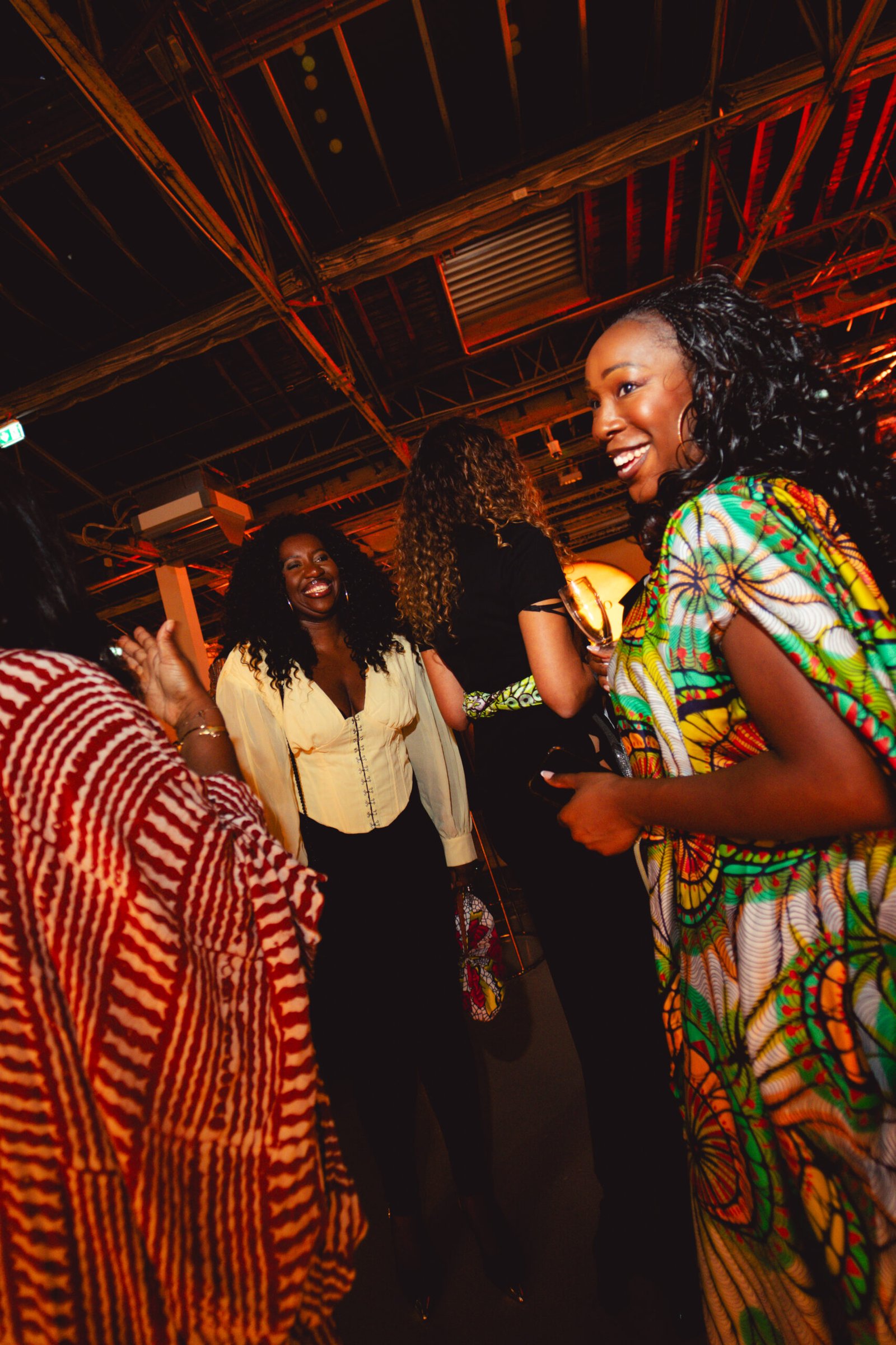
That freedom reflected an idea running through the entire evening: culture gains vitality through participation. It develops as people bring their own taste, experience and imagination to it.
Celebrating a Culture in Constant Motion
Contemporary African culture encompasses many distinct histories, traditions and creative scenes. An evening centred on a Congolese music icon and a textile house could offer one compelling expression of that richness, while opening a conversation between different disciplines and audiences.
Ipupa gave that conversation a powerful focal point. His art carries a clear identity, allowing listeners to connect with its origins even as it reaches new settings. His style adds another dimension to that exchange, demonstrating how contemporary African influence travels through images as well as sound.
Vlisco’s decision to honour its ambassador through a private concert acknowledged those overlapping contributions. It celebrated the affection surrounding the artist, the strength of their creative relationship and the cultural world in which that relationship continues to grow.