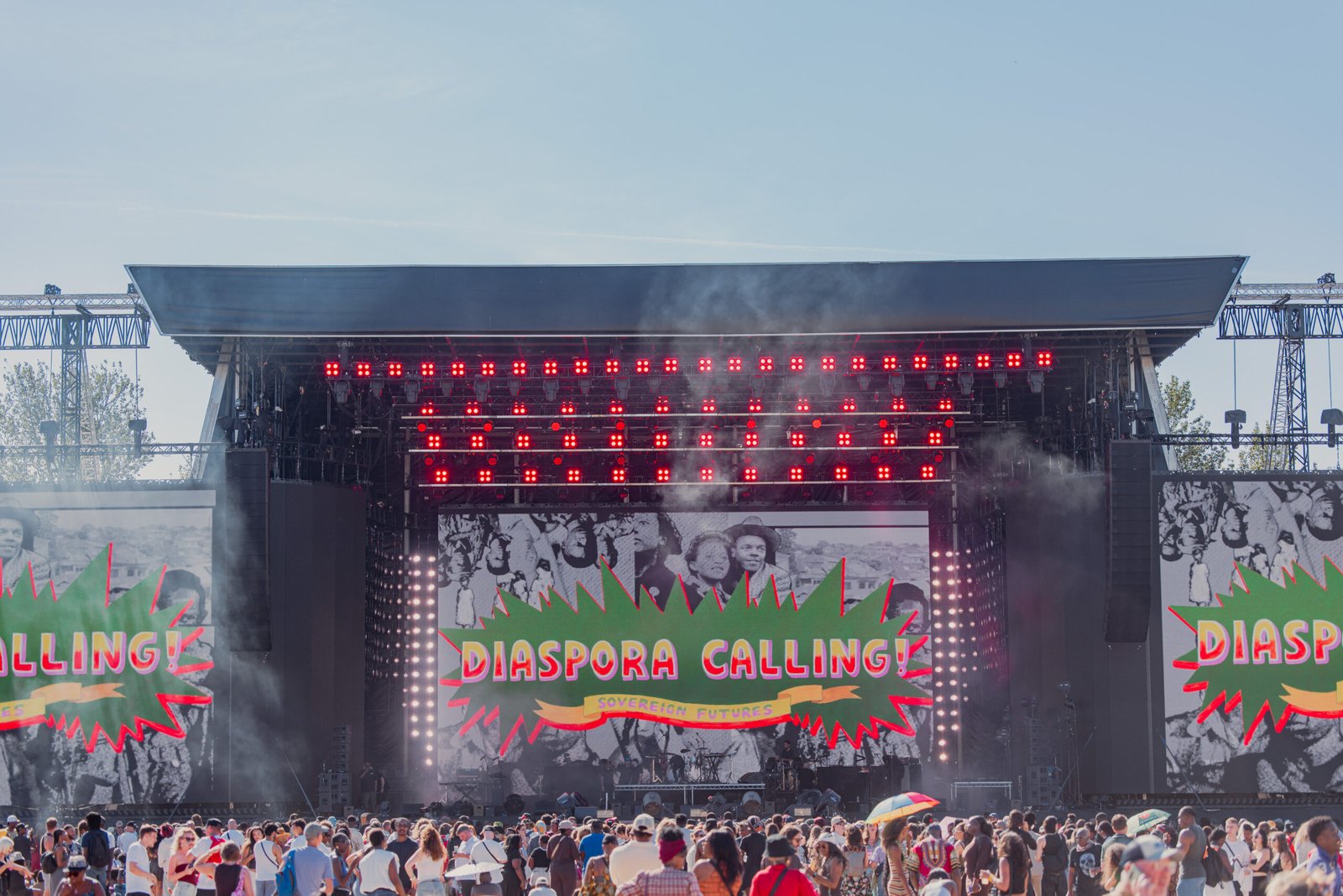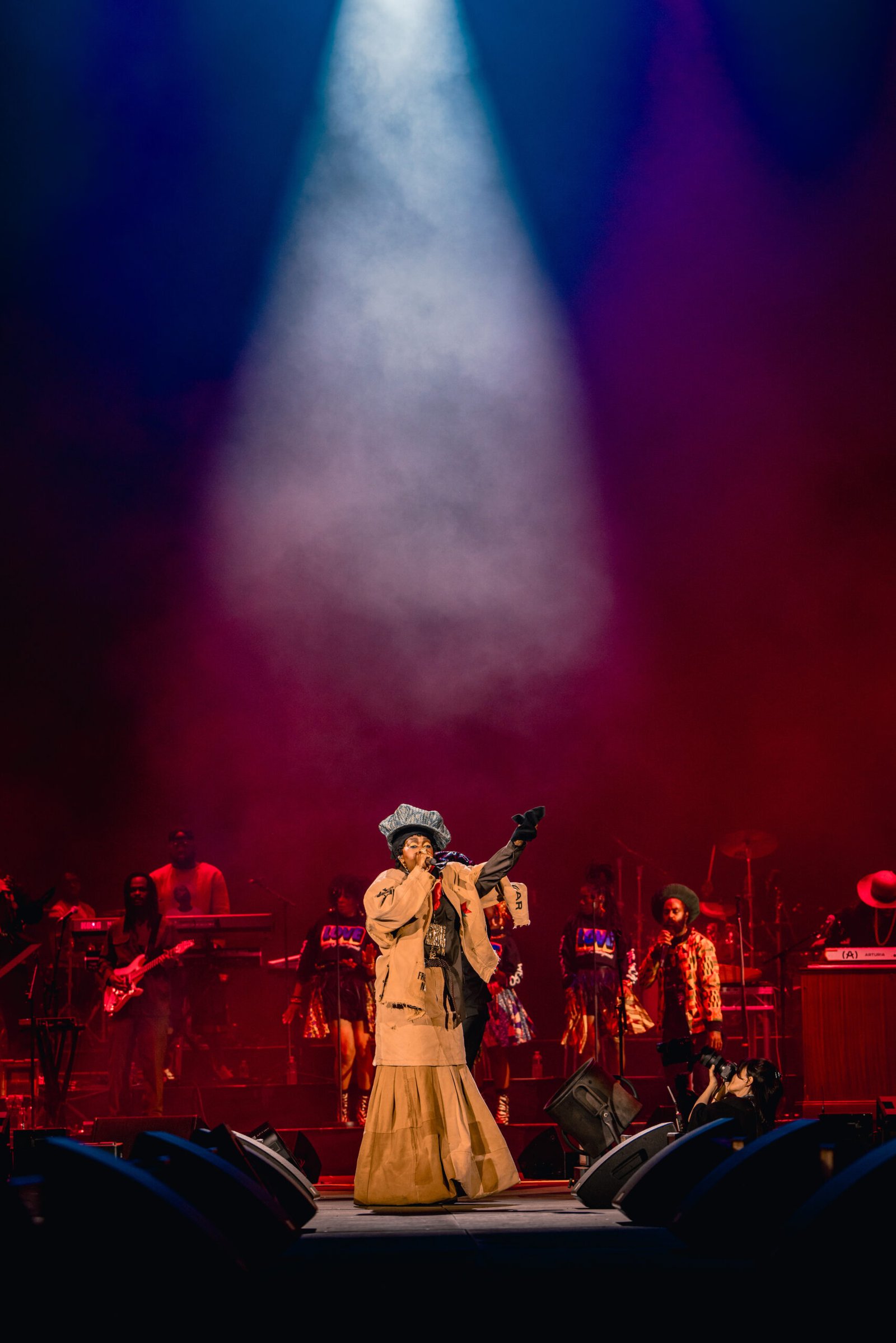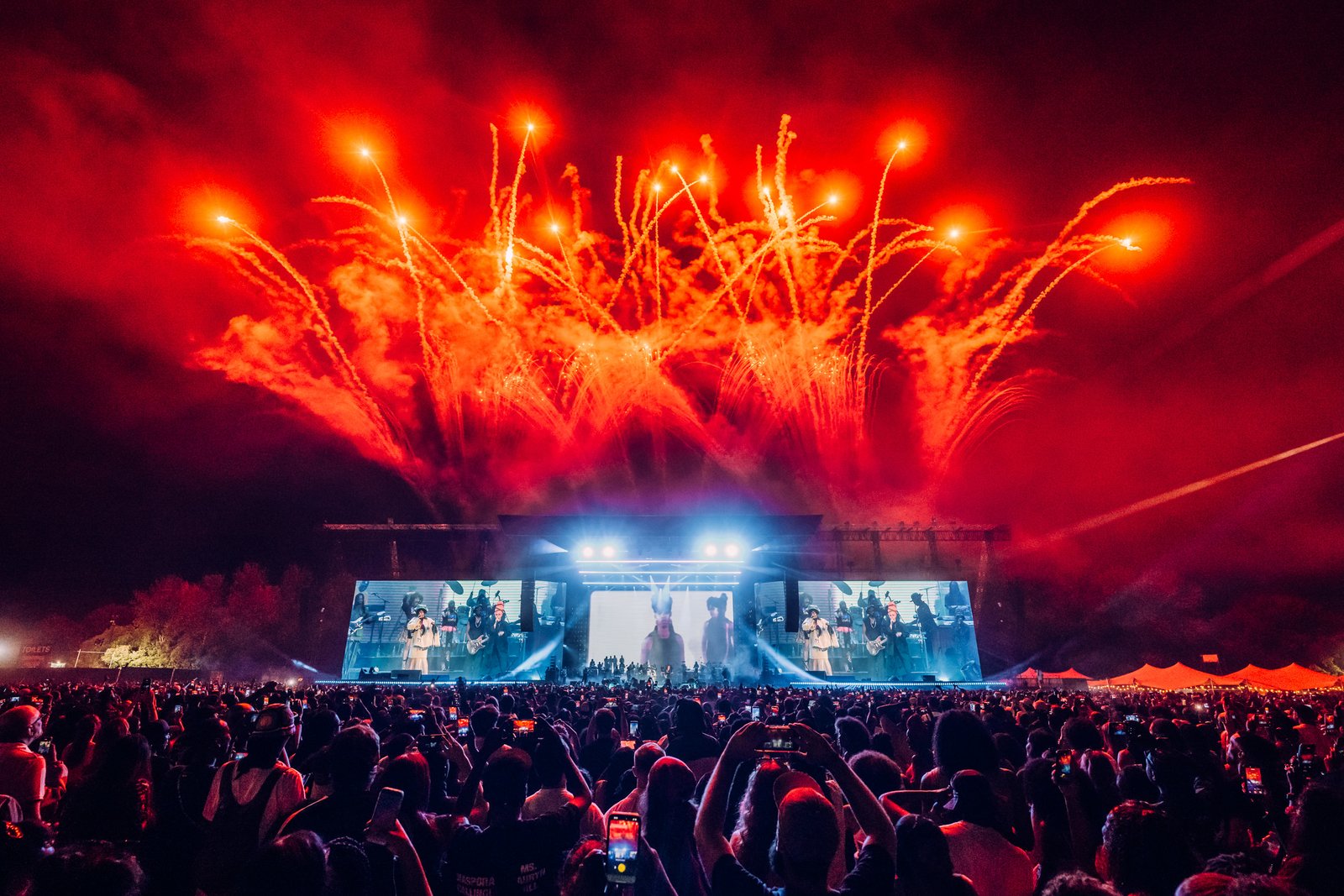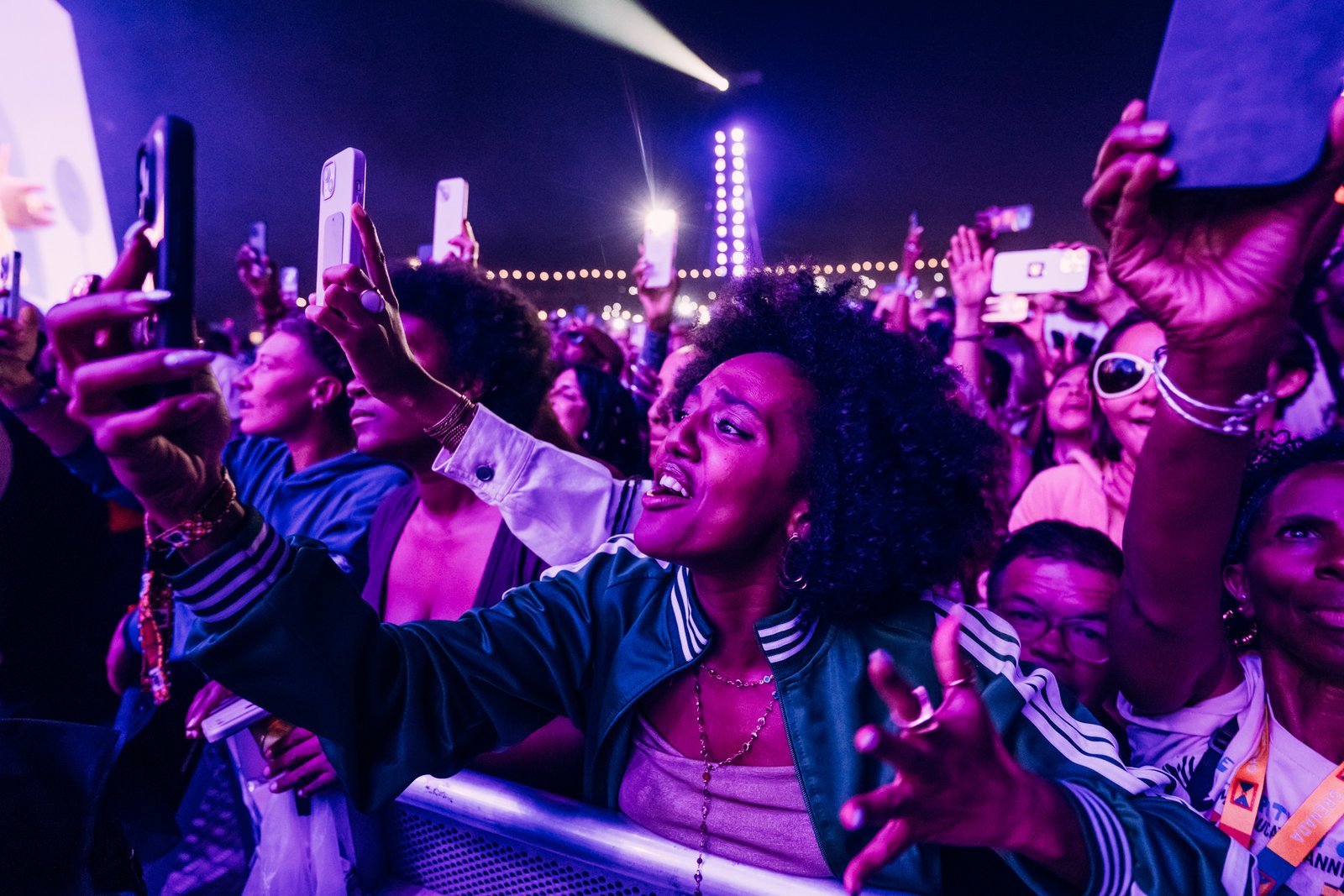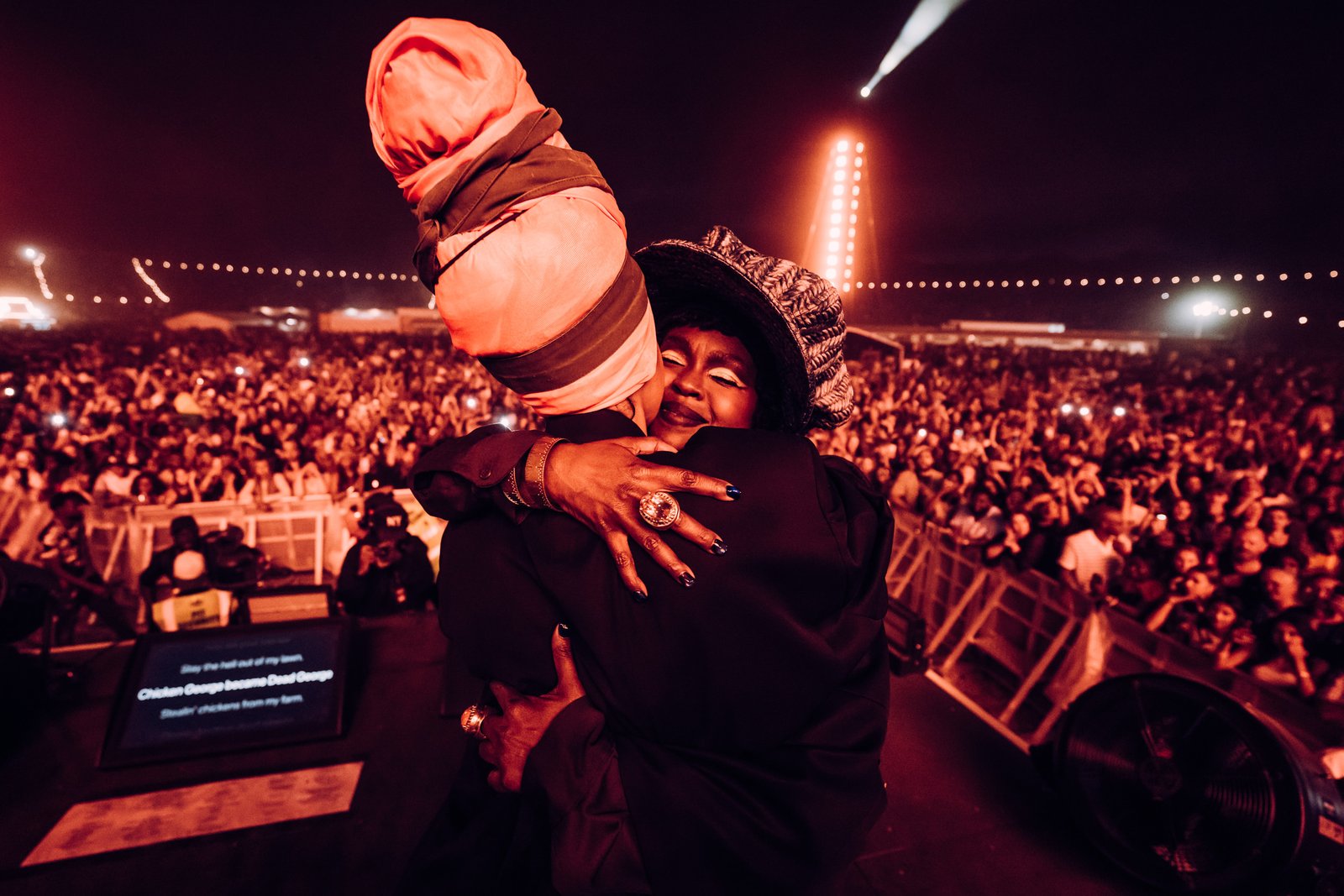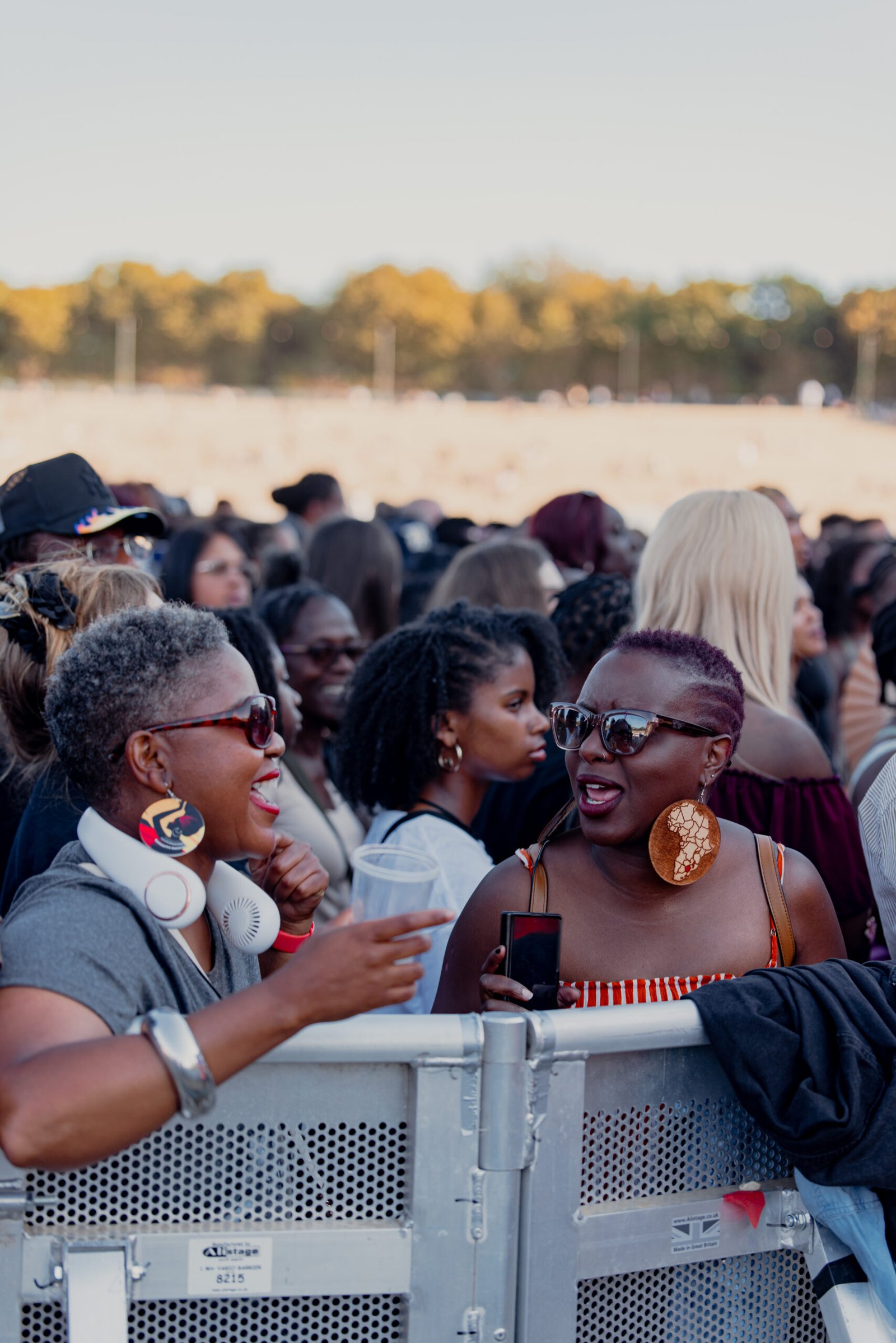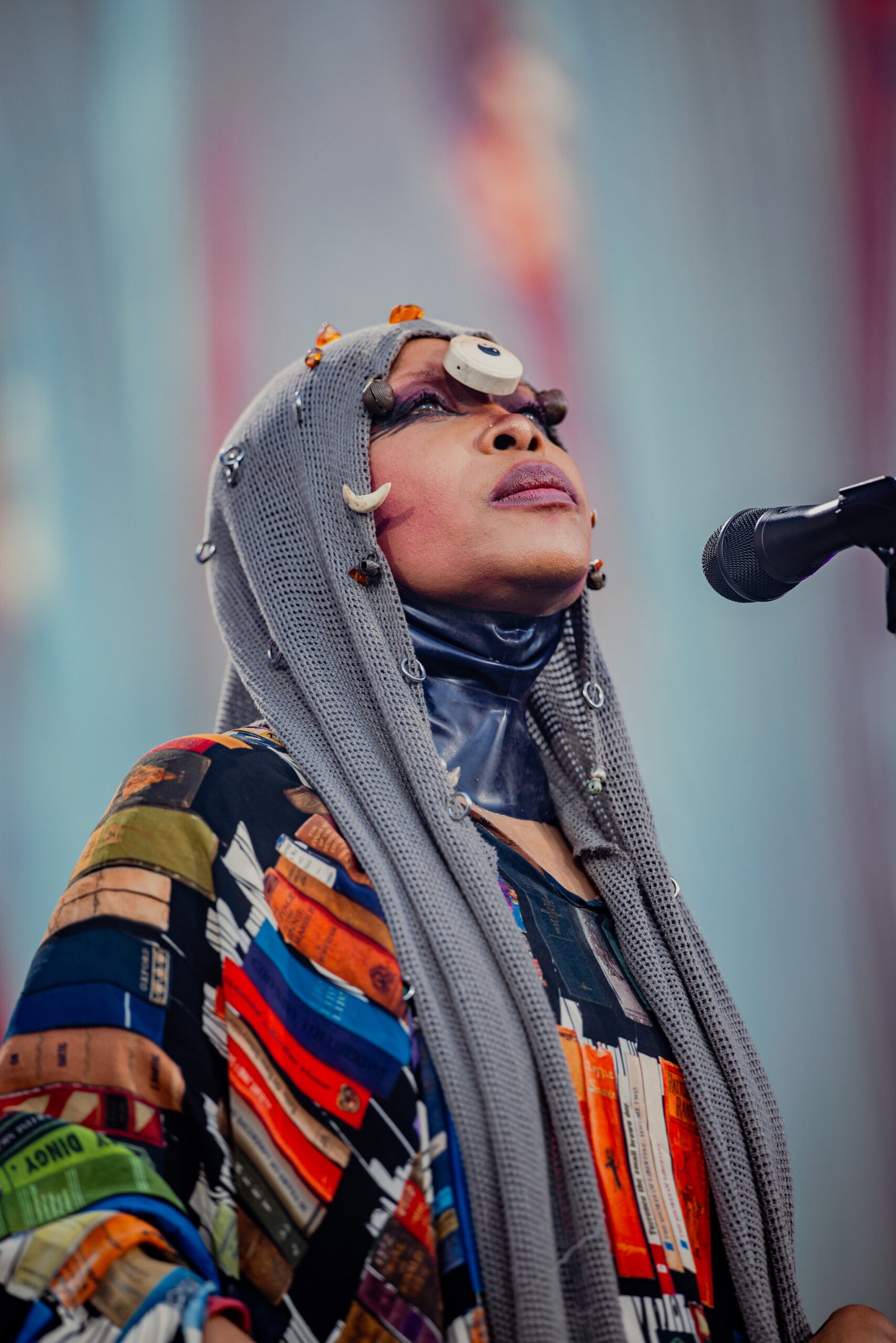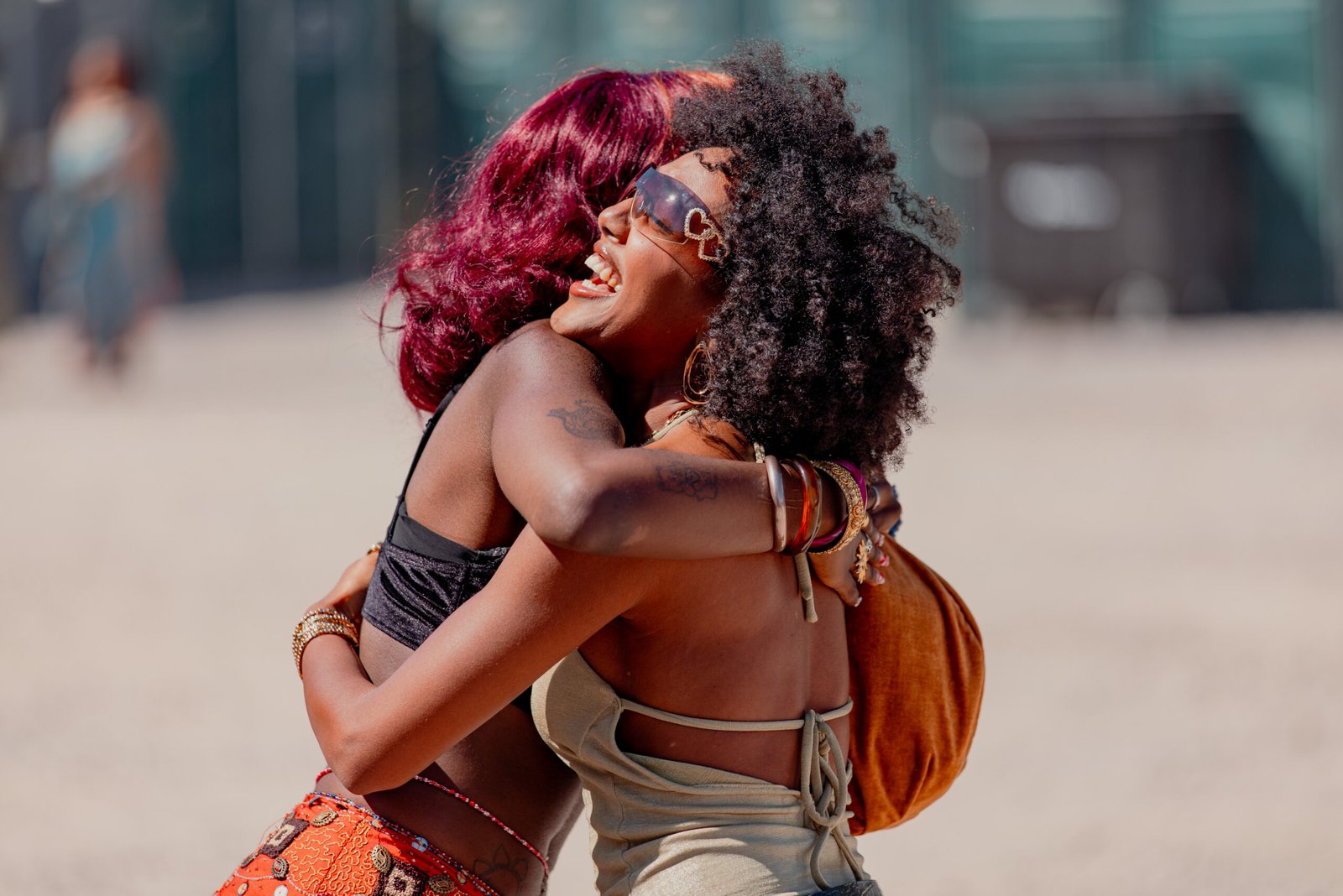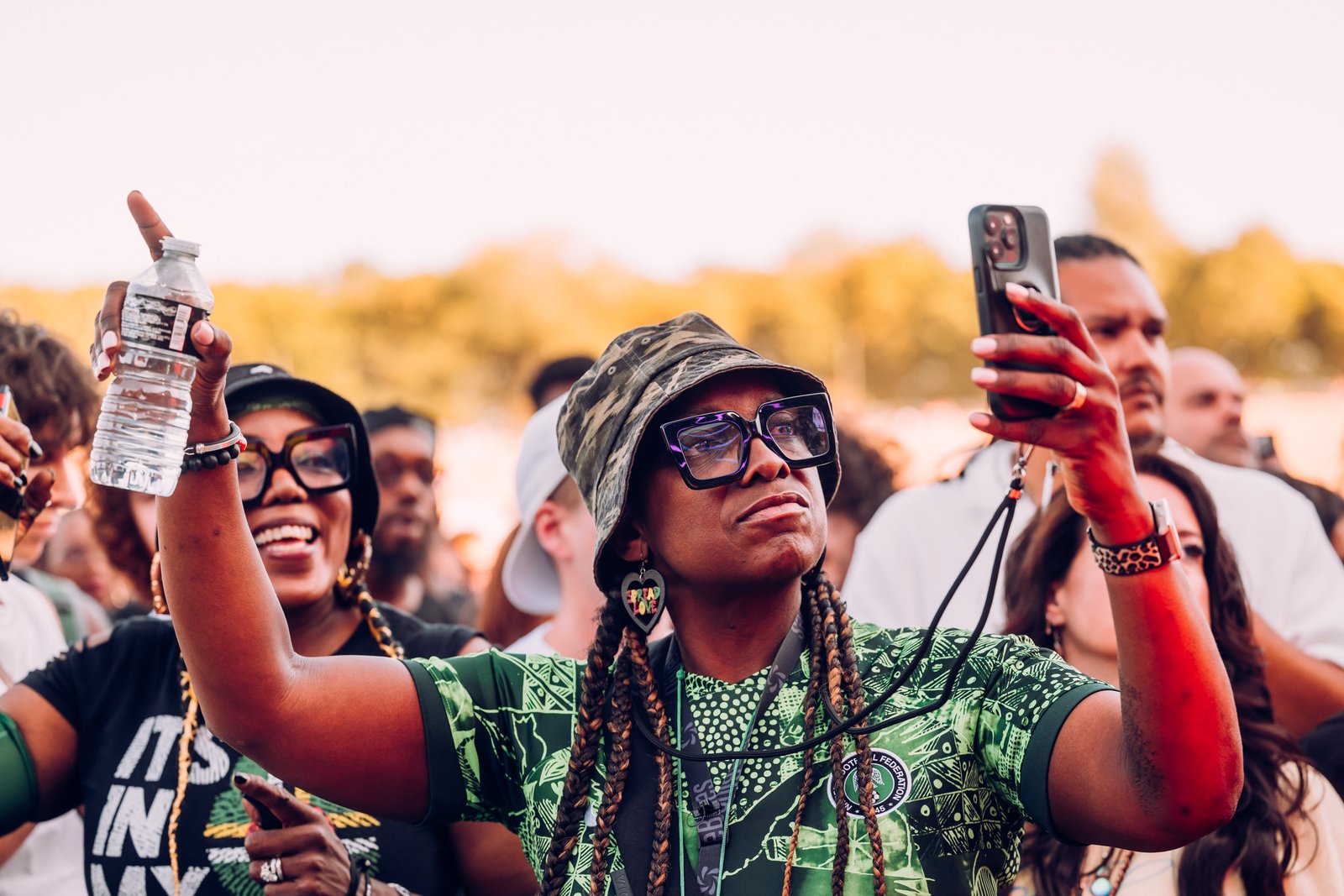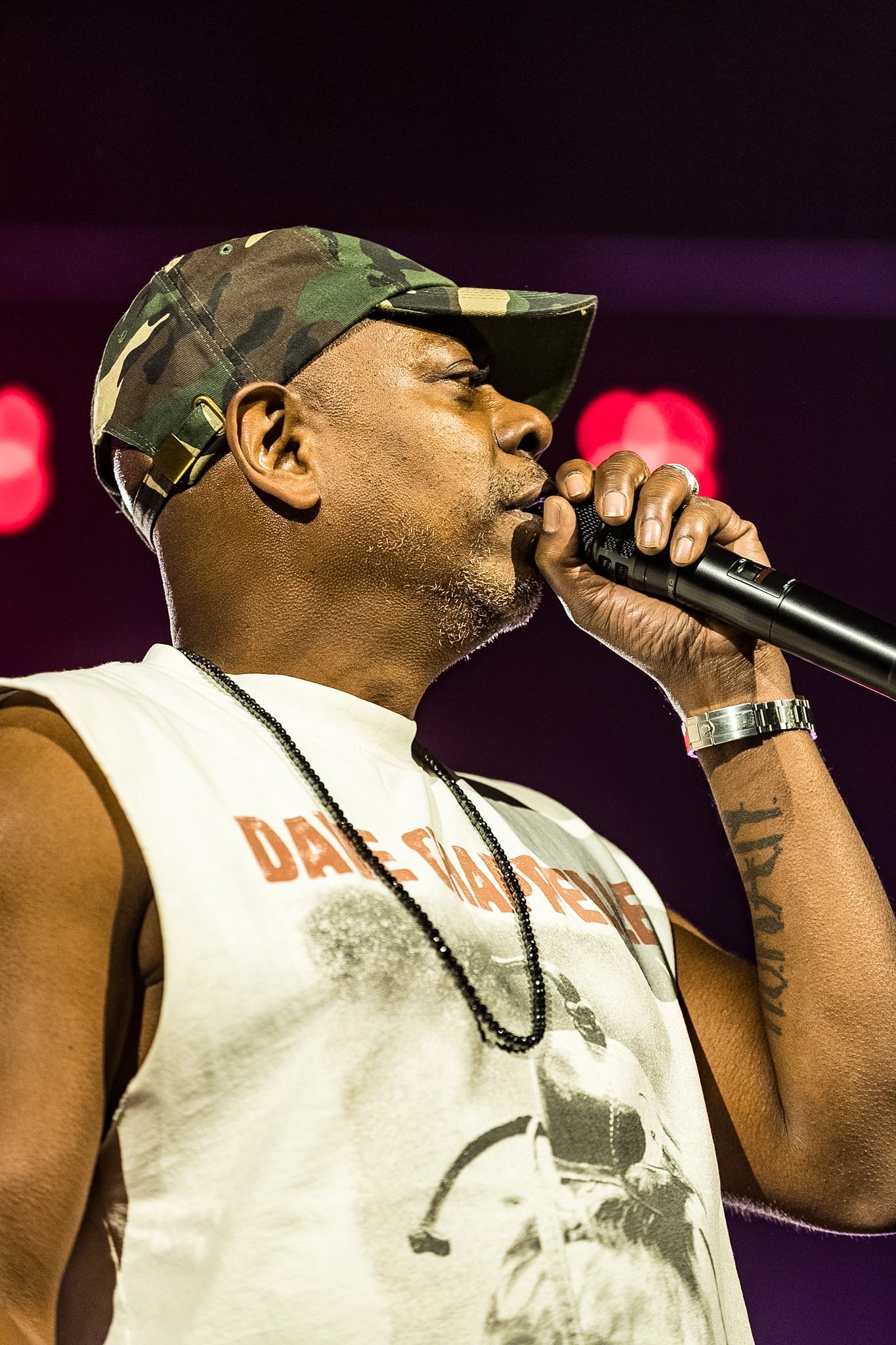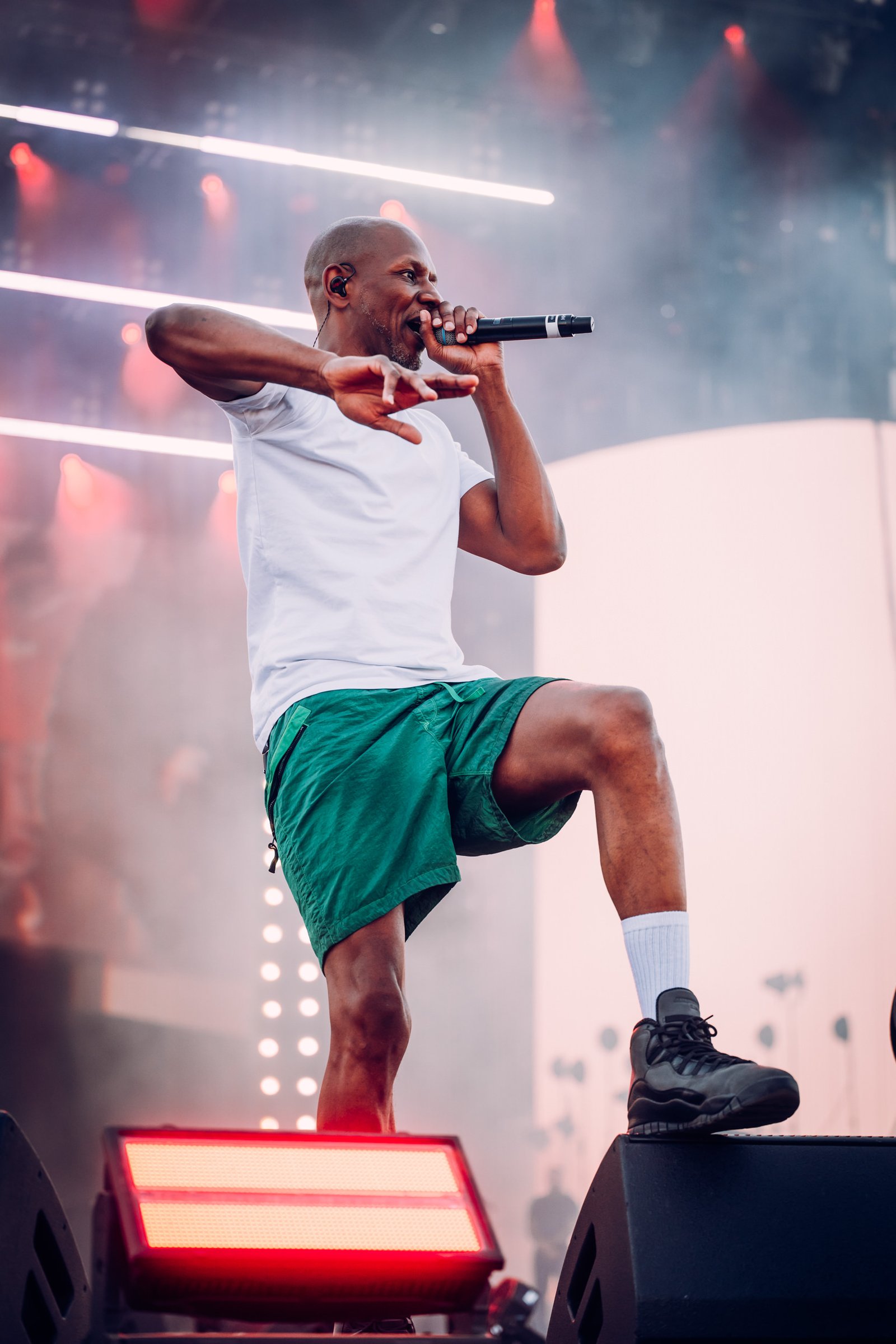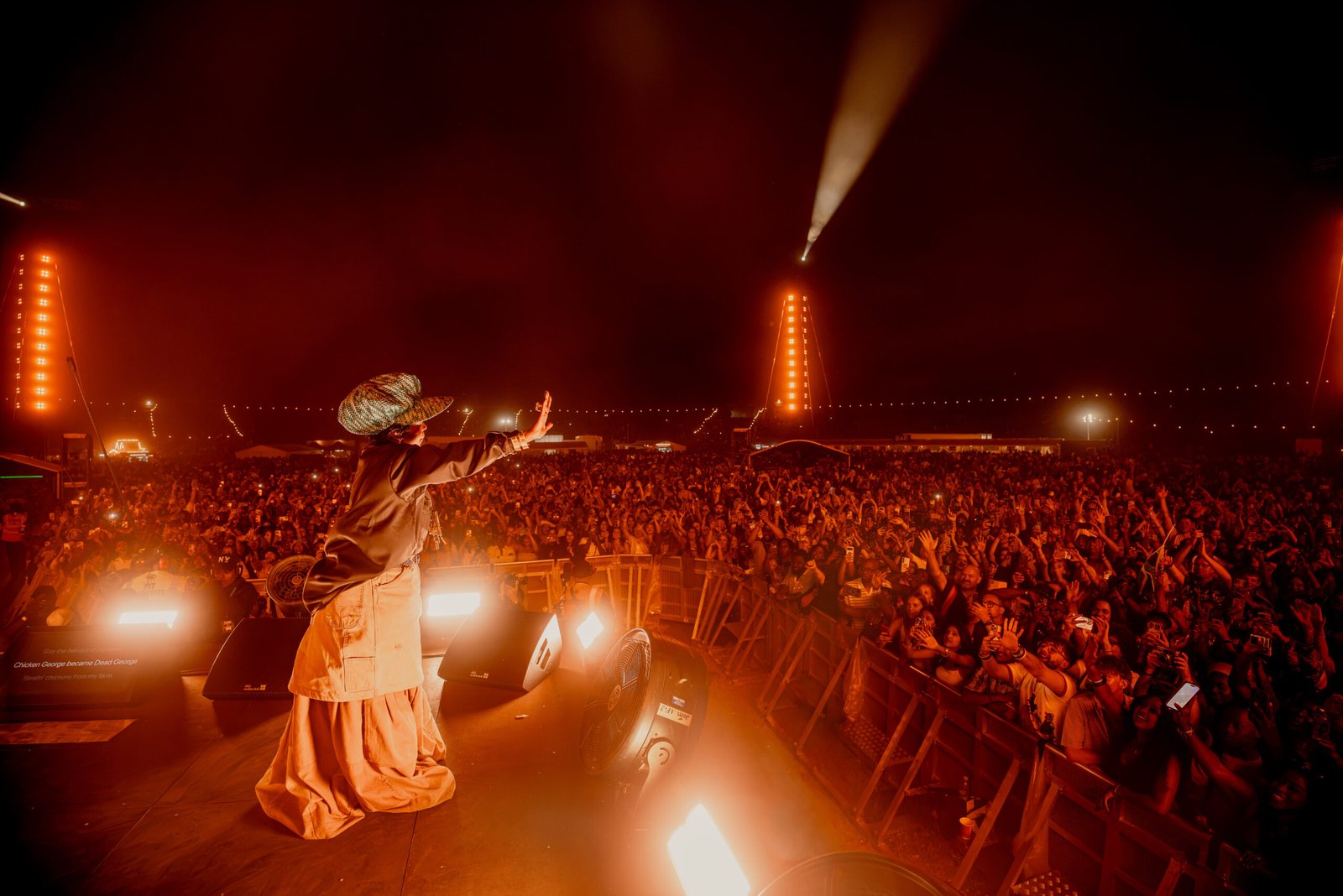
The United Kingdom’s Milton Keynes National Bowl received over 35,000 people for Diaspora Calling, a festival launched by legendary musician Lauryn Hill to celebrate, connect, and strengthen Africa and its global diaspora.
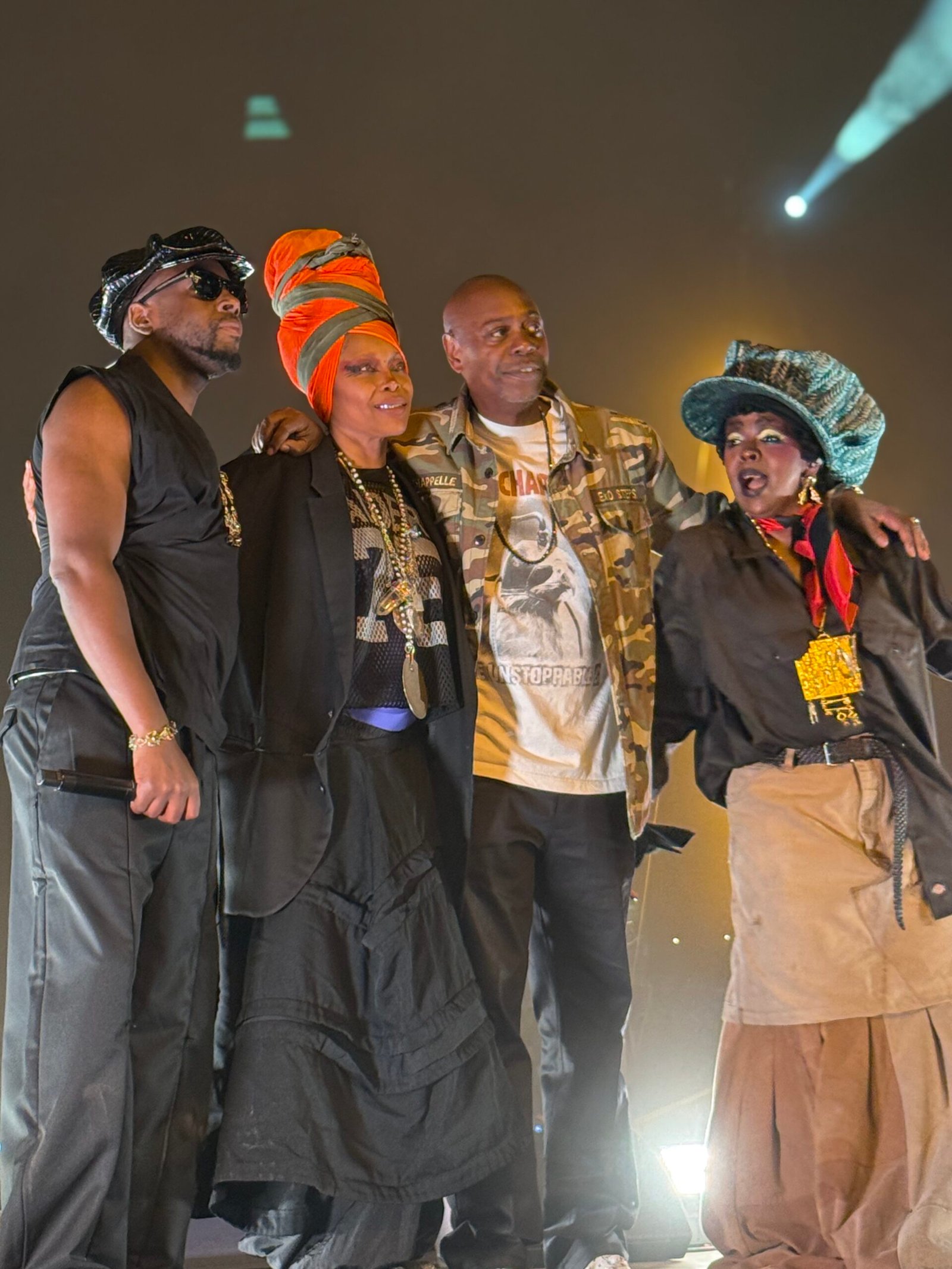
Held on Friday, August 7, and hosted by comedian Dave Chappelle, the event brought together artists including Hill, Wyclef Jean, Erykah Badu, YG Marley, Zion Marley, Giggs, Fireboy DML, Seun Kuti, DJ OBI, Michael Brun, and The Compozers.
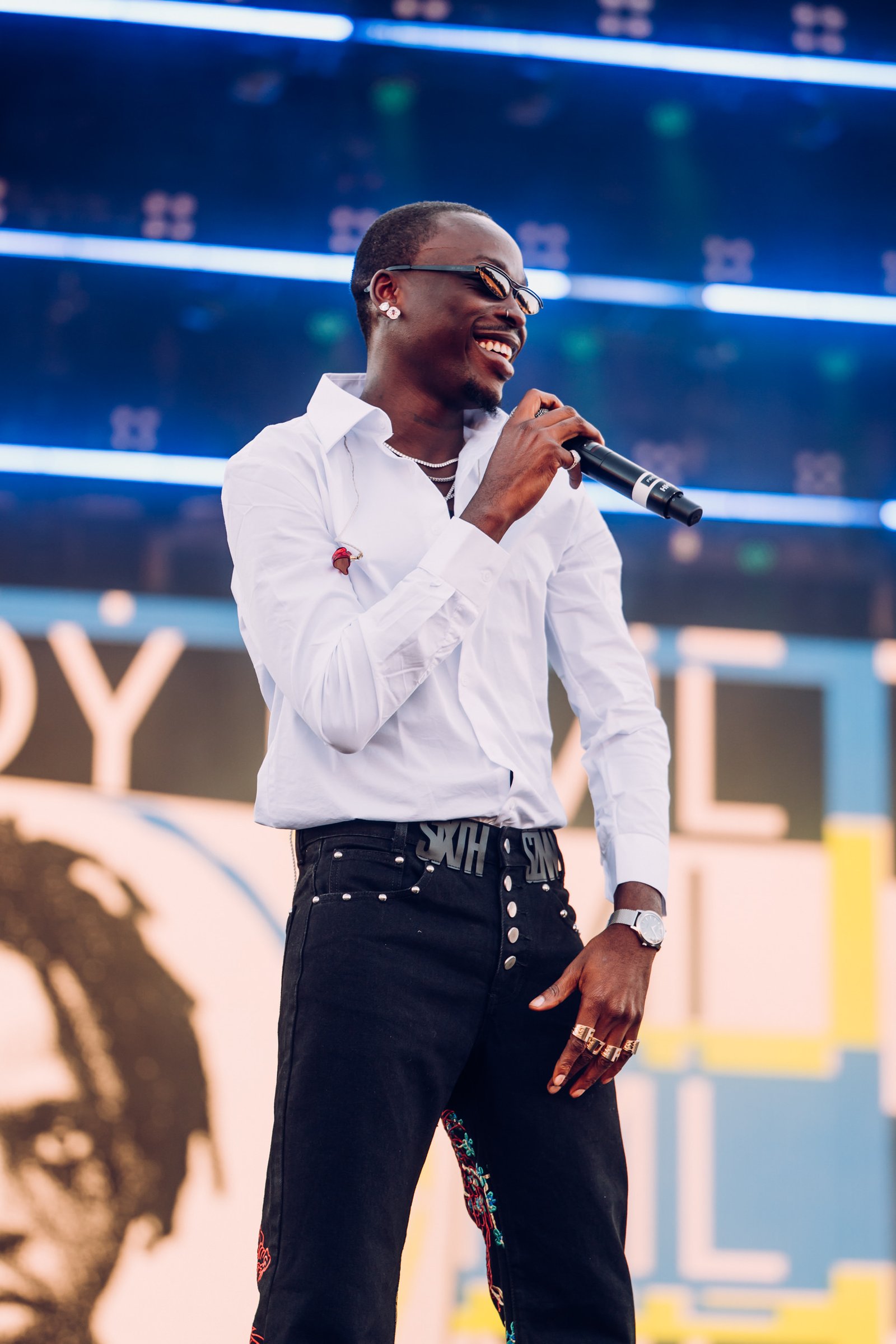
It allowed different traditions to meet, with Fireboy DML representing Afrobeats, Giggs representing British rap, and YG Marley and Zion Marley representing reggae, just to mention a few.
This is not the first Diaspora Calling that will be held; it is the second, with the first held in Brooklyn, USA, in 2016. The Milton Keynes edition marked its expansion into the UK, arriving a decade after the original initiative.
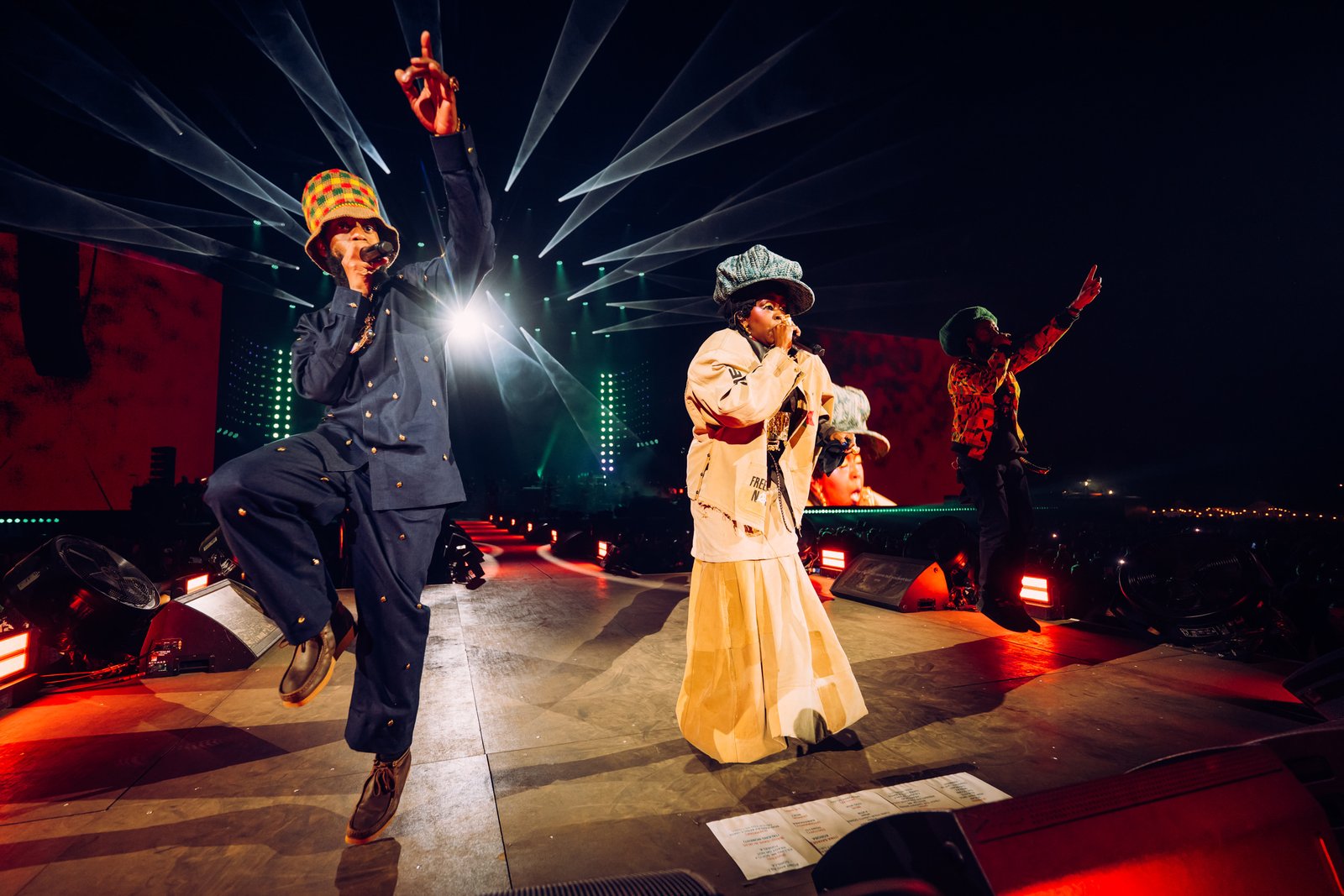
One of the highlights of the event was Lauryn Hill and Wyclef Jean reuniting on stage to mark the 30th anniversary of The Fugees’ The Score with a performance of the album.
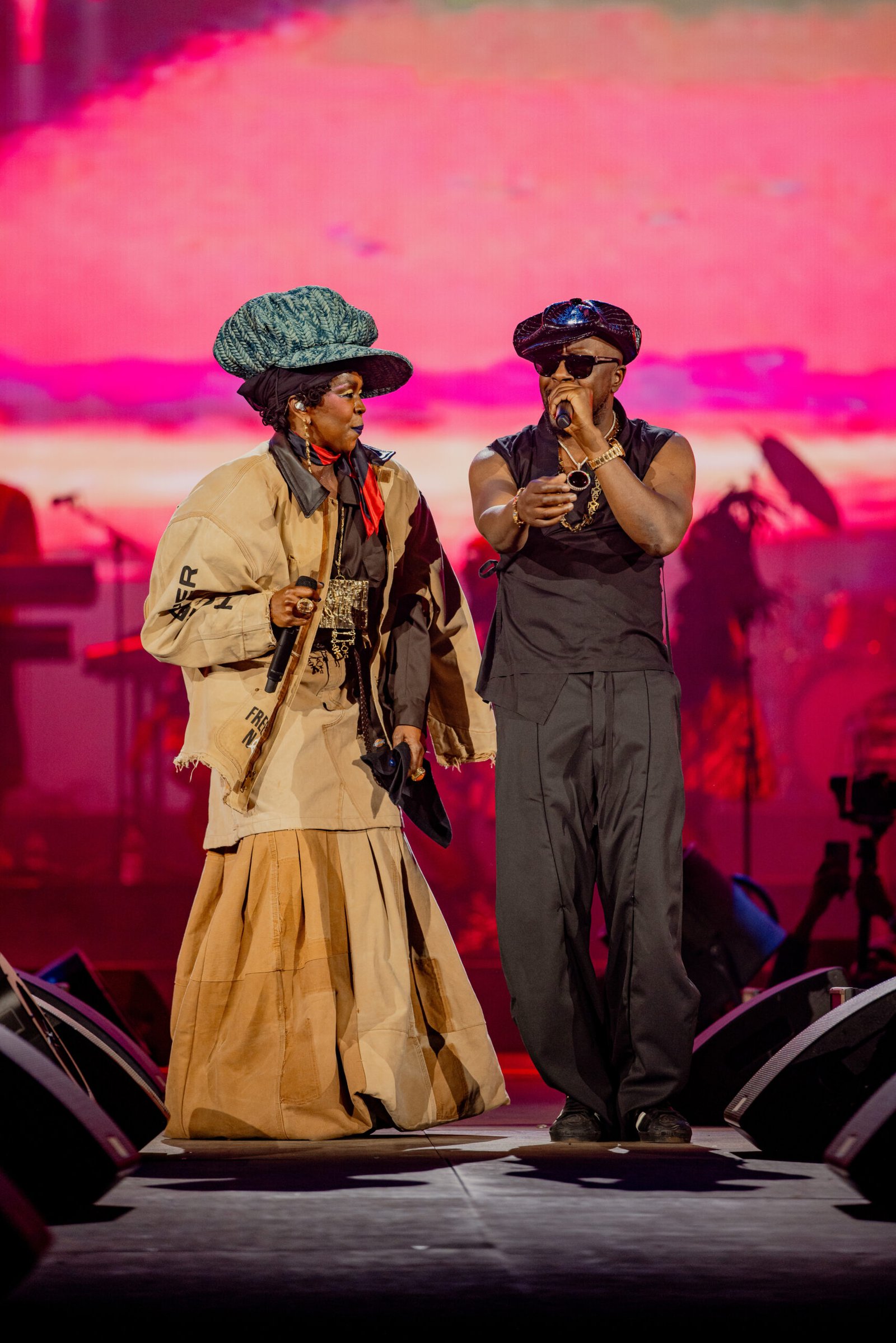
They were joined onstage by Zion Marley and YG Marley. The two are Hill’s son and the grandson of reggae pioneer Bob Marley. Their appearance on stage made the moment more memorable.
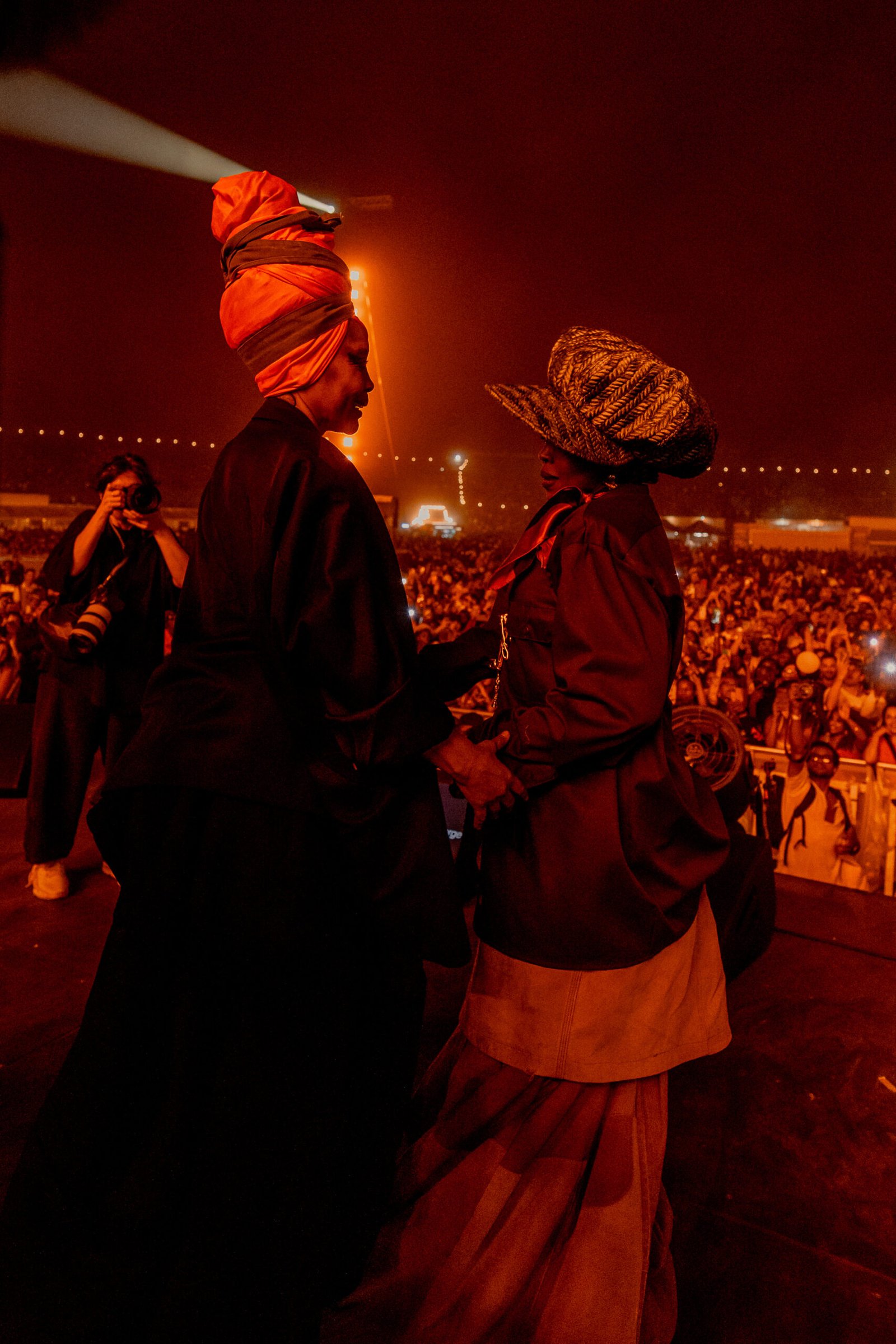
Another highlight was Erykah Badu joining Lauryn Hill for a special rendition of “Doo Wop (That Thing).” Their collaboration brought together two artists whose work has, in different ways, challenged conventional ideas about Black womanhood, spirituality, creativity, and pop music.
Apart from Fireboy DML, there were other artists that represented Africa at the event. Among them was Seun Kuti, the son of Afrobeat pioneer Fela Anikulapo Kuti. Tiwa Savage was also in attendance. She was backstage with Common, Gunna, Little Simz, Stonebwoy, and Sabrina Elba.
The festival also made space for Britain’s contribution to global Black music. Giggs’ set became one of the day’s major UK moments when Kano unexpectedly joined him onstage for “P’s & Q’s” and “Rude Boy.” The appearance connected two generations of British rap, with both artists having played significant roles in shaping the landscape of the country’s hip-hop.
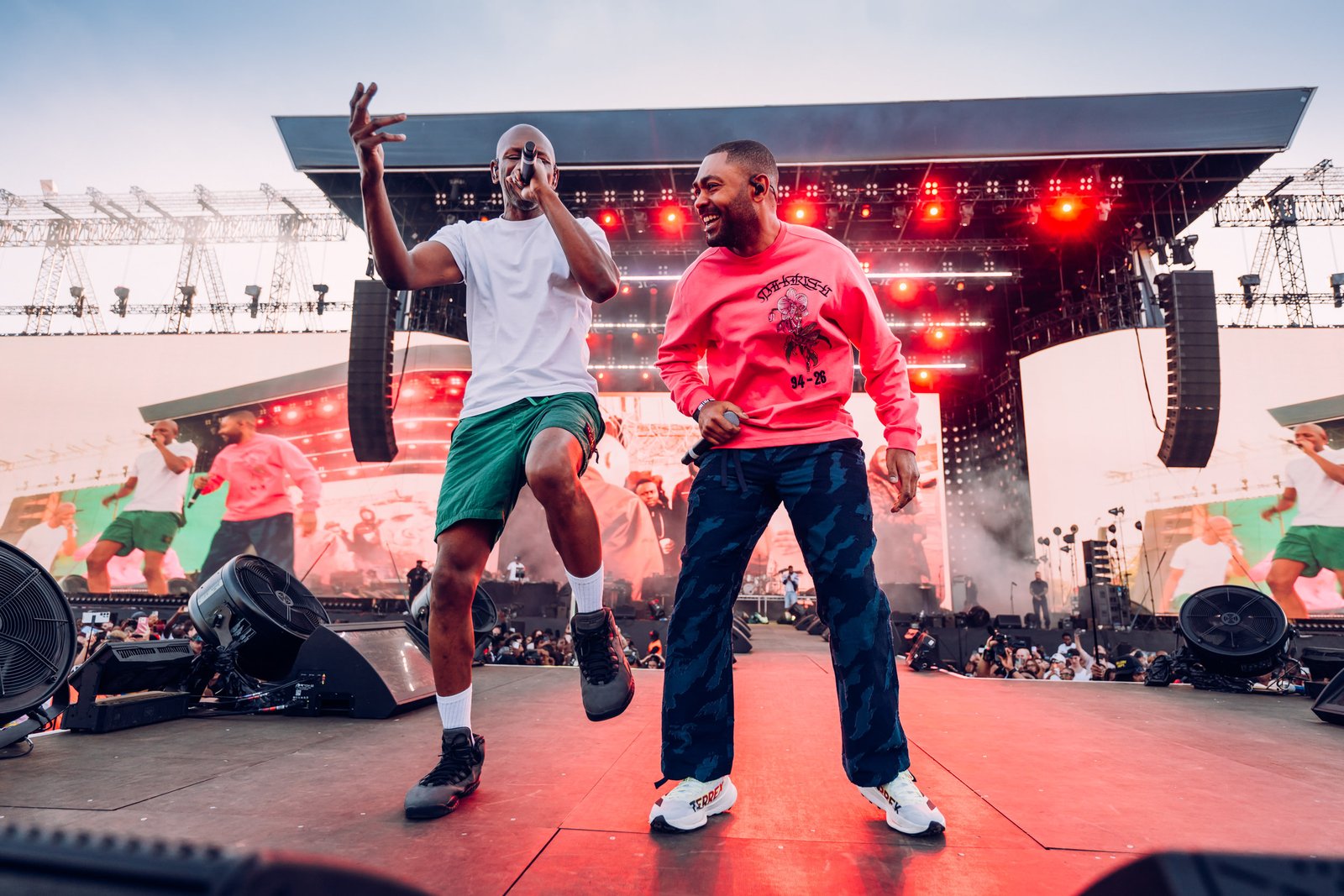
Beyond music, the Diaspora Calling festival featured a marketplace that brought together diaspora-led artists, designers, entrepreneurs, and independent businesses. Nigerian artist and designer Slawn delivered a live painting, bringing contemporary African visual culture into the festival environment.
Hill herself wore pieces from both Denim Tears and Kids of Immigrants, further blurring the boundaries between performance, fashion, and cultural storytelling. A special film program, “Birthing Black Time,” curated by Grammy-winning director Jenn Nkiru with the MOTHERSHIP Research Collective, was also presented at the event.
The selection brought together work connected to filmmakers and artists including Charles Burnett, Mati Diop, Arthur Jafa, Kahlil Joseph, Djibril Diop Mambéty, Sampha, Darol Olu Kae, Olive Nwosu, C.J. “Fiery” Obasi, Saeed Thomas, Anisia Uzeyman, and Saul Williams.
The inclusion of film and visual art was important because Hill’s vision has never been limited to music. Diaspora Calling is a cultural event where music can lead to fashion, film can lead to conversation, and performance can lead to community.
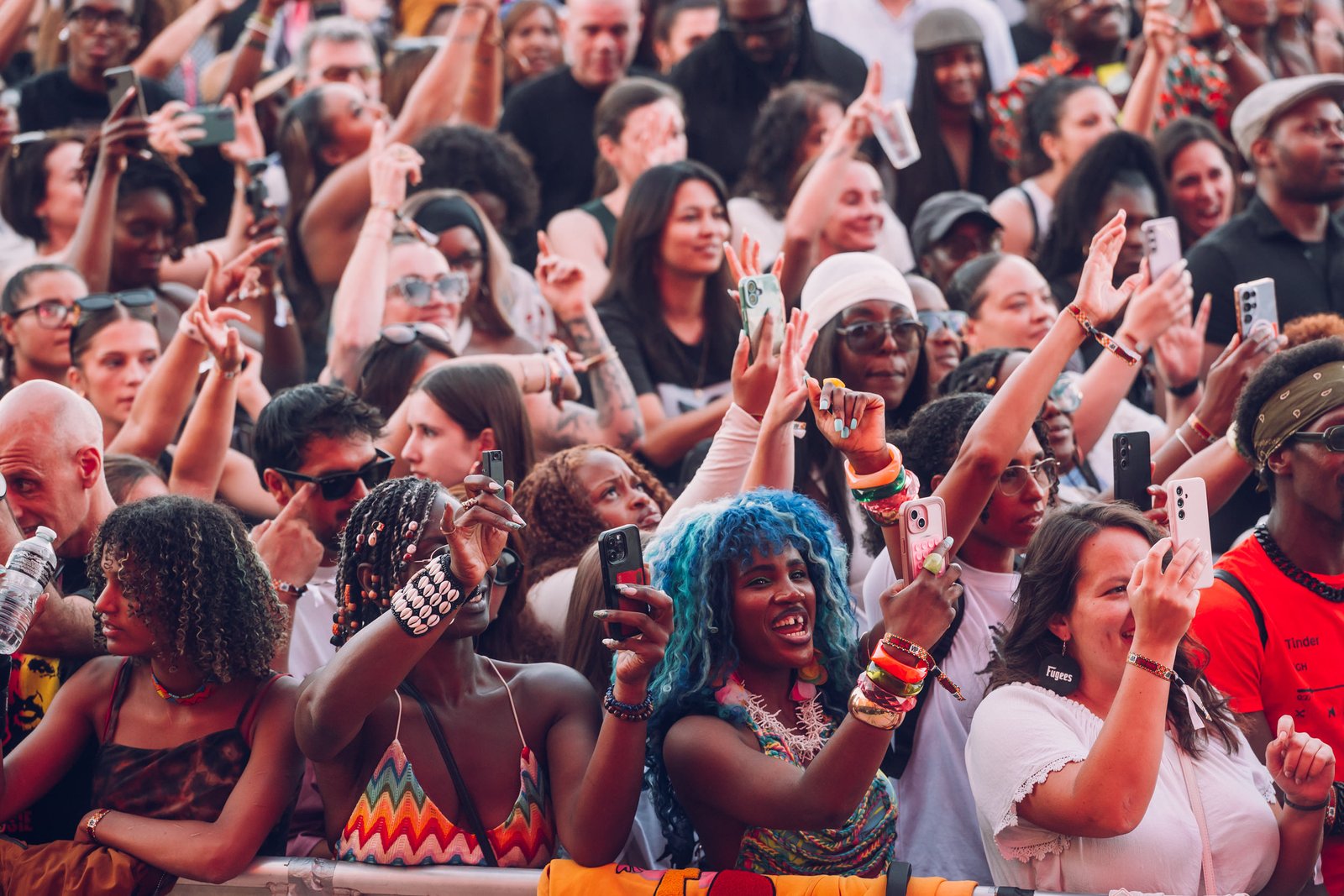
The festival was not structured simply as a celebration of the past; its lineup moved between established legends and artists shaping the present.
The UK Diaspora Calling arrived during a particularly significant period in Lauryn Hill’s career. Earlier this year, she returned to the Grammy stage for the first time since 1999 as part of a tribute to D’Angelo and Roberta Flack. In June, she became the inaugural recipient of Black Entertainment Television (BET)’s Living Legend Icon Award, receiving a cross-generational tribute featuring artists including SZA, Doechii, Nas, Doja Cat, Queen Latifah, Common, and members of her own family.
Yet Diaspora Calling offered a different kind of statement. Instead of asking audiences to look exclusively at Hill’s own legacy, she used that legacy to create room for other stories. At Milton Keynes National Bowl, the past was present without becoming the entire story.
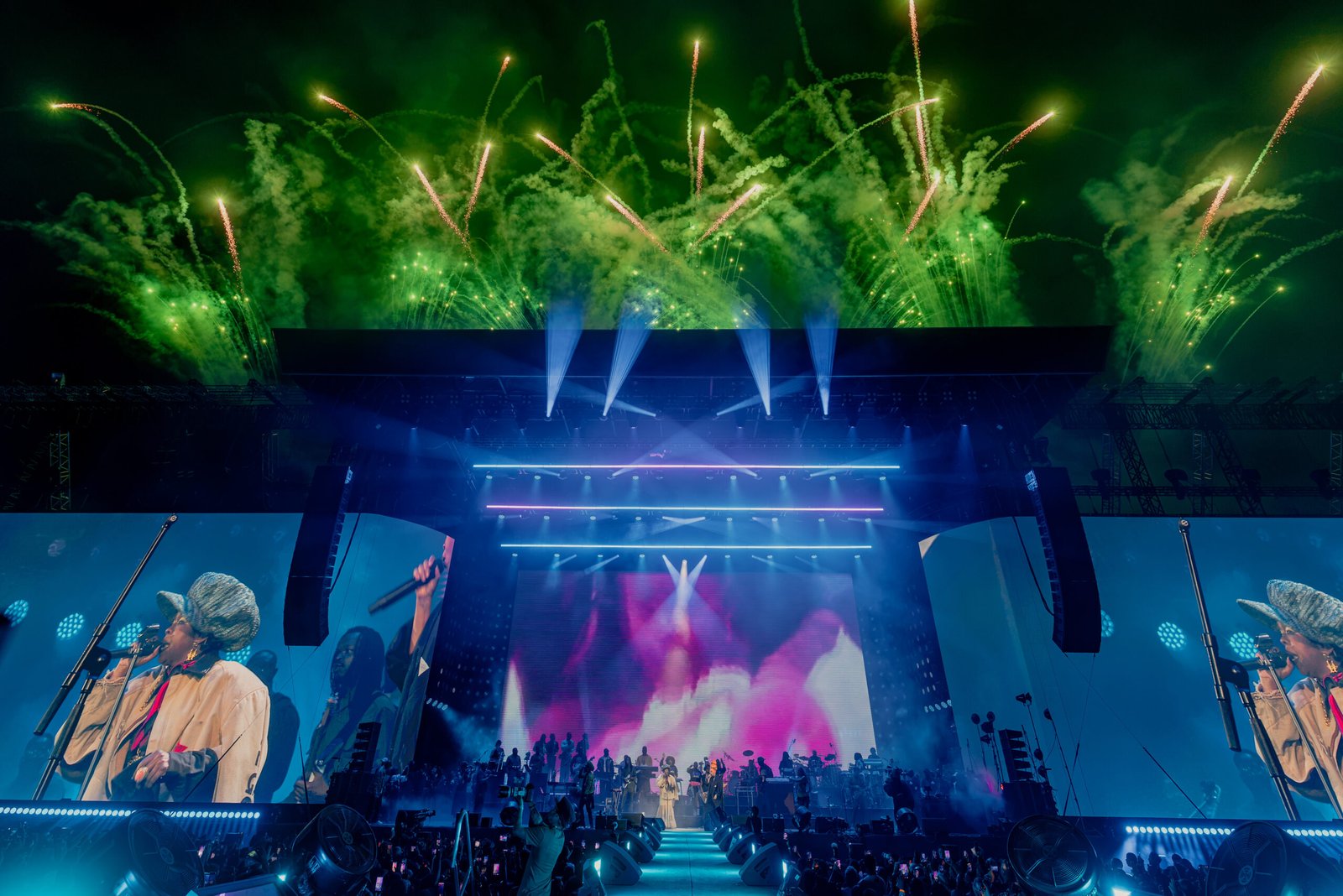
The score was revisited, but so were newer music traditions. Jamaican heritage sat alongside Nigerian pop, and British rap shared a stage with American neo-soul. Fashion and film also occupied the same cultural space as music.
Thousands of people witnessed the festival built around the idea that the African diaspora is not a distant concept or a historical footnote. It is alive, constantly moving and continuously creating. Diaspora Calling is not just a call back to where people came from; it is also a call to recognize where the culture is going.
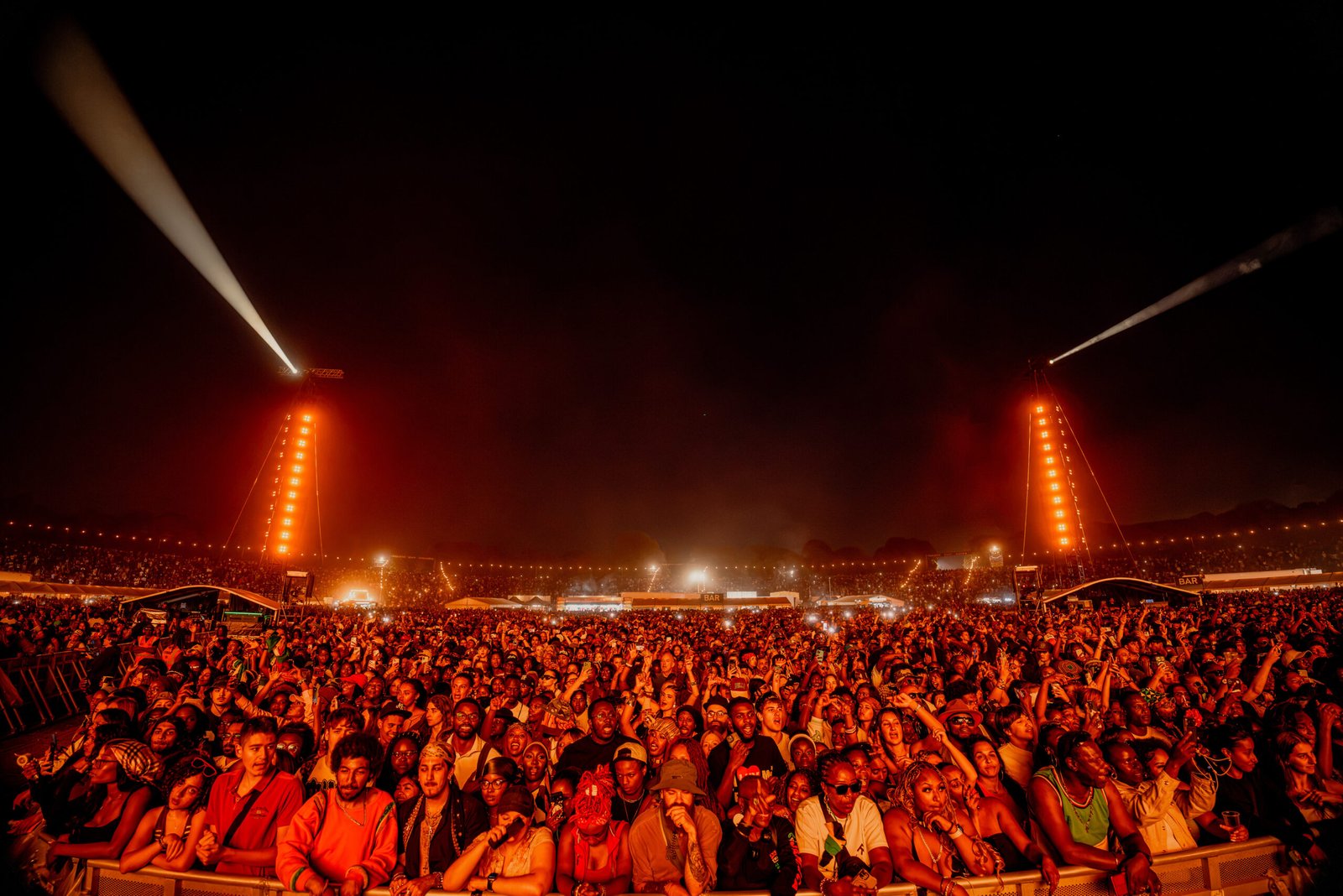
See more photos from the event below: