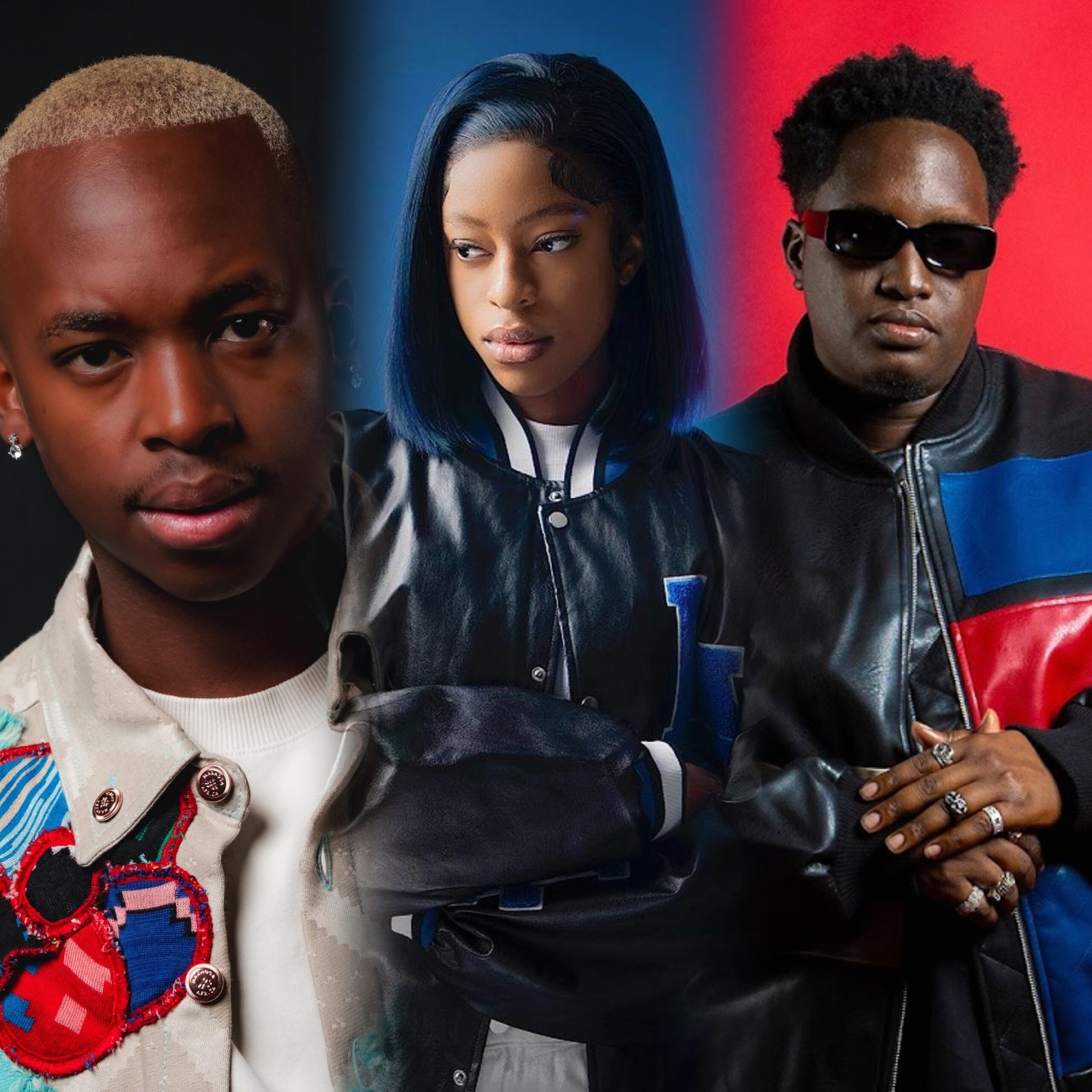
Superstars like Burna Boy, Wizkid, Davido, Tems, Diamond Platnumz, Tyla, and Rema currently shape African music. They have transformed African music from a regional phenomenon into a global force. But history suggests that no era lasts forever.
A decade ago, few could have predicted that a teenager recording songs in Benin City would become one of the most influential artists on the planet. Today, another generation is quietly positioning itself for a similar leap. Some have already tasted viral success; a few are still flying under the radar, while others are building cult audiences.
What connects them is not just talent but timing. They are emerging at a moment when African music is no longer trying to break into the global conversation, as it is already part of it.
These are ten artists who could become the next defining stars of African music.
1. Qing Madi (Nigeria)
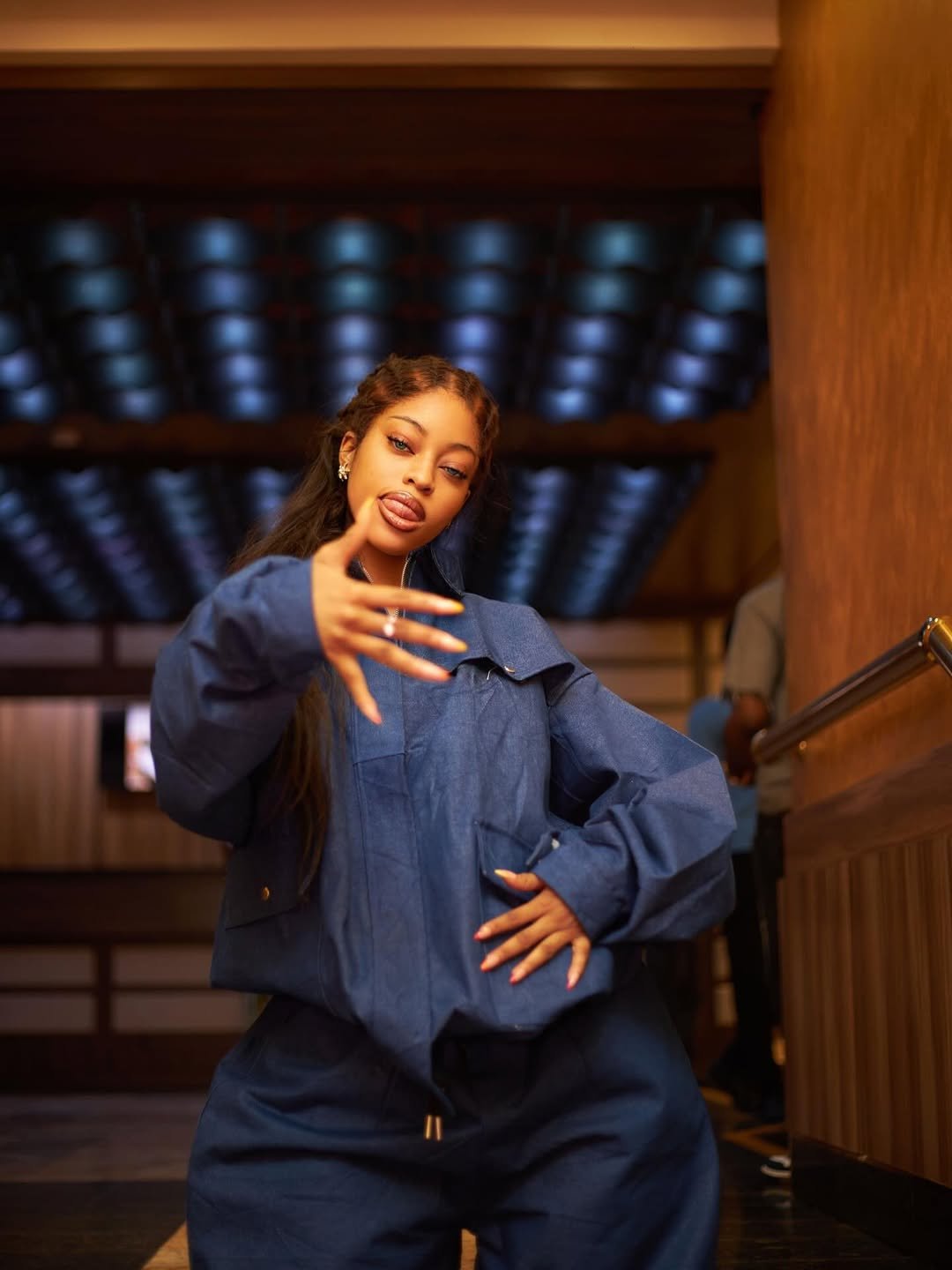
If stardom were purely about potential, Qing Madi would already be one of the continent’s biggest names. The Nigerian singer first gained widespread attention while still in her teens, combining vulnerability, strong songwriting, and a sound that feels both contemporary and timeless. Unlike many artists chasing trends, Qing Madi’s appeal lies in emotional storytelling. Her music sits comfortably between Afrobeats, R&B, soul, and pop without being confined by any of them. The most important thing about Qing Madi isn’t her viral moments; it’s her ability to make listeners feel as if she’s speaking directly to them. In an era dominated by algorithms, that kind of connection remains priceless.
2. Joshua Baraka (Uganda)
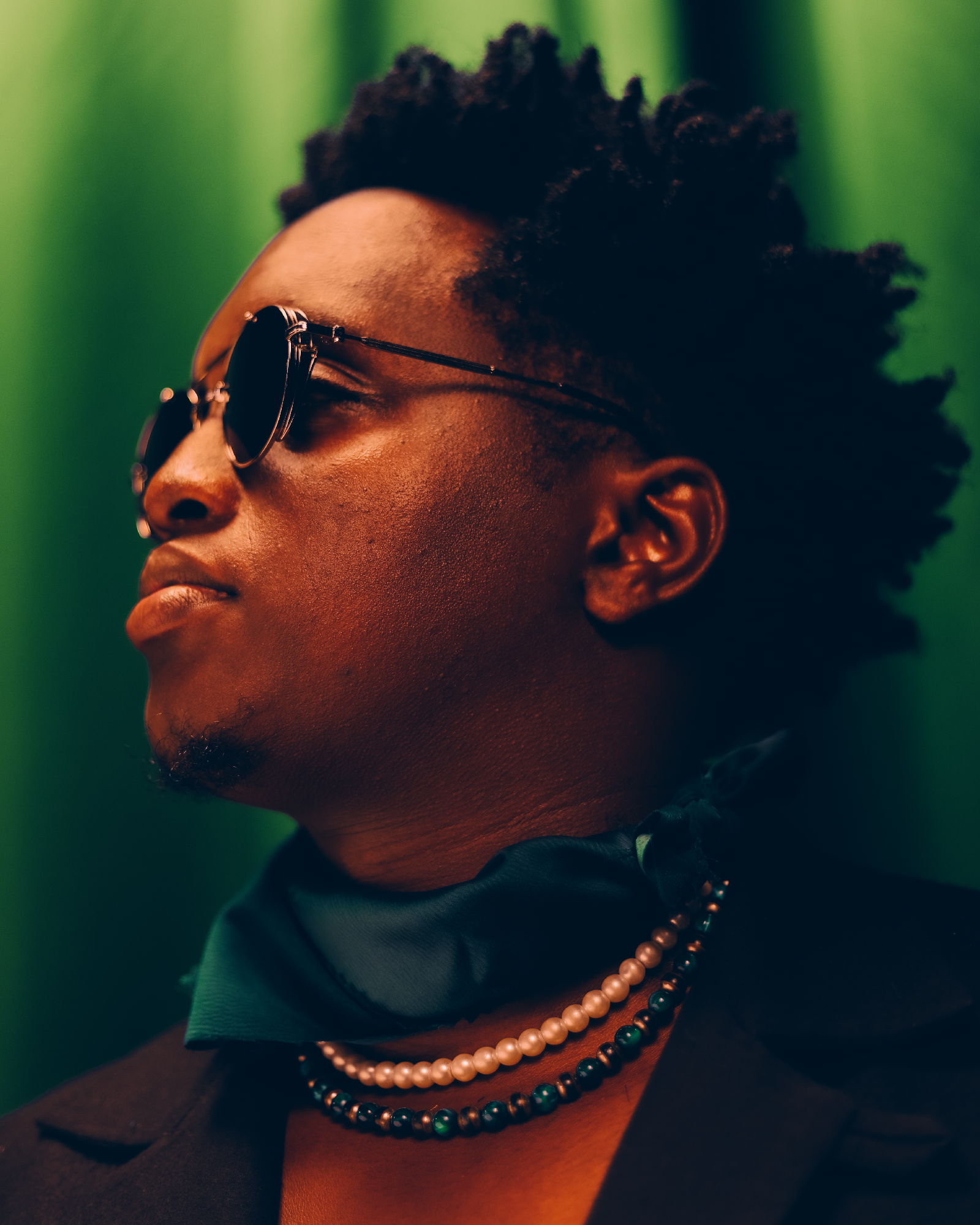
East Africa’s next global breakout star may come from Kampala. Joshua Baraka has steadily built a reputation for crafting melodic, emotionally rich records that travel easily across borders. His music reflects a growing reality within African pop where audiences care less about geography and more about authenticity. What makes Baraka special is his crossover potential. He possesses the vocal ability, songwriting instincts, and genre flexibility that international audiences often gravitate toward.
3. Bloody Civilian (Nigeria)
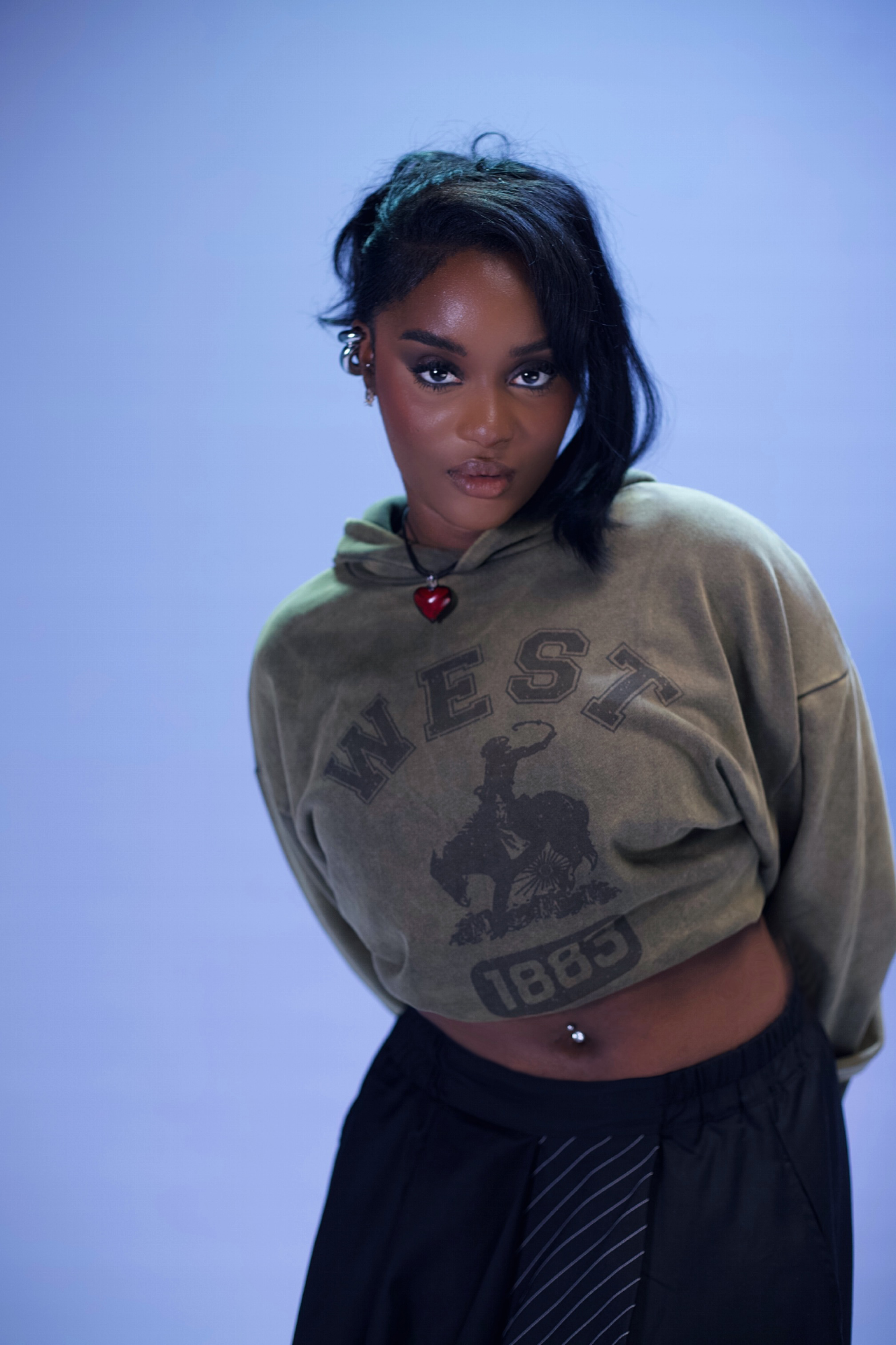
Few young artists are as fearless as Bloody Civilian. She is a producer, songwriter, vocalist, and cultural provocateur who represents a generation of African artists unwilling to fit neatly into industry categories. Her music is bold, experimental, and deeply self-assured. While mainstream success often rewards familiarity, history shows that the most influential artists are usually the ones willing to take risks. Bloody Civilian appears determined to do exactly that.
4. Odumodublvck (Nigeria)
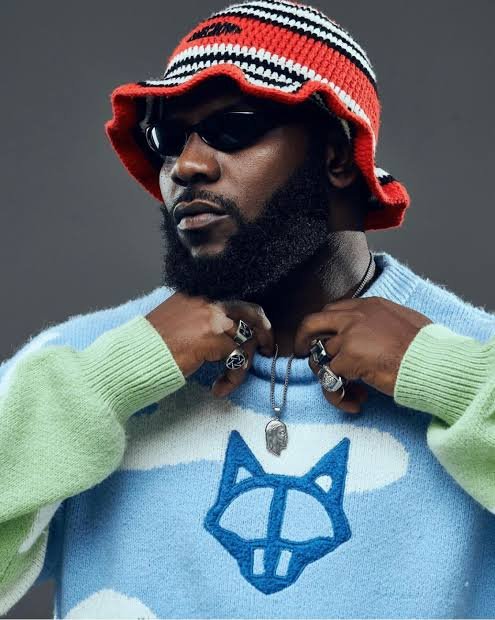
Every generation produces an artist who refuses to obey the rules. Odumodublvck is that artist. His blend of rap, street culture, melody, and raw charisma has made him one of the most compelling figures in contemporary African music. What separates him from many peers is his ability to create records that feel rooted in local realities while still connecting with wider audiences. The best global stars don’t dilute their identity; they amplify it. Odumodublvck understands this very well.
5. Amaarae (Ghana)

Amaarae is already influential. The question is whether the rest of the world has fully caught up. Her genre-fluid approach to music feels aligned with where global pop is heading. She refuses easy categorization, drawing inspiration from Afrobeats, alternative music, R&B, electronic sounds, and pop culture simultaneously. As audiences continue moving away from rigid genre boundaries, artists like Amaarae become even more relevant. The future may finally be catching up with her vision.
6. Ciza (South Africa)
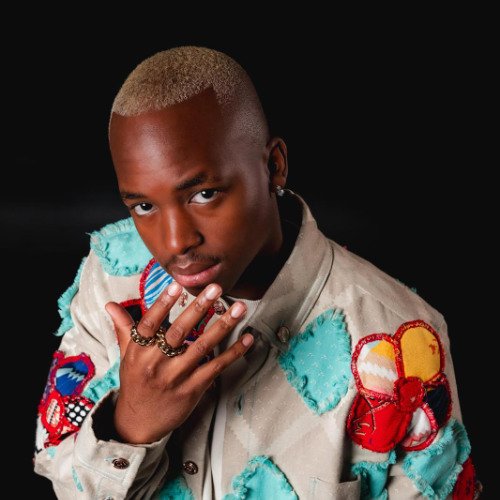
South Africa continues to export some of the continent’s most exciting sounds, and Ciza represents a new chapter in that story. Combining Afropop, Amapiano influences, and youthful energy, he belongs to a generation that sees no contradiction between local identity and global ambition. His music captures the broadening perspective of young African artists. The borders that once separated music markets are disappearing. Artists like Ciza are growing up in a world where global audiences are part of the plan from day one.
7. Reehaa (Nigeria)
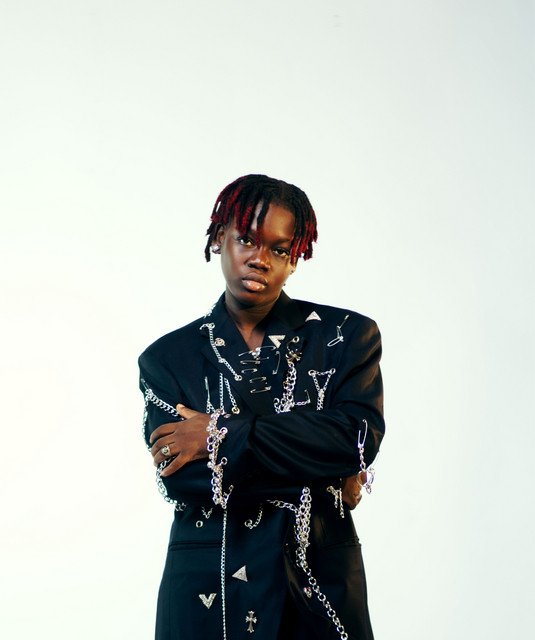
One of the most exciting developments in African music is the rise of artists who prioritize mood, atmosphere, and emotional resonance over obvious commercial purpose. Reehaa is in that category. Her sound feels modern without sounding manufactured. Her songs carry a softness and sincerity that increasingly resonate with younger listeners seeking authenticity in a noisy digital world. She may not be the loudest artist in the room. That could become her greatest advantage.
8. Maglera Doe Boy (South Africa)
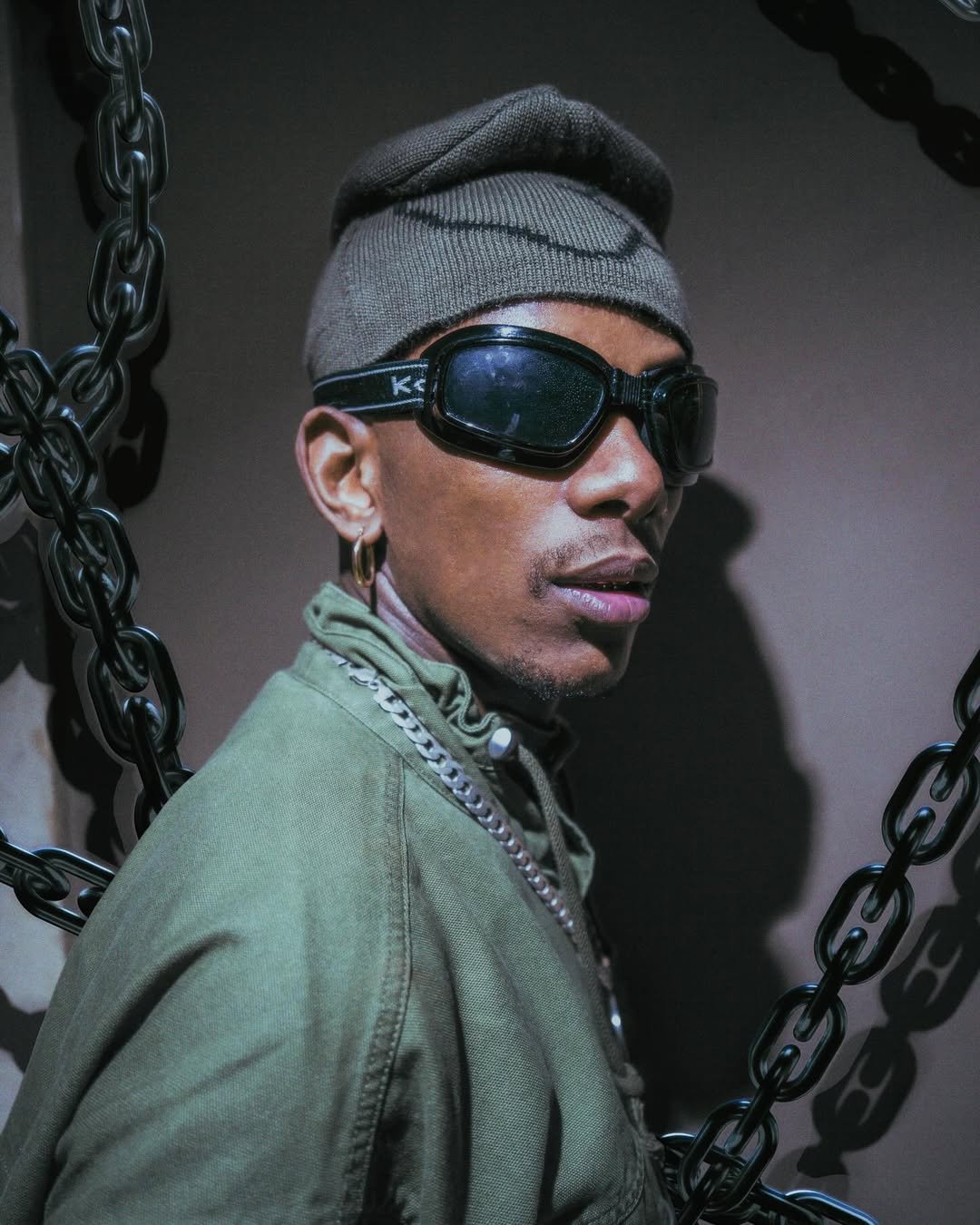
South Africa’s hip-hop scene has produced extraordinary talent, but few artists possess the artistic depth and originality of Maglera Doe Boy. His lyricism, storytelling, and creative ambition position him as more than a rapper. He feels like a cultural architect in the making. Global audiences have become receptive to international rap voices. If that trend continues, Maglera Doe Boy could become one of Africa’s most important exports.
9. Fave (Nigeria)
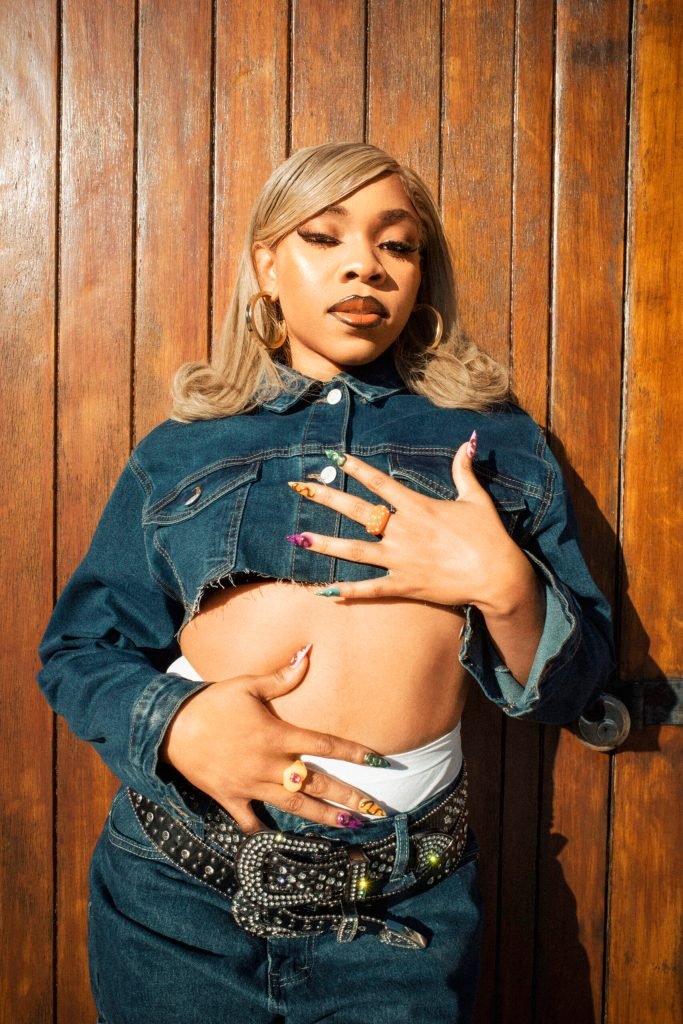
Fave has spent the last few years doing something rare in modern music. Without relying heavily on controversy or viral gimmicks, she has built a reputation for consistency, songwriting, and vocal excellence. Her appeal extends beyond any single trend cycle. She has the ingredients to become one of the defining voices of her generation. That matters because careers are not built on moments but longevity.
10. tg.blk (Kenya)
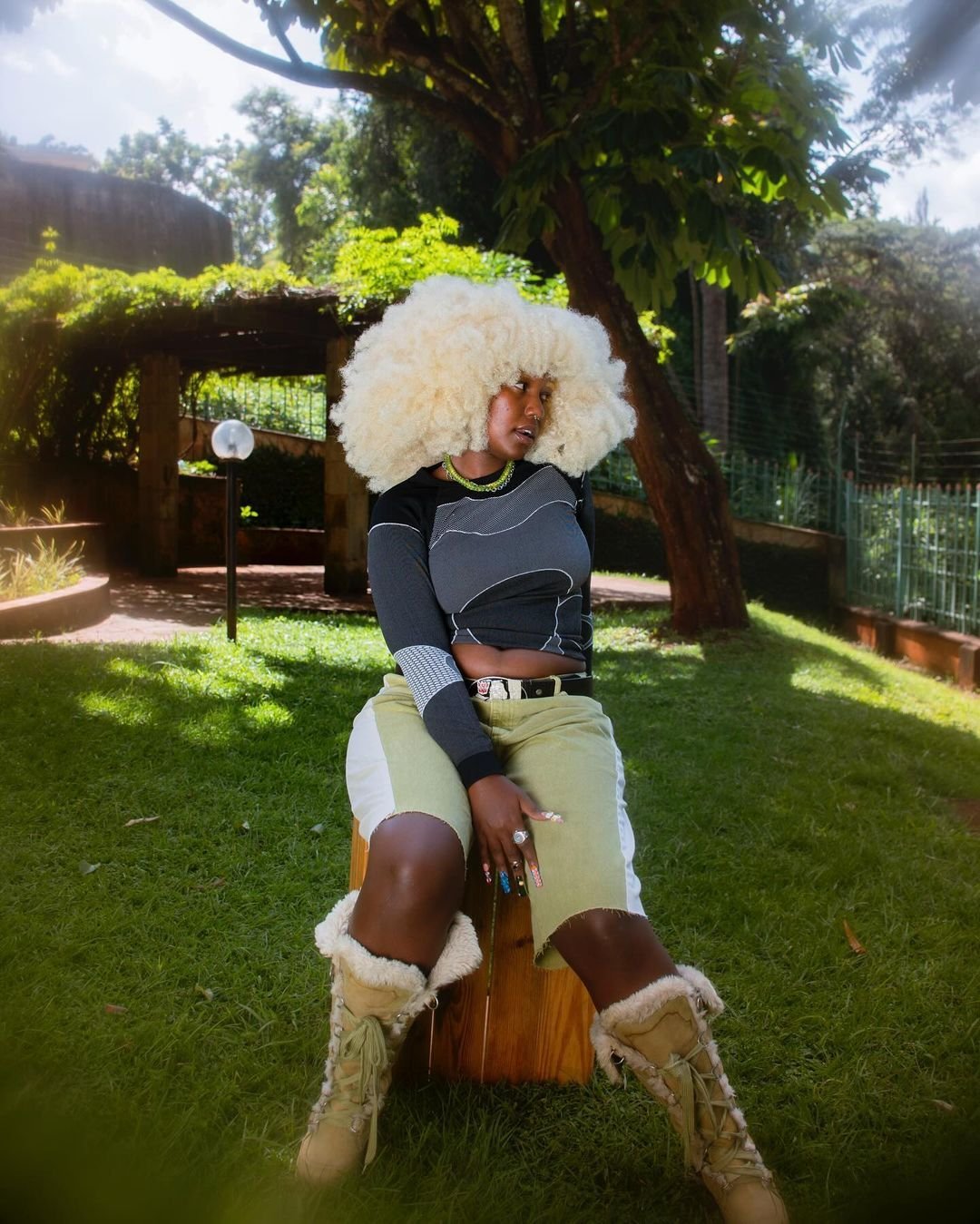
tg.blk is an alternative hip-hop artist and rapper from Mombasa, Kenya. She’s known for her daring and adventurous sound, which mixes hip-hop with touches of soul, psychedelia, and experimental rhythms. As part of East Africa’s growing alternative music scene, she’s among the innovative artists changing how people see African music. Her style reflects a wider movement across the continent, where younger musicians are breaking free from traditional genre rules and making music their own way.
The Next Era Is Already Here
One of the biggest myths about rising stars is that they just appear out of nowhere. The truth is, they don’t. Long before the stadium tours and platinum records, the signs are already visible. The fanbase starts to grow, the music begins to spread, and their influence quietly expands.
Africa’s current superstars have set the bar incredibly high, turning the continent into a global cultural powerhouse. But every era creates room for the next one. Whether these ten artists will become the next Burna Boy, Tems, or Wizkid is impossible to predict.
What’s certain is that the future of African music won’t be defined by a single artist, country, or genre. It will belong to the generation that is already rewriting the rules, and if history has taught us anything, the world’s next obsession is likely already on this list.