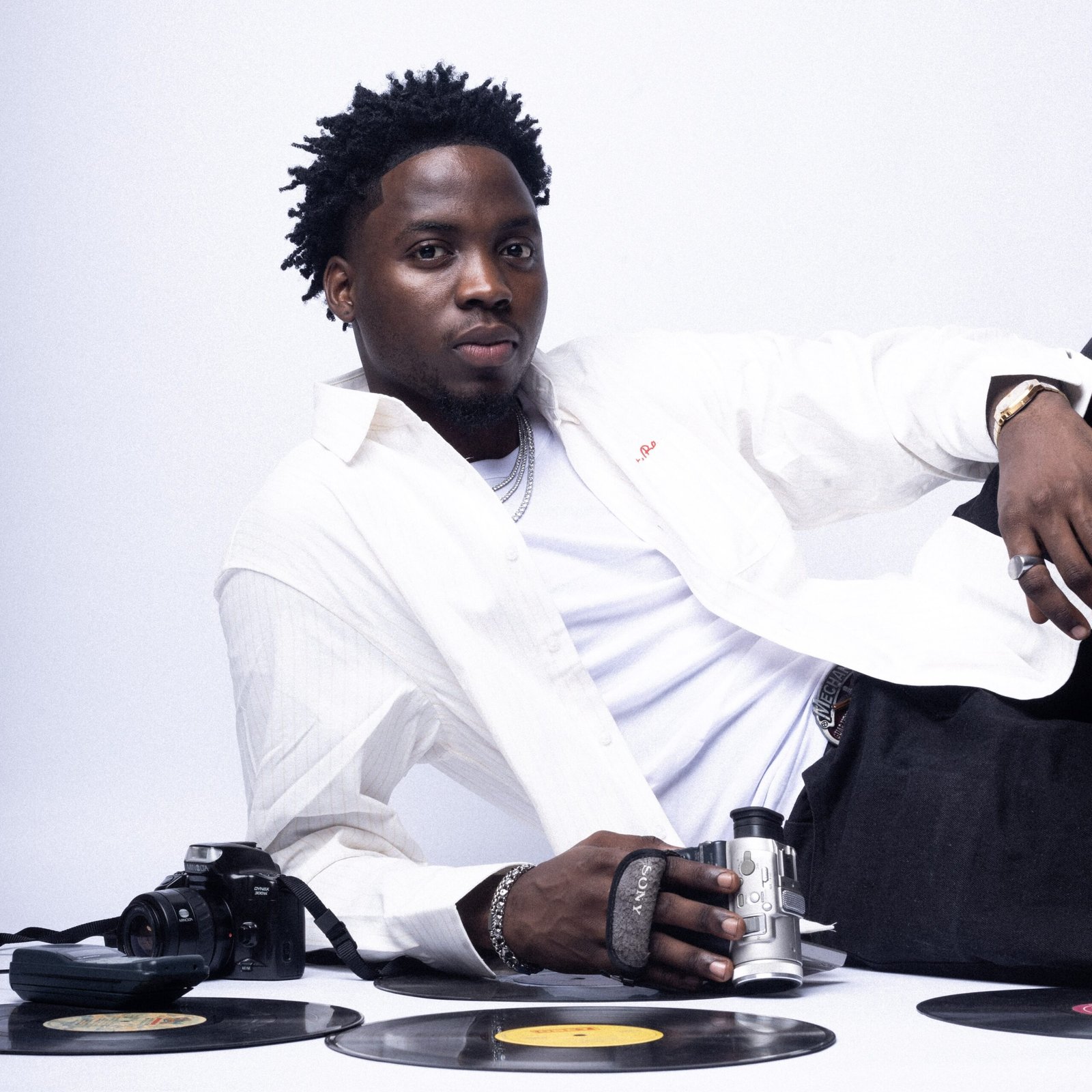
Our interview with Kunmie made us realise one thing about him: he is an artist who won’t let anyone else define his future. At 16, the Lagos-born singer, songwriter, and producer made a decision that changed the direction of his life. He left home to pursue music.
There was no guarantee that music would work out, but he believed in a future that only he could see at the time. Today, that belief has taken him further than anyone could have predicted. His 2025 breakout single “Arike” spent five weeks at No. 1 on the Official Nigeria Top 100, reached the Official UK Afrobeats Chart Top 5 and charted in more than 20 countries.
Now, as the singer releases his much-anticipated debut album 22 via ONErpm, he is looking beyond the numbers and deeper into the experiences that shaped him. Named after the year he says he truly understood the kind of artist he was meant to become, 22 is a deeply personal album about freedom, survival, self-belief, love, vulnerability and faith.
The 13-track album reveals more than the singer audiences discovered through “Arike”; it reveals the person, the thinker and the creative mind behind the music. It also confronts the pressures that followed his rapid rise and gives voice to questions about identity and purpose.
Ahead of the release of 22, Kunmie spoke with Rolling Stone Africa about the journey behind the album from the moment he left home at 16 and the prophecy that kept him pursuing music, to the success of “Arike”, his relationship with faith, the freedom that comes with creative control, and what he hopes listeners discover about themselves after listening to 22.
OUR EXCLUSIVE INTERVIEW WITH KUNMIE
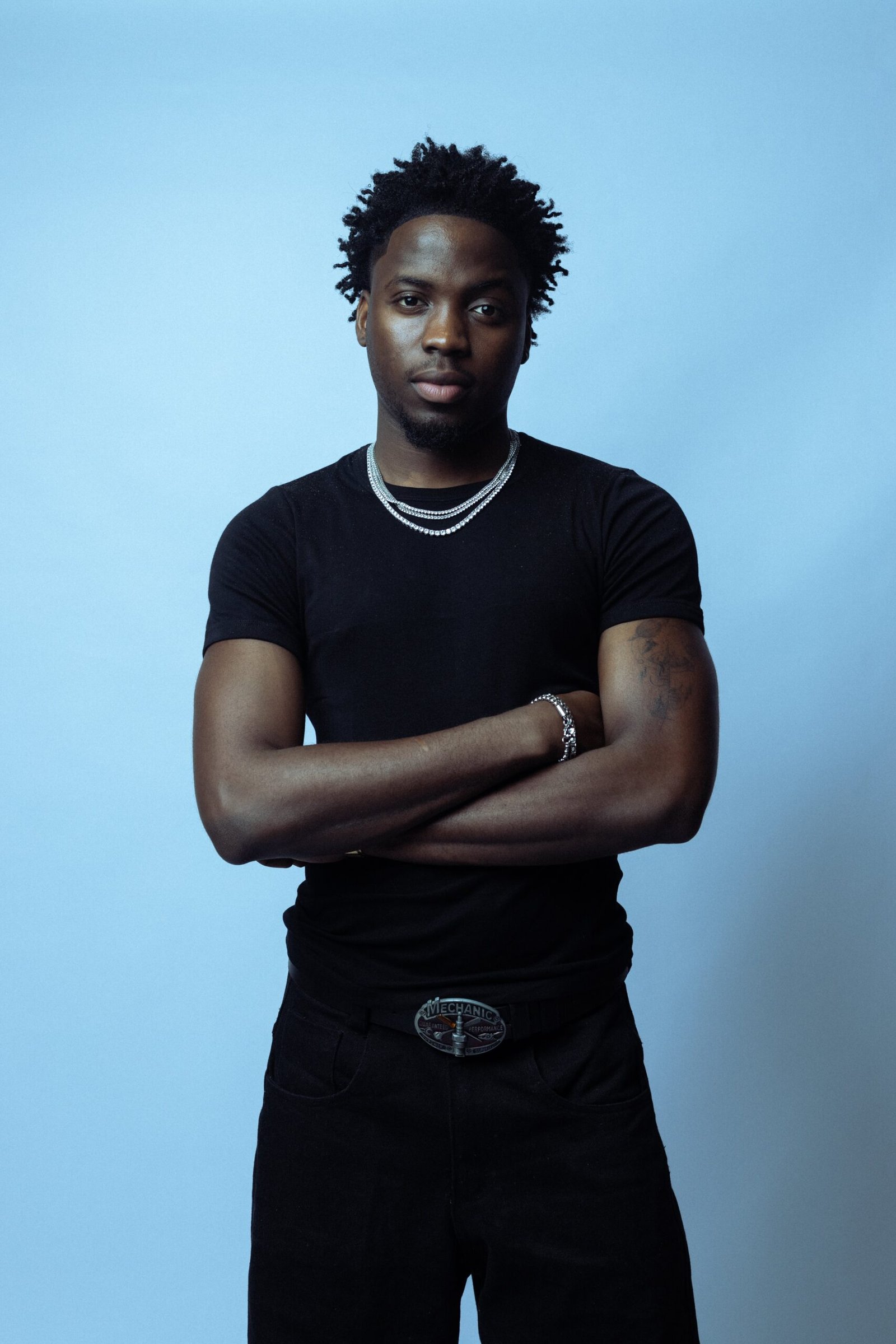
You left home at 16 to pursue your dreams. That’s an incredibly young age to make a decision that could fundamentally change the direction of your life. What do you remember about the moment you decided you had to leave, and what were you running toward or perhaps running away from?
I won’t say I was running away from anything—I was running towards something. I was running towards purpose and destiny. I just knew that nobody believed in what I saw except me, and I had to remind myself every day that I wasn’t the crazy one.
Some people would call it delusion, others would call it confidence, but to me it wasn’t either of those things. It felt more like a prophecy. I was very sure then, and I’m still very sure now, about where I’m going and the levels I believe I’ll reach. If someone can’t see that today, I don’t think I’m the crazy one. I simply chose to put my money where my mouth was and chase what I believed in.
Looking back at the 16-year-old Kunmie from where you are now, what do you think he understood about himself that the people around him didn’t?
I’ll probably say this for only the second time.
My confidence didn’t come from believing I had the best voice or that I was the most skilled artist. It came from a personal prophecy I received in 2019.
I was in the market with a friend when a man stopped me, told me parts of my life story, and spoke about where music would take me. I’m not someone who easily believes those kinds of things, but I believed what he told me.
Whenever I doubted myself or questioned whether I should continue making music, I always went back to that moment. As I studied the Bible and other historical books, I realised that prophecies are often spoken long before they come to pass. There’s usually a journey between the promise and its fulfilment.
That understanding kept me going. If it had only been my own decision, I might have given up at some point. But every time I felt like walking away from music, that prophecy reignited something in me.
There’s a recurring tension throughout 22 between freedom and escape. You are described as someone who would rather risk losing everything than live a life mapped out by someone else. Where do you think that instinct comes from?
I honestly don’t know. I think it’s just who I am. I’ve always been willing to risk everything. I’ll always put my last card on what I believe in.
If I had to trace it back to anyone, I’d probably say my dad. Growing up, I watched him put everything he had into what he believed in—whether it was giving generously or investing in the best equipment he could afford at the time. I’d say he has had a huge influence on the way I make decisions, especially when it comes to my career.
Has becoming successful made you feel more free, or has success created a different kind of confinement with expectations, public scrutiny and the pressure to remain the person people discovered through “Arike”?
The pressure is definitely there, but I’ve gotten used to it. To be honest, I actually feel freer. When I really think about it, I believe success creates more freedom than confinement because it gives you more resources to express your ideas the way you’ve always wanted to.
For example, if I want to make a song now, I can work with three producers instead of being limited to one. Before, you had to figure everything out with the resources you had. Now there are more possibilities. So, for me, success has brought more freedom than restriction.
Why was 22 the right title for your debut album? What does that number represent to you beyond your age or a particular moment in your life?
I called it 22 because that’s the year I caught the vision for the kind of artist I wanted to be. 2019 was the year I knew I was supposed to make music, but 2022 was when I truly understood the kind of music I was meant to make.
That was when I understood what Afrobeats meant to us as a country and what it could mean to the rest of the world. I wanted to bring soul and storytelling into my own interpretation of it. That’s what this album represents.
The title track feels like the emotional centre of the album, because you’re revisiting memories you had spent years avoiding. What did making “22” force you to confront about yourself?
Looking back, I realised how difficult some of the songs on the album were to make. More than anything, I had to confront the challenge of finishing them instead of leaving them as ideas. It took a lot of persistence and a willingness to see them through, regardless of how I felt at the time. Not every song feels easy while you’re making it, but I knew I had to finish telling those stories.
“Laye Mi” goes directly back to the experience of leaving home at 16. Why did you feel that story had to be told on this album, and was it difficult to turn such a personal chapter of your life into a song?
It actually wasn’t difficult. I wrote Laye Mi in the car while I was stuck in traffic, and I wrote it for myself. More importantly, I wrote it from a happy place, not a sad one.
The beat had originally been played for another artist during a session, but they didn’t like it. I asked for the beat instead, and after a few touches were made to it, it was sent to me while I was in the car.
As soon as I heard it, I freestyled Laye Mi.
When I finished the song, I sent it to my best friend, and he loved it. I even encouraged him to tell his own story as well. For me, the song is really about looking back with gratitude.
“Pressure” came after the success of “Arike” and deals with criticism, accusations, industry noise and losing contact with people who once guided you. Did the success of “Arike” change your relationship with people around you?
No, it didn’t. The success of Arike never changed my relationship with the people I love. I still have the same people around me, and I haven’t really made a lot of new friends. Most of the people in my life today are the same people I’ve been close to since day one.
So much of your music is built around vulnerability. Is writing about love and emotional uncertainty easier for you than talking about those things in real life?
Definitely. It’s much easier for me to say certain things in a song than it is to say them in person. If I wanted to express something difficult—even if I wanted to insult someone—I probably wouldn’t say it to their face. I’d rather say it in a song. That’s just how I naturally express myself.
“Confession” captures the painful reality of being emotionally caught between a current relationship and a former love interest. Was that song difficult to write because of how honest it is?
No, it wasn’t difficult to write. I wrote Confession with G4ZI. We were together that day, I picked up my guitar, and we just started writing. I don’t remember it being a difficult process because it came from a place of truth. I was simply writing about what had happened.
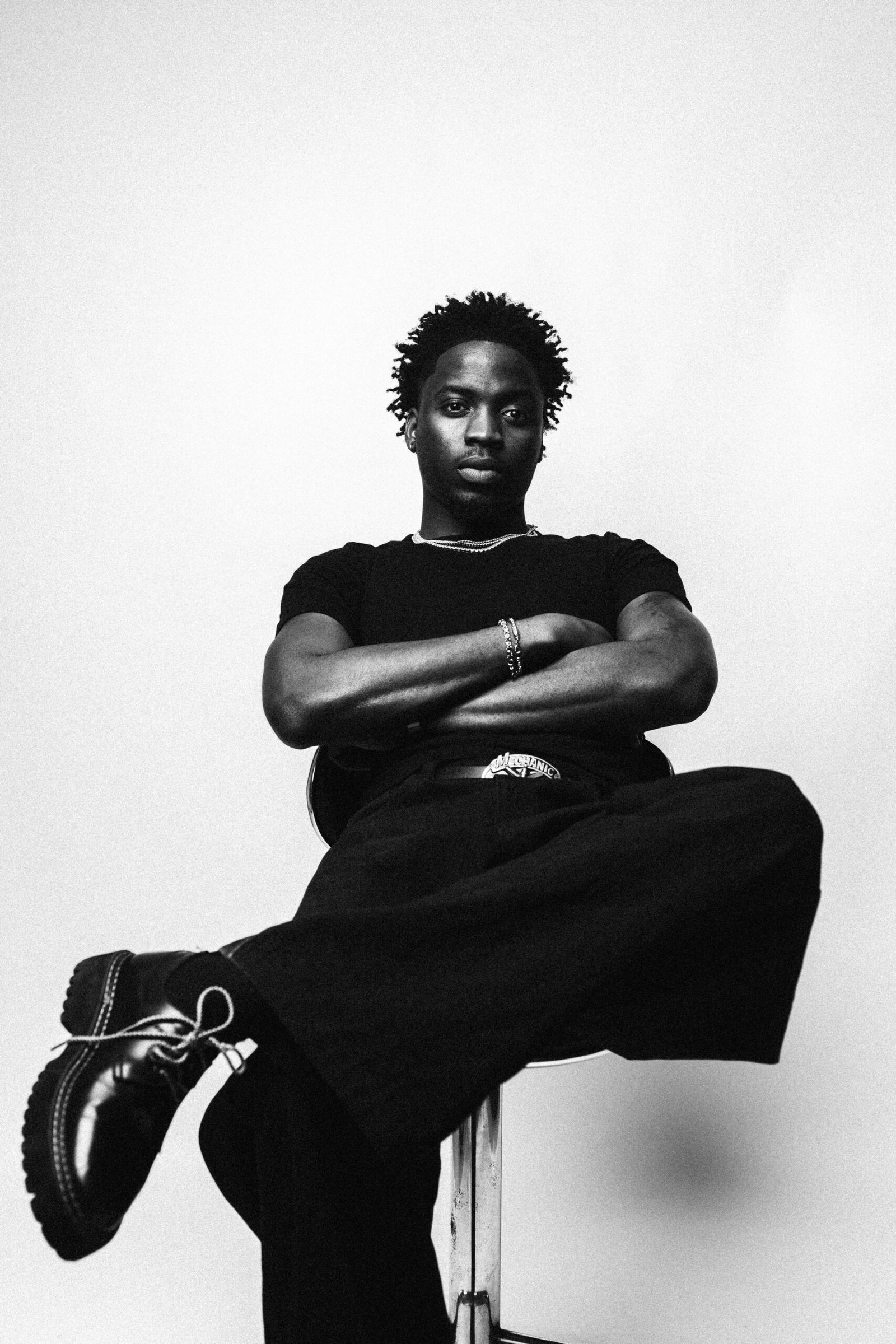
There’s a strong spiritual thread running through 22, particularly on “Calvary” and “Answer Me.” You’ve described “Calvary” as coming from one of the darkest periods of your life and a desire to have a direct conversation with God. What questions were you carrying into that conversation?
That’s a difficult question. I’d say they were the kinds of questions every human being asks, but doesn’t always have the confidence to say out loud.
Questions like, “Am I enough?” or “If You really love me, why do I still have to feel this pain?”
They’re questions people often carry silently. I just chose to say them out loud through my music.
Has your relationship with faith changed as your life has changed? And do you think becoming successful has made you more certain about what you believe, or raised even more questions?
My faith is still very much intact. What has changed is that it’s tested more than before. This stage of life comes with more temptations and more situations that can make you feel like you have an excuse not to do the right thing. But you still have to choose to do what’s right. So my faith hasn’t changed—it’s simply been tested a lot more.
You’ve spent much of your life relying on yourself and trusting your own instincts, yet the album also speaks about surrender, faith and divine guidance. How do you reconcile self-reliance with the idea of surrendering control?
That’s a really good question. When I say I trusted my instincts, I don’t mean I relied purely on my own understanding.
One of the Bible verses I hold onto is, “Do not lean on your own understanding.” Our perspectives change, our experiences shape the way we think, and because of that, I don’t believe I should rely only on what I think I know.
Instead, I try to rely on what I believe God would have me do. I always try to look at the bigger picture and trust that I’m being led in the right direction. At the end of the day, that’s what guides my decisions.
“Arike” spent five weeks at No. 1 on the Official Nigeria Top 100, entered charts across more than 20 countries and reached the UK Afrobeats Top 5. When you were making that song, did you ever think that it could change your life so dramatically?
Yes, I did believe the song was special..While we were making it, I knew it had a lot of potential. Even before it was released, the songs I was creating during that period made people start seeing me differently. I earned a lot more respect, even within my own circle, because people could hear that something had changed in my music. So, yes, I believed Arike was a great song. I knew it had the potential to make an impact.
Going from writing and producing music to suddenly having hundreds of millions of people listening to your work is a huge shift. What has been the most difficult part of navigating that transition that people don’t see?
To be honest, I don’t really look at it as something that’s been difficult. When you’ve wanted something for so long, you’ve already spent years preparing yourself mentally for it. So when it finally happens, you understand that challenges are simply part of the journey.
For me, anything that feels challenging usually comes down to structure. Once the right structure is in place, a lot of things become much easier to navigate. So I wouldn’t call it difficult. I’d say it’s been about constantly figuring out better systems and improving every day.
You came into the mainstream with a very intimate, emotionally vulnerable sound. Now that there is an audience and an industry expecting something from you, how do you protect the freedom that made you want to become an artist in the first place?
Whenever I feel that pressure, I go back to the projects that inspired me when I was still just a songwriter. I also speak to the people I respect and trust because they understand where I’m coming from.
More than anything, I remind myself why I wanted to become an artist in the first place. All I’ve ever wanted is to make music that resonates with people and to give them unforgettable experiences through my performances.
My dream has never been to be the most popular artist. If those things come, that’s fine, but they’ve never been the goal. My goal has always been to make great music and give people the best experience I possibly can. That’s enough for me.
You’re not only a singer and songwriter but also a producer. How important is having that level of creative control to the way Kunmie makes music?
Creative control is very important to me because I have a lot of ideas, and I always want to be able to trust my instincts. Some of the songs people already think are experimental aren’t even as far as the ideas I still have in my head. There are things I want to try that I haven’t been able to execute yet because of resources.
I still have dreams of creating music in completely different ways, and I want the freedom to explore those ideas. I’ve also never really seen myself depending on other people to write songs for me because I trust my own creative process. I always remind myself to trust the ideas that come naturally to me.
Looking ahead, I just hope I have even more resources, better health, and more peace when I’m making my next album, because I made this one under a lot of stress.
Your music draws from Afrobeats, R&B, soul, pop and even country influences, but the emotional thread remains consistent. Are you consciously trying to build a sound that exists outside traditional genre boundaries?
Yes. I always tell people that once you’ve truly found your sound, it stays with you no matter what genre you’re making. Whether I make Afrobeats, R&B, country, trap, or even a club record, you’ll still hear my sound because I’ve spent years developing it.
More than anything, I’ve mastered the art of making emotional music and tapping into emotion. So even if I make a club record, it’s still going to carry that emotional core because that’s who I am as an artist.
If Before We Became Strangers introduced listeners to Kunmie the artist, what does 22 reveal about Kunmie the person that they didn’t know before?
I think 22 shows people more of Kunmie the person, but I also want them to know me as Kunmie the genius. Not just in the sense of making music, but in the way I think, the way I approach music, and the way I put things together. I’ve spent years experimenting, learning about myself, understanding what makes me special, and figuring out how to express all of that through music.
With 22, you get to see more of the person behind those ideas—the experiences that shaped me, the things I question, my relationship with faith, and the way I see life. But at the same time, I think you also see how much thought goes into the music. I want people to listen to 22 and understand that there’s a lot more to me than just being an artist who makes emotional music. I want them to see the mind behind it.
Finally, when someone finishes listening to 22 for the first time, what do you hope they understand about you and perhaps about themselves that they didn’t understand before pressing play?
I hope they understand that they’re not alone in the things they feel. A lot of the questions, doubts, fears, and emotions on this album are things people carry quietly. I just chose to say them out loud through my music.
As for me, I hope they leave understanding that everything on this album comes from a real place. These aren’t just songs—they’re experiences, conversations, and moments that shaped who I am.
If someone finishes listening to 22 feeling understood, or feeling like they can better understand themselves, then I think the album has done what it was meant to do.
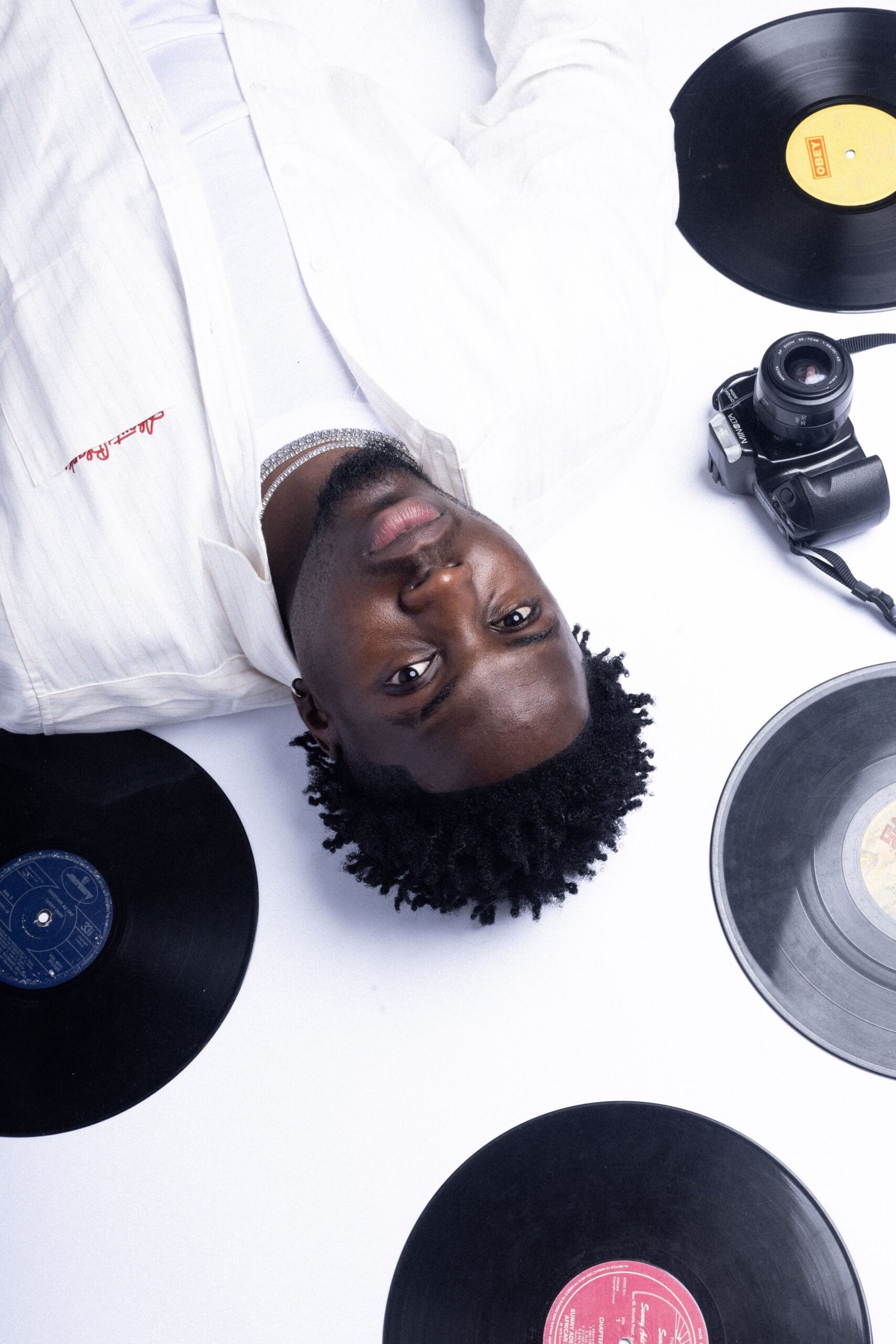
‘22’ ALBUM TRACKLIST
1. 5AM (featuring Phyno)
2. Tonight
3. Confession
4. Gorgeous (featuring Lojay)
5. 22
6. Unfiltered (featuring Wizard Chan)
7. Pressure (featuring Zlatan)
8. Laye Mi (featuring G4ZI)
9. Answer Me
10. Prisoner
11. Solace (Remix) (featuring Joeboy)
12. Abeg O
13. Calvary
Listen to 22 HERE