Awards have long been treated as the ultimate symbol of success in music. From televised ceremonies to social media debates, trophies are often used to measure influence, relevance, and greatness. But across African music history, some of the continent’s most culturally important artists built movements, shaped trends, and influenced entire generations without consistently dominating major award platforms.
In many cases, their impact extended far beyond plaques and acceptance speeches. They changed how African music sounded. They influenced fashion, slang, dance culture, internet behavior, and youth identity. They built loyal fan communities, inspired younger artists, and helped shape the direction of pop culture itself even when major institutions failed to fully recognize their influence.
When Influence Becomes Bigger Than Awards
Awards often reward visibility, commercial momentum, and industry politics within a specific moment. But cultural influence works differently. It grows over time, spreads organically, and often becomes visible only in hindsight.
Some artists create sounds that entire generations imitate. Others introduce aesthetics that redefine what being an African pop star looks like. Some shift the energy of nightlife and street culture without becoming awards-season favorites. Their impact cannot always be measured by trophies because it exists in everyday culture.
Artists Who Didn’t Win Major Awards Like Grammy or BET
For many artists around the world, the Grammy Awards remain one of the highest forms of industry recognition. Winning one is often treated as proof of artistic excellence and global relevance. But awards do not always tell the full story. Some of Africa’s most culturally influential artists have shaped music, fashion, nightlife, internet culture, and youth identity without ever winning a Grammy or BET award. Yet their impact on African pop culture is undeniable. These are artists whose influence exists beyond trophies.
Olamide
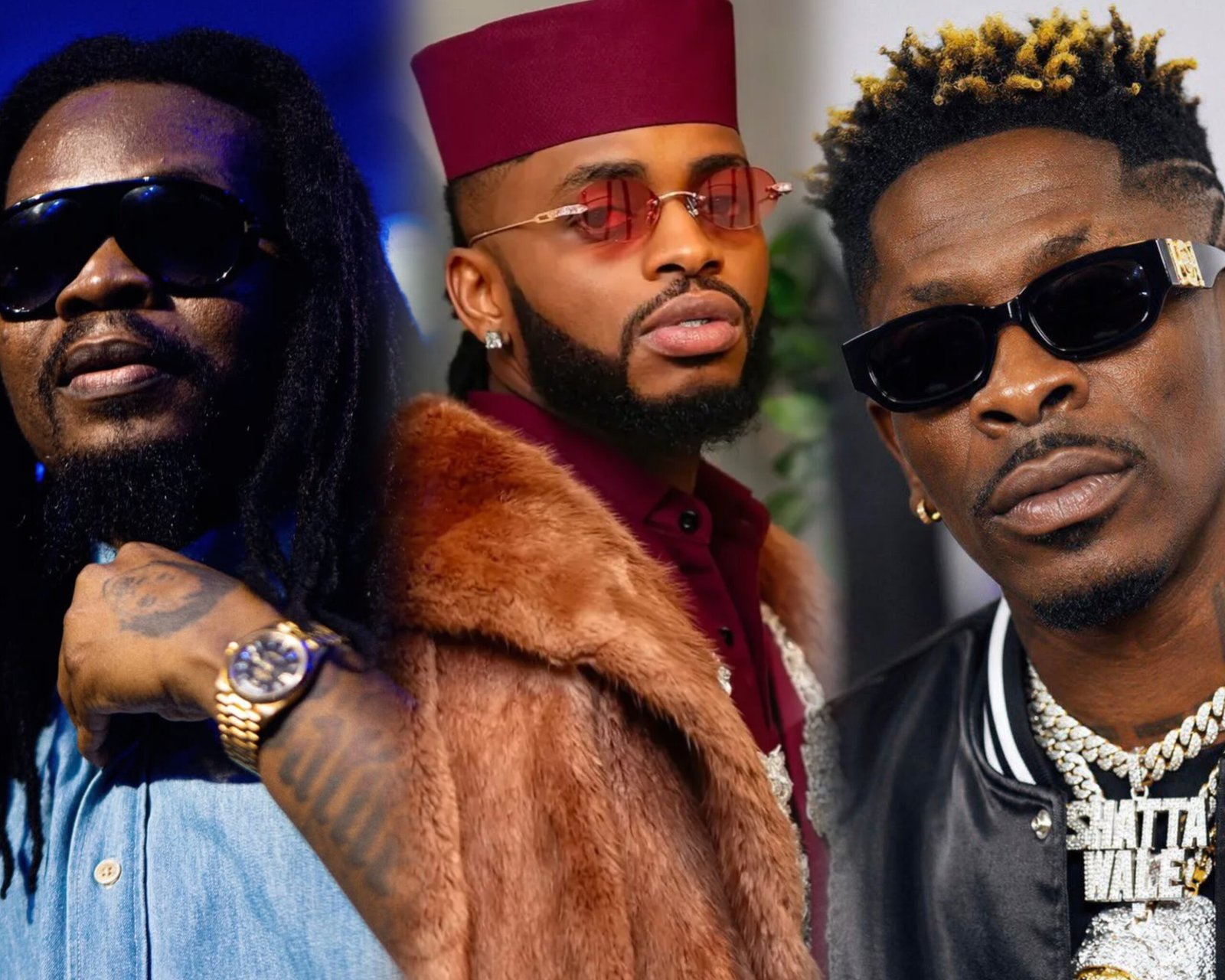
Olamide helped redefine modern Nigerian street culture through music. By bringing Yoruba rap, street slang, and local storytelling into mainstream Afrobeats at a massive scale, he became one of the most influential cultural figures in contemporary Nigerian music without ever winning a Grammy. Through YBNL Nation, he also helped launch artists like Asake and Fireboy DML, extending his influence into an entirely new generation of African music.
DJ Maphorisa
As one of the most important figures behind the rise of Amapiano, DJ Maphorisa helped shape one of Africa’s most globally influential genres. While producers and DJs are not always centered in mainstream award culture the same way singers are, Maphorisa’s influence on African nightlife, dance culture, and modern production trends has been enormous. His collaborations, sonic direction, and role in shaping the Amapiano sound transformed South African music into a global dance movement.
Fally Ipupa
Fally Ipupa’s influence stretches beyond music into fashion, stagecraft, and Francophone African pop culture. Known for blending Congolese rumba with modern pop influences, he became one of Central Africa’s most influential entertainers without always receiving the same level of global award recognition as artists from larger international markets. Yet his impact on performance culture, elegance, and live music identity across Francophone Africa remains undeniable.
Diamond Platnumz
Despite never winning a Grammy or BET award, Diamond Platnumz transformed Bongo Flava into one of Africa’s most commercially powerful regional genres. Through his record label WCB Wasafi, the singer also helped develop East Africa’s modern music while influencing fashion, digital strategy, and artist branding across the region.
Shatta Wale
Shatta Wale built one of Africa’s most loyal fan communities without dependence on institutional validation. His influence spread through direct fan engagement, controversy, consistency, and a strong understanding of digital culture. In Ghanaian music, few artists have shaped online conversation and fan culture as aggressively as Shatta Wale.
Why Awards Don’t Always Reflect Cultural Impact
One reason awards often fail to capture true cultural influence is because culture evolves faster than institutions can adapt. In Africa, for instance, internet culture, street trends, and fan communities now shape influence more quickly than traditional industry structures. Streaming platforms, TikTok virality, and online fandoms have decentralized power, allowing artists to achieve cultural dominance outside conventional award narratives.
The Power of Cult Followings
Many of the artists who shape culture most deeply build unusually loyal fanbases. These fans do more than stream music; they adopt identities, fashion choices, slang, and lifestyles connected to the artist. That kind of influence often lasts longer than award wins because it becomes part of social behavior itself. In many cases, cultural loyalty creates stronger legacies than institutional recognition ever could.
Beyond Trophies
Awards still matter. They bring visibility, prestige, and historical documentation. But they are no longer the sole measure of importance in African music. Some artists define eras without needing constant institutional validation. Their impact exists in clubs, on social media timelines, in fashion trends, in street language, and in the artists they inspire afterward. Their influence becomes part of everyday culture, and sometimes, that legacy matters more than any trophy.