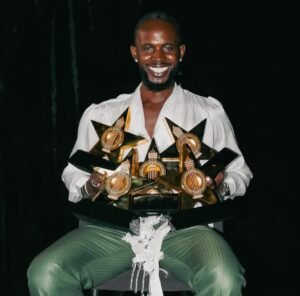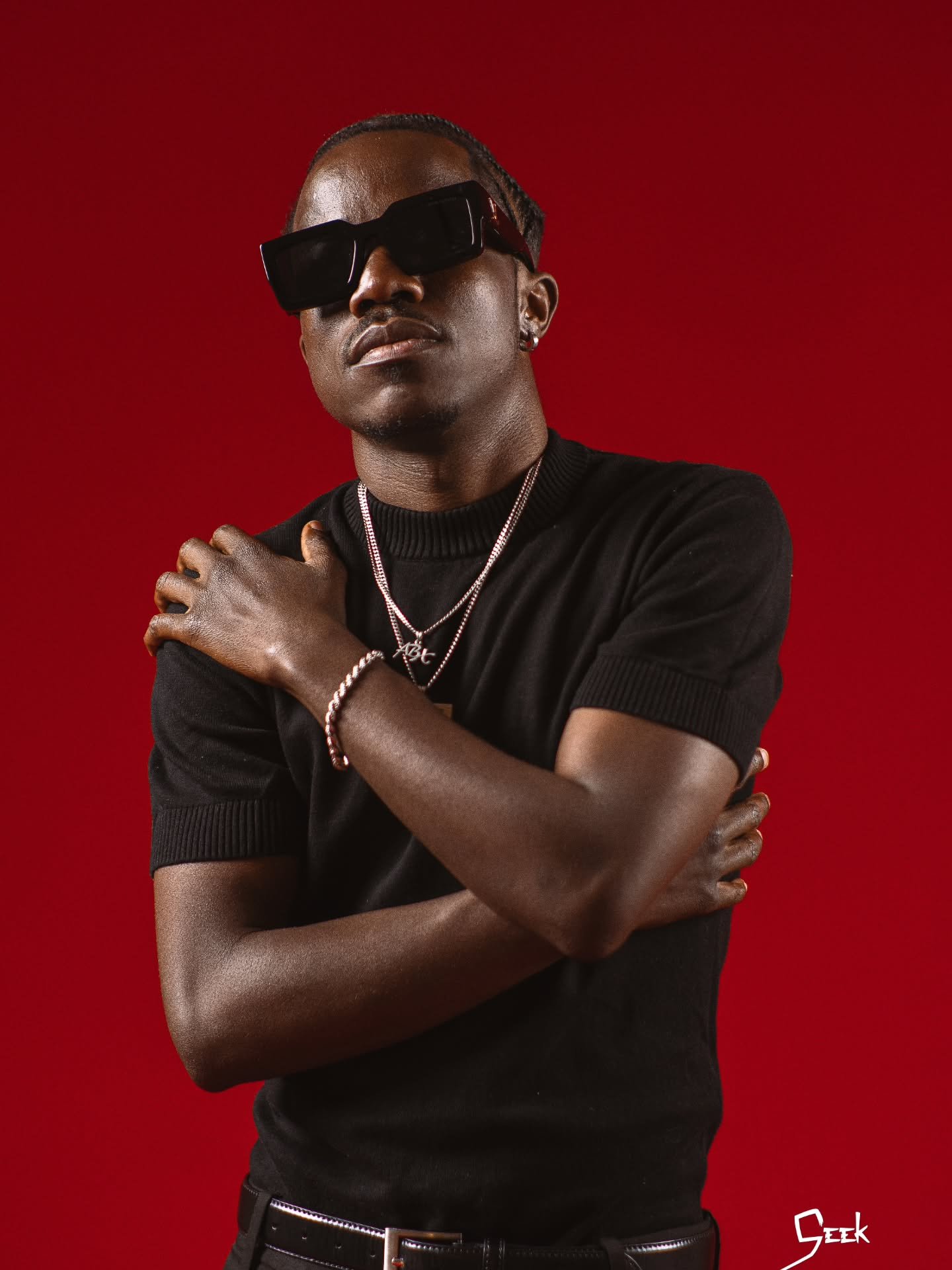
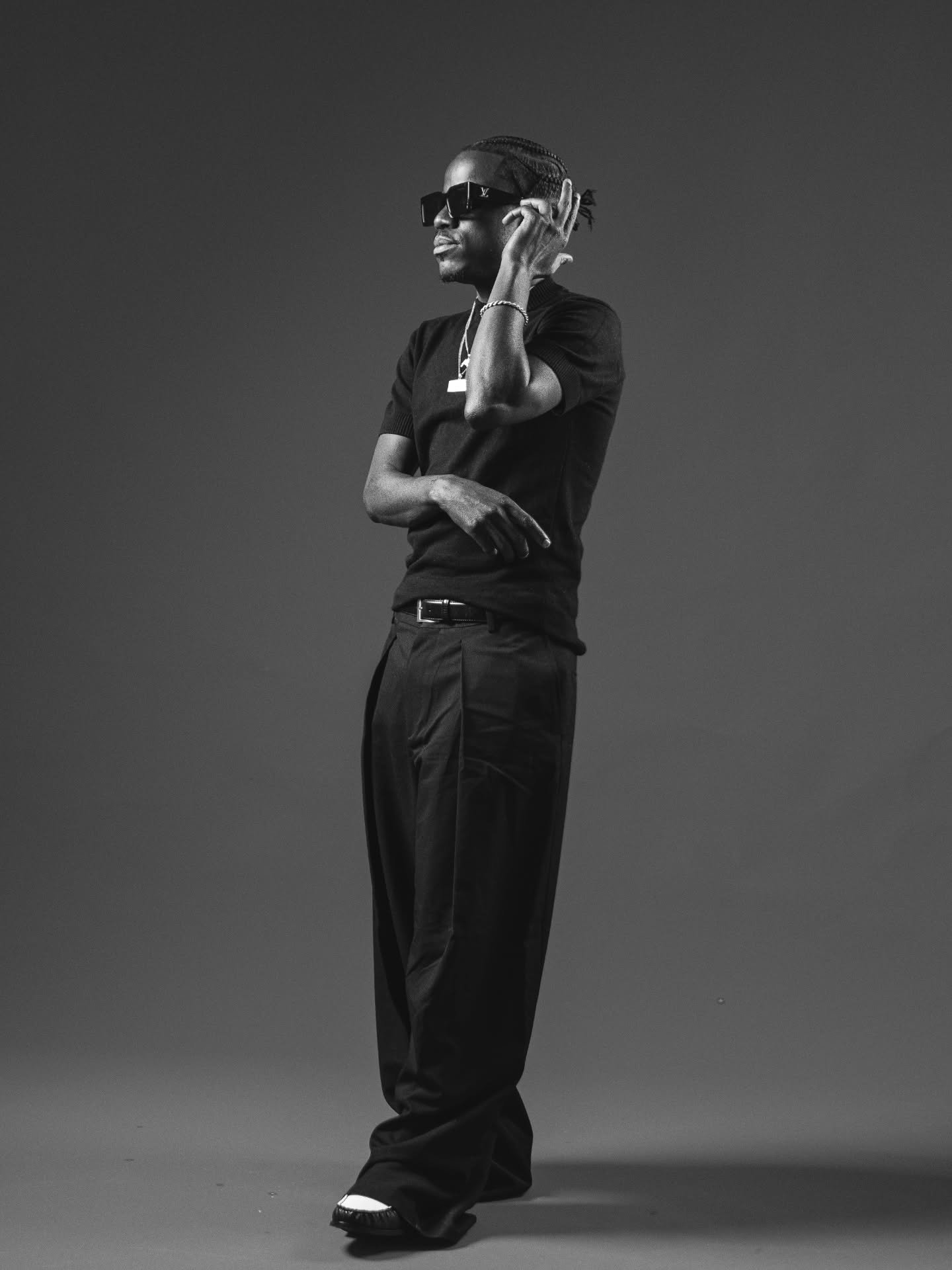
Zimbabwean artist Carrington Simbarashe Chiwadzwa, known by his stage name Nutty O, is determined to take Zimbabwean music to different places in the world where it has never been heard. It isn’t about numbers for him; he is creating music that can make an impact and that will one day become a standard and open a door other Zimbabwean artists can walk through.
His most recent album Different Root was released with this goal in mind. It’s a deliberate attempt to take his music outside the familiar spaces that have shaped his career. After establishing himself at home, he is now looking outward, placing Zimbabwean music in conversations with some of Africa and the world’s most influential sounds.
The album arrived with an immediate statement debuting at No. 1 in Zimbabwe before Nutty O took it to the UK for a sold-out headline show in Wolverhampton just two days after its release. The response has continued across streaming platforms, with Apple Music, Spotify, and Audiomack supporting the project, while individual songs have begun finding audiences in different territories.
At home, “Mercy,” featuring Holy Ten and The Glory Sound, has surpassed 600,000 views on YouTube and continues to receive chart and radio support. “Ma1,” featuring Kinnah, has also started gaining momentum organically, approaching 300,000 YouTube views within its first week and entering the official YouTube Zimbabwe Weekly Chart at No. 8. The two records reinforce the Zimbabwean identity that remains central to Nutty O’s music, even as the album looks beyond the country’s borders.
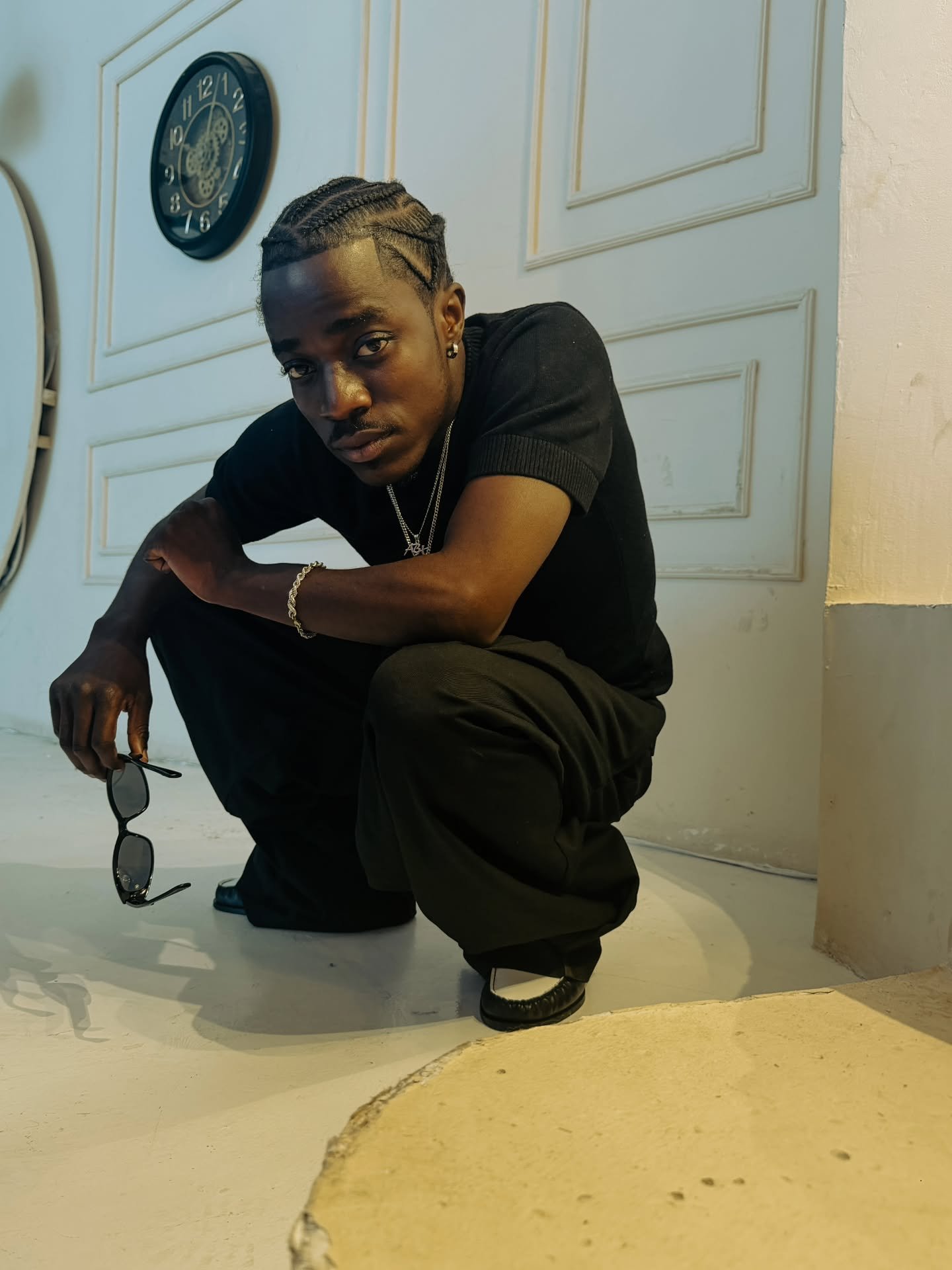
With Different Root, Nutty O wants Zimbabwean culture to be heard and understood from outside. So he built some tracks around connections. “Too Much,” featuring Nigerian artist Fido, is one of the tracks, and it is beginning to create a Zimbabwe–Nigeria lane, gaining traction on Nigerian playlists. “Everything Is Possible,” featuring Jamaican reggae artist Bugle, is also opening a route into reggae and dancehall spaces, with early attention from DJs and listeners in Jamaica and Europe.
For Nutty O, these collaborations are not simply about featuring popular artists; they are strategic bridges into new markets and other music communities. He believes Zimbabwean artists must be more intentional about entering the spaces where global musical conversations are taking place.
Rolling Stone Africa caught up with Nutty O, and he shared with us the meaning behind Different Root, building an international audience independently from Zimbabwe, his strategic collaborations, and what it will take for Zimbabwean music to occupy a larger space in the global African music movement.
Our Interview with Nutty O
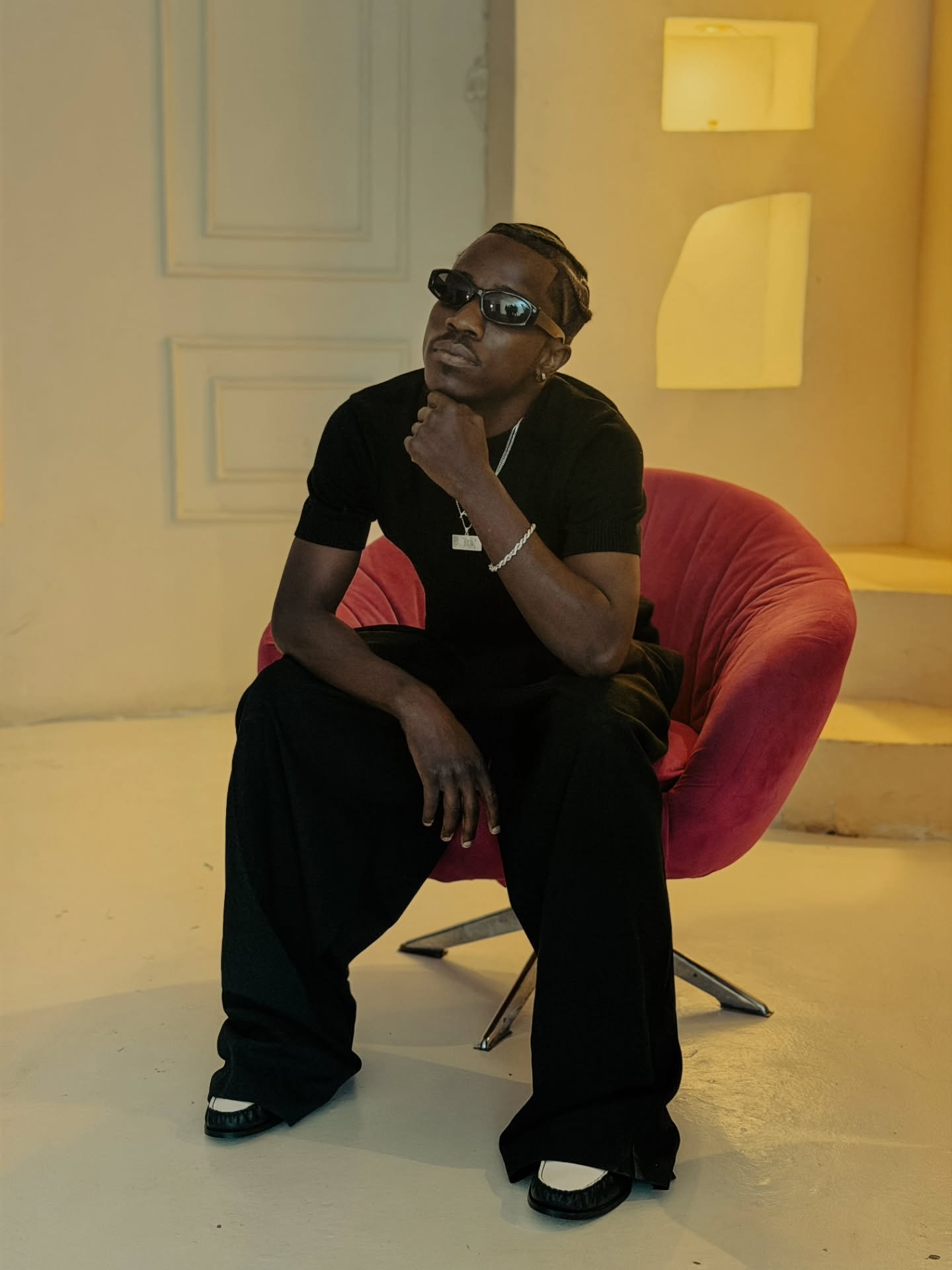
Different Root debuted at No. 1 in Zimbabwe and has already begun travelling internationally. What does this moment mean to you, particularly as a Zimbabwean artist building your career independently from home?
Well, this moment, I would say, it’s a moment that fulfills me. On a personal level, having the pressure to deal with the sophomore album is not the easiest thing. So just being able to finish this album and release it and people giving good feedback means a lot to me. It means belief can take you places where many things cannot. Being number one as an independent artist, and coming from an ecosystem like ours, Zimbabwe, it’s actually fulfilling. It’s special for me. It makes me gain more confidence in what more I can do and what more to come in the future.
You’ve accumulated more than 100 million career streams from Zimbabwe. What have you learned about building a global audience without being based in one of Africa’s more established music-export markets?
What I’ve learned is it’s more about you going out to network. You have to be outside. You have to play more outside of your comfort zone. That means you need to come out of Zimbabwe. You need to go outside and network in those countries that have a major share on the global scale, which are the Afrobeats countries and the Amapiano countries like South Africa. You really have to go out there and place yourself in those spaces so that the conversations will always start and you get familiar with whatever it is that’s happening there, and you stand a better chance of grabbing any opportunity that comes your way.
The title Different Root feels significant given your focus on Zimbabwean identity. What does “Different Root” mean to you, and how intentional were you about keeping Zimbabwe at the center of the project while making music that can travel globally?
The Different Root stipulates the second stage after my first album. It talks about me fortifying my roots and strengthening the core essence of what makes me a musician. My first album is called The Mustard Seed, and from the seed comes the roots. And the roots would determine how powerful the plant can be and how fast the plant can grow into a big tree. The Different Root meant I’m going a different route, a different direction from what we normally do. I would have just been relaxed and launched the album in Zimbabwe and just done what I’ve always been doing. But I had to choose a different route and try to go a different route. I had to place myself in a different space, and everything else had to be different. So that’s ideally what Different Root is all about.
If you listen to the album, you would still see that I’ve not abandoned my Zimbabwean feel in the music. The reason being, we are Africans, and I believe the term “Afrobeat” comes from us fusing our African sounds with the global sounds. So as long as I maintain my Afro and Zimbabwean part of things, infused with other things, Zimbabwe is still in consideration and in the conversation. I’ve had songs that have what we call in Zimbabwe the Zimdancehall, which is our Zimbabwean feel, with the global dancehall feel. So that’s how I’ve made sure Zimbabwe still remains in consideration as far as the album is concerned, and that’s intentional.
“Too Much” with Fido creates a Zimbabwe-Nigeria connection, and “Everything Is Possible” with Bugle reaches into reggae and dancehall. How do these collaborations reflect the different directions you want Zimbabwean music to travel?
My collaborations were strategic in a point where they have to somehow open up an avenue for me in a different direction, a different country. For example, my collaboration with Fido is currently gaining traction in some of the Nigerian playlists, which is something I’ve always wanted strategically to get that placement, to get into those spaces, to be around that sound, and just to feel how the sound works.
I also did a collaboration with the Jamaican artists by the name of Bugle, well-respected reggae artists. And also it’s strategic in that it gets me into the real reggae spaces and opens doors and avenues for more collaboration because everything else comes with reference. To have reference, you really need to walk the road, and you need to walk the road with the people who are within that part. This is what I was doing with Fido and Bugle. There’s always going to be somehow a curation of a little bit of the market share from that side through that collaboration.
Zimbabwe receives less international attention than markets like Nigeria, South Africa, and Ghana. What do you think needs to change for Zimbabwean artists and sounds to receive more visibility on the global stage?
I think the only thing that needs to change is that we need to go out there and jump into the boat. Zimbabweans over the years have never been intentional about anything that has to do with getting global recognition enough. You can only dream of something, but if you move and work for it, something can happen. So Zimbabweans need just to go out and jump into the boat. If it’s the Afrobeats boat, we just need to go in and jump into the boat. If it’s the Amapiano boat, jump in and be within the boat. That’s the only thing that needs to change because the world needs just to see the artists being involved in spaces where global waves are going.
Your sold-out Wolverhampton headline show just two days after Different Root’s release suggests that Zimbabwean music already has a diaspora audience waiting for it. How important is the Zimbabwean diaspora to your international growth, and can it become a bridge to audiences beyond the diaspora?
Yeah, definitely the diaspora audience in the UK. We actually have one of the largest diaspora crowds. We have so many Zimbabweans in the UK, and they don’t listen to Zimbabwean music alone. They consume. They probably could be number one consumers of both Amapiano and Afrobeats, which means that the audience is important as far as Zimbabwe’s international growth and my growth are concerned. This is the right bridge that will take Zimbabwean music forward.
Because everywhere you see a Ghanaian, Nigerian, or South African, there’s a Zimbabwean; everywhere you see a Jamaican, Nigerian, or Ghanaian, there’s a Zimbabwean in every space. So these people are key because they’re the ones who will give us the right bridge. Because whilst you’re being introduced to your canonian friends, it will be easy if a Zimbabwean would also introduce their friends to Zimbabwean music. And we consume African music the most. So it’s just a matter of time to bring up the audience and strike an awareness within the audience that they have a key role to play as far as exporting this sound is concerned.
With songs from the album beginning to find audiences in Nigeria, Jamaica, Europe, and other countries, what does “going global” actually mean to you? Is it about numbers and markets, or something bigger about Zimbabwean culture being heard and understood?
Going global means having to impact not only your people but also having to have a conversation with the whole world using the medium of the music. So for me, it’s about the culture being heard and understood from outside and what the culture and your voice are going to do as far as the world is concerned. I would like to change someone’s perception, someone who is in Moldova. I would like to change someone who is in Nigeria’s perception through music. I would like to motivate, inspire, and speak to the whole world through the medium of music. So it’s not about numbers; it’s about the impact, really. Your voice is doing not only for your people, but it is also moving to the right channel and taking souls towards the right direction.
Looking ahead, what do you hope Different Root ultimately changes, not just for your career, but for how Zimbabwean music is perceived and positioned within the wider global African music movement?
Different Root would definitely shape what now will be the Zimbabwean sound going forward. It will also open a door that most of my fellow Zimbabwean artists would need to walk through in terms of the sonics, the sound, and the versatility. The Different Root will become a standard. If someone from outside would want to know what Zimbabwe is about musically, they would definitely use the Different Route as a yardstick or as a sample of what exactly Zimbabwe could produce. And also Zimbabweans would follow suit and try to do something alike or something even better than the Different Root. So it’s just a standard set.
Listen to Different Root HERE