Deluxe albums are re-released versions of original projects that usually feature new songs. Some deluxe editions arrive with brand-new artwork, while others retain the original cover.
In the music industry, a deluxe album is far more than a bonus package for fans; it’s a strategic second chapter. The tracklist is usually expanded with brand new songs, remixes, and sometimes collaborations.
Rather than letting an album disappear after its initial release, artists return to it after a few months or even a year.
This creates renewed excitement. It gives fans another reason to listen to the tracks and places the artist back in the headlines without the pressure of creating an entirely new album.
Deluxe albums have evolved from occasional fan service into a key release strategy. Artists have discovered that extending an album’s lifespan can be just as valuable as releasing another one.
Why African Artists Are Releasing Deluxe Albums
The African music industry moves at an extraordinary pace. Every week introduces new singles, breakout stars, and viral moments, making it difficult for artists to sustain attention long after an album’s release.
That’s where the deluxe album comes in.
By adding new songs, collaborations, or remixes to an existing project, artists effectively relaunch an album into the public eye. Platforms such as Spotify and Apple Music often treat deluxe editions as fresh releases, giving them renewed visibility.
For artists, this is very beneficial.
A deluxe version generates another wave of media coverage and encourages both existing and new listeners to revisit the project. It also increases total streams across the album’s catalog.
In many cases, deluxe albums also allow artists to respond to momentum they couldn’t have predicted during the original rollout. A breakout single might inspire new collaborations, while growing international attention creates opportunities to feature global artists or remix fan favorites for new audiences.
Rather than starting from scratch, artists build on a project that audiences already know.
African Artists That Have Released Deluxe Albums
Deluxe versions have become a way of keeping an album culturally relevant long after its original release date. Here are some of Africa’s biggest stars who have used this strategy to expand their albums’ reach:
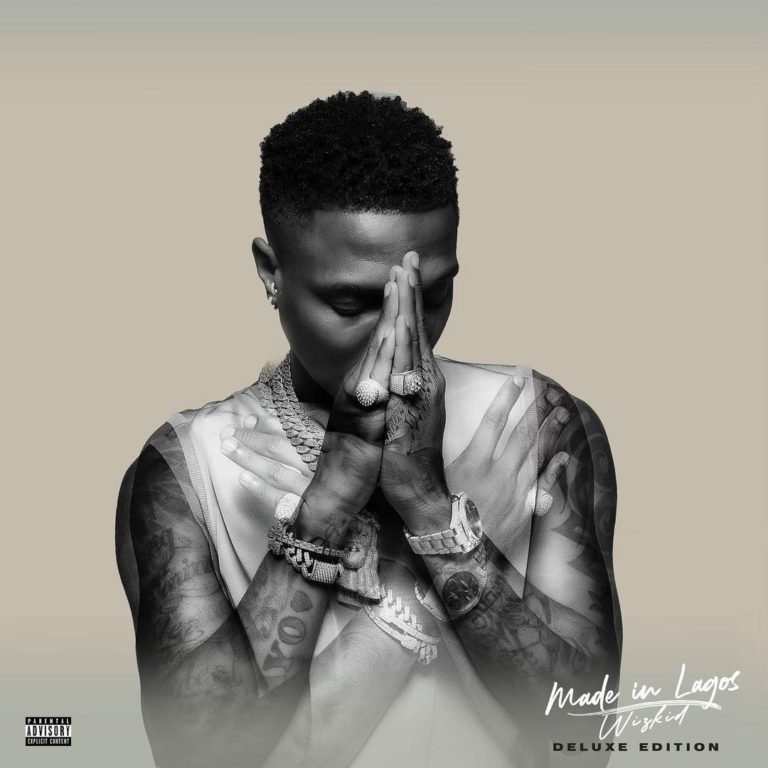
Wizkid — Made In Lagos (Deluxe Edition): While the original album had already become a landmark Afrobeats project, the deluxe version elevated it even further with the inclusion of the Justin Bieber-assisted remix of “Essence” alongside Tems. The remix became one of Afrobeats’ biggest global crossover records and introduced millions of new listeners to the album.
Rema — Rave & Roses Ultra: After the global success of “Calm Down,” Rema extended his debut album with Rave & Roses Ultra, introducing new songs, including “Charm” and “Holiday.” The deluxe edition also includes the remix of “Calm Down,” which features Selena Gomez.
Ayra Starr — 19 & Dangerous (Deluxe): Ayra Starr revisited her acclaimed debut with 19 & Dangerous (Deluxe), adding new tracks, including the remix of “Bloody Samaritan” featuring Kelly Rowland. The deluxe edition strengthened the album’s international appeal while introducing one of R&B’s biggest names to the project.
Omah Lay — Boy Alone (Deluxe): Following the emotional success of his debut album, Omah Lay expanded Boy Alone with six additional songs. The deluxe version features “Reason,” “Imagine,” and the remix of “Soso.”
Azawi — African Music Album (Deluxe Edition): Ugandan star Azawi revisited her critically acclaimed African Music Album with a deluxe edition, further showcasing her versatility while extending the life of one of East Africa’s standout releases.
Oxlade — OFA: Oxlade From Africa (Deluxe): Oxlade continued the trend by releasing the deluxe edition of OFA: Oxlade From Africa, adding fresh songs, including “Vanity,” while giving listeners another opportunity to engage with his evolving sound.
Yemi Alade — Mama Africa (Deluxe): The singer expanded Mama Africa with a deluxe edition featuring collaborations with South African, Ghanaian, and Ivorian artists, reflecting her pan-African ambitions and widening the album’s reach across the continent.
Blaqbonez — Sex Over Love (Deluxe): Blaqbonez re-released Sex Over Love with a deluxe edition featuring remixes and additional collaborations, extending the project’s commercial lifespan while keeping conversations around the album alive.
Nakhane — You Will Not Die (Deluxe): South African singer-songwriter Nakhane released a deluxe version of You Will Not Die, adding new dimensions to an album already praised by fans.
Ric Hassani — The African Gentleman (Deluxe Edition): Ric Hassani expanded his celebrated debut with The African Gentleman (Deluxe Edition), adding new songs for fans while reinforcing the timeless appeal of his blend of soul, R&B, and Afropop.
Nasty C — Free (Deluxe): South African rapper Nasty C also embraced the strategy, expanding his Free universe through a deluxe release that gave fans more music while keeping one of his defining projects in circulation.
More Than Extra Songs
The deluxe album has gone beyond simply adding bonus tracks. It’s a carefully calculated strategy that sits at the intersection of creativity, streaming economics, and audience engagement.
It enables artists to revisit successful projects, experiment with new collaborations, and reward loyal fans while continuing to attract new listeners.
As African music keeps going global, the competition for attention has never been greater. In that environment, to remain visible, many artists use the deluxe strategy.
Sometimes, the deluxe version tells an even bigger story.
Judging by the growing number of African artists embracing the format, the deluxe album is no longer an exception; it has become a normal thing to do.