The 2000s were a defining decade for African music: a time when artists became continental superstars not through streams, but through pure cultural force. From Lagos to Johannesburg, Kinshasa to Abidjan, these were the names that filled stadiums, topped charts, and turned everyday phrases into anthems.
Their music crossed borders in a way that felt both organic and unstoppable, laying the groundwork for the global rise of Afrobeats, Amapiano, and contemporary African pop culture.
But time moves fast in music. Industries evolve, sounds shift, and new stars emerge with every scroll. Some of these icons never left the stage. Some stepped away, split, while others settled into legacy status.
This feature revisits the artists who once defined the continent’s soundscape. It’s not just about where they are now but also what remains of their influence in the music Africa listens to today.
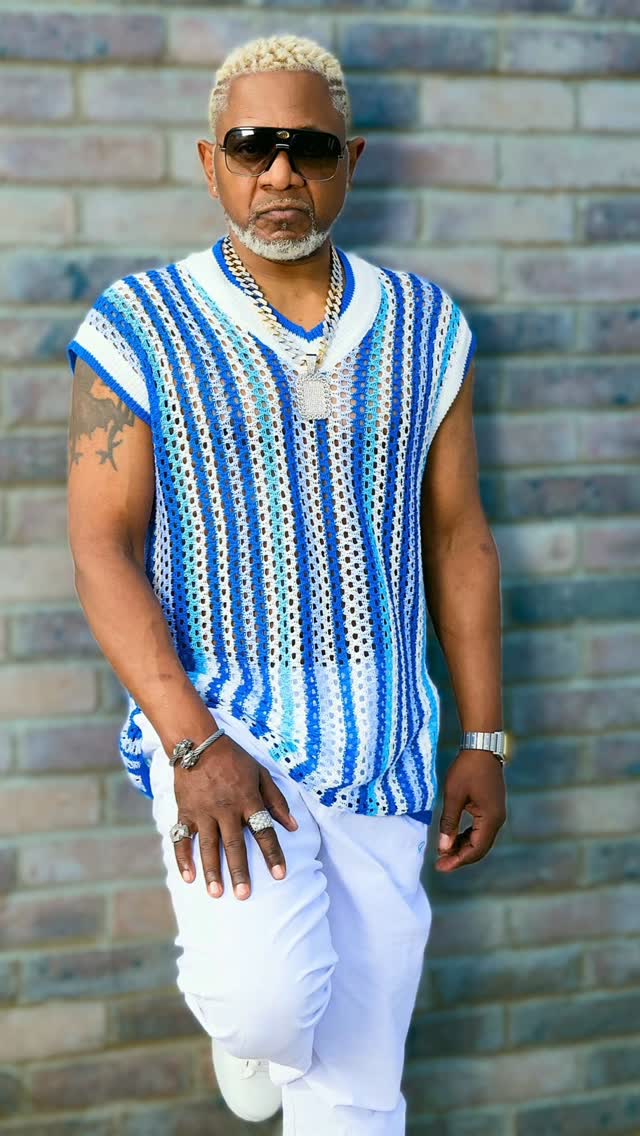
Awilo Longomba (DR Congo)
Not all artists can command the dance floor like Awilo Longomba did. Songs such as “Coupé Bibamba” made him one of Africa’s most recognisable entertainers and helped popularise Congolese music far beyond Central Africa. Now based in Europe, the veteran star continues to perform internationally and remains a beloved figure among fans of soukous music. His catalogue still enjoys immense popularity across Africa.
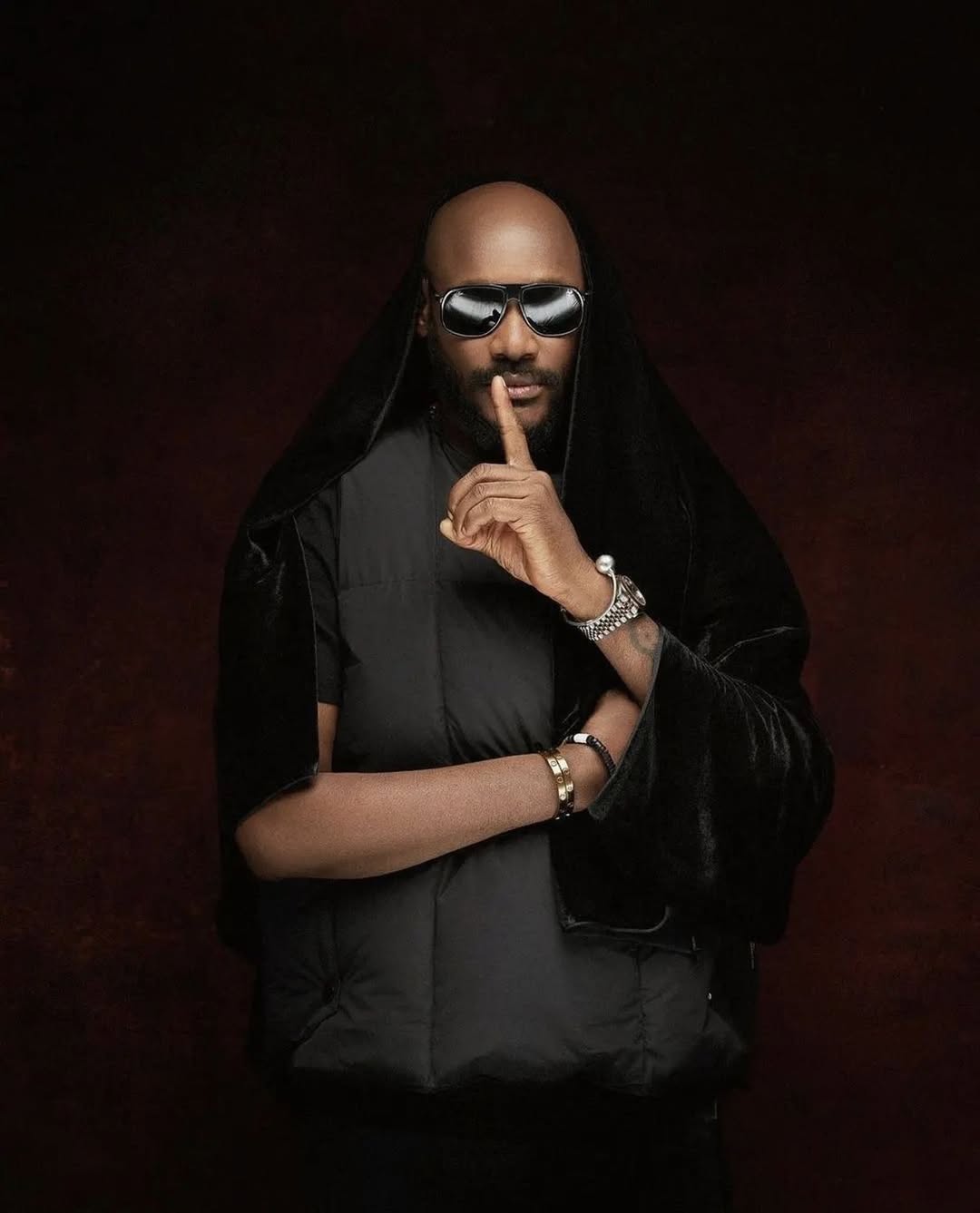
2Baba (Nigeria)
Long before Afrobeats became a global phenomenon, 2Baba’s “African Queen” was already opening doors for African pop internationally. Throughout the 2000s, he became one of Nigeria’s most influential artists. Today, 2Baba remains an active performer and entrepreneur. Though newer generations dominate streaming charts, his influence remains undeniable, with younger artists frequently citing him as an inspiration. He continues to perform, collaborate and lend his voice to humanitarian causes.
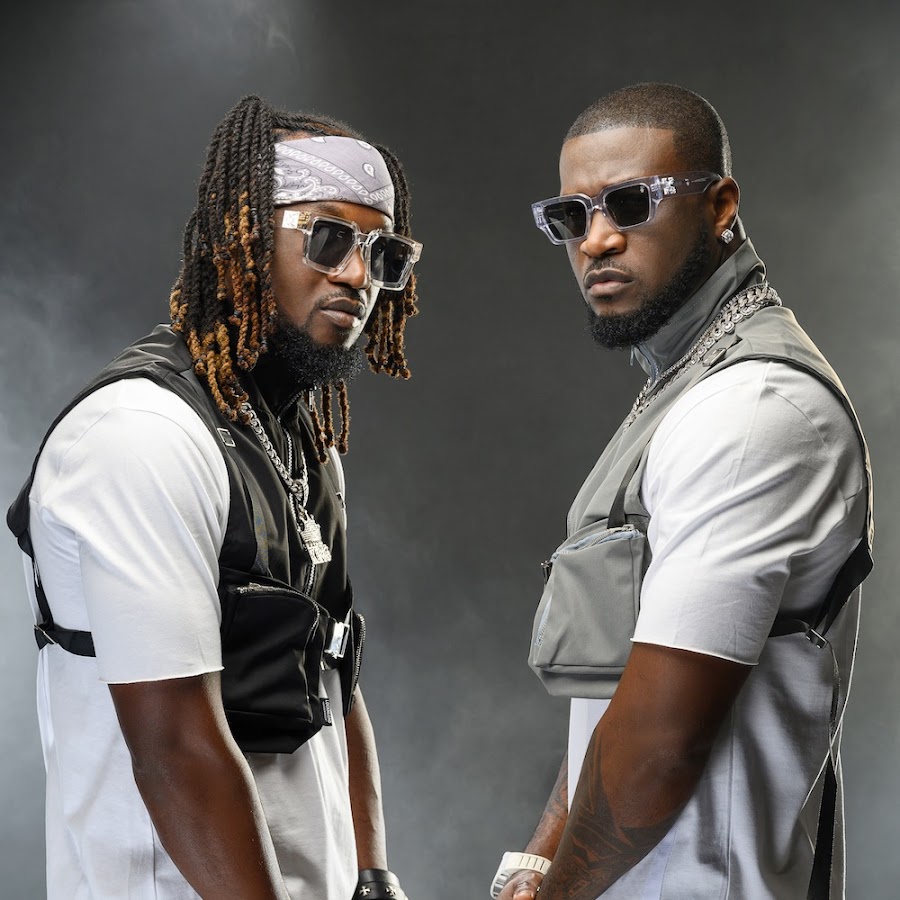
P-Square (Nigeria)
Peter and Paul Okoye ruled African pop throughout the late 2000s and early 2010s with hits like “Omoge Mi”, “Do Me”, “No One Like You”, and “Personally”. Their synchronised performances made them one of Africa’s biggest exports. Following a highly publicised split in 2017, the brothers pursued solo careers before reuniting in 2021. They then split again in 2024; they have returned to their solo careers, with Peter using the stage name Mr P and Paul Okoye being professionally called Rudeboy.
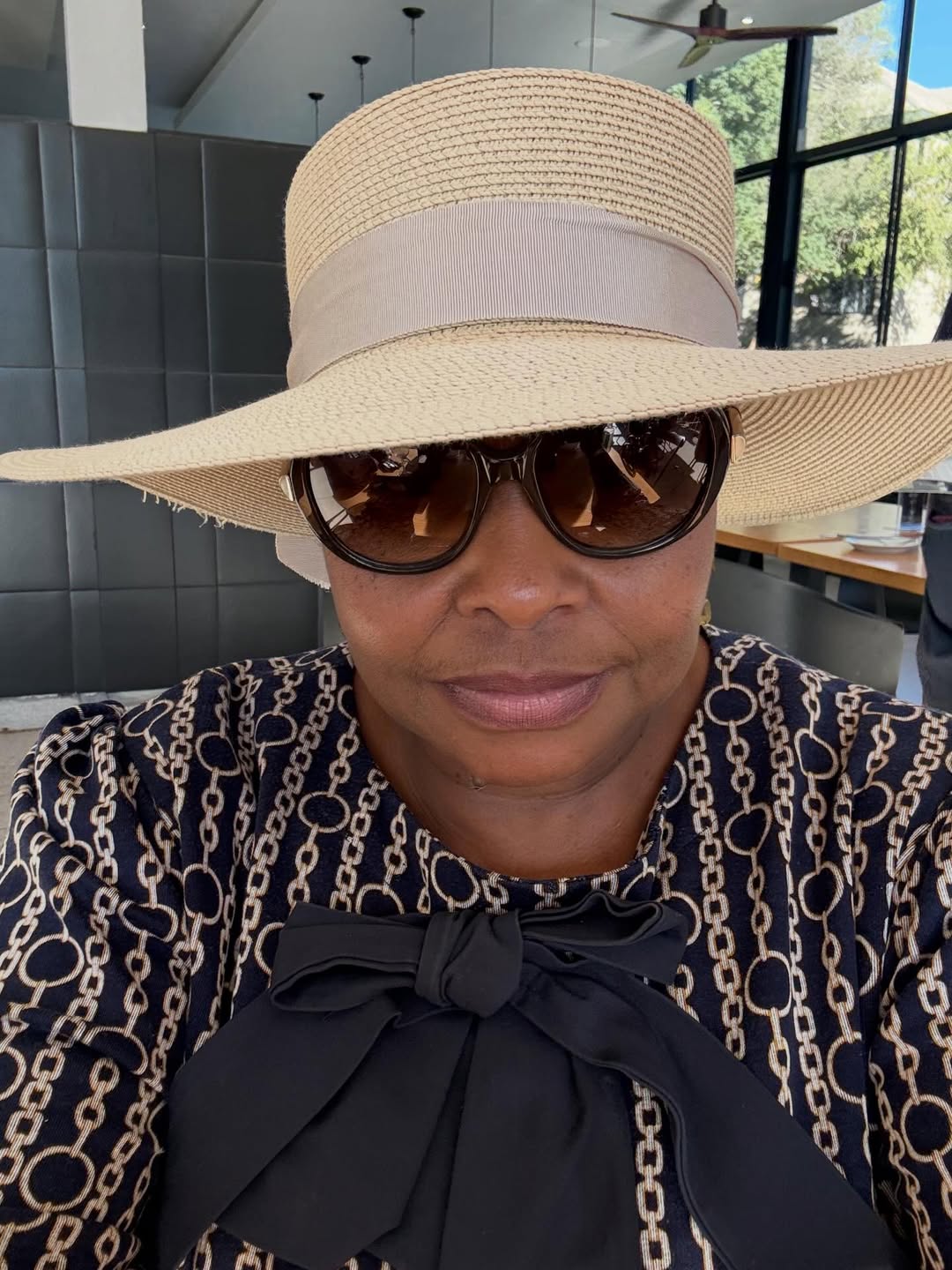
Yvonne Chaka Chaka (South Africa)
Known affectionately as the “Princess of Africa”, Yvonne Chaka Chaka was already an established icon before the 2000s, but her popularity endured throughout the decade. During the 2000s, she remained a household name thanks to classics like “Umqombothi”. Today, she balances music with philanthropy and advocacy work. Though she performs less frequently, her legacy as one of the continent’s pioneering female stars remains firmly intact.
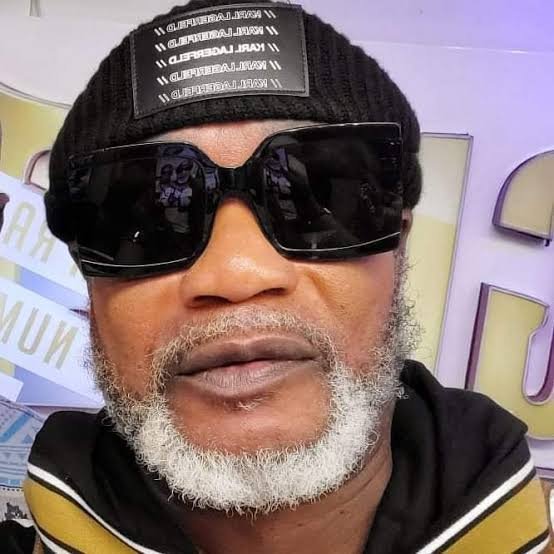
Koffi Olomidé (DR Congo)
One of the most influential figures in Congolese rumba, Koffi Olomidé enjoyed massive popularity throughout the 2000s. His music reached audiences from Kinshasa to Nairobi and beyond. Despite controversies over the years, the veteran artist continues to release music and perform. His impact on generations of Congolese musicians remains profound.
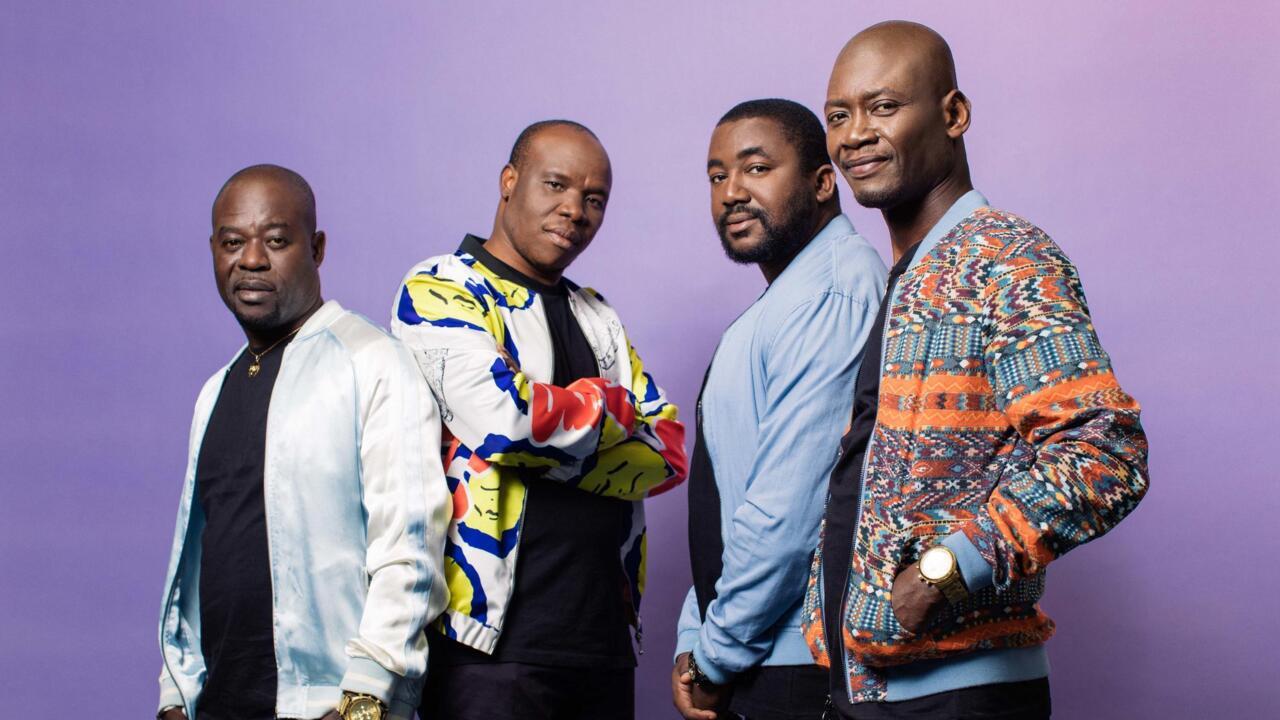
Magic System (Côte d’Ivoire)
When their song, “Premier Gaou” blew across Africa and Europe in the early 2000s, Magic System became one of the continent’s most recognisable groups. Their unique blend of zouglou and contemporary pop transformed them into global ambassadors for Ivorian music. More than two decades later, the quartet remains active, performing at festivals and major events around the world. Their songs continue to evoke nostalgia and joy, particularly among millennials who grew up dancing to their infectious rhythms.
Style Plus (Nigeria)
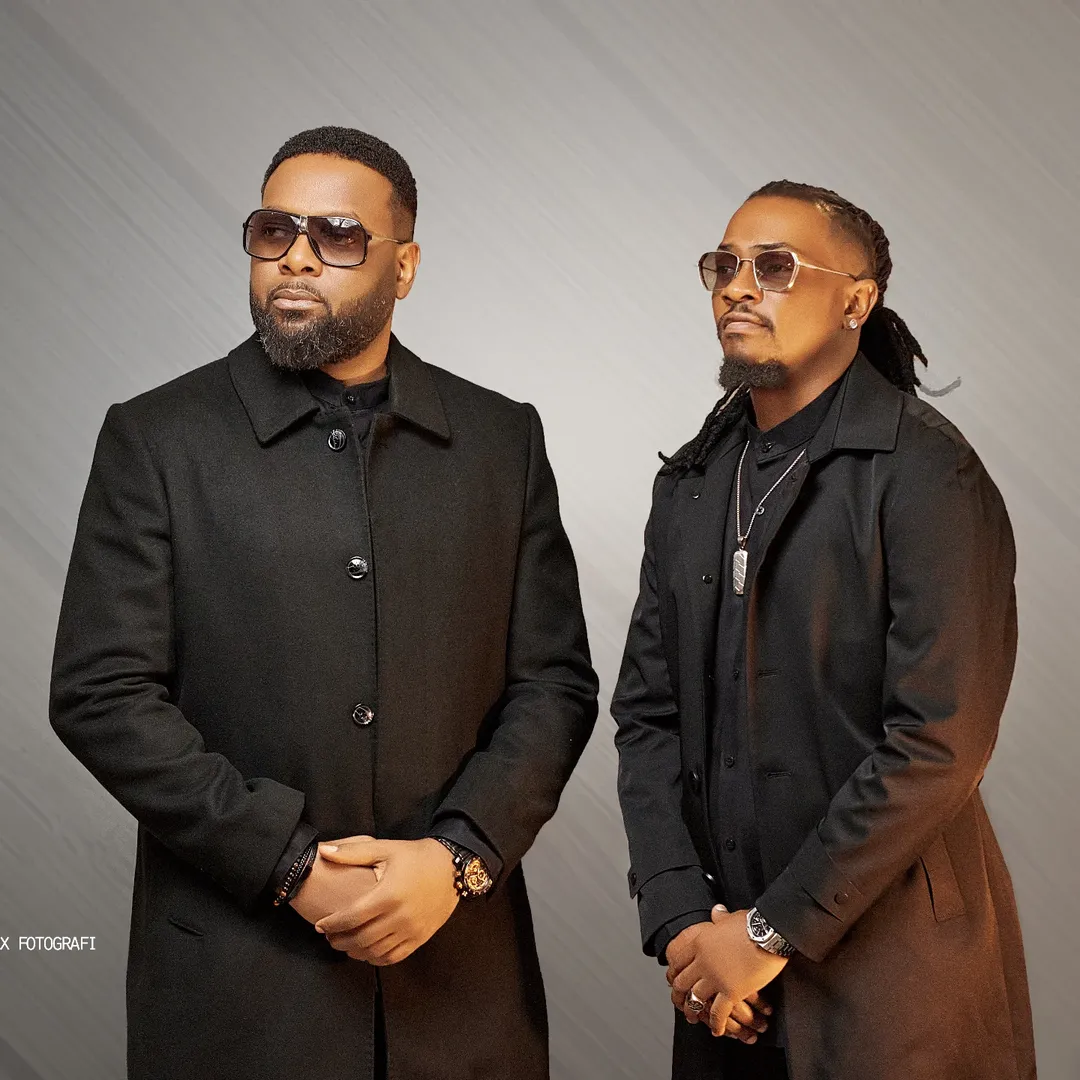
The Nigerian R&B trio—Tunde Akinsanmi, Shifi Emoefe, and Zeal Onyecheme—dominated the mid-2000s with heartfelt hits like “Olufunmi”, “Runaway”, and “Call My Name”. Their smooth harmonies and acoustic-driven sound made them one of the era’s most beloved groups. But like many successful bands, internal differences led to changes. Tunde eventually exited the group, while Zeal and Shifi kept the Style Plus name alive, performing at nostalgia concerts and special events.
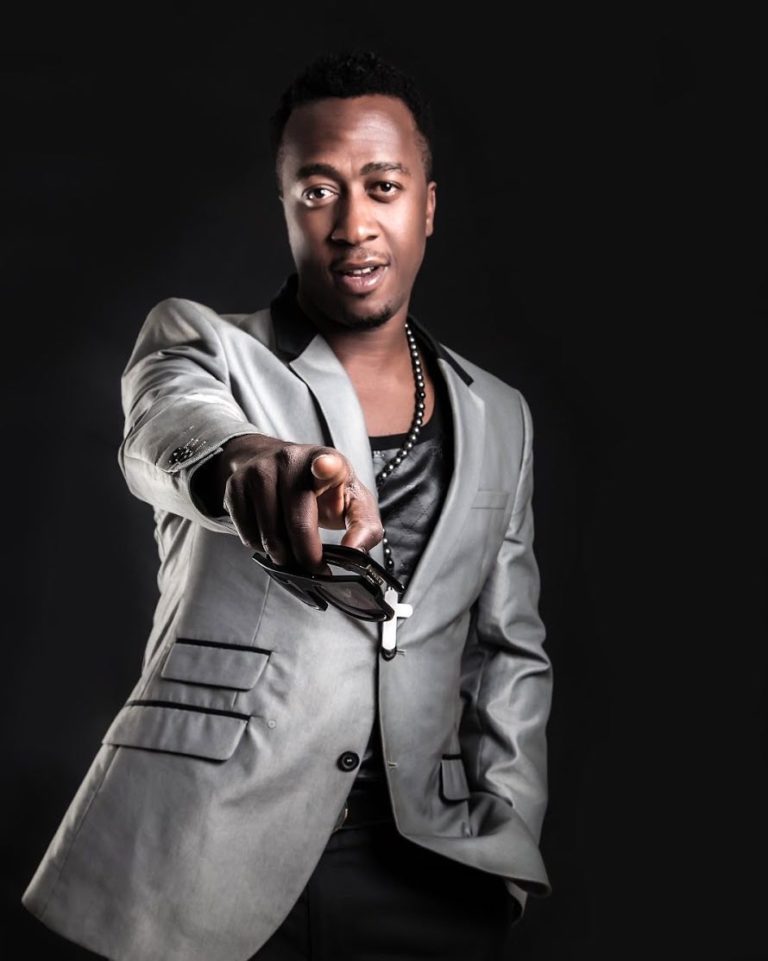
They are no longer in the mainstream spotlight like they were in their heyday, but their music remains a staple for millennials, and “Olufunmi” still stands as one of Nigerian R&B’s most beautiful love songs.
Angélique Kidjo (Benin)
By the early 2000s, Angélique Kidjo had already established herself as one of Africa’s greatest musical ambassadors. Her genre-blending style and commanding stage presence earned her fans far beyond the continent. Two decades later, Kidjo’s star shines brighter than ever. The Grammy-winning singer continues to tour globally, collaborate with younger artists and advocate for education and women’s rights. While many of her contemporaries have slowed down, Kidjo has remained remarkably relevant.
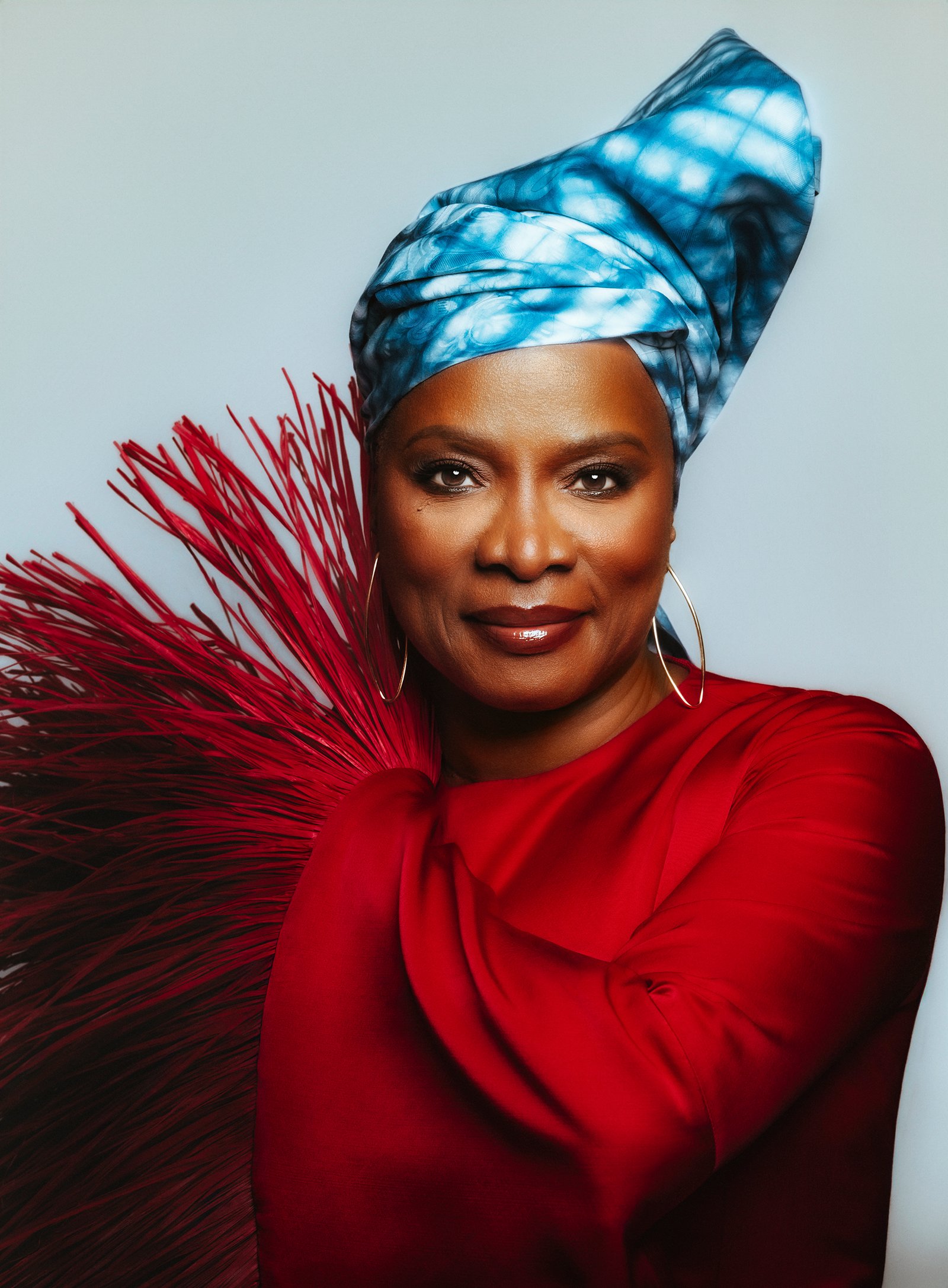
D’banj (Nigeria)
No artist embodied the swagger and ambition of Nigeria’s music boom quite like D’banj. Backed by producer Don Jazzy, the self-proclaimed “Koko Master” ruled the late 2000s with hits like “Why Me?”, “Fall in Love”, and later, the crossover smash “Oliver Twist”. Though the Mo’Hits split changed the trajectory of his career, D’banj successfully transitioned into business. He continues to release music, mentor younger artists and expand his entrepreneurial ventures. His influence on the commercialisation of Afrobeats remains impossible to ignore.
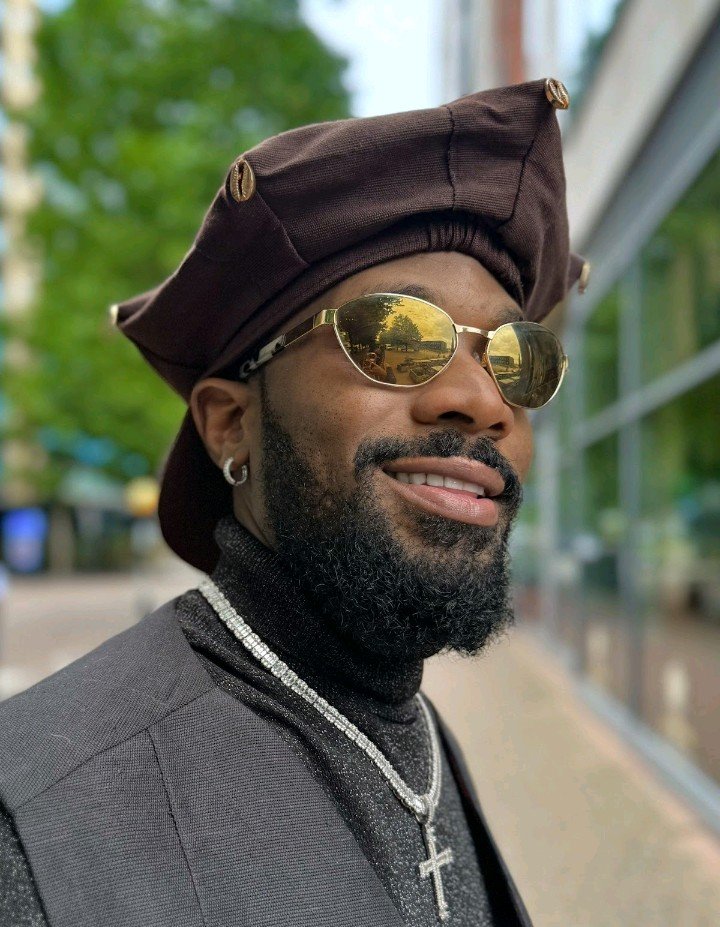
Samini (Ghana)
With his signature blend of reggae, dancehall and highlife, Samini became one of Ghana’s biggest stars in the 2000s. Songs like “Linda” and “My Own” made him a household name and paved the way for the country’s vibrant dancehall scene. Today, Samini remains active both as a performer and a mentor. He continues to release music and is widely regarded as one of Ghana’s elder statesmen of contemporary music. His influence can be heard in the careers of younger stars who followed in his footsteps.
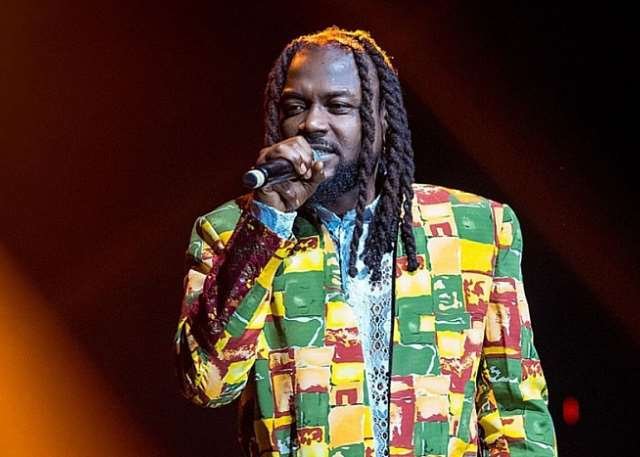
African China (Nigeria)
At a time when socially conscious music commanded mainstream attention, African China was one of Nigeria’s most fearless voices. Songs like “Mr President” and “Crisis” tackled corruption, poverty and everyday struggles with a raw honesty that resonated with ordinary Nigerians. Though his commercial peak has passed, African China has remained committed to activism and music. He occasionally performs and manages his own businesses, which include real estate and a unisex salon.
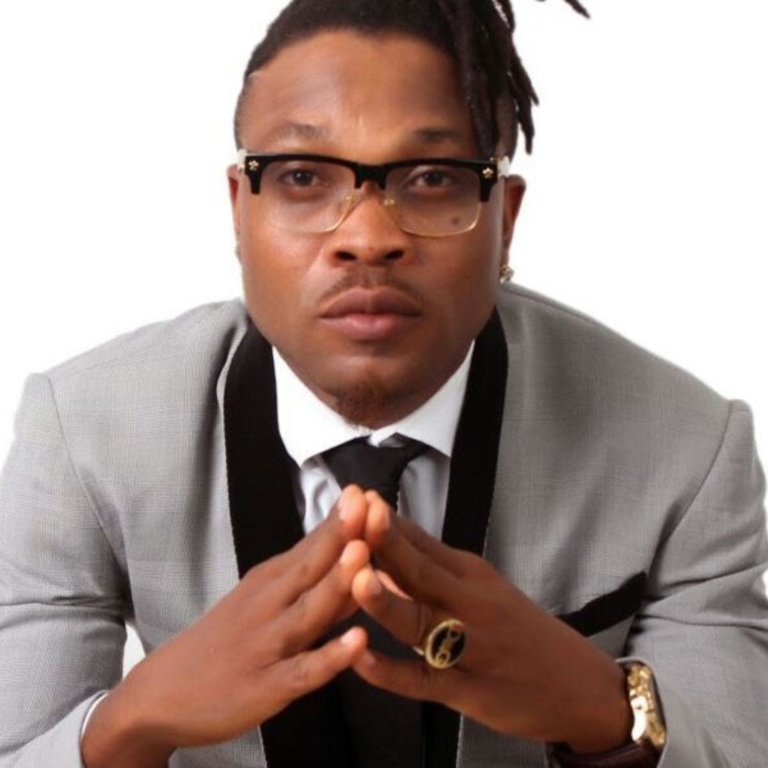
Weird MC (Nigeria)
Long before female rappers became mainstream fixtures, Weird MC was breaking barriers. Her blend of English, Yoruba and street slang helped make “Ijoya” one of the most unforgettable songs of the 2000s. Today, the rapper, songwriter and producer maintains a relatively low profile. She primarily resides in the United Kingdom and serves as a Christian minister, gospel speaker, and talent mentor. She also manages her own lifestyle brand and stays involved with street fashion.
Lagbaja (Nigeria)
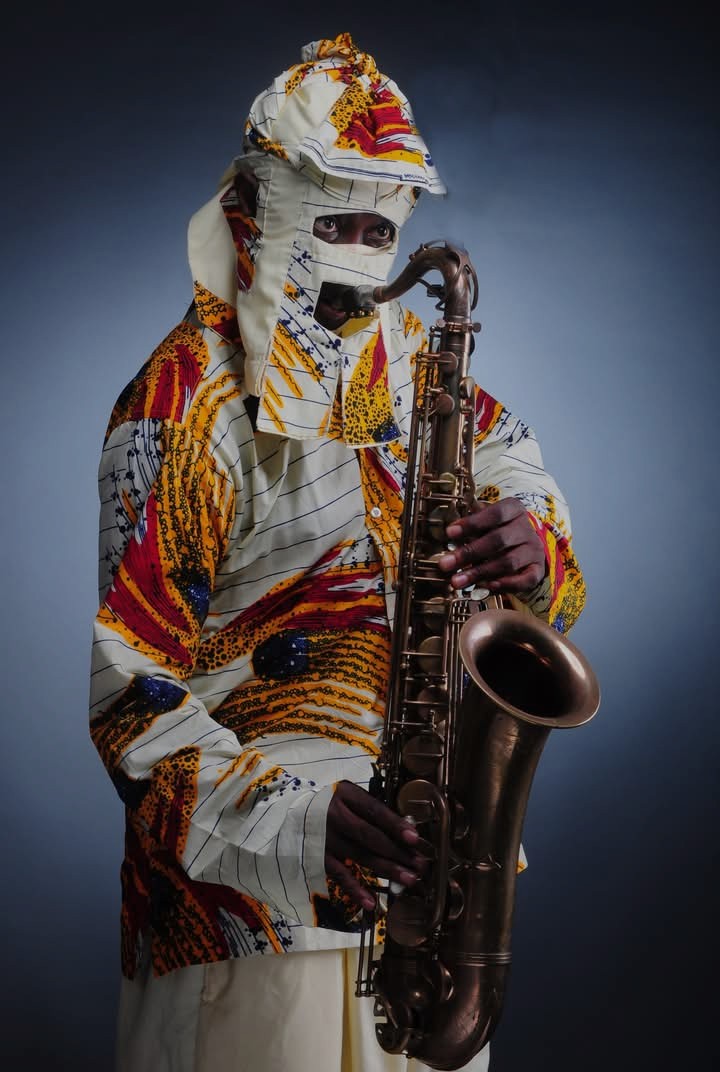
Hidden behind his iconic mask, Lagbaja became one of Africa’s most distinctive voices. Combining Afrobeat, jazz and social commentary, he produced timeless records including “Konko Below” and “Never Far Away”. Although he has become less visible in recent years, Lagbaja’s influence remains deeply embedded in Nigerian music. His philosophy of representing the “common man” and his commitment to preserving indigenous sounds have made him one of the country’s most respected cultural figures. He currently lives in the United States with his family.
These stars helped build the foundation upon which today’s Afrobeats, Amapiano and global African sounds stand. Before streaming records and sold-out arenas in Europe and North America, they proved that African music could transcend borders.