African creatives once relied on external validation to gain recognition. They faced significant challenges due to inadequate infrastructure, limited funding, and poor distribution. This dynamic has drastically changed, as African music, fashion, film, and online culture now lead globally. The remarkable part of this transformation is how little infrastructure existed at the beginning.
The rise of Africa’s creative economy is often framed as a story of success. What receives less attention is how much of that success was built despite structural neglect. Long before investors, billion-stream records, sold-out arenas, and luxury partnerships arrived, African creatives were building industries with almost no institutional support. What exists today was not handed to them. They built it themselves.
Building Without Permission
For decades, African creatives operated within systems that often marginalized them, struggling with inadequate music distribution, limited funding, inaccessible creative education, and inconsistent intellectual property protections. Despite these obstacles, creativity flourished in cities like Lagos, Accra, and Nairobi, where artists developed alternative ecosystems through grassroots efforts and the internet. The absence of infrastructure forced innovation, transforming roles within the industry; artists became marketers, managers turned into distributors, and survival became a key driver of creativity. The modern African creative economy was not built through institutional frameworks but from necessity and resilience.
The Internet Changed the Geography of Success
Digital access has profoundly transformed African creativity, allowing artists to bypass traditional gatekeepers like labels and media. This enabled direct access to global audiences, empowering creators in various fields, including music, dance, and fashion, to share their work immediately. Consequently, African creatives gained the ability to influence global culture and develop new industries, leading to a generation adept in digital culture and independent in their artistic expressions.
Afrobeats Became a Proof of Concept
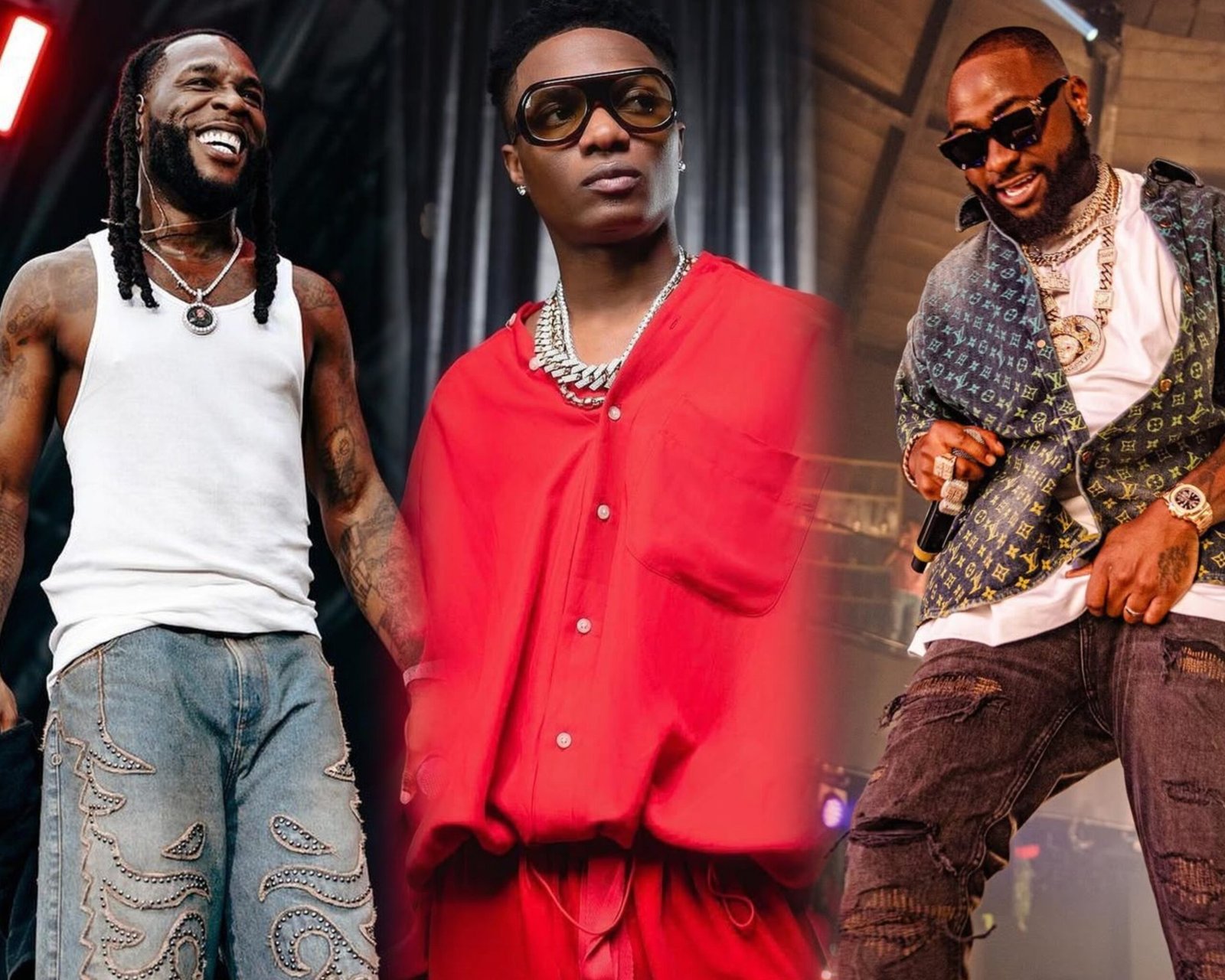
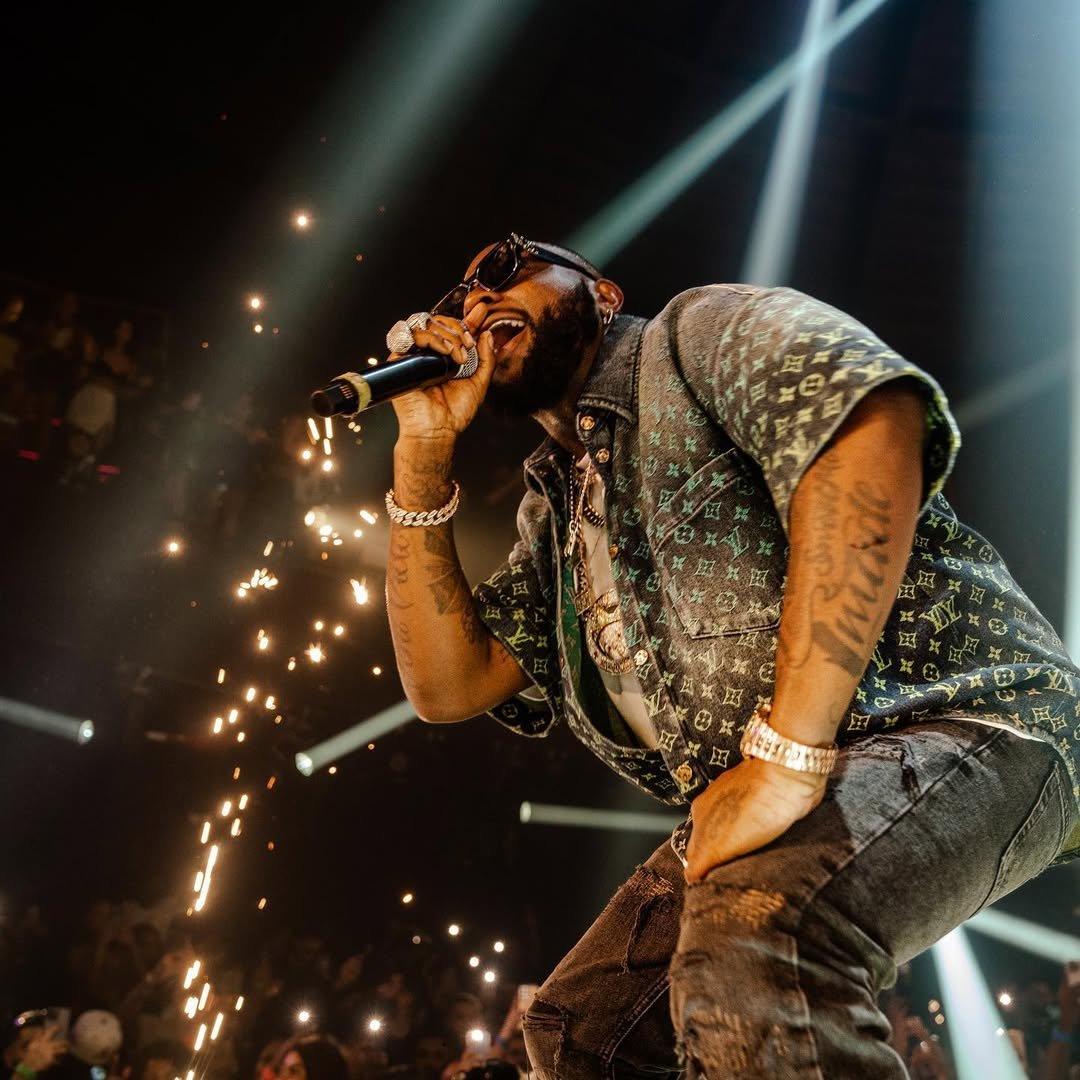
No sector illustrates the transformation of African creativity better than music, particularly through the global rise of Afrobeats. Artists like Burna Boy, Wizkid, Davido, Tems, Rema, Tyla, and many others achieved levels of international visibility that previous generations couldn’t imagine.
However, Afrobeats’ most significant achievement lies in its psychological impact, proving that African creative products could compete globally without abandoning their cultural identity. This realization has inspired filmmakers, fashion designers, visual artists, and content creators, leading a generation to believe that global success is not only possible but achievable.
The Rise of the Creative Entrepreneur
One of the defining characteristics of Africa’s creative boom is that many of its leading figures are not simply artists. They are entrepreneurs, challenging the traditional separation of creativity and business. The creative economy increasingly functions as an ecosystem rather than a collection of isolated industries. This shift reflects both necessity and ambition, as many African creatives understand the importance of ownership for long-term wealth. Key discussions now center around publishing rights, licensing, and intellectual property, as the new generation seeks to control their art and the surrounding businesses.
Women Changed the Landscape
Any serious conversation about Africa’s creative economy must acknowledge the role women have played in reshaping it. Across music, film, fashion, media, photography, nightlife, and digital culture, women have become architects rather than participants.
Artists like Tems, Tyla, Ayra Starr, Amaarae, and Uncle Waffles have expanded global perceptions of African talent while refusing traditional expectations about how female artists should present themselves.
Beyond performers, women are increasingly leading management teams, creative agencies, production companies, festivals, and digital platforms. Their impact extends beyond representation. They are actively redefining the economics of the industry itself.
The Diaspora Became an Extension of the Continent
Another major factor behind Africa’s creative expansion is the growing relationship between the continent and its diaspora. Previously seen as distinct, African and diaspora creativity now intermingle effortlessly, with influences flowing between cities like Lagos and London, Accra and New York, and Johannesburg and Toronto.
The internet fosters continuous interaction among creative communities globally, resulting in a creative ecosystem that feels simultaneously local and global. African culture no longer travels outward from a single center. It circulates through networks.
Success Created New Challenges
Growth in African creative industries has led to increased visibility and pressure, prompting urgent questions about sustainability. Key concerns include the ability of artists to build lasting careers beyond viral success and the development of stronger structures for publishing and royalties.
There is also concern about the potential for creative success to contribute to economic development and the growth of African-owned institutions alongside local talent. The challenge is no longer proving that African creativity matters; it is ensuring that the value generated by African culture remains connected to African creators.
The Industry That Refused to Wait
What makes Africa’s creative economy remarkable is not simply its success. It is the conditions under which that success emerged. This industry was built by people who were often told the infrastructure did not exist. So they became the infrastructure.
They built audiences before investors arrived, created movements before institutions paid attention, and developed global influence before receiving global recognition. The story of African creativity is often told through awards, streaming numbers, fashion campaigns, and sold-out concerts. But those achievements are only the visible outcome.
Beneath them lies something more important: a generation that transformed exclusion into innovation and limitation into leverage. In many ways, Africa’s creative economy represents one of the continent’s most significant modern success stories. Not because it emerged from abundance, but because it emerged from almost nothing and still managed to change the world.