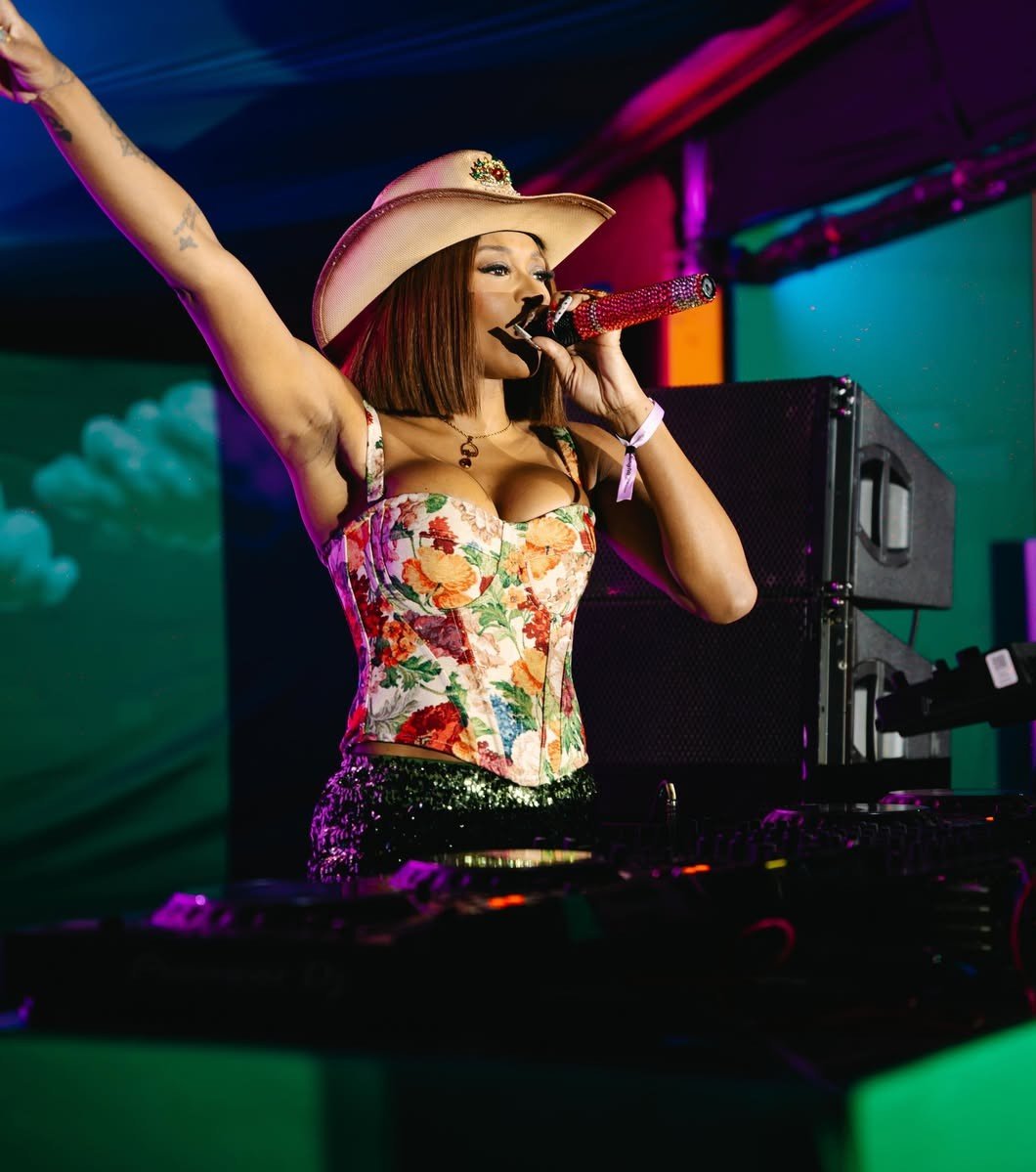
Women are transforming Africa’s nightlife, breaking the male dominance in DJing. They no longer stick to the dance floors alone; they are actively directing the energy of parties as DJs.
From amapiano-driven clubs in South Africa to club and party scenes in Nigeria, Kenya, Ghana, Uganda, and Morocco, these women are changing what African nightlife scenes feel like, and they are becoming some of its most influential cultural tastemakers.
Beyond the DJ Booth
The modern African DJ does more than play music. Today’s nightlife culture exists at the intersection of music, fashion, performance, and digital identity. DJs shape how audiences discover songs, how trends circulate, and how cities define themselves culturally. They curate atmosphere as much as sound.
The rise of female DJs like Uncle Waffles marked a turning point for African nightlife culture globally. Emerging from South Africa’s amapiano explosion, she became one of the genre’s most recognizable faces through viral performance clips that spread rapidly online.
Across the continent, other women are playing a big role in reshaping African nightlife. Some blend Afrobeats with house, electronic music, dancehall, and hip-hop, while others revive older African sounds and reintroduce them to younger audiences.
Female DJs Who Are Impossible to Ignore
These women are dominating the African nightlife scene. They’re taking over dancefloors and breaking barriers in the male-dominated industry.
Uncle Waffles
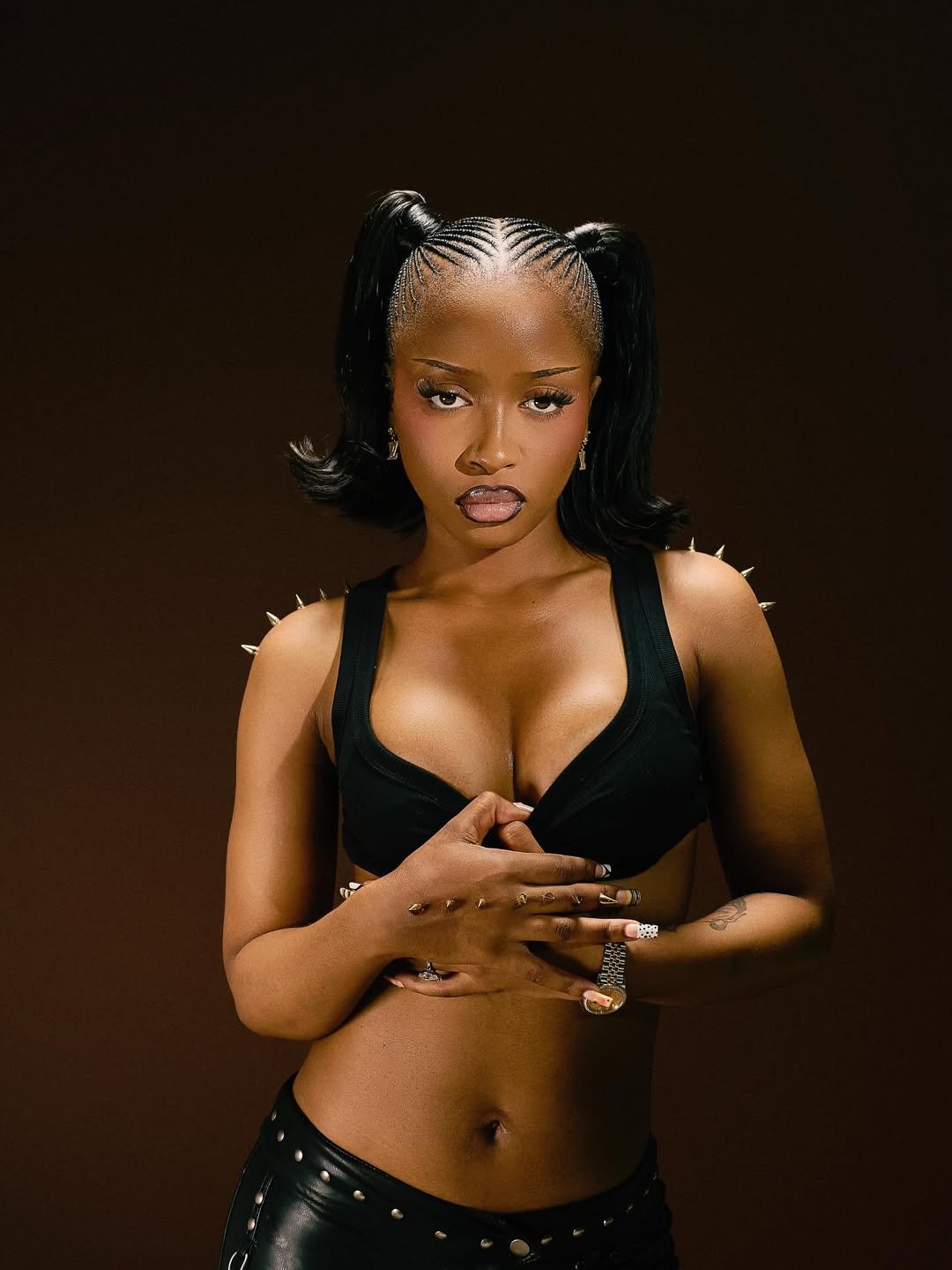
Lungelihle Zwane, popularly called Uncle Waffles, is widely celebrated as one of the key figures reshaping African nightlife and global dance music. Known for her dance skills, her rise coincided with amapiano’s global breakthrough. She made history in 2023 as the first Amapiano artist to perform on the main stage at the Coachella Valley Music and Arts Festival, but she quickly became more than a genre representative. Through social media virality, festival appearances, and explosive performances, she transformed into one of the most recognizable faces of contemporary African nightlife. More importantly, she helped introduce a younger global audience to the energy, movement, and aesthetic language surrounding amapiano culture itself.
DJ Zinhle
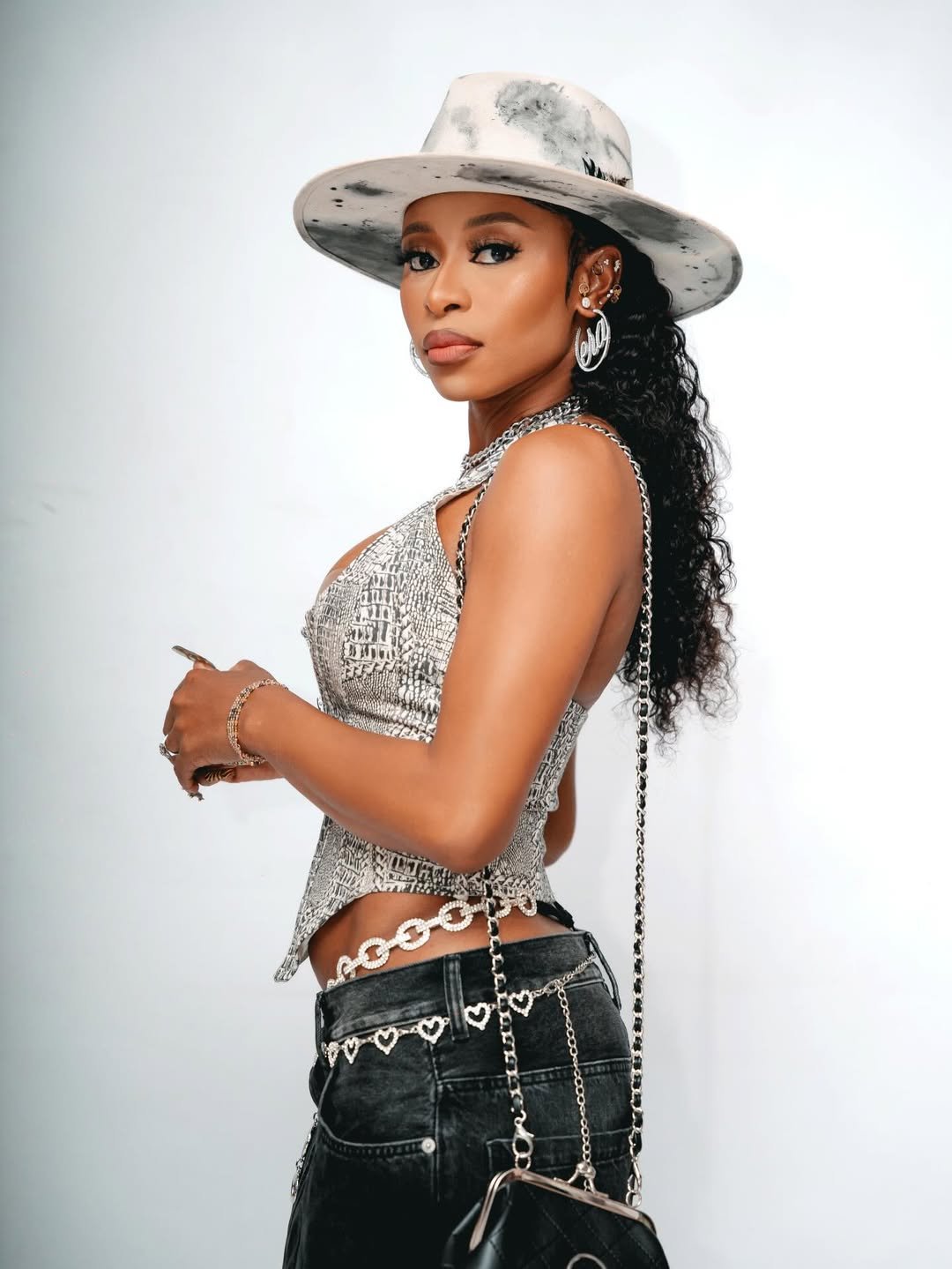
Long before the current wave of globally visible female DJs, Ntombezinhle Jiyane, known professionally as DJ Zinhle, had already established herself as an influential woman in African nightlife. Across two decades, she built a career that expanded beyond DJing into entrepreneurship, media, and business while maintaining credibility within South Africa’s music industry. Her longevity matters because African nightlife has historically struggled to sustain female careers long-term. DJ Zinhle disrupted that pattern entirely. She helped normalize the idea that women could dominate nightlife spaces while simultaneously building brands powerful enough to outlive trends. For many younger female DJs across the continent, she represents a blueprint, survival, and possibility all at once.
Dope Caesar
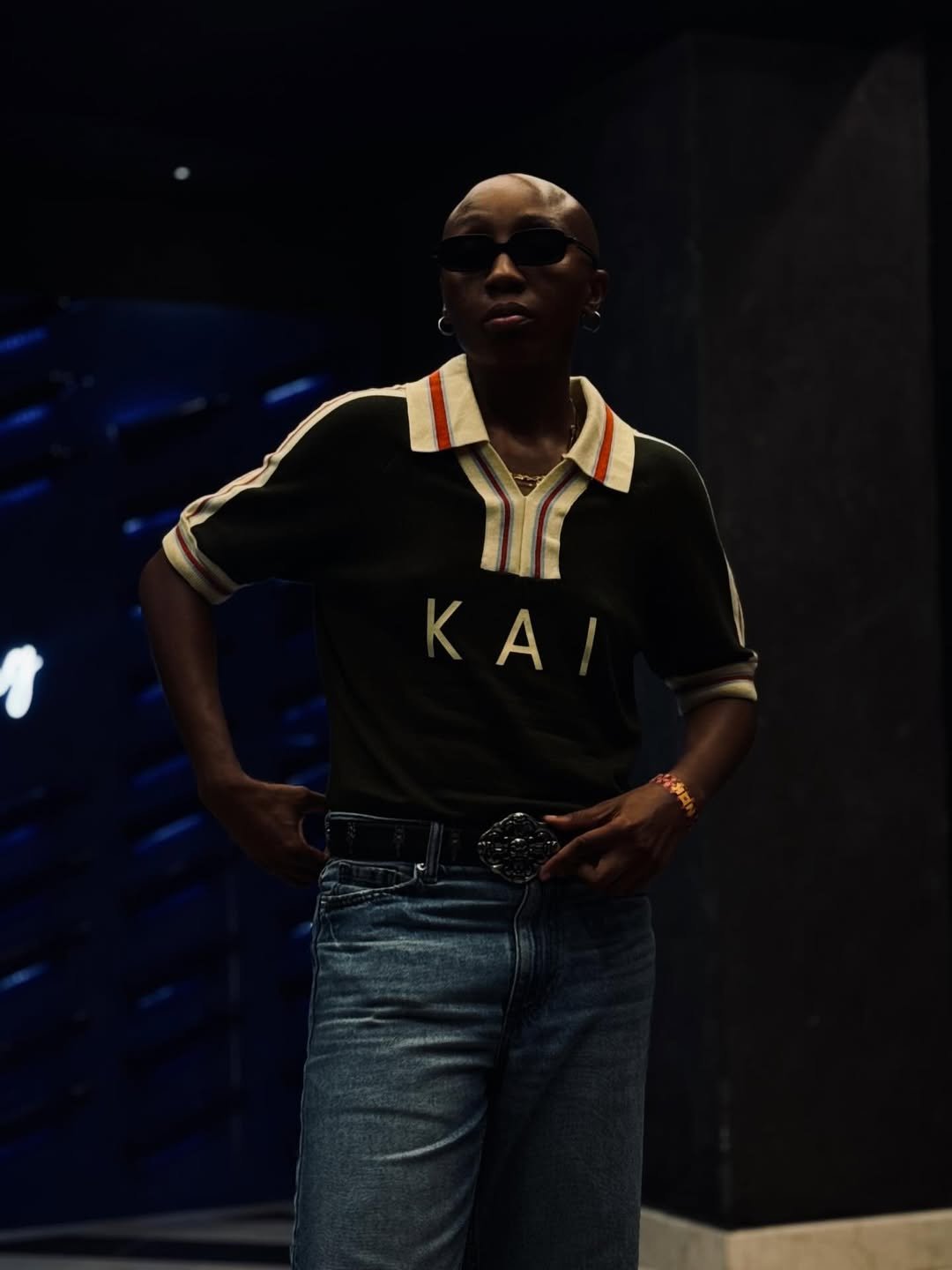
Known offstage as Sarah Ebhodaghe Oboh, the Lagos-born DJ is one of the defining DJs of Nigeria’s current nightlife generation. She gained prominence in 2023 after her incredible live transition from Brick and Lace’s “Love Is Wicked” into Victony and Tempoe’s “Soweto” went viral globally on social media. Her ability to move fluidly across Afrobeats, amapiano, Afro-house, and global club sounds made her a standout figure in Lagos nightlife while helping her build international recognition. She represents the new era of African DJs shaped equally by internet culture and club culture. She is recognized as a “queen of transitions” who has successfully injected new excitement into the African nightlife circuit.
DJ Lambo
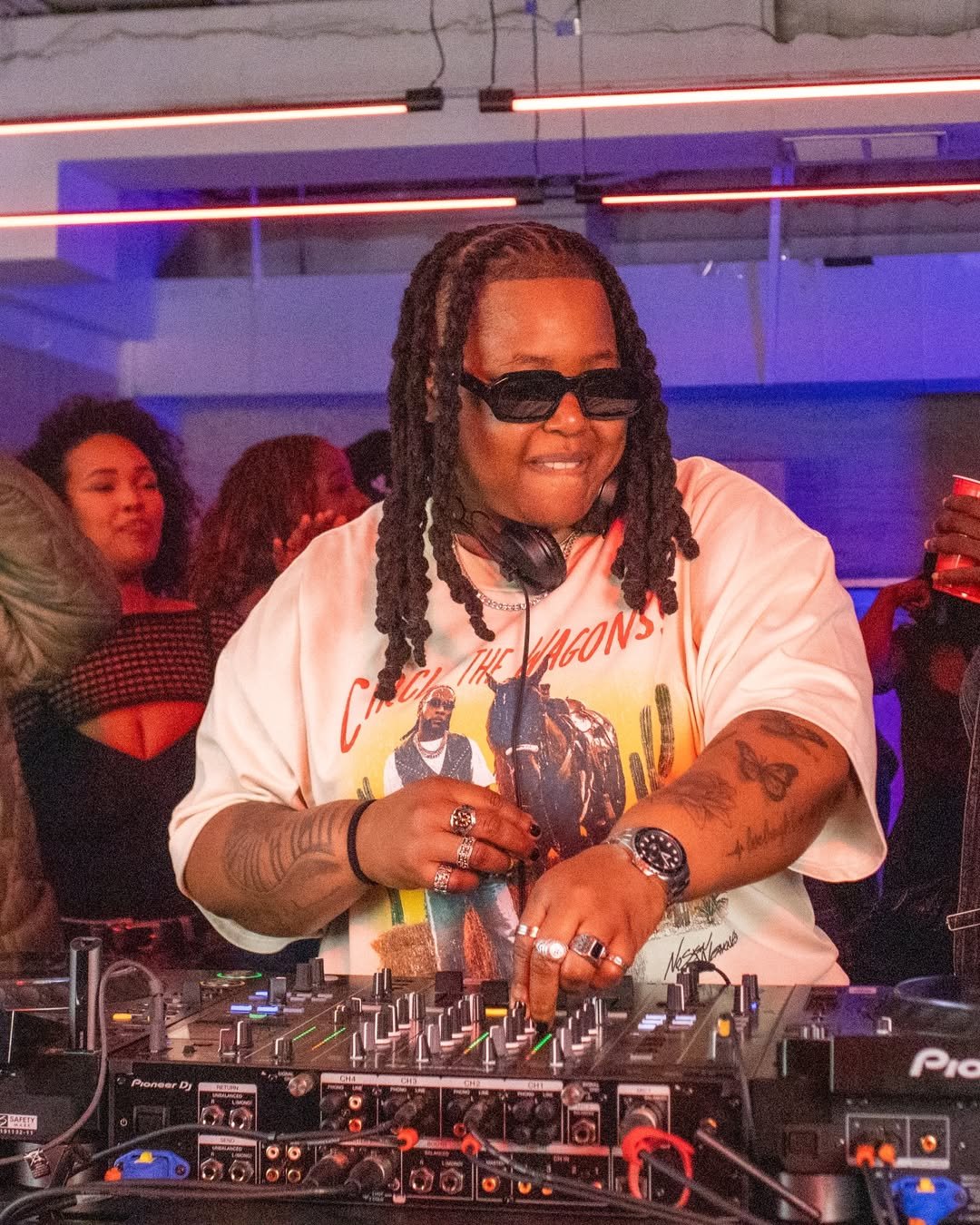
DJ Lambo, whose real name is Olawunmi Okerayi, helped establish a lane for women within Nigeria’s nightlife and hip-hop scenes at a time when female DJs remained significantly underrepresented. Known for her energetic sets and genre versatility, she became one of the most recognizable women on Nigeria’s club circuit while also expanding into music curation and executive roles. Her influence extends beyond nightlife itself. DJ Lambo is part of a generation of female African DJs who fought for credibility within industries that often questioned women’s technical skill and authority behind the decks.
DBN Gogo
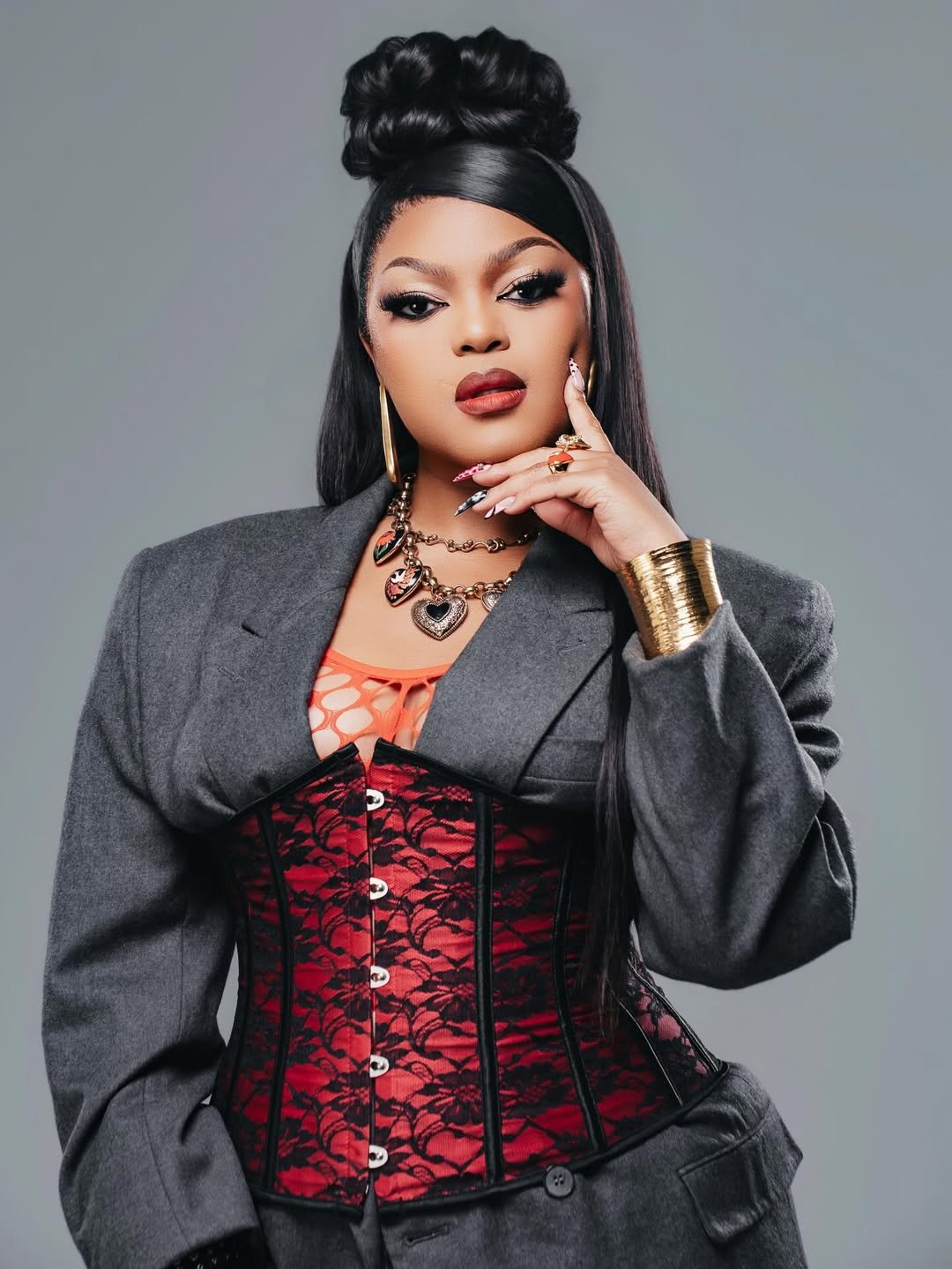
Mandisa Radebe, known by her stage name DBN Gogo, is one of Amapiano’s most respected selectors, combining deep musical knowledge with an instinctive understanding of crowd energy. Her sets move between underground sounds and mainstream appeal, positioning her as one of South Africa’s defining nightlife figures. DBN Gogo is the first female DJ in South Africa to perform a 24-hour non-stop DJ set. She’s also the first female Amapiano DJ to perform at the Tomorrowland festival in Belgium. Her influence reflects a broader shift within DJ culture, where audiences increasingly value DJs not simply as entertainers but as curators shaping the emotional rhythm of nightlife.
DJ Cuppy
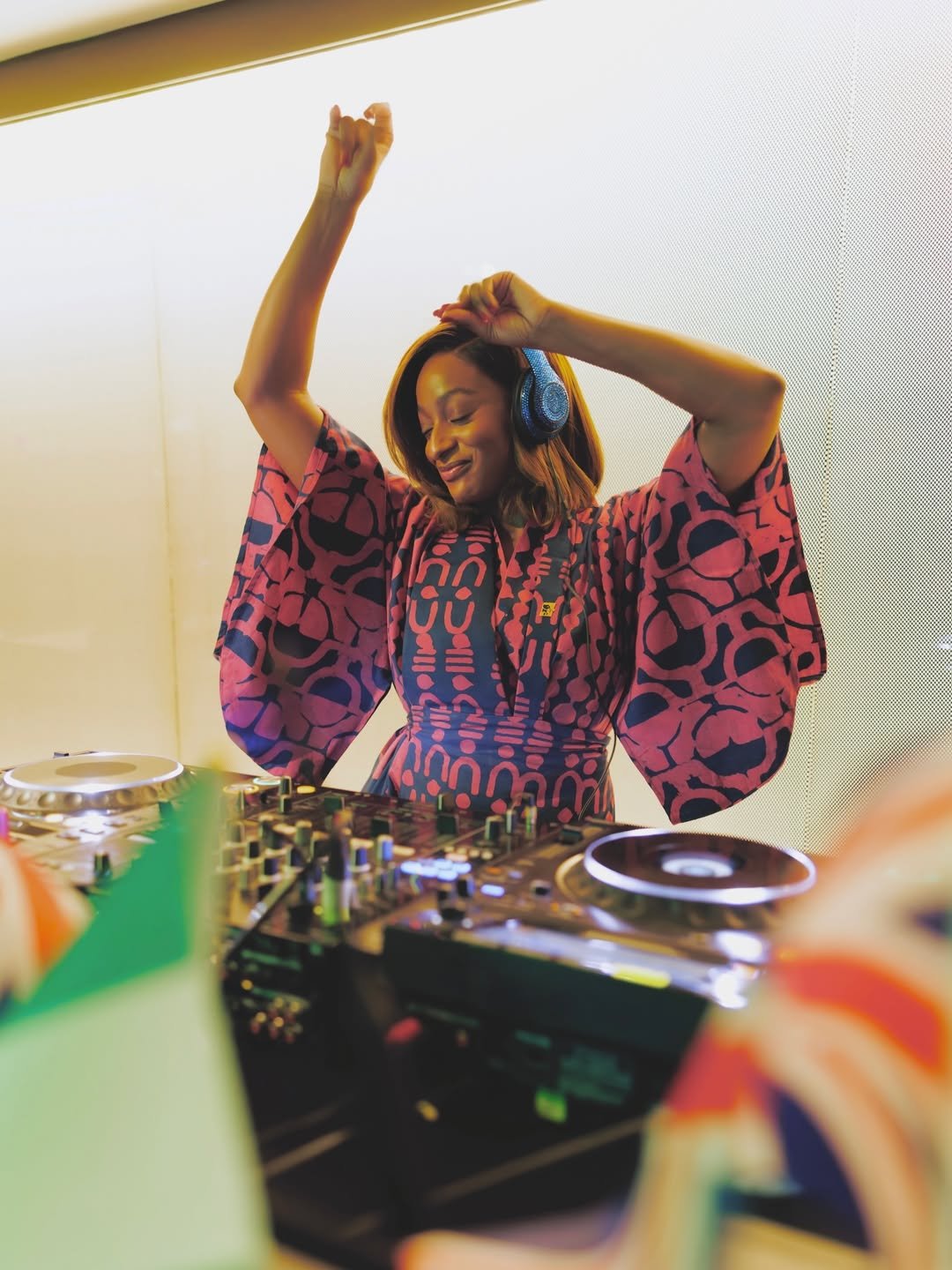
Florence Ifeoluwa Otedola, aka DJ Cuppy, occupies a unique position within African nightlife culture. While initially entering public consciousness through celebrity visibility, she gradually transformed herself into a globally recognized DJ, media personality, and cultural ambassador for African music. Her career shows how modern DJ culture now extends beyond clubs into branding, storytelling, and digital identity. The disc jockey made history by going on an 8-city Pan-African tour titled “Cuppy Takes Africa.” She belongs to a generation of African DJs who understand visibility as part of the craft itself.
TxC
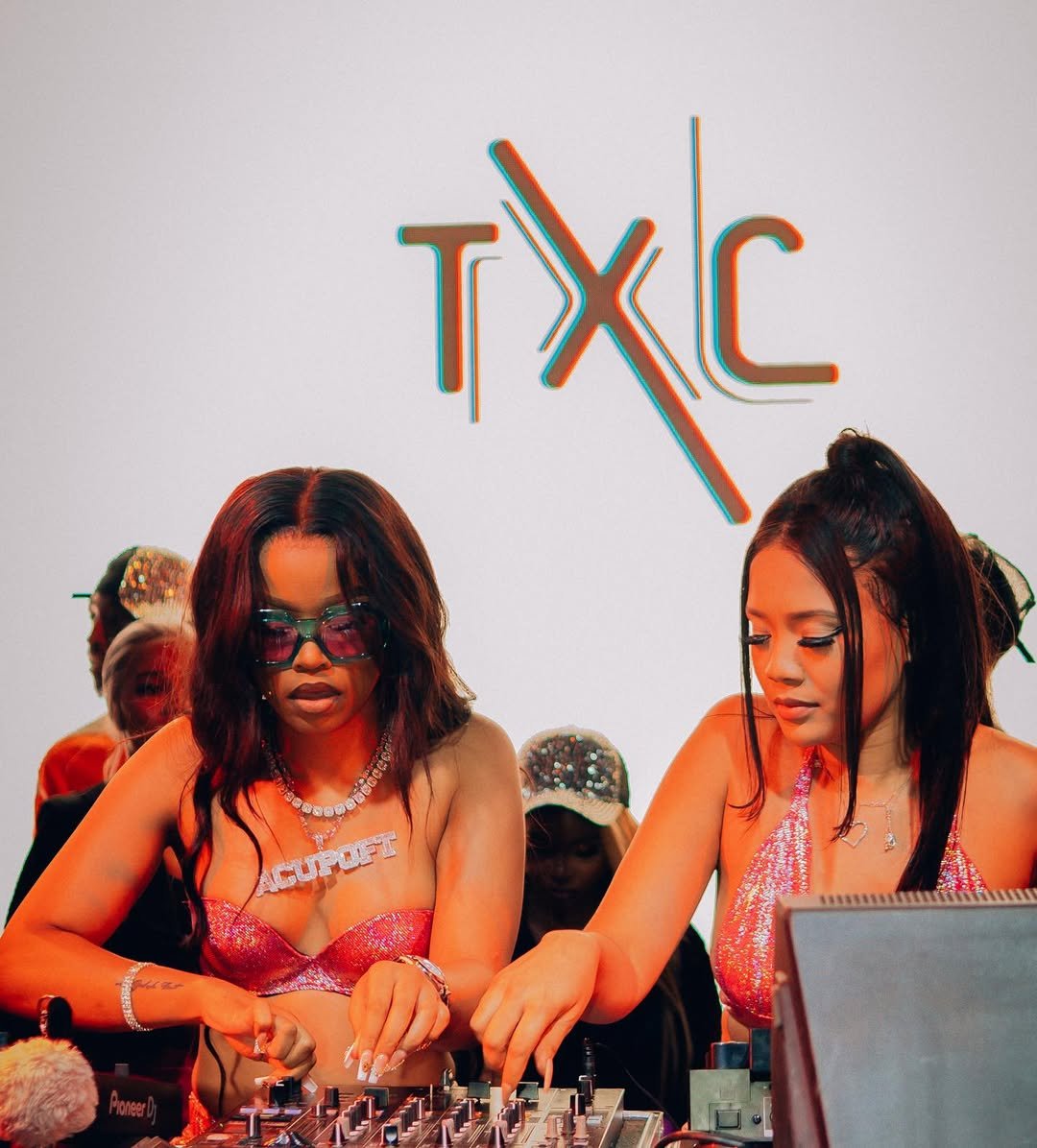
Composed of childhood friends Tarryn Reid and Clairise Hefke, TxC helped push amapiano deeper into global nightlife spaces through energetic performances and highly curated sets blending dance culture with internet-era aesthetics. The South African duo gained popularity after going viral on social media. Their rise reflects how performance, visual identity, and social media now shape modern club culture as much as music itself. TxC are the first-ever female DJ duo to win the BET Award for the Best New International Act at the 2025 ceremony.
Together, these women represent more than popularity. They are controlling nightlife culture across the continent, and they are redefining what authority, influence, and visibility look like within African club culture.