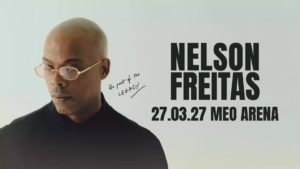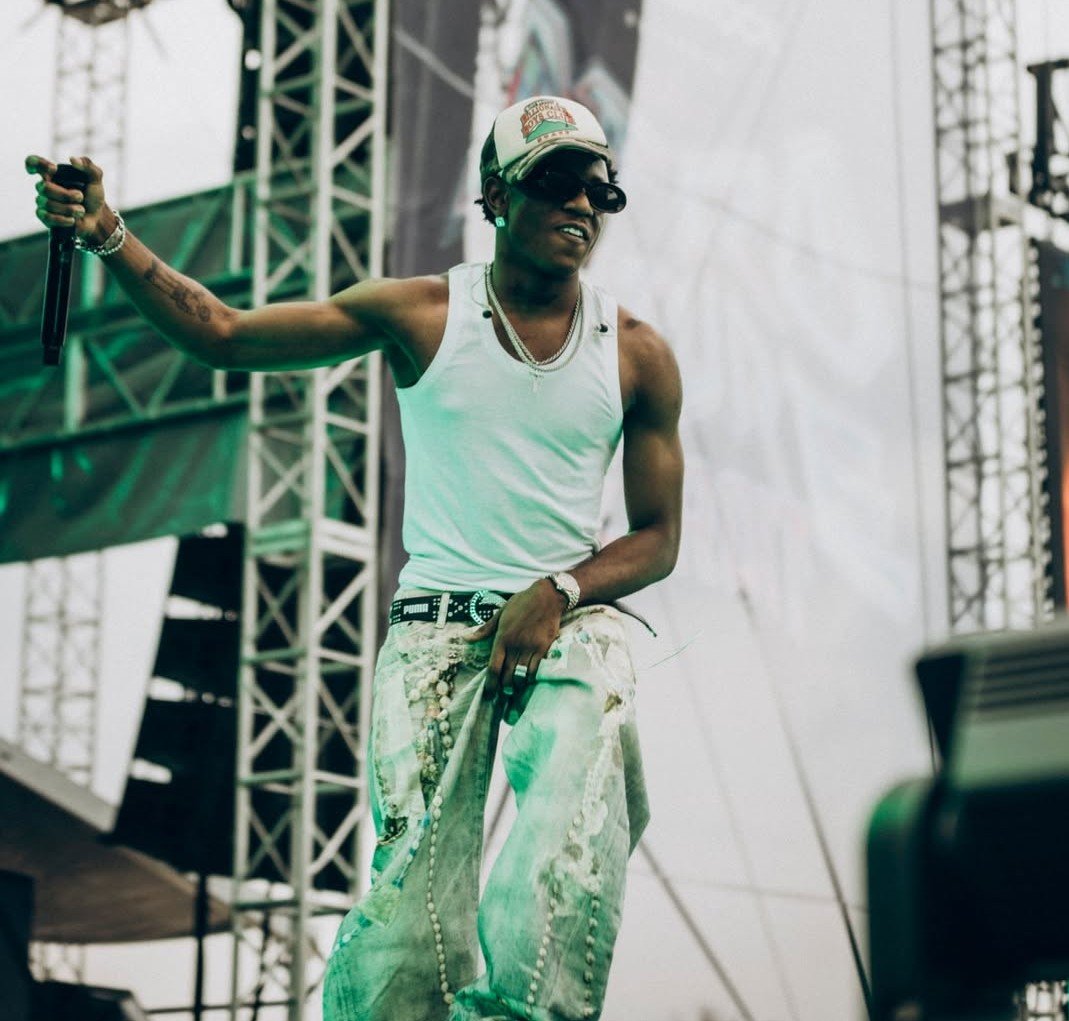
There was a time when African music was limited to small, niche stages at international festivals. Artists were often seen more as cultural representatives than as trendsetters. Their performances were treated as a brief touch of diversity in lineups mostly dominated by American, European, and Latin acts.
But today, that has changed completely. At big festivals like Coachella, Glastonbury, Primavera Sound, Afro Nation, and Tomorrowland, African music has become impossible to overlook. DJs are now spinning African club sounds such as Amapiano tracks during peak hours.
Afro House producers are headlining electronic stages, while Afrobeats artists are drawing huge crowds that used to be reserved for mainstream pop and hip-hop stars. What was once seen as regional music is now a global festival staple, and importantly, it has happened on African music’s own terms.
African club sounds get people moving in a way that many modern pop songs don’t. It’s about active participation, not just passive listening. At festivals, that makes a huge difference. These songs don’t just fill the air; they change the entire vibe.
Amapiano Changed Everything
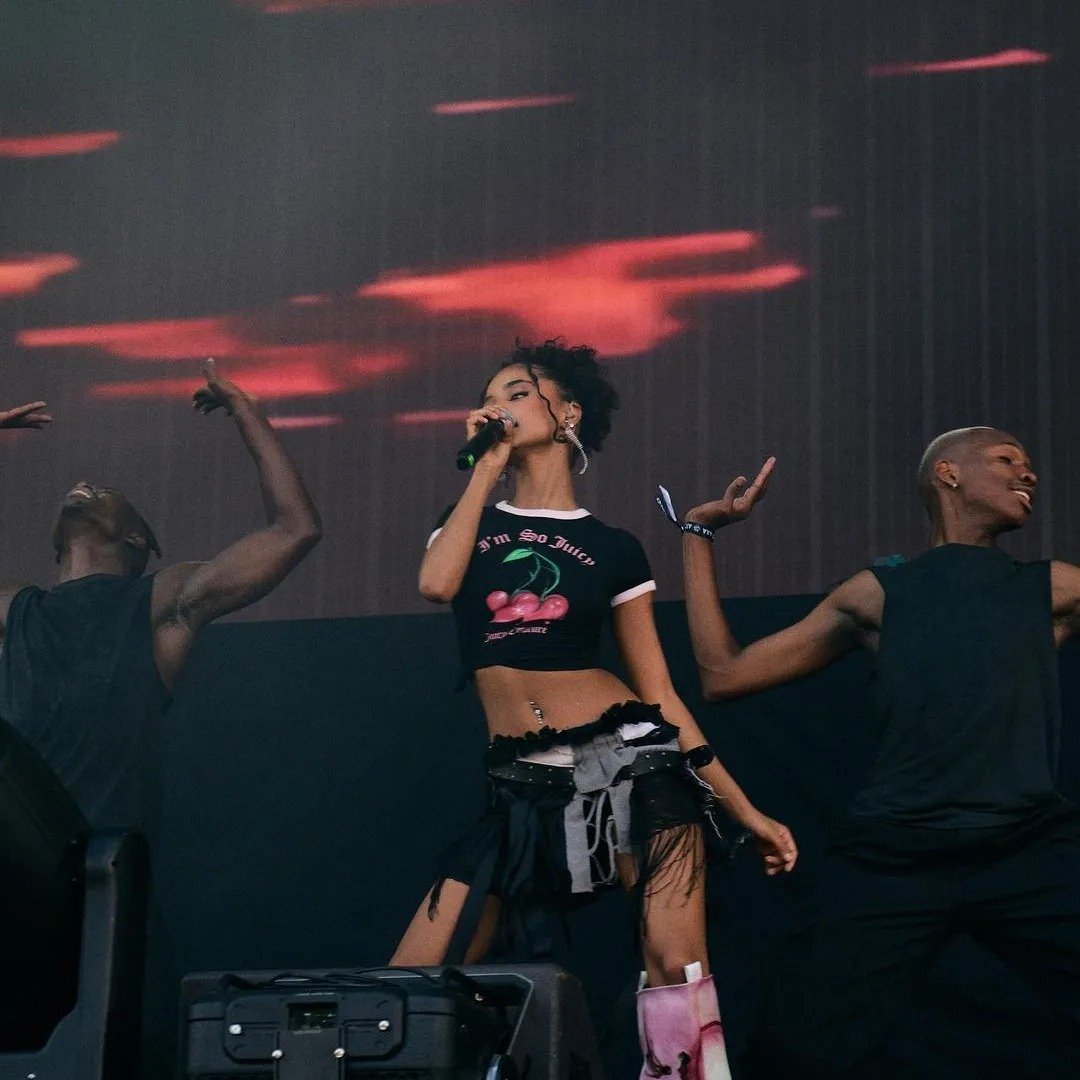
When talking about the global rise of African club sounds, you have to start with South Africa. Over the past five years, Amapiano has grown from a township-born sound to one of the most influential dance music movements worldwide.
Amapiano blends deep house, jazz vibes, soulful melodies, and the signature log drum to create a sound that’s both chill and uplifting. Unlike the big, explosive drops common in Western electronic music, Amapiano often unfolds slowly, drawing listeners into a hypnotic groove that rewards those who stick with it.
Festival crowds have fallen in love with it. What started in Pretoria, Johannesburg, and South African townships now fills clubs in London, Paris, New York, Berlin, Lagos, Nairobi, and Dubai.
The success of artists like Kabza De Small, DJ Maphorisa, Uncle Waffles, and Tyler ICU shows that audiences want authentic African sounds, not diluted versions. This isn’t just a passing musical trend; it’s a sign of growing cultural confidence.
The Rise of Afro House
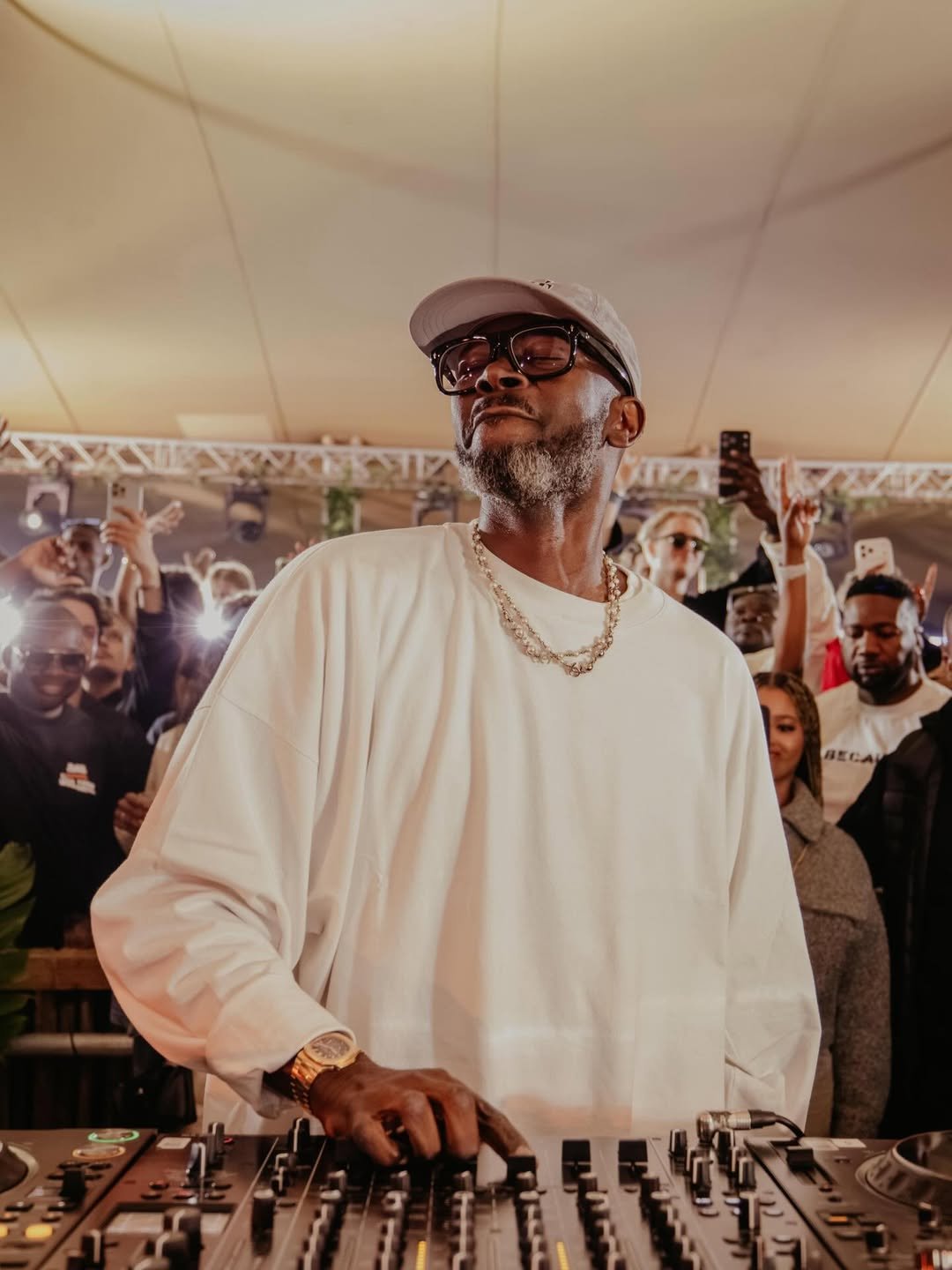
If Amapiano is the voice of today’s youth culture, Afro House is the pulse of global nightlife. The genre’s rise is especially clear at electronic music festivals, where crowds are looking for something fresh beyond the usual EDM beats.
Afro House stands out with its organic rhythms and human feel. Its percussion hits differently, and its emotional range goes deeper than the typical highs and lows of mainstream dance music. Artists from South Africa, Angola, Mozambique, Nigeria, and beyond have helped build a movement that’s now shaping DJs and producers everywhere.
International electronic artists are now weaving African rhythms into their tracks. Some are teaming up with African producers, while others take inspiration straight from the continent’s vibrant club scenes. Either way, the impact is impossible to ignore.
Afrobeats Is the Gateway
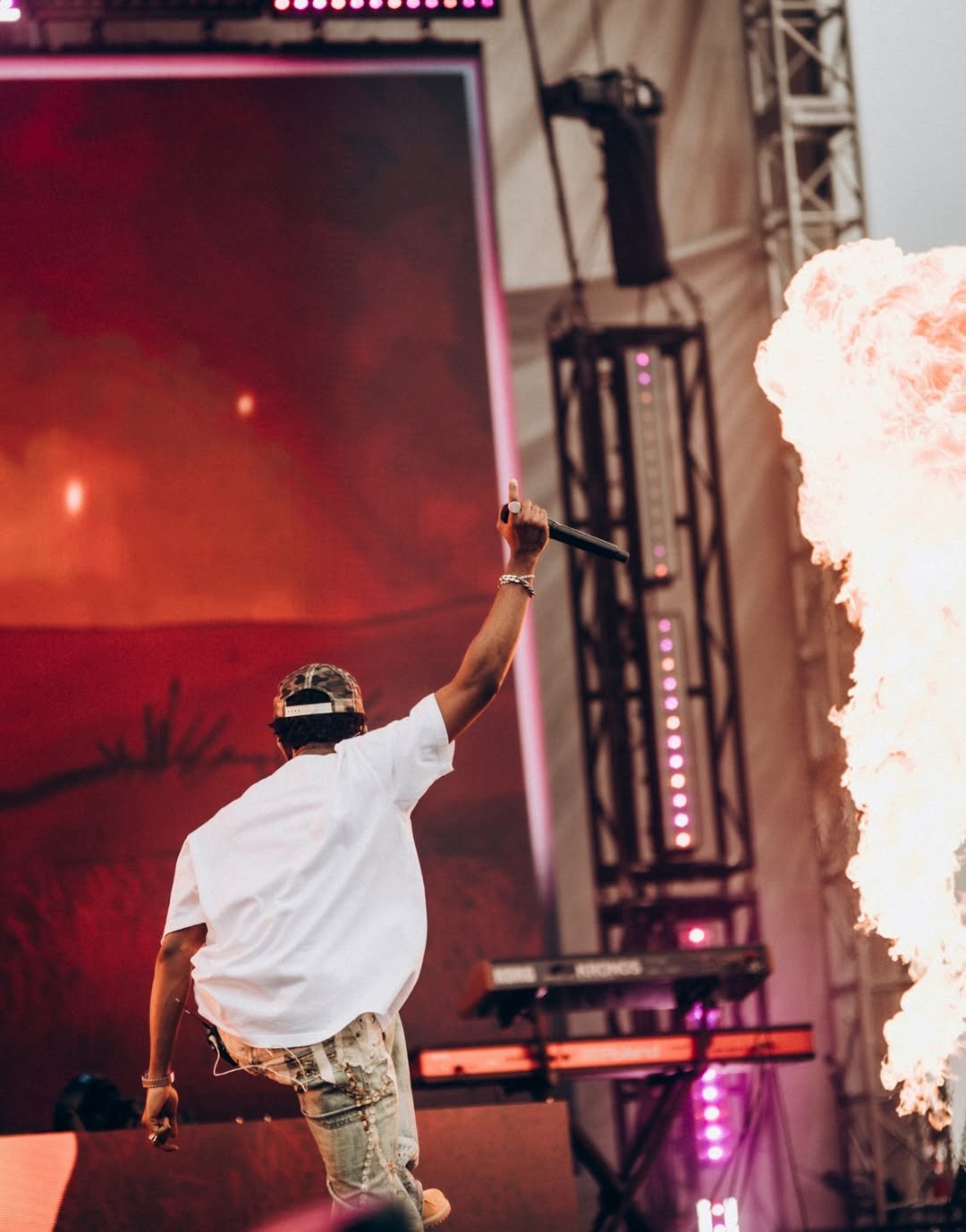
While Amapiano and Afro House dominate dance floors, Afrobeats played a crucial role in paving the way for their success. The genre’s global breakthrough changed how international audiences viewed African music.
For years, African artists struggled against the misconception that their music belonged to a specific region or audience, but Afrobeats shattered that idea.
Artists like Burna Boy, Wizkid, Davido, Tems, Asake, and Rema showed that African artists could headline major festivals, top charts, and shape global conversations without abandoning their cultural identity.
Once audiences embraced Afrobeats, curiosity expanded and listeners began exploring neighboring genres. What started as Afrobeats momentum became broader African momentum.
Festivals Want the Energy of African Club Sounds
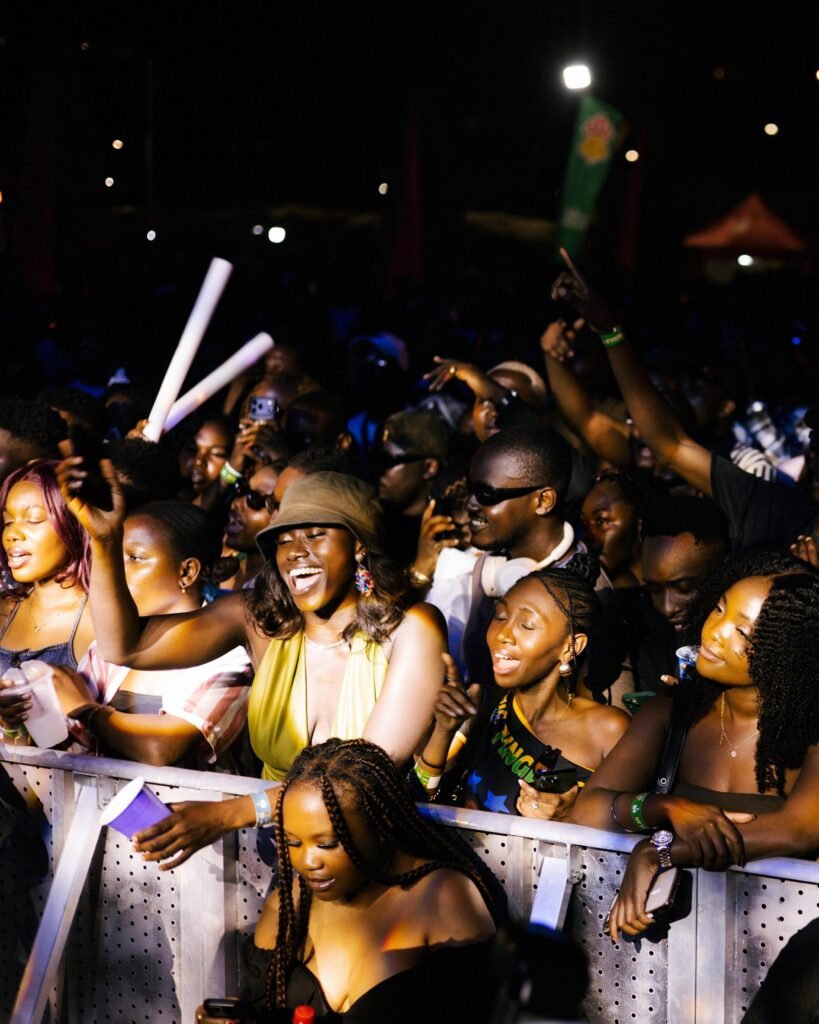
Festival organizers face challenges as audiences expect something new every year. The usual routine of booking the same headliners just doesn’t excite people like it used to.
African club music offers a fresh solution. It brings energy, originality, and real authenticity. Even more, it creates unforgettable moments. The viral videos flooding social media after big festivals often show huge crowds dancing to African beats.
From Amapiano dance circles to Afrobeats singalongs and Afro House sunrise sets, these experiences go far beyond the festival grounds. In today’s world of TikTok and Instagram, cultural impact is almost as important as ticket sales and African sounds deliver on both.
The Youth Factor
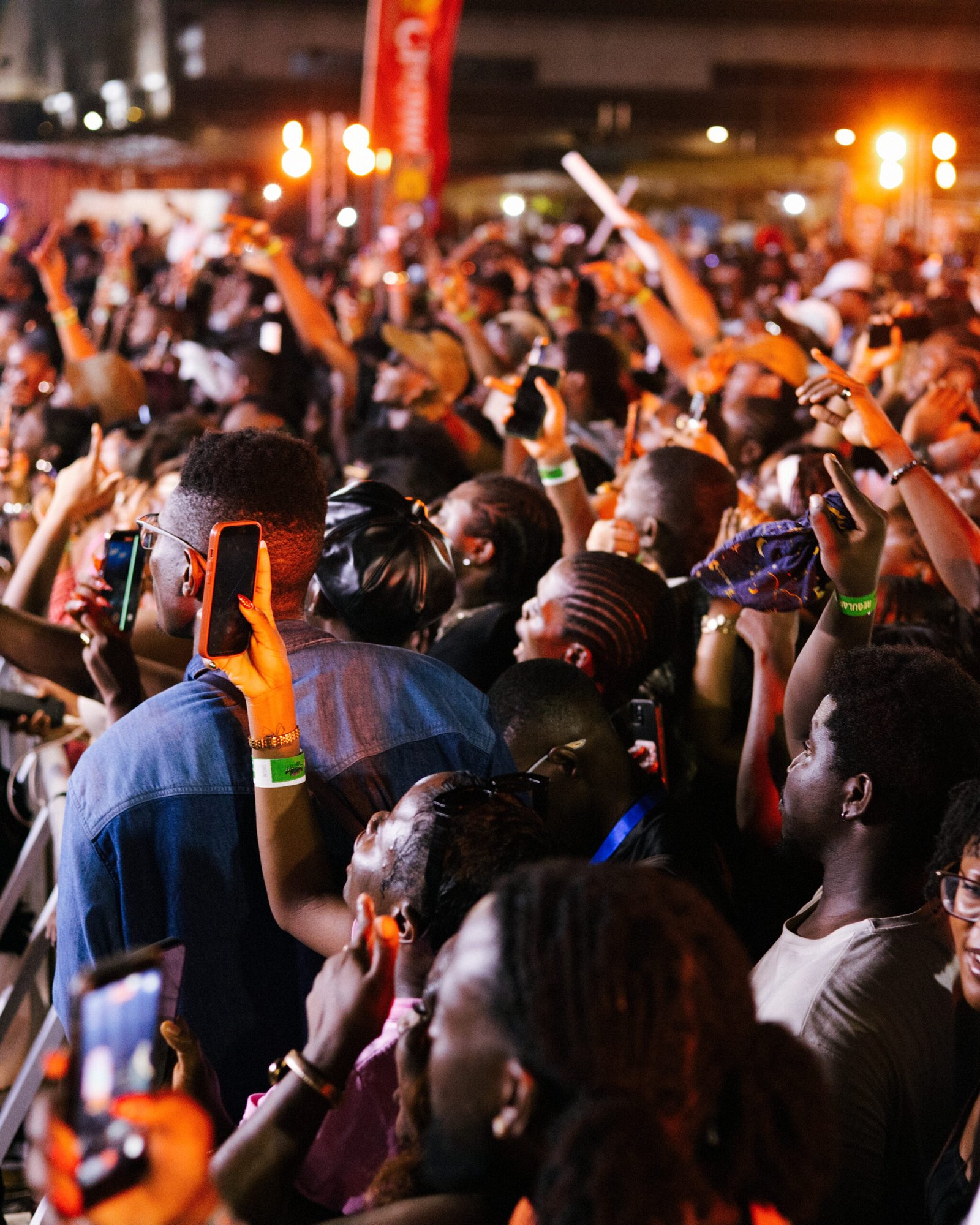
Another reason for the rise of African club sounds is demographics. Africa has the youngest population in the world, and its influence on global culture is just starting to be fully realized.
Young people everywhere are listening to music in new ways. They’re less bothered by language differences, less tied to strict genre labels, and more open to exploring sounds from different cultures.
For many music fans in cities like London, Toronto, Berlin, Paris, or Los Angeles, discovering Amapiano feels as natural as discovering hip-hop or house music. The internet has sped up cultural exchange, and African music has been one of the biggest winners in this new era.
It Is Bigger Than Music
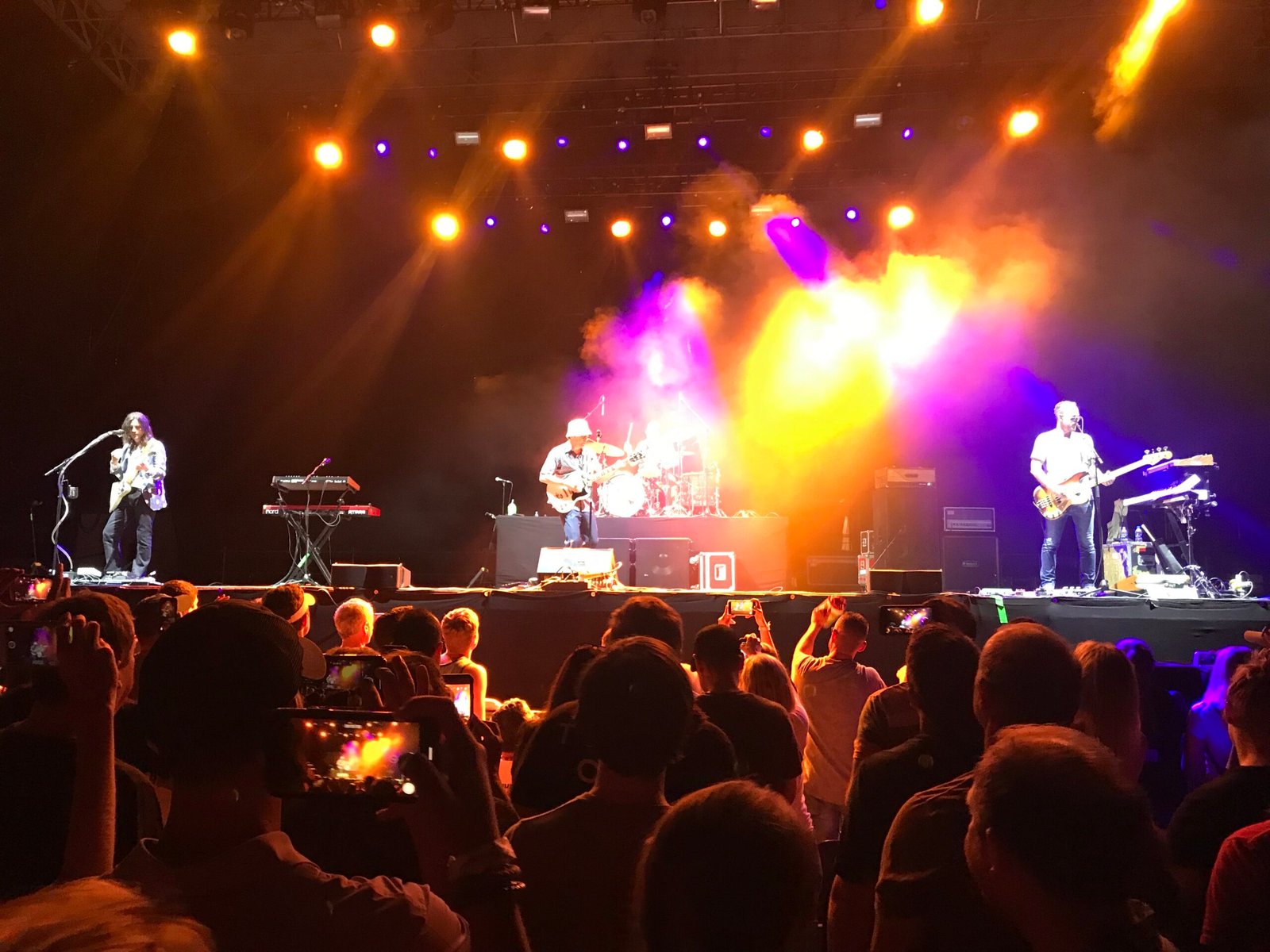
The rise of African club sounds goes beyond just festival lineups; it marks a significant shift in cultural influence. For many years, music trends mainly spread from Western countries to the rest of the world. Now, influence flows in many directions. African artists aren’t just part of the global music scene anymore; they’re helping to shape it.
Music coming out of cities like Johannesburg, Lagos, Accra, Nairobi, Dar es Salaam, and Luanda is increasingly setting trends for clubs, festivals, and studios worldwide. This would have seemed unlikely just a generation ago, but today it feels inevitable. The real question isn’t if African club music belongs on the biggest stages; it already does.
The more interesting question is what’s next. Could Amapiano become as popular globally as house music? Will Afro House drive the future of electronic music? Which African style will capture the world’s attention next? No one knows for sure. But history shows that when a genre connects deeply with local roots and global audiences, its impact tends to last.
Right now, African club sounds have that magic. The dance floors have made their choice, festivals are paying attention, and the world is moving to Africa’s beat.