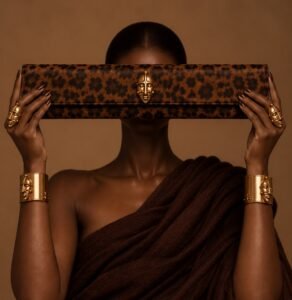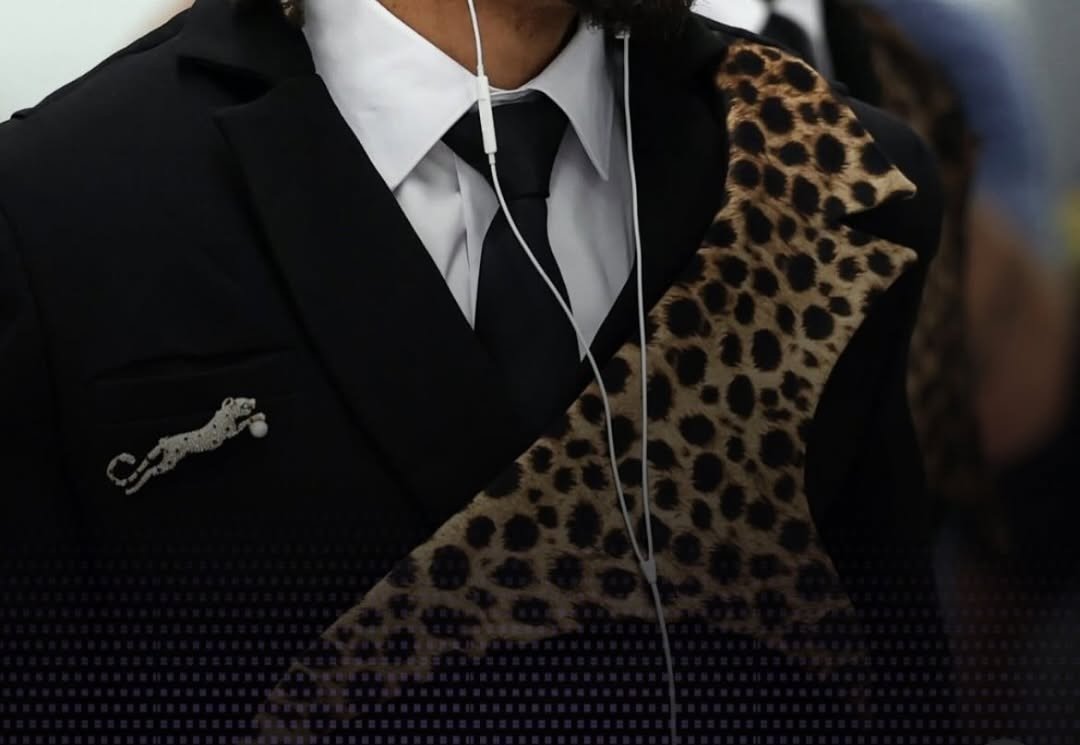
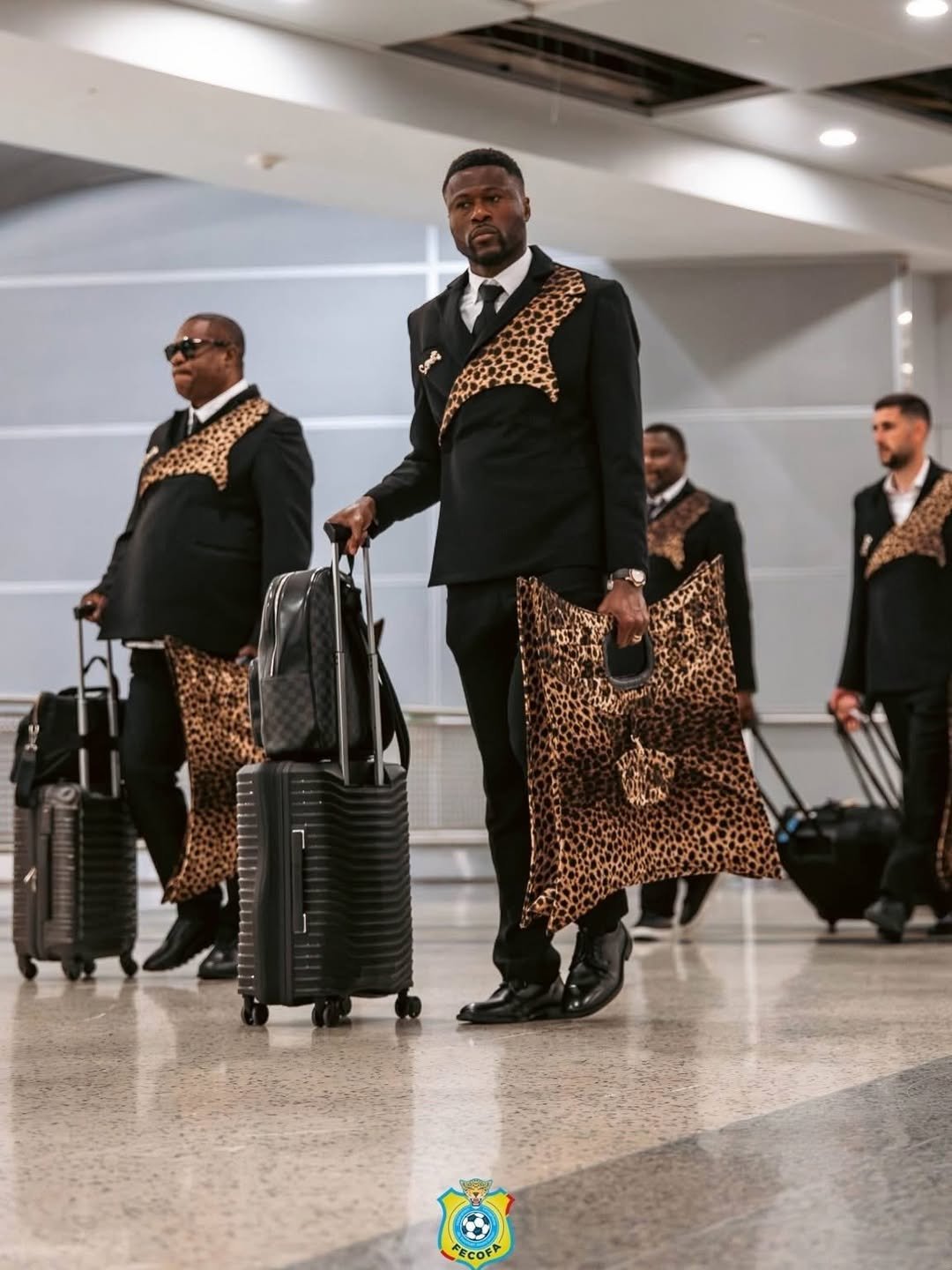
Leopard print, cut with precision. In tailored jackets, black trousers and dress shoes, the Democratic Republic of Congo’s national team arrived for the World Cup looking less like a squad in transit than a fashion week intervention. It’s been filmed, posted, reshared and replayed all over social media. Somewhere in the comments, the world has finally caught up to what Kinshasa has always known: Congo doesn’t simply play the game, they dress for the occasion.
The Leopards are back at the World Cup for the first time since 1974. Fifty-two years. The wait ended on March 31 in Guadalajara, when Axel Tuanzebe’s extra-time winner against Jamaica cracked open five decades of longing. It was the kind of sporting release that does not stay inside a stadium but travels through families, diasporas, barbershops, WhatsApp groups, church basements, radio shows, Paris suburbs, Kinshasa streets. Now they’re here, and designer Alvin Junior Mak made sure they entered the tournament with the force of a cultural statement.
Mak is Franco-Congolese: born in the DRC, raised in Paris, founder of the sustainable ready-to-wear label JmakxParis. He is not a household name yet, which may be the point. Some designers announce themselves on runways. Others do it via their own national team walking through arrivals and breaking the internet without saying a word.
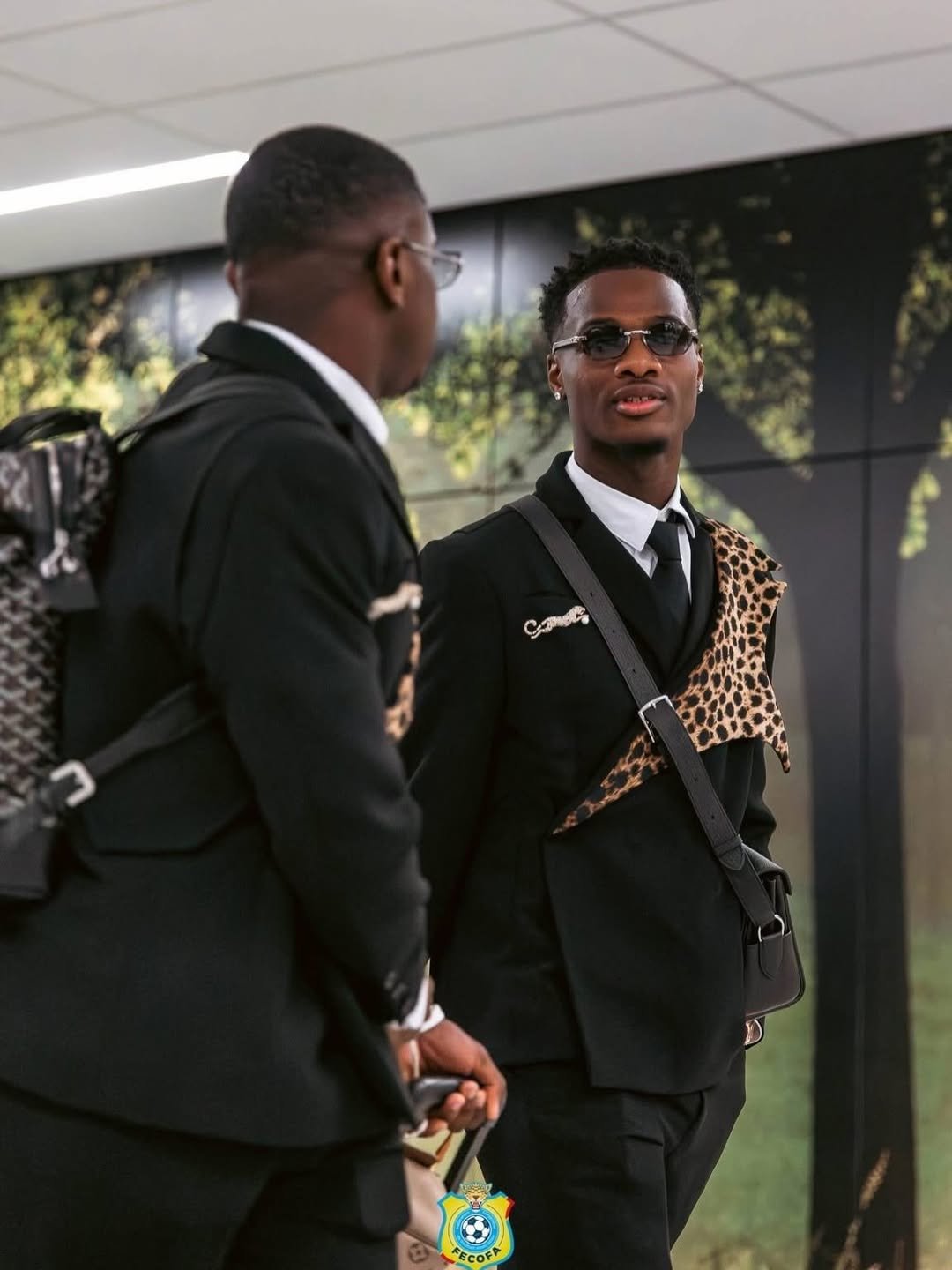
The idea began with dissatisfaction. When the team showed up to the 2023 AFCON in Dutch wax fabrics, vibrant as they were, Mak felt something was missing. The look nodded toward African style broadly, but not quite Congolese style specifically. He wanted sharper language. More precision. A silhouette that could carry the country’s visual codes without flattening them into costume. For AFCON 2025, he produced tailored leopard-print ensembles made in the DRC with local artisans: sculpted jackets, fluid black trousers, matching shoes. The tournament stopped and stared. For the World Cup, he returned to the same idea and refined it: animal-print formalwear with serious construction and no instinct to apologize.
“The Congo is known for football, music, and fashion, the three cultural pillars of the country,” Mak has said. “The goal was to highlight a love of beauty, the elegance of garments, and a taste for opulence through clothing.”
For Congo, style is never surface level. La Sape, the Société des Ambianceurs et des Personnes Élégantes, remains one of the world’s most singular fashion movements, a Kinshasa-born tradition where dressing becomes dignity, theatre, resistance, pleasure, and self-possession all at once. The Sapeurs were not defined by wealth. They were defined by refusal: refusal to let hardship dictate beauty, refusal to let power decide who gets elegance, refusal to enter the world diminished. A suit was never just a suit. It was posture. It was authorship.
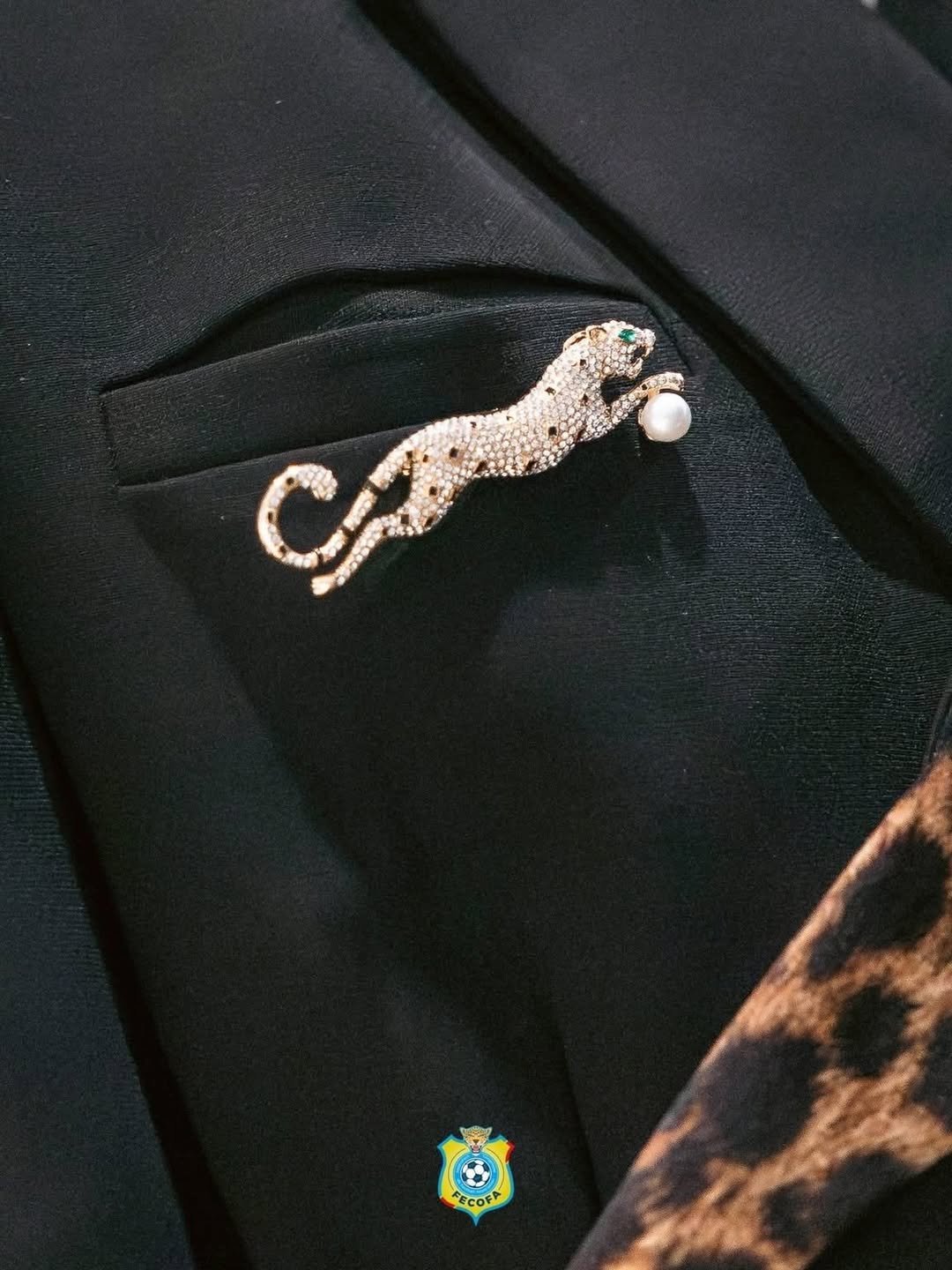
Mak’s formalwear breathes that same air. The leopard print is not decoration. It is the team’s name, their crest, their animal, their mythology. To wear it as tailoring instead of replica kit or anonymous suiting is to say: we know where we come from, and we are not sanding down the edges for global approval.
Elsewhere, national teams have arrived in the safe language of premium sportswear and corporate polish: professional, tasteful, easy to forget. Les Léopards chose something else. On the pitch, they will wear Umbro’s sky-blue home kit, its tonal leopard pattern rising from the hem, two AFCON stars sitting above the crest. But before any of that, they had already made their entrance. The airport arrival did the work setting the first impression. After 52 years away from the World Cup, it felt like a fitting way to return.