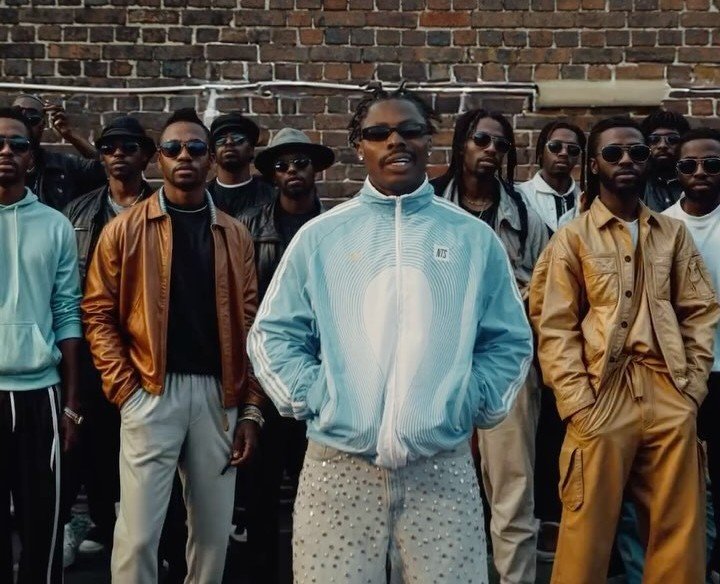
In Africa, music has always been a part of everyday life. The connection is stronger in this day and age of streaming, viral challenges, and global charts. The biggest hits on the continent are not just inspired by the streets; they are shaped by them.
While global audiences celebrate African music for its rhythms and danceability, its true essence lies in the transformation of ordinary experiences into cultural moments.
The streets serve as a living archive of language, emotion, humor, struggle, aspiration, and resilience. Each social interaction and trend provides material for new anthems. In Africa, everyday life is not just reflected in music. It is the music.
The Street as Africa’s Greatest Songwriter
Long before recording software and social media algorithms, African music drew its power from community spaces. Musicians observed the people around them, taking notes of local slang, social commentary, and communal experiences before translating them into song.
That tradition remains alive today. Visit any city in Africa, and you’ll encounter an endless stream of sounds competing for attention: conductors calling passengers into buses, traders advertising products, children inventing playground chants, neighbors debating politics, and mobile speakers blasting the latest hit.
Artists listen carefully. Many of the phrases that later dominate social media begin as ordinary expressions exchanged in everyday conversation. What started as neighborhood slang eventually become a chart-topping chorus heard across continents, making the streets Africa’s greatest songwriter.
The Language of the People
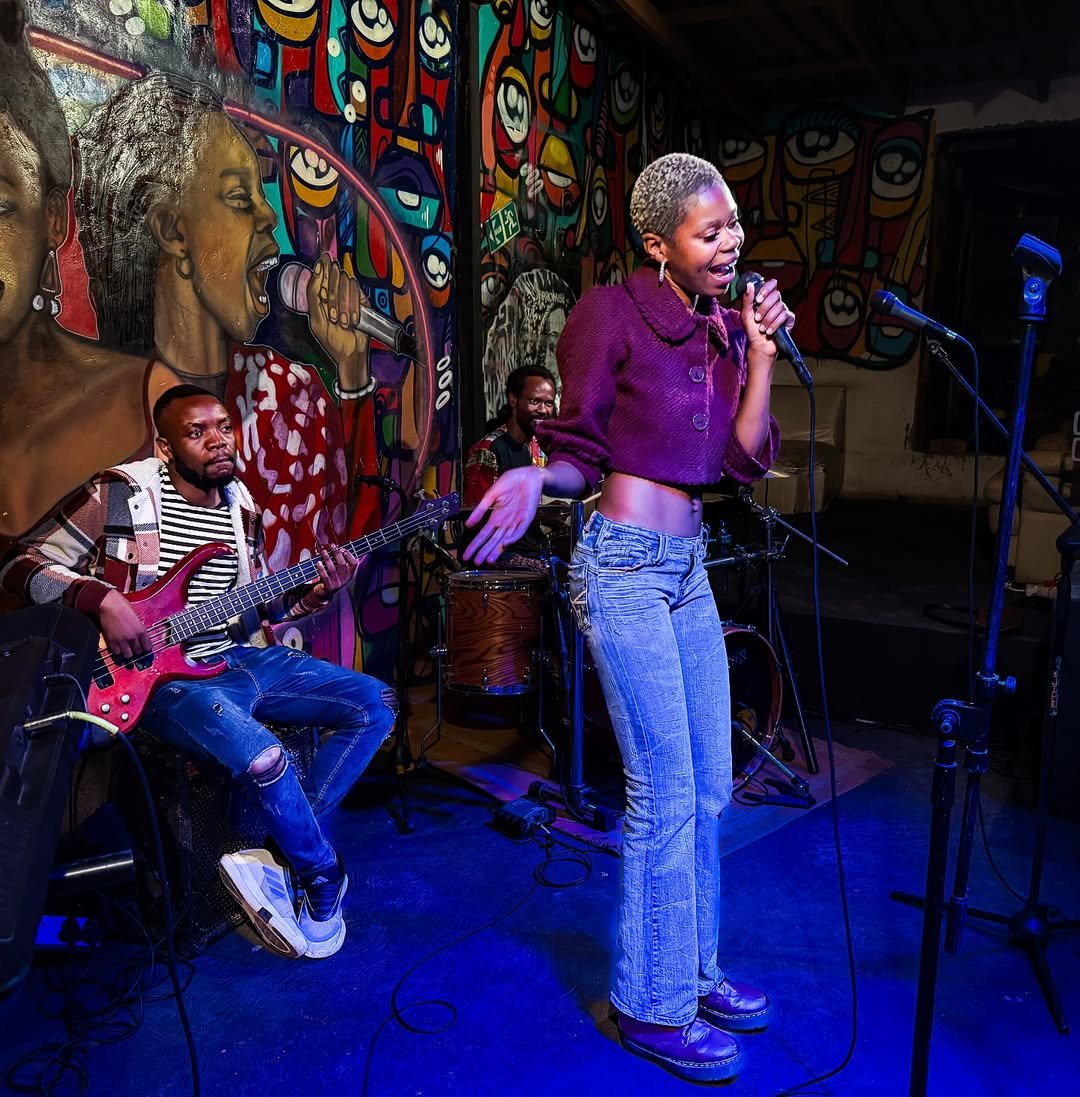
One of the defining characteristics of African popular music is its embrace of local language and street vernacular. Unlike many global pop markets where standardized language dominates, African artists frequently weave together multiple languages, dialects, and informal expressions within a single song. This leads to music that feels immediately recognizable to local audiences while retaining a sense of cultural specificity.
In Nigeria, the rise of Afrobeats has been closely tied to the widespread use of Nigerian Pidgin and urban slang. Artists transform everyday expressions into memorable hooks, capturing the humor, frustration, ambition, and confidence that characterize life in the country’s cities. Amapiano has also become inseparable from township culture in South Africa. The genre’s lyrics reflect the language, social experiences, and aspirations of young people navigating contemporary urban life.
Across East Africa, artists similarly draw from Swahili, Sheng, Luganda, and other local languages, creating songs that resonate. These linguistic choices are more than stylistic decisions. They are acts of cultural documentation. Every hit preserves a snapshot of how communities speak, think, and interact.
The Rhythm of Survival
Not every influence from the streets is celebratory. Many African hits are shaped by economic realities and the daily challenges of urban life. Artists explore themes of hustle, perseverance, unemployment, migration, financial ambition, and social mobility. These subjects resonate because they reflect the lived experiences of millions of young Africans.
The recurring theme of “making it” appears throughout contemporary African music because it mirrors the aspirations of a generation determined to create opportunities despite structural obstacles. Whether expressed through Afrobeats, amapiano, hip-hop, bongo flava, or Afro-fusion, the message remains familiar: survival requires resilience.
Transportation and Musical Innovation
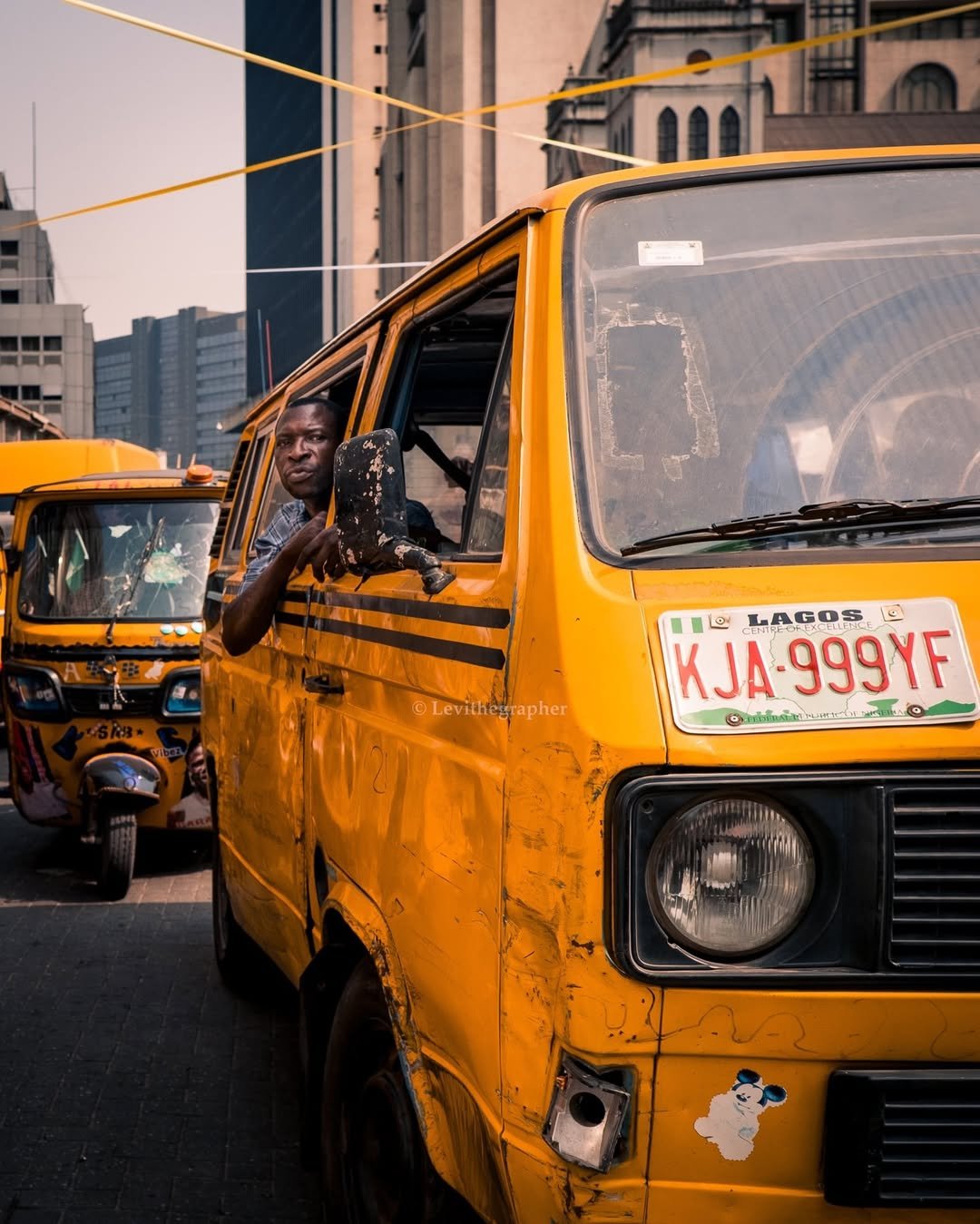
Few places influence African music more profoundly than public transportation. Modes such as buses and shared taxis facilitate the discovery of new songs through drivers’ playlists. Traffic congestion provides opportunities for collective listening, transforming unknown tracks into local hits.
In many cities, transport networks have functioned as informal distribution channels long before streaming platforms arrived. The travel experience itself contributes to the music-making process, influencing artists to create sounds that reflect the pace of modern African life.
The Influence of Informal Economies
Africa’s informal economies are among the most dynamic in the world, and their influence on music is impossible to ignore. Street vendors, artisans, mechanics, traders, food sellers, and small business owners do not only support local communities. Their experiences appear in lyrics, music videos, and cultural narratives.

Songs celebrate entrepreneurship, document daily struggles, and honor the resourcefulness needed in challenging economic conditions. As a result, African popular music is deeply intertwined with the lived experiences of ordinary people. Listeners hear themselves in the songs because the songs emerge from the same environments they inhabit.
The Global Rise of Local Stories
One of the most remarkable developments in contemporary African music is that local stories increasingly resonate on a global scale. Artists no longer feel compelled to dilute their culture for international audiences. Instead, they embrace specificity.
The worldwide popularity of African music highlights that authenticity transcends boundaries; listeners may not grasp every word but connect with genuine emotions and cultural confidence. Artists who embrace their realities create music that is more universally relatable.
The Streets Will Always Have the Final Word
As African music continues its global ascent, technology will evolve, platforms will change, and genres will mutate. But one thing is unlikely to change. The streets will remain the continent’s most important creative engine.
They will continue producing new slang, rhythms, dance moves, stories, and perspectives. Artists will stay connected to their local environments because beneath every chart-topping single lies a simple reality: before a song reaches the world, it belongs to a neighborhood.
The sounds of everyday life have always shaped African music. So as long as the streets keep talking, Africa’s artists will keep turning those conversations into hits.